Thailand Root Canal Post-Treatment Care
Thailand Root Canal Post-Treatment Care
**Thailand Root Canal Post-Treatment Care**
If you’ve just had a root canal treatment in Thailand, congratulations – you’ve taken an important step in saving your natural tooth. Whether you visited a private dental clinic in Bangkok, a popular dental hospital in Chiang Mai, or a small local practice in Phuket, proper post-treatment care is essential to make sure your recovery is smooth and your tooth stays healthy for years to come. The good news is, with a little attention to detail and a few practical habits, your recovery can be comfortable and problem-free.
## Understanding What Happens After a Root Canal
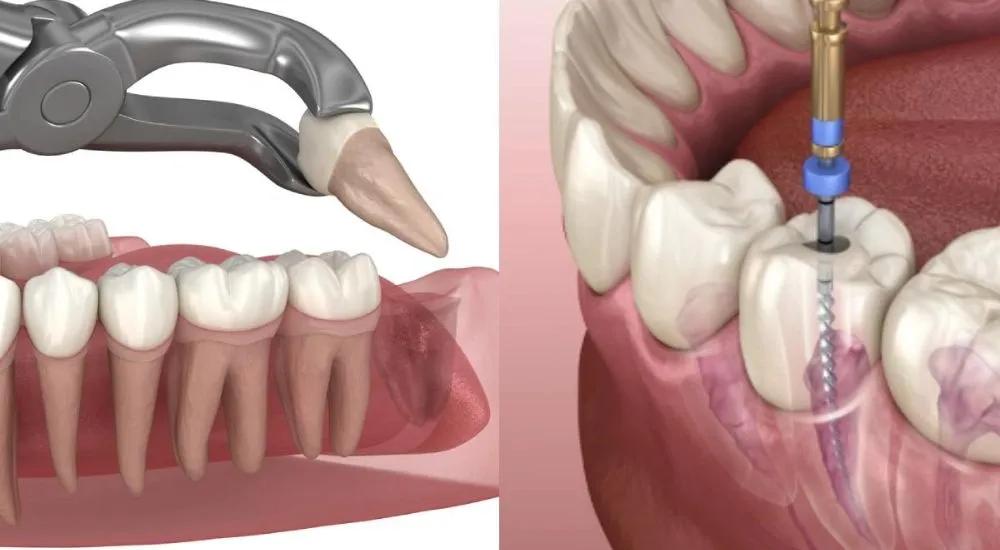
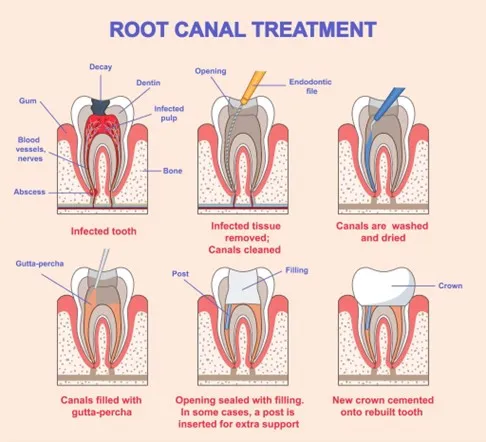
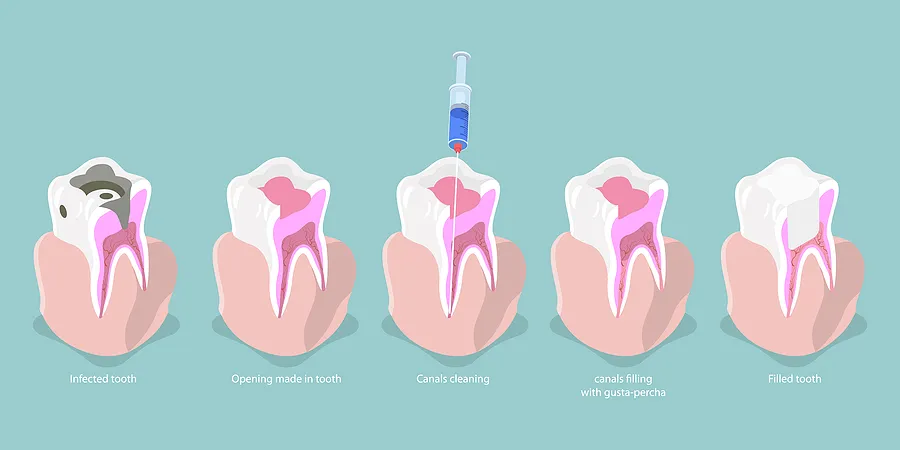
In Thailand, dental professionals often explain the process clearly before treatment. Root canal therapy involves removing infected pulp from the inside of the tooth, cleaning and disinfecting the canal, then sealing it to prevent further infection.
While the main source of pain – the infection – is removed during the procedure, your tooth and surrounding tissues still need time to heal. Mild tenderness, sensitivity, or discomfort for a few days afterward is common. This is perfectly normal, but how you care for your mouth in the days and weeks following the procedure can impact how quickly you recover.
## Immediate Care – The First 24 Hours
The first day after your root canal is the most crucial for avoiding complications. Dentists in Thailand often give the following advice:
- **Avoid chewing on the treated side** to prevent putting pressure on the tooth.
- **Follow prescribed medications strictly.** If your dentist gives antibiotics, take the full course, even if you start feeling better.
- **Pain management** with over-the-counter medication (like paracetamol, which is common in Thailand) can help ease discomfort.
- **Rest your mouth** – eat softer, lukewarm food like rice soup, boiled egg, or steamed vegetables. Avoid very hot, spicy, or sticky foods during this period.
## Caring for Your Tooth Until the Permanent Crown
After a root canal, most Thai dentists will place a temporary filling until a permanent crown or restorative work can be done. It’s important to treat your tooth with extra care during this transitional stage.
Avoid chewing hard foods such as crunchy fried pork or roasted peanuts on the treated side. This helps prevent cracking or damaging the temporary filling. If you’re enjoying Thai street food, choose softer options – grilled fish, steamed chicken, or curry with rice can be safer choices.
## Oral Hygiene for Recovery
Thailand’s dental professionals emphasise that keeping your mouth clean is essential after any dental treatment. Brush twice a day with a soft-bristled toothbrush to avoid irritating the treated tooth. Use gentle motions rather than hard scrubbing.
Floss carefully around the treated area, being mindful not to dislodge any temporary material. Antiseptic mouthwash, preferably alcohol-free, can help keep bacteria under control and give you fresher breath while healing.
## Managing Sensitivity and Discomfort
Some people worry if their tooth feels “different” after a root canal. This sensation is natural because th
e interior of the tooth has been changed. If mild soreness occurs, warm saltwater rinses – a common home remedy in Thailand – can help soothe the gums and promote healing.
However, avoid any self-treatment that hasn’t been advised by your dentist. If discomfort intensifies or swelling develops days after treatment, it’s important to return to the clinic promptly. In Thailand, many dentists encourage patients to contact them directly by phone or even chat apps for follow-up advice.
## What to Avoid During Recovery
Post-treatment recovery requires avoiding certain habits that might cause stress to the treated tooth:
- Biting hard tropical fruits like guava or sugarcane.
- Chewing ice, which is common in iced drinks served in local cafes.
- Smoking, as it can slow healing and increase infection risk.
- Consuming overly sweet, sticky desserts such as Thai toffee or banana sticky rice, until your dentist confirms the tooth is fully restored.
## Scheduling Follow-Up Appointments
After a root canal in Thailand, your dentist will normally schedule a follow-up appointment to check your progress and place a permanent crown or filling. This stage is crucial – the treated tooth can be more fragile without proper reinforcement.
Delaying the permanent restoration increases the risk of fracture, particularly if you frequently eat chewy or crispy snacks. Think of this follow-up as completing the treatment rather than an optional extra.
## Long-Term Care Tips for Your Restored Tooth
Once your tooth has been fully treated and crowned, your daily care routine should focus on preventing new infections and protecting all your teeth. A few useful habits include:
- Continue regular brushing and flossing.
- Visit your dentist every 6 months for a professional check-up – a common practice encouraged by clinics across Thailand.
- Pay attention to changes – if you feel unusual pain, looseness, or swelling around the crowned tooth, seek dental care promptly.
If you are living in Thailand or visiting long-term, building a relationship with a trusted dental clinic can make dental emergencies much easier to handle.
## The Benefit of Following Professional Advice in Thailand
Thailand is known for skilled dental professionals and modern treatment facilities. By following your dentist’s post-treatment instructions closely, you can enjoy a smooth recovery and avoid the risk of complications. Thai dentists often combine modern techniques with personalized, friendly care – so never hesitate to reach out if something doesn’t feel right.
Remember, root canal therapy not only saves a tooth but also protects overall oral health. Completing the process and looking after your tooth afterward ensures the investment you’ve made lasts for many years.
---
Recovering from a root canal treatment in Thailand doesn’t have to be stressful. With the right care, a little mindfulness about eating habits, and regular dental check-ins, you can get back to enjoying your favourite Thai dishes, travel plans, and daily life without worrying about tooth pain. Your healthy smile will be well worth the effort.