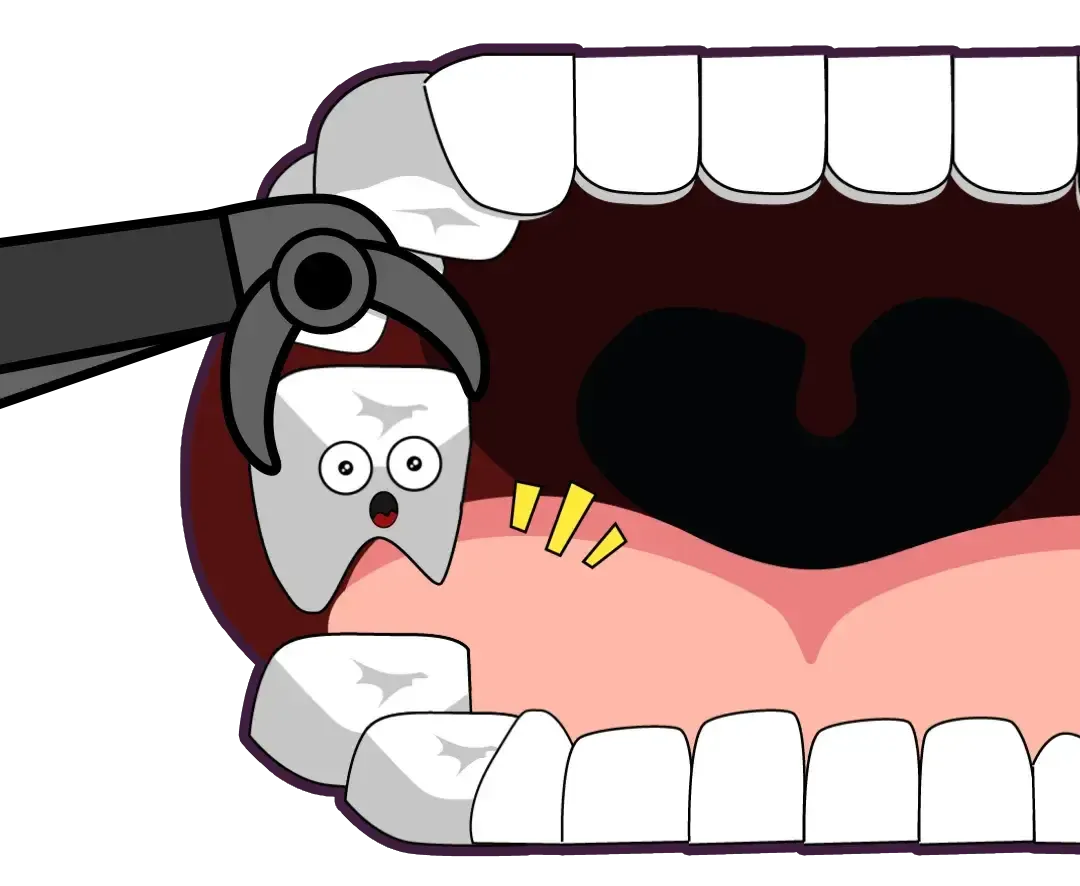
Thailand Root Canal for Gaps and Cavities
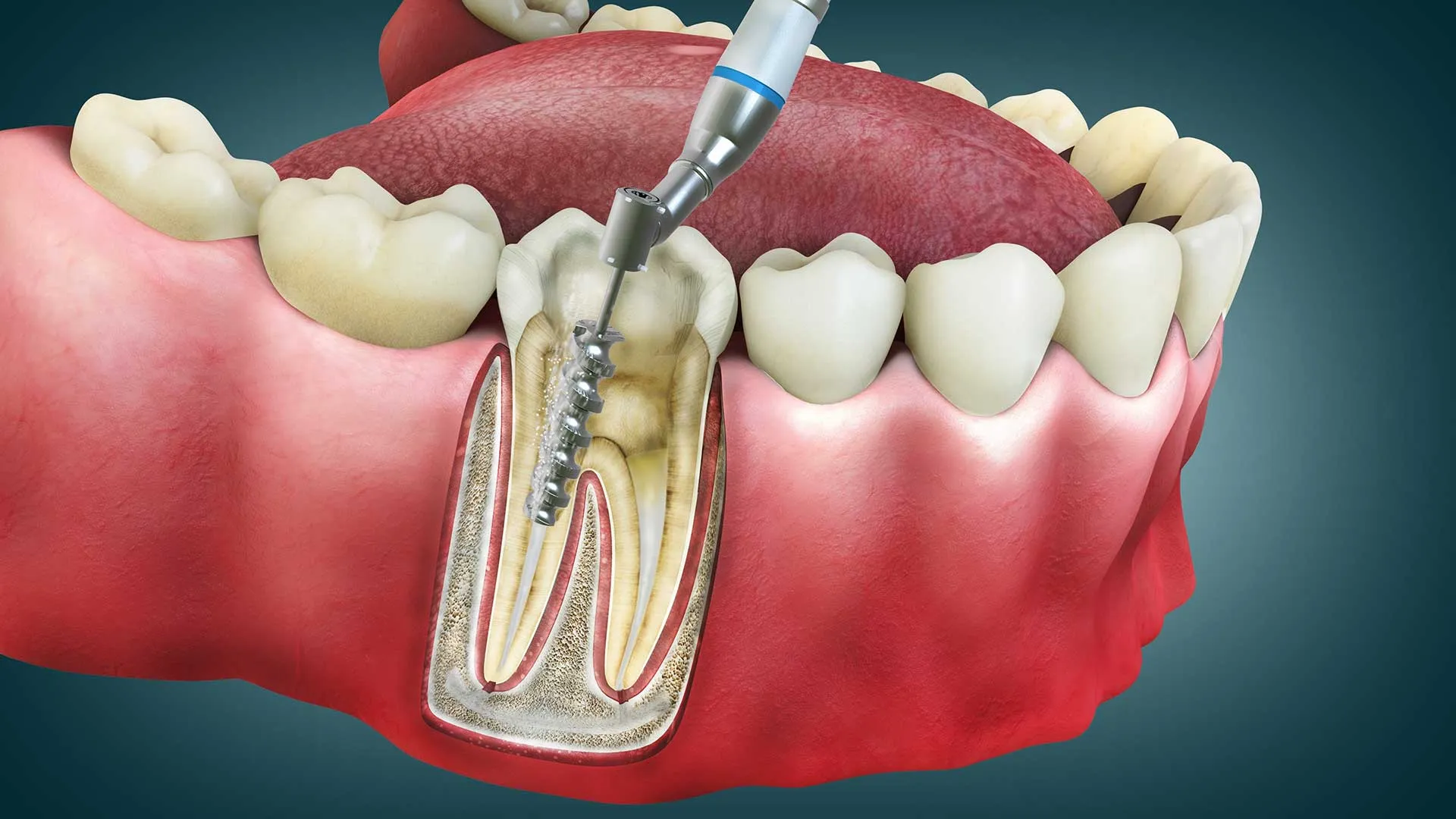
Thailand Root Canal for Gaps and Cavities
**Thailand Root Canal for Gaps and Cavities**
When it comes to dental care, Thailand has earned a strong reputation for combining modern technology, skilled professionals, and affordable prices. One treatment that often raises curiosity among both locals and international visitors is the root canal — especially when it’s discussed in relation to dental gaps and cavities. This procedure has helped countless patients relieve pain, save their natural teeth, and restore confidence in their smile.
In this article, we’ll look at how root canals work, why they may be recommended for cavities and gaps, and what makes Thailand a special place to receive this treatment. We’ll also explore practical tips for maintaining oral health after recovery, so you know exactly what to expect.
---
### Understanding Root Canal Treatment
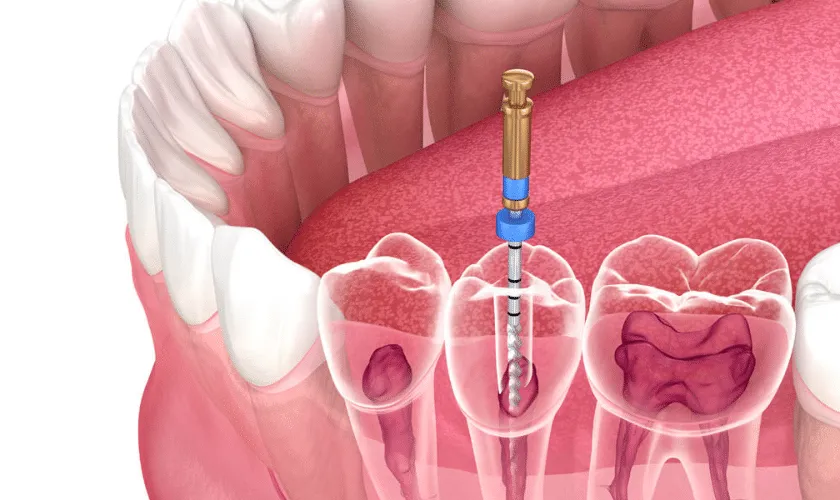
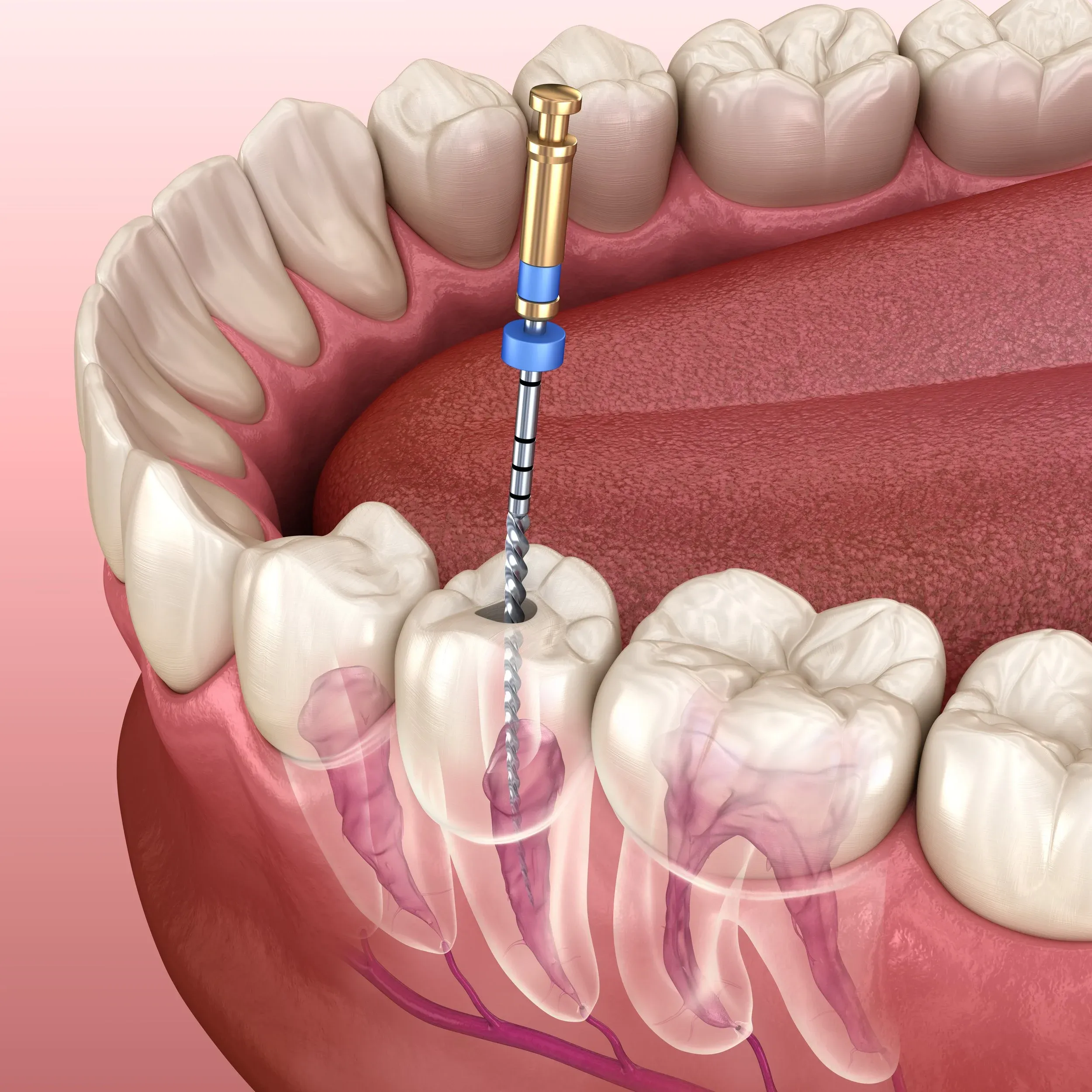
A root canal is a dental procedure designed to treat and save a tooth that has been badly damaged due to decay, infection, or injury. Inside each tooth is a soft tissue called the pulp, which contains nerves and blood vessels. If bacteria from a cavity or dental trauma reach this pulp, it can cause pain, swelling, and sensitivity.
The root canal procedure involves removing the infected or inflamed pulp, cleaning and shaping the inside of the tooth, and then filling and sealing it to prevent future problems. In Thailand, many dental clinics use advanced tools like digital X-rays and rotary instruments to make the process faster and more comfortable.
---
### When Gaps and Cavities Require Attention
Dental gaps can appear for different reasons — missing teeth, natural spacing, or shifting caused by gum problems. Cavities are a result of tooth decay, which often starts small but can spread if left untreated.
Sometimes, large cavities or untreated gaps allow food particles and bacteria to accumulate, leading to deeper decay that reaches the pulp. In these cases, a root canal might be the recommended solution to save the tooth before the damage becomes irreversible. For example:
- **Severe cavity between teeth**: Decay spreads quickly through side contact areas, making routine fillings ineffective.
- **Old dental gaps with drifting teeth**: Gaps can create hard-to-clean areas, leading to hidden decay.
- **Injury-related gaps**: Cracked or broken teeth can expose pulp tissue to infection.
In Thailand, dentists often perform careful examinations using intraoral cameras so patients can see exactly why a root canal is necessary. This transparency helps patients understand the importance of treatment and create trust with their dental provider.
---
### Advantages of Root Canal Treatment in Thailand
One reason root canal procedures in Thailand attract attention is the combination of high-quality service and reasonable cost. Compared to many Western countries, the fees can be significantly lower, without compromising on quality standards.
**Key benefits include:**
1. **Experienced dentists** – Many Thai dental professionals have trained internationally and stay updated with global techniques.
2. **Modern equipment** – Clinics in cities like Bangkok, Chiang Mai, and Phuket use advanced endodontic tools that ensure precis
e results.
3. **Comfort-focused care** – Pain management and gentle approaches are a priority, with options such as local anesthesia and sedation when needed.
4. **Flexible scheduling** – Thailand’s dental tourism industry understands the needs of travelers, offering quick appointments and treatment plans that fit tight schedules.
---
### What to Expect During the Procedure
A root canal in Thailand typically involves the following steps:
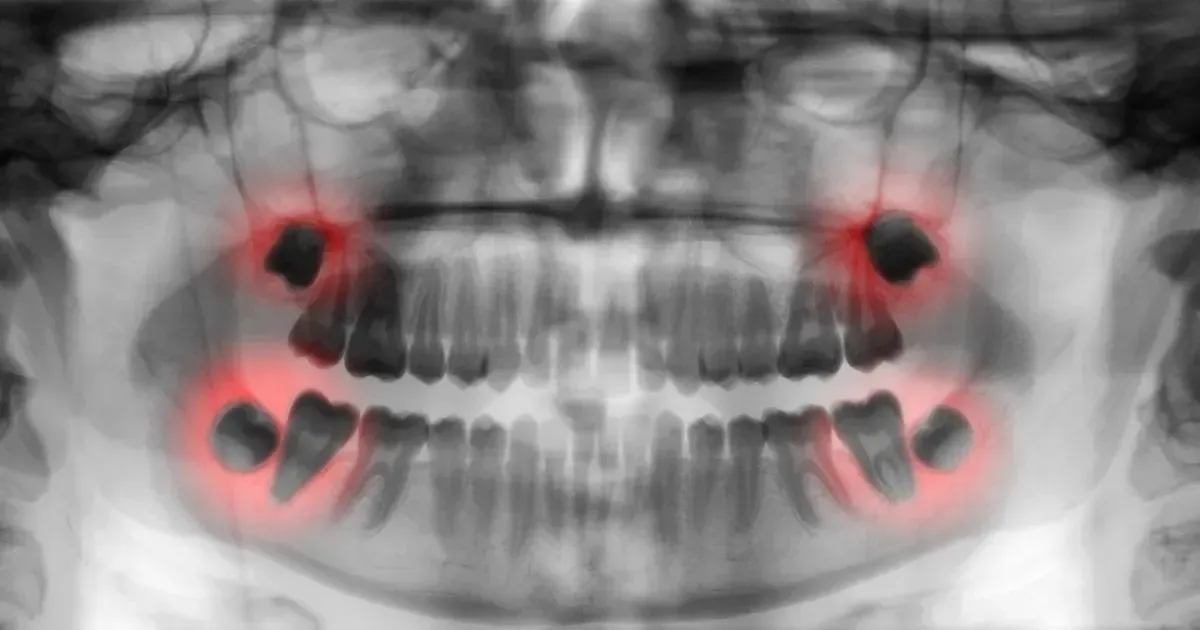
1. **Consultation and diagnosis** – Your dentist will examine the tooth, take X-rays, and explain the treatment plan.
2. **Local anesthesia** – The area is numbed so you feel minimal discomfort during the procedure.
3. **Pulp removal and cleaning** – The infected pulp is removed, and the tooth interior is cleaned thoroughly.
4. **Shaping and filling** – Special materials are used to fill and seal the tooth, preventing future infection.
5. **Restoration** – Depending on the tooth’s strength, a crown or filling may be placed to protect it long term.
Most patients finish the treatment in one to two visits, although complex cases might require more time.
---
### Recovery and Aftercare Tips
The healing process after a root canal is usually straightforward, but paying attention to aftercare ensures the best results. In Thailand, dentists often advise:
- Avoid biting hard foods on the treated tooth for a few days.
- Brush and floss gently, focusing on cleanliness without irritating the gums.
- Use mild mouthwash if recommended, to keep bacterial growth under control.
- Attend follow-up appointments to check the tooth’s condition and ensure proper healing.
Pain or swelling after a root canal is uncommon if instructions are followed, but any unusual symptoms should be reported to the clinic promptly.
---
### Preventing Future Cavities and Gaps
While root canals can save a damaged tooth, prevention is always better. Developing healthy habits can reduce the chance of future gaps and cavities. In Thai everyday life, this means:
- Limiting sugary snacks, especially sticky Thai sweets such as khanom kanom chan, which can cling to teeth.
- Drinking plenty of water to wash away food particles, particularly after enjoying street food.
- Scheduling regular dental check-ups — many Thai people have annual visits, making preventive care part of their routine.
- Wearing a mouthguard if you play sports or ride motorbikes, reducing the risk of injury-related gaps.
---
### Final Thoughts
Root canal treatment for gaps and cavities may sound intimidating at first, but in Thailand, it is a safe, effective, and often surprisingly comfortable experience. The country’s blend of skilled dentists, advanced technology, and patient-centered care makes it an attractive option for locals and dental tourists alike.
By acting early when cavities or gap-related problems appear, you can protect your teeth, preserve your smile, and avoid more complicated procedures later on. Whether you live in Bangkok, stay by the beaches in Phuket, or travel through Chiang Mai, access to quality root canal treatment is never far away. After all, a healthy smile is one of the best souvenirs you can take home from Thailand.