Thailand Root Canal CT Scan Requirements
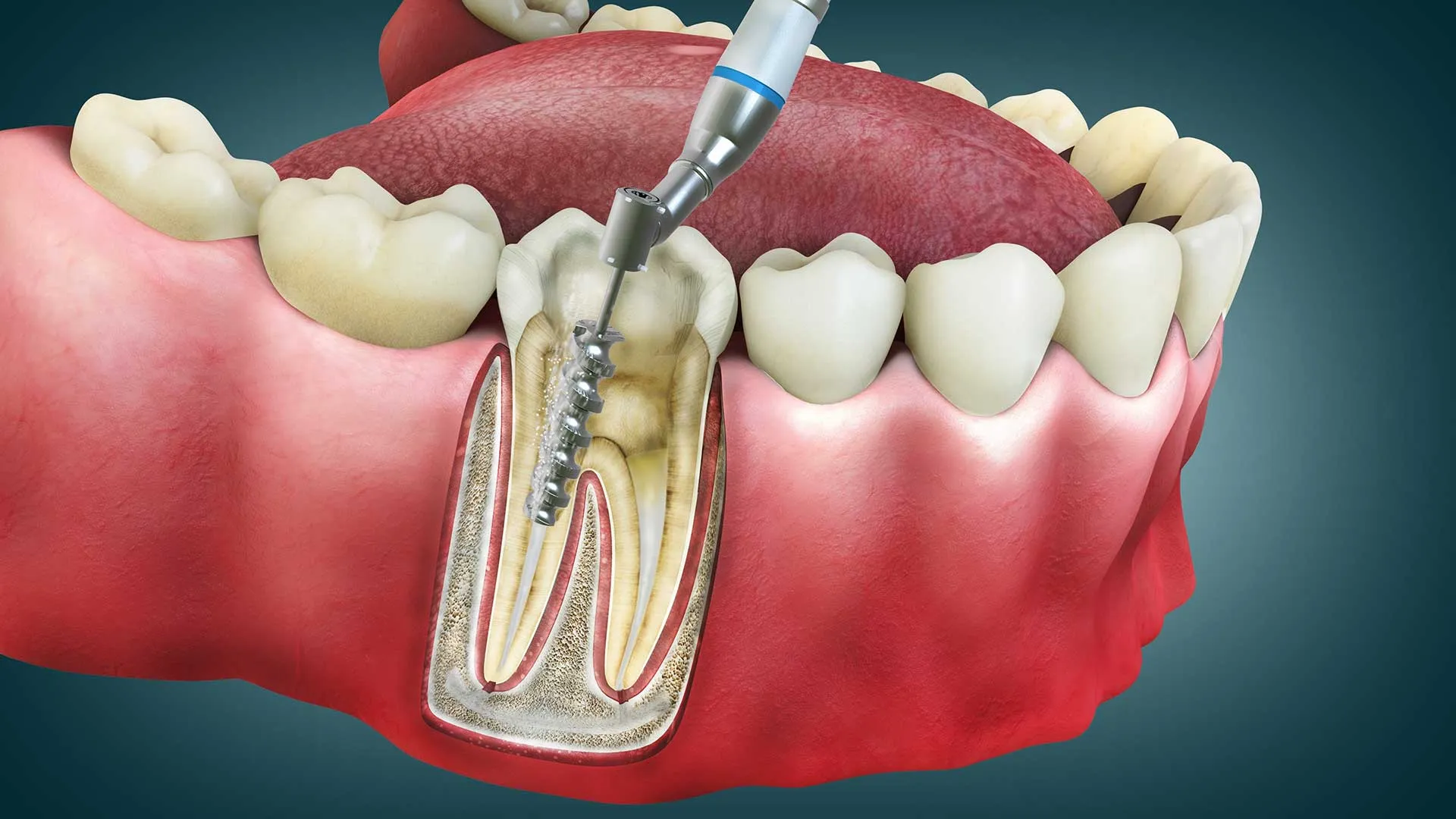
Thailand Root Canal CT Scan Requirements
**Thailand Root Canal CT Scan Requirements**
If you’re planning to have a root canal in Thailand, you might be surprised to learn that in some cases, a CT scan—often referred to as a cone beam CT or CBCT—is recommended before the procedure. While traditional X‑rays are still common, dental technology in Thailand has advanced so much that many clinics now use 3D scans to ensure precise diagnosis and treatment planning. Understanding the requirements for a root canal CT scan can help you prepare both mentally and financially, and make your dental visit more comfortable.
---
### Why a CT Scan for Root Canal in Thailand?
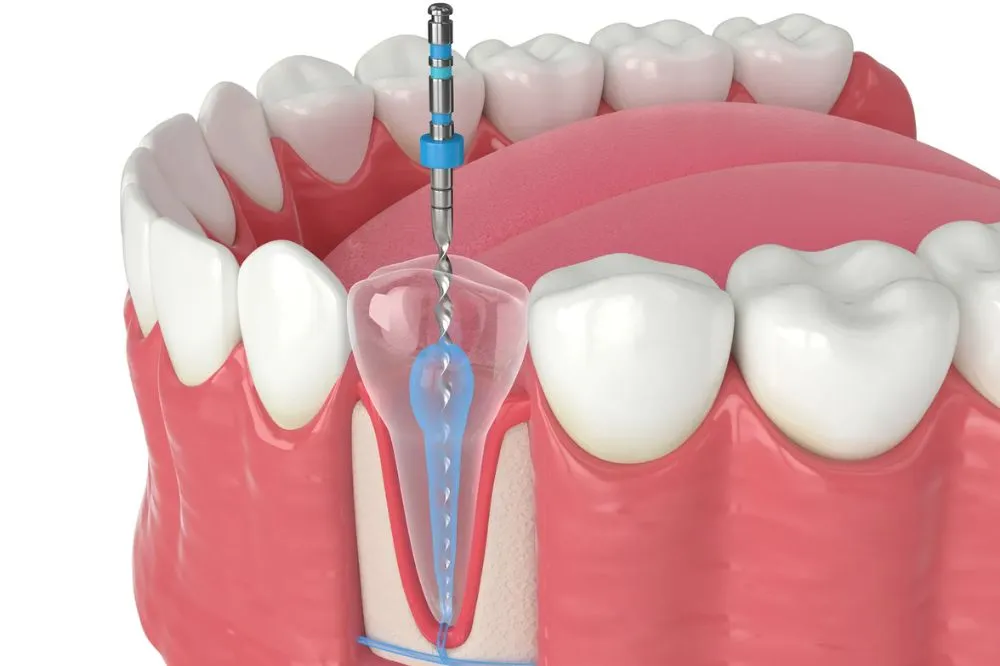
In a standard dental check‑up, your dentist usually relies on bite‑wing or periapical X‑rays to examine the teeth. However, a damaged or infected tooth that requires root canal treatment can have complex internal structures or hidden canals that might not be visible in 2D images.
A CT scan creates a detailed three‑dimensional image of the tooth, surrounding bone, and nerve pathways. This helps the dentist in Thailand see exactly where infection is spreading, identify any unusual root shapes, and plan the treatment without guesswork. It’s especially useful for:
- **Teeth with previous failed root canal work**
- **Molars with multiple roots and canals**
- **Identifying cracks or hidden infections**
- **Assessing bone density before treatment**
Thailand’s modern dental clinics, particularly in Bangkok, Chiang Mai, and Phuket, often have in‑house CBCT machines, meaning you don’t need to go to a separate radiology center.
---
### When Is a CT Scan Required?
Not every root canal patient in Thailand will need a CT scan. The decision is usually based on clinical judgment. Dentists here typically recommend it when:
1. **Complex anatomy is suspected** – Some Thai patients have roots with unusual curvature, and a 3D scan clarifies the path for instruments.
2. **Persistent pain after previous treatment** – The scan can reveal missed canals or residual infection.
3. **Infection spread beyond the tooth** – In cases where swelling indicates bone involvement, CBCT images guide precise treatment.
4. **Pre‑surgical planning** – If the root canal requires apicoectomy (minor surgery at the tip of the root), CBCT helps map surgical entry points.
---
### Thailand-Specific Dental Practices
In Thailand, dental care is well‑regulated, and private clinics often follow both local and international standards. While the Ministry of Public Health doesn’t mandate CT scans for every root canal, many dentists adopt advanced imaging to meet patient expectations, especially among international visitors seeking dental tourism.
You’ll also find that Thai dental teams tend to explain procedures clearly in both Thai and English, so patients can make informed decisions. Some clinics provide printed CT scan reports together with the image files on a USB drive, which is very convenient if you want to keep records or consult another dentist later.
---
### Cost of a Root Canal CT Scan in Thailand
Prices can vary depending on the city, clinic reputation, and whether you’re in a private or hospital‑based dental department. As of recent averages:
- **Bangkok premium clinics**: 2,000–3,500 THB per scan
- **Provincial private clinics**: 1,500–2,500 THB per scan
- **Hospital dental departments**: 1,200–2,000 THB
per scan
For dental tourists, these rates are still much lower compared to many Western countries. Some clinics include the scan in a “root canal package” price, so it’s worth asking when you book an appointment.
---
### What to Expect During the CT Scan Procedure
A dental CT scan in Thailand is quick and painless. Here’s how it usually goes:
1. **Preparation** – You’ll be asked to remove any metallic objects around your head, such as earrings, glasses, or hairpins.
2. **Positioning** – You’ll stand or sit in the CBCT machine and bite lightly on a small plastic piece to keep your jaw steady.
3. **Scanning** – The scanner rotates around your head for less than a minute. It uses low‑dose radiation, which is considered safe for adults.
4. **Image Review** – Within minutes, the dentist gets a high‑resolution 3D image to analyze.
The whole process takes around 10–15 minutes including setup, and there’s no discomfort involved.
---
### Benefits of Having a CT Scan Before Root Canal
Undergoing a root canal CT scan in Thailand offers several advantages:
- **Higher treatment success rates** – The dentist can see the exact shape and location of canals, reducing risk of missed infection.
- **Minimized surprises** – Complex cases are identified beforehand, which can save multiple visits.
- **Better patient confidence** – Clear images help you understand what’s happening in your tooth.
- **Enhanced safety** – Mapping anatomy reduces the risk of damaging nearby nerves or sinus cavities.
---
### How to Choose the Right Clinic in Thailand
If you think you might need a root canal and CT scan, take time to research your options. Look for:
- **Dentists with endodontic specialization** – In Thailand, many root canals are done by general dentists, but endodontists have extra training.
- **Up‑to‑date equipment** – Modern CBCT machines produce sharper images with lower radiation exposure.
- **Transparent pricing** – Clinics that post prices online or give clear quotes tend to provide better patient experience.
- **English communication ability** – Especially important for foreign patients to avoid misunderstandings.
Reading patient reviews on Thai forums or popular dental tourism websites can also guide your choice.
---
### Preparing for Your Appointment
Once you book your root canal in Thailand, ask if the dentist anticipates needing a CT scan. If yes, confirm:
- The cost and whether it’s included in your treatment plan
- Whether the scan will be done on‑site
- If your dental insurance covers imaging abroad
Bring any past dental X‑rays or records; they can help the dentist decide on the necessity and scope of imaging.
---
### Final Thoughts
Thailand’s dental care system blends warmth, hospitality, and modern technology, making it a trusted destination for root canal treatments. While CT scans are not mandatory for every patient, they are increasingly recommended for complex cases, ensuring that your treatment is accurate and effective.
By understanding the root canal CT scan requirements, costs, and process in Thailand, you can approach your dental visit with confidence, knowing you’re receiving world‑class care tailored to your specific needs. Whether you’re a local resident or visiting for dental tourism, being informed helps you get the best possible outcome—and a healthier smile.