Thailand Root Canal Permanent Filling Options
Thailand Root Canal Permanent Filling Options
**Thailand Root Canal Permanent Filling Options**
When it comes to dental treatments in Thailand, root canal therapy is a common procedure offered in both local clinics and international-standard dental hospitals. Whether you live in Bangkok, Chiang Mai, Phuket, or Pattaya, you’ll find that dentists are well-equipped to handle root canal cases with modern techniques. One key stage in the process, often overlooked by patients, is the permanent filling placed after the root canal is completed. Understanding your options for permanent filling in Thailand can help you make an informed decision that suits both your budget and long-term dental health.
---
### Why Permanent Filling Matters After a Root Canal
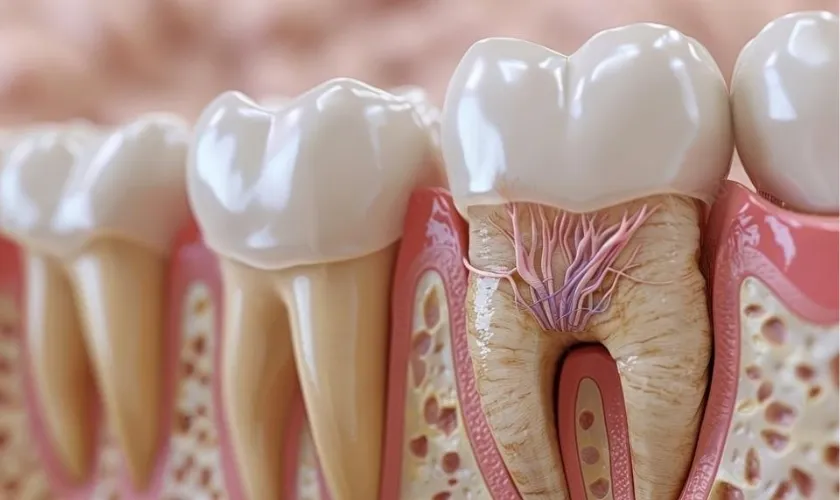
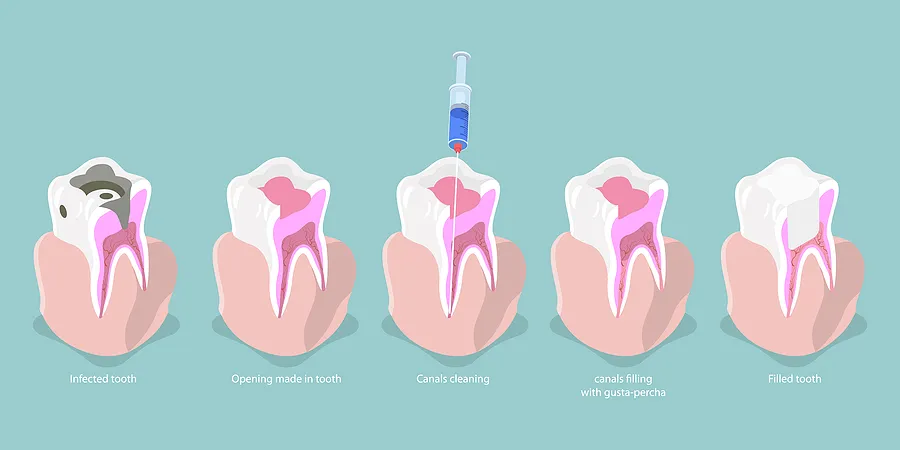
A root canal involves removing infected or damaged pulp tissue from inside your tooth. Once that’s done, the tooth has an empty chamber that needs to be completely sealed to prevent bacteria from re-entering. If the tooth is left open or only temporarily sealed, you risk another infection, which could be more complicated to treat. The permanent filling is not just a cosmetic fix—it’s a critical part of the treatment that contributes to the strength and function of the tooth.
In Thailand, dentists typically recommend placing the permanent filling soon after the root canal procedure. This ensures the tooth remains stable and protected, whether you choose a filling material directly or opt for a crown for extra durability.
---
### Common Permanent Filling Materials in Thailand
Depending on your specific case and the clinic’s recommendations, you can choose from several types of permanent fillings. Here are the most common options you will encounter in Thai dental practices:
**1. Composite Resin Fillings**
Composite resin is popular for front teeth and visible areas because it blends naturally with your tooth color. In Thailand, composite fillings are widely available and relatively affordable in urban clinics. Dentists here are skilled at shaping and polishing resin so it matches your bite and aesthetics. This type is ideal if you care about a natural-looking finish but may wear down faster under heavy chewing compared to stronger materials.
**2. Amalgam Fillings**
Amalgam fillings, made from a mix of metals including silver, are known for their durability. While some younger patients may prefer tooth-colored options, amalgam is still widely used for molars in Thailand because it can withstand significant chewing pressure. It’s also more budget-friendly, which makes it appealing for those looking for a long-term solution without high costs.
**3. Glass Ionomer Fillings**
Glass ionomer is a versatile material that bonds well to the tooth structure and releases fluoride, helping prevent future decay. In Thailand, dentists often use it for patients with high cavity risk or where minimal drilling is preferred. While not as strong as resin or amalgam, it offers added protection for certain dental situations.
**4. Ceramic Fillings (Porcelain)**
For those seeking both aesthetics and strength, ceramic fillings are a premium choice. They are custom-made to fit your tooth and are highly resistant to staining. In Thailand’s upscale dental clinics, ceramic fillings are recommended for patients who want a long-lasting and natural-looking restoration, though they tend to be more expensive and may require more than one visit to place.
---
### The Optio
n of a Dental Crown After a Root Canal
Often in Thailand, especially for molars or heavily damaged teeth, dentists may recommend placing a dental crown after the root canal instead of just a filling. Crowns completely cover the tooth, adding extra protection from fractures. You can choose from metal-ceramic crowns, all-ceramic crowns, or zirconia crowns depending on your preference and budget. Crowns are usually offered as part of a package deal in many dental hospitals, which can make it easier to plan financially.
---
### Cost and Insurance Considerations in Thailand
The price of a permanent filling after a root canal in Thailand varies depending on the clinic’s location, the dentist’s expertise, and the material chosen. In Bangkok’s international clinics, composite fillings might range from THB 1,500 to THB 3,000 per tooth, while ceramic or porcelain restorations can cost several times more. In provincial clinics or government hospitals, prices are generally lower.
If you have dental insurance in Thailand, some plans cover a portion of restorative treatments, but coverage for premium materials like ceramic may be limited. Always check your policy details before starting treatment.
---
### Choosing the Right Option for You
Making the right choice comes down to a few practical considerations:
- **Durability Needs** – If the tooth is in a high-chewing-pressure area, stronger materials or a crown may be worth the investment.
- **Aesthetic Priorities** – For front teeth or areas visible when smiling, tooth-colored resin or ceramic is usually best.
- **Budget** – Be realistic about what you can spend. Even in Thailand, higher-quality materials come with higher costs.
- **Future Maintenance** – Consider how often the filling may need replacement. Some materials last longer, which could mean fewer visits in the future.
---
### What to Expect During the Permanent Filling Appointment
In most Thai dental clinics, the permanent filling procedure happens shortly after the root canal is finished—sometimes on the same day. The dentist will clean out any temporary material, prepare the tooth, and then carefully place and shape the permanent filling to match your bite. After curing or setting the material, they will polish it to ensure smoothness. Patients can usually eat normally within a few hours, although dentists often suggest avoiding hard foods for the rest of the day.
---
### Final Thoughts
Thailand offers excellent dental care standards, with modern equipment and skilled practitioners who can guide you through each step of a root canal and permanent filling. Whether you prefer a practical, budget-friendly solution or a premium restoration for long-term aesthetics, the options here can meet diverse needs. By understanding the different permanent filling materials, their benefits, and their price ranges, you can walk into your next dental appointment feeling confident that you’re making the right choice for your smile.
If you take the time to discuss with your dentist and weigh your options carefully, you’ll find that quality dental care in Thailand is not only accessible but also tailored to suit different lifestyles—from busy Bangkok professionals to retirees enjoying the beaches of the south. Your choice of permanent filling after a root canal is an important step toward maintaining both the function and beauty of your teeth—so make it wisely.