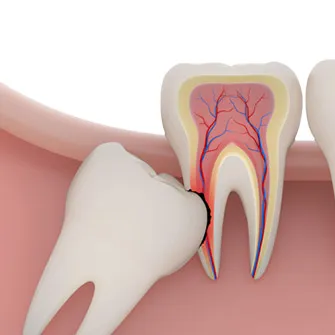
Thailand Root Canal for Heavily Filled Teeth
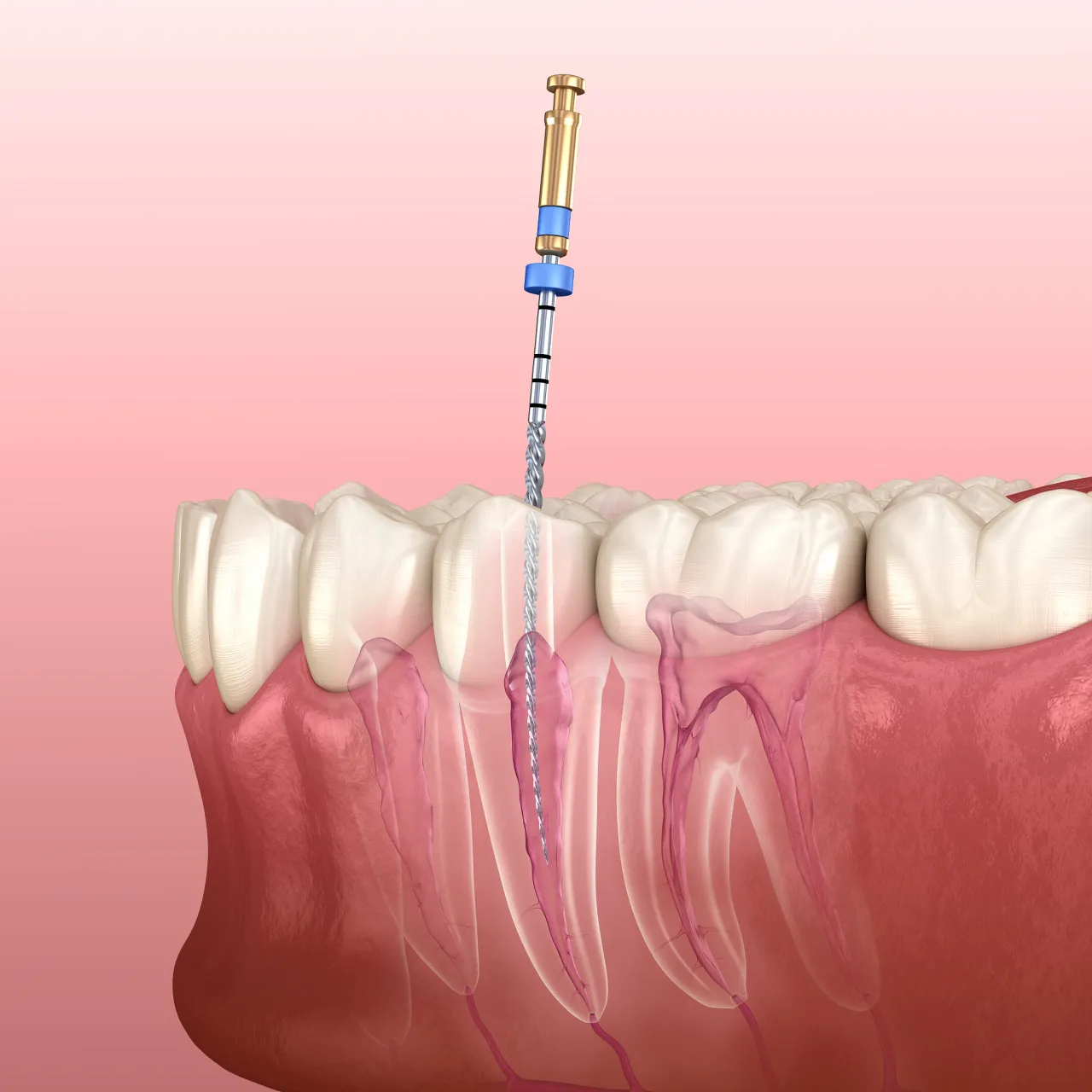
Thailand Root Canal for Heavily Filled Teeth
**Thailand Root Canal for Heavily Filled Teeth**
When it comes to dental care, Thailand has long built a strong reputation for offering high-quality treatments at affordable prices. Many travellers and local residents alike choose Thailand not only for routine check-ups, but also for more complex procedures such as root canal treatment — especially when a tooth has been heavily filled. If you’ve had a tooth with multiple fillings or a large restoration that’s now causing discomfort, you might be wondering whether a root canal is the next step. Let’s explore what this procedure involves, why it’s often necessary for heavily filled teeth, and what makes Thailand a preferred destination for such dental care.
### Understanding Heavily Filled Teeth
A heavily filled tooth is one that has undergone more than one filling over time, often due to recurring cavities or damage. In many cases, the natural tooth structure has been significantly reduced, leaving only a portion of the original enamel and dentin supporting the restoration. This situation can make the tooth more vulnerable to infection, cracks, or sensitivity. While a filling can temporarily restore function, it may not completely prevent deep decay or nerve irritation if the tooth’s pulp becomes exposed or inflamed.
In Thailand, dentists often refer to such cases as “old fillings with deep decay” or “large fillings close to the nerve.” These are warning signs that a tooth might require more than just another filling to stay healthy.
### Why a Root Canal May Be Necessary
When a heavily filled tooth starts to ache, the cause is usually related to inflammation or infection in the pulp — the soft tissue inside the tooth containing nerves and blood vessels. Infections can spread from untreated decay under a filling or from cracks that allow bacteria inside. If left untreated, the problem can lead to severe pain, swelling, or even abscess formation.
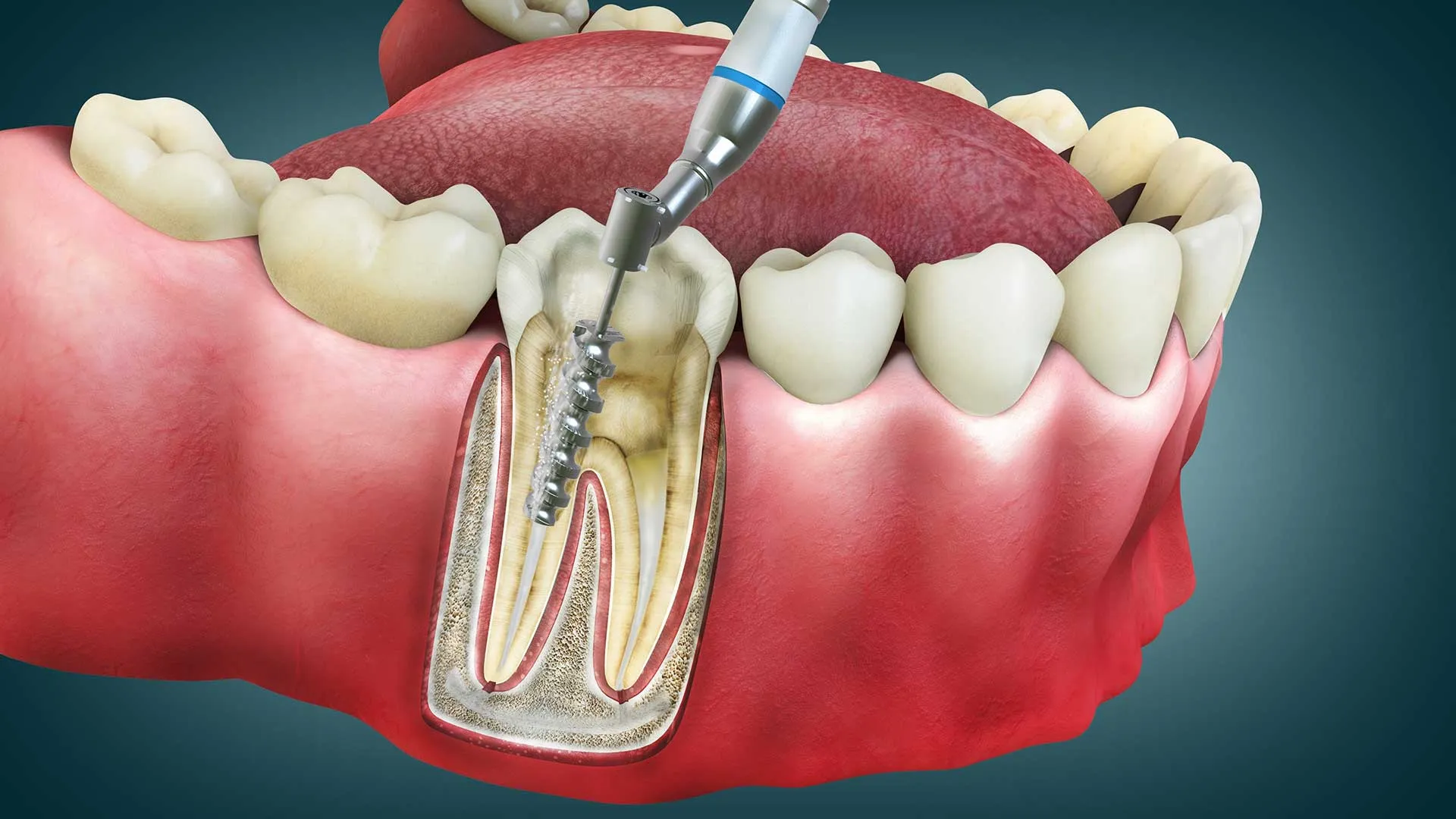
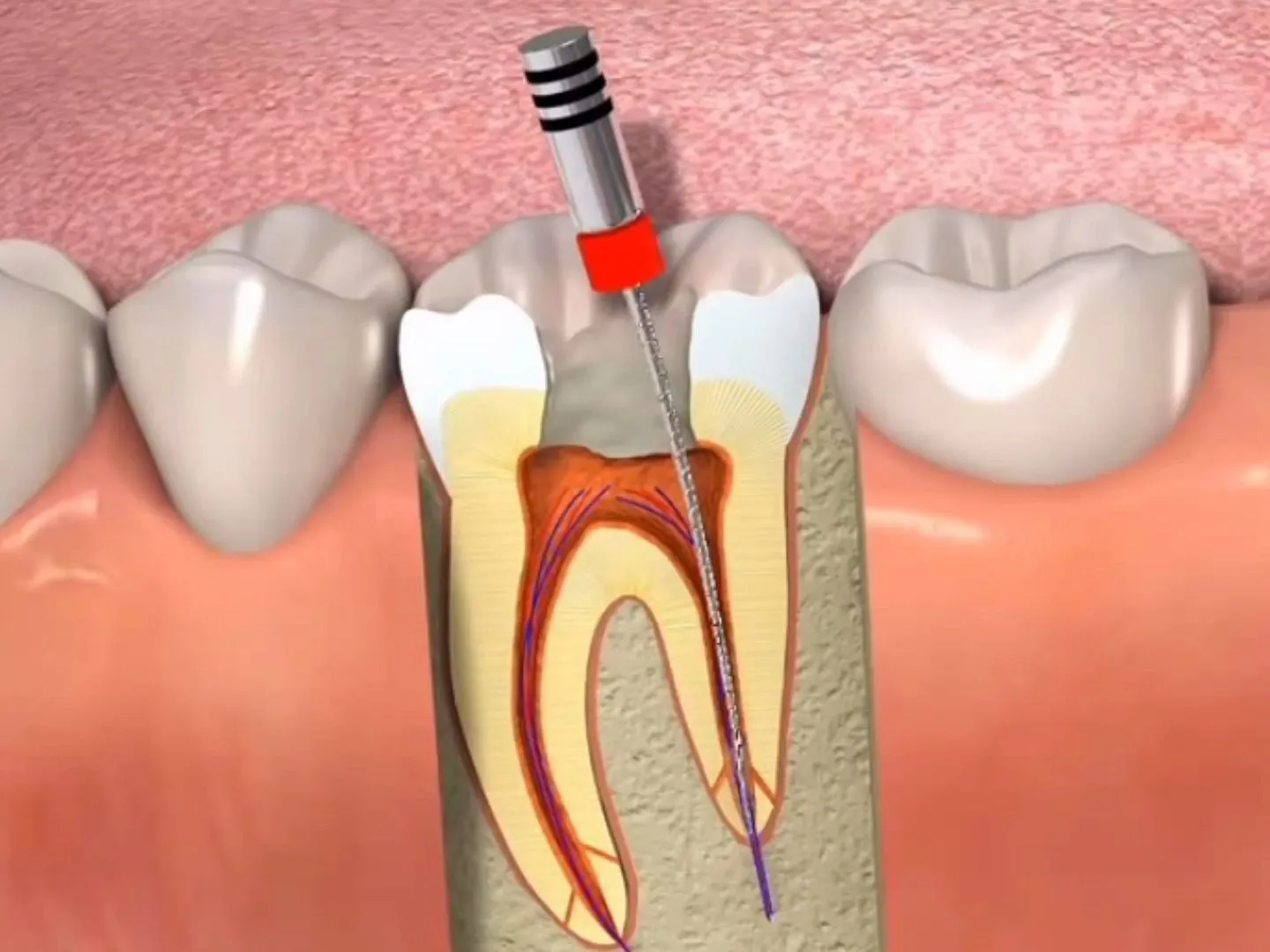
A root canal treatment involves removing the infected or damaged pulp, cleaning and disinfecting the inside of the tooth, then sealing it to prevent future issues. For heavily filled teeth, root canal therapy is often the final step that saves the tooth from extraction.
In Thailand, dentists generally recommend a root canal when:
- Pain persists despite taking painkillers or antibiotics.
- X-rays show deep decay reaching the pulp.
- The tooth has a history of repeated fillings and cracks.
- A crown is planned to restore the tooth’s strength after pulp removal.
### The Root Canal Process in Thailand
One of the advantages of getting a root canal in Thailand is the combination of advanced technology and a patient-friendly atmosphere. Dental clinics in cities like Bangkok, Chiang Mai, and Phuket often invest in digital X-rays, rotary instruments, and microscope-assisted treatments to ensure precision.
The typical process includes:
1. **Diagnosis and Consultation** – The dentist will examine the tooth, take X-rays, and explain the co
ndition clearly. It’s common in Thailand for dentists to spend time discussing different treatment options, so you can feel confident in your decision.
2. **Local Anaesthesia** – Modern anaesthetic techniques here are usually very gentle, making sure you stay comfortable throughout.
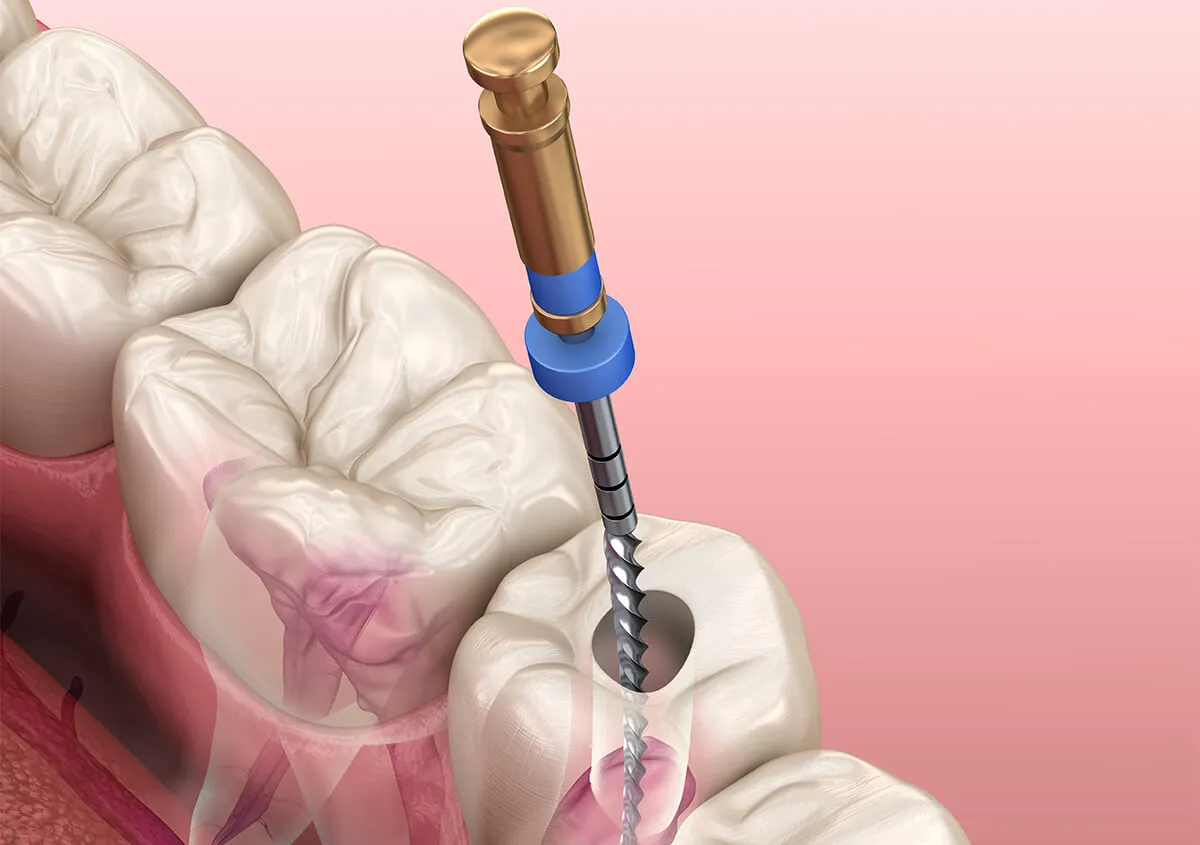
3. **Pulp Removal** – Using specialised tools, the dentist removes the infected pulp and thoroughly cleans the canals.
4. **Disinfection and Shaping** – Antibacterial solutions are applied to kill any germs and shape the canal for filling.
5. **Sealing the Canals** – A biocompatible material is used to fill the cleaned canals, preventing reinfection.
6. **Restoration** – After a root canal, heavily filled teeth often need a dental crown to restore strength and function. Thai dentists may offer a range of crown materials, from porcelain fused to metal to full zirconia, depending on budget and preference.
### Benefits of Choosing Thailand for Your Root Canal
Thailand’s dental care is known for delivering excellent results at competitive prices compared to many Western countries.
**Key advantages include:**
- **Affordability** – Even with high-quality materials and experienced specialists, root canal costs here are generally lower than in Europe, Australia, or the US.
- **Expertise** – Many Thai dentists have international training and certifications, combining global knowledge with local experience.
- **Comfortable Experience** – Clinics often emphasise hospitality, with friendly staff and relaxing environments that ease dental anxiety.
- **Easy Access for Visitors** – If you’re coming from abroad, major cities and tourist hubs have English-speaking dentists who understand the needs of international patients.
### Aftercare and Longevity
A root canal for a heavily filled tooth can last for many years if proper aftercare is followed. In Thailand, dentists usually advise:
- Avoid chewing hard foods on the treated tooth until the permanent crown is fitted.
- Maintain good oral hygiene — brushing, flossing, and regular check-ups every six months.
- Consider wearing a night guard if you grind your teeth, as this can damage crowns and fillings.
By protecting your restored tooth, you can enjoy years of pain-free function and a confident smile.
### Final Thoughts
Root canal treatment in Thailand for heavily filled teeth is not just about saving your tooth — it’s about ensuring long-term dental health with professional care at a reasonable cost. Whether you’re a local resident or visiting as part of a dental tourism trip, you’ll find modern clinics, caring dentists, and accessible services that make the process smooth from consultation to completion.
If you’re starting to feel discomfort in a tooth with a large or old filling, don’t wait until the pain becomes unbearable. With timely root canal treatment in Thailand, you can preserve your tooth and restore your peace of mind — proving that quality dental care here is truly worth smiling about.