Thailand Root Canal for Lower Jaw Teeth
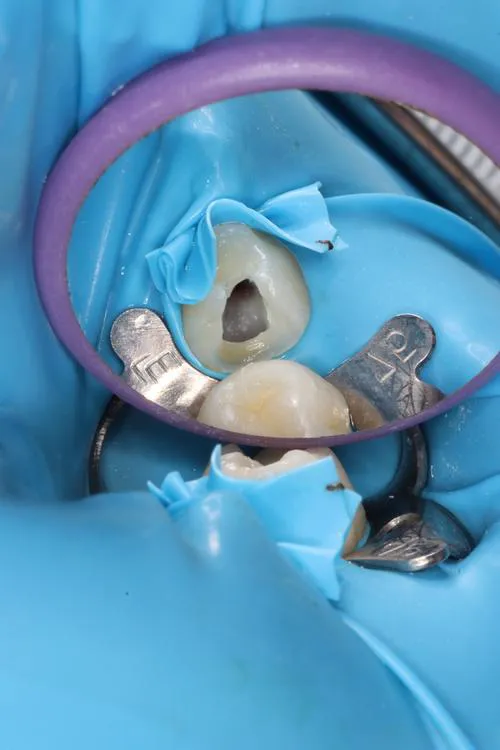
Thailand Root Canal for Lower Jaw Teeth
**Thailand Root Canal for Lower Jaw Teeth**
When it comes to dental care in Thailand, root canal treatment for lower jaw teeth is one of the most commonly discussed procedures among locals and expats alike. Whether you’re staying in Bangkok, Phuket, Chiang Mai, or a smaller town, Thai dental clinics are known for offering professional, affordable, and comfortable services. If you are experiencing pain or infection in a lower jaw tooth, understanding what a root canal involves—and why Thailand is a popular destination for it—will help you make the right decision for your oral health.
---
**Why a Root Canal Might Be Needed for Lower Jaw Teeth**
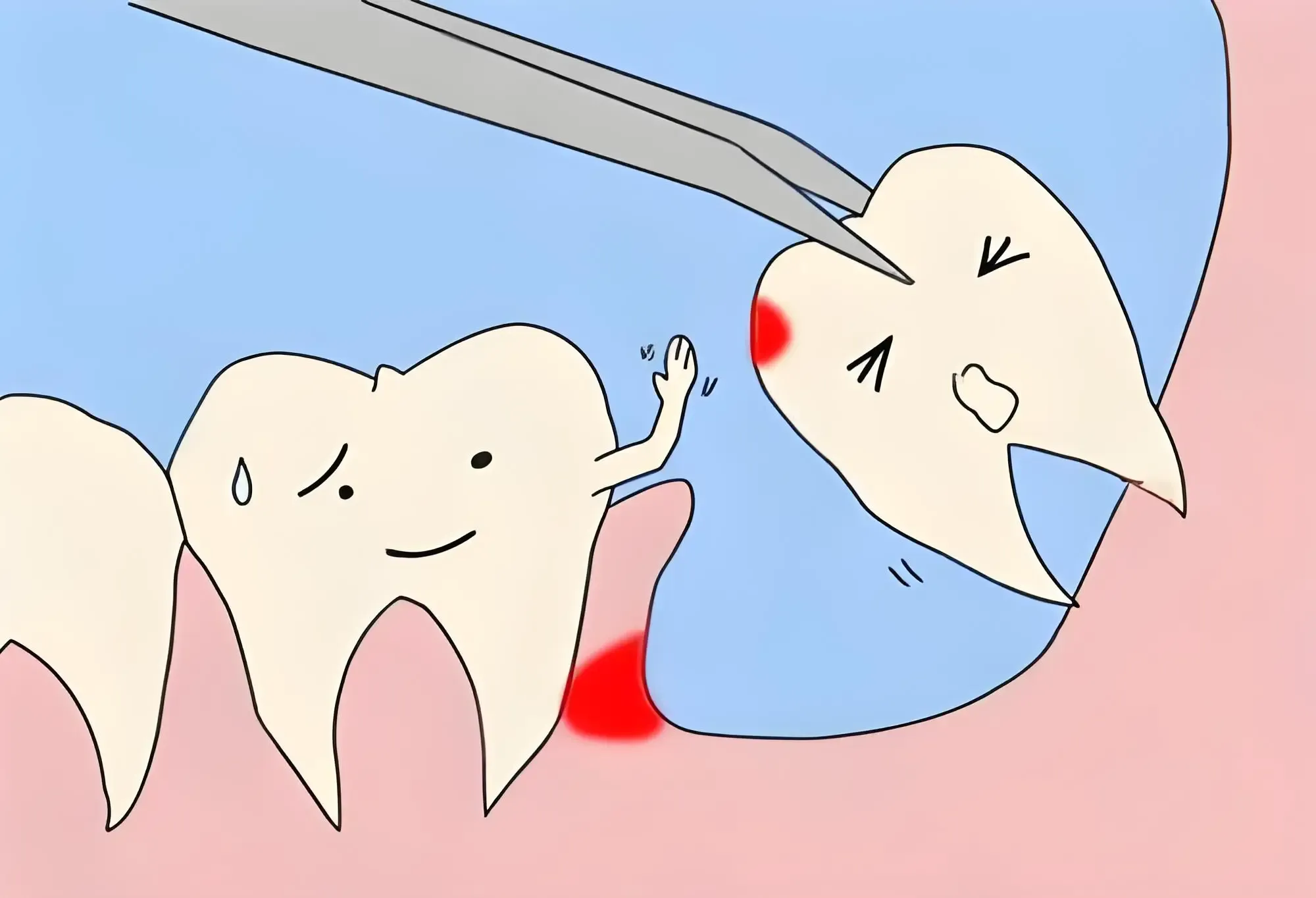
Lower jaw teeth, especially molars, tend to be more prone to problems like decay, cracks, or chronic infection because they handle most of the heavy chewing. In many cases, patients develop severe toothaches, swelling, or sensitivity to hot and cold foods. This is often due to damage or infection reaching the tooth’s pulp—the inner layer containing nerves and blood vessels.
A root canal is designed to save the tooth by removing the infected pulp, cleaning the inside thoroughly, and sealing it to prevent future issues. Without treatment, the infection could spread to surrounding areas, potentially leading to jawbone damage or even systemic health problems. In Thailand, dentists emphasize the importance of quick intervention, as early treatment usually means less discomfort and a higher chance of success.
---
**The Process of Root Canal Treatment in Thailand**
In a Thai dental clinic, the procedure typically follows a few key steps:
1. **Examination and X-ray**
Before anything else, the dentist will examine your lower jaw tooth and take X-rays to assess the extent of the damage and infection. Thai clinics often use modern imaging equipment, making the process quick and clear for both dentist and patient.
2. **Local Anesthesia**
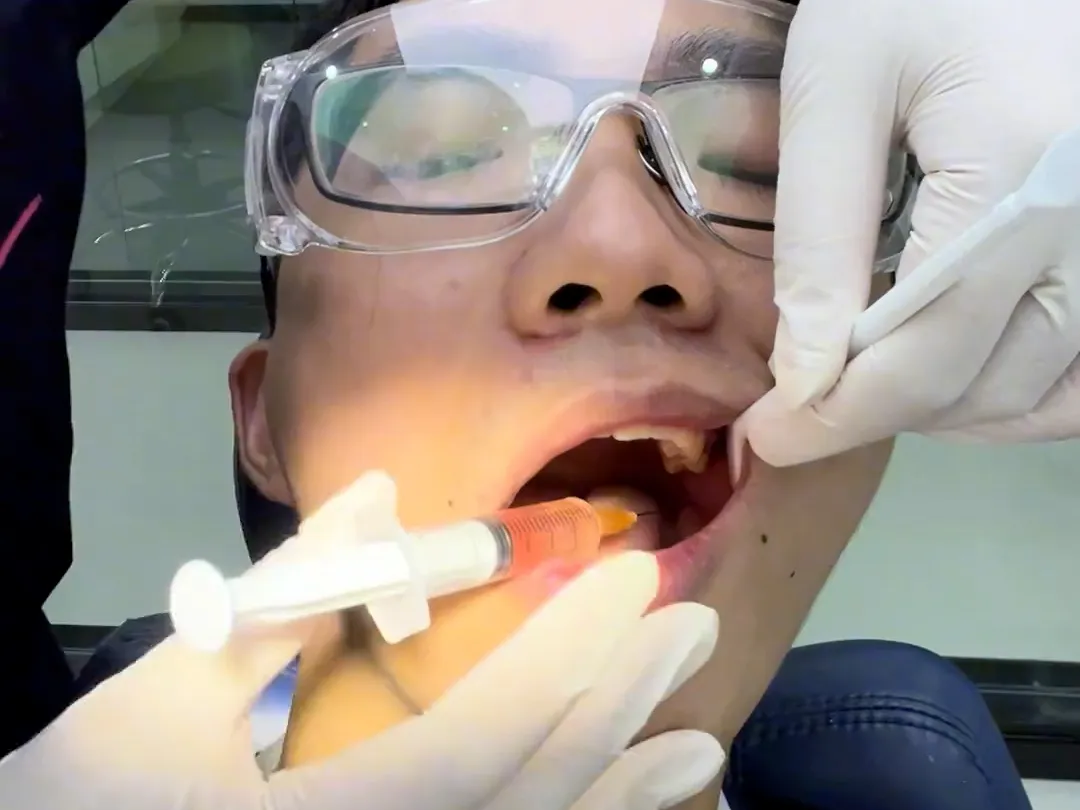
Lower jaw teeth tend to have strong nerves, so anesthesia is important to ensure a pain-free experience. Thai dentists are known for being gentle and patient, often chatting with you to help ease any nervousness.
3. **Removal of Infected Pulp**
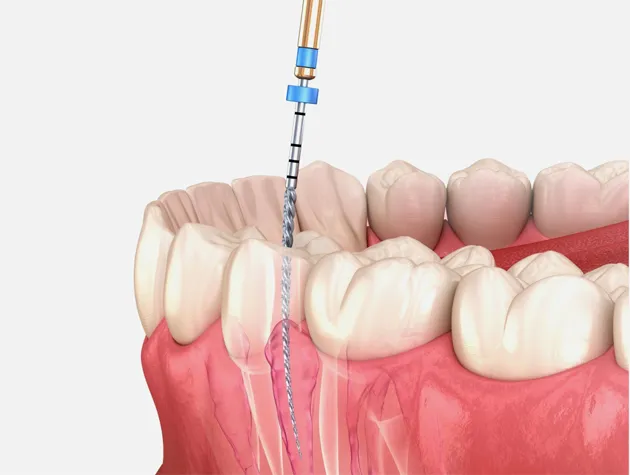
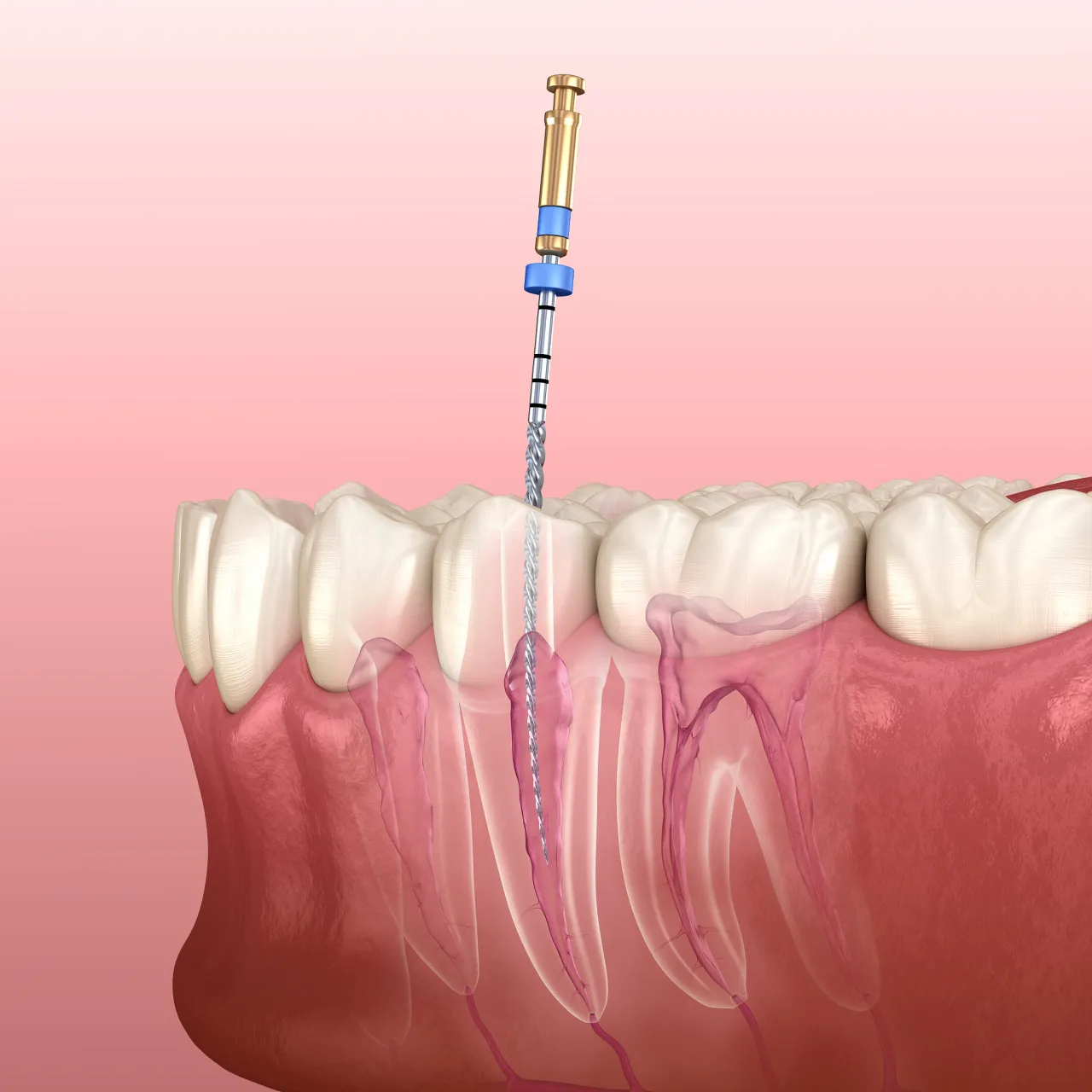
Using specialized tools, the dentist carefully removes the infected tissue inside the tooth. Many clinics in Thailand use rotary instruments that allow precise cleaning, even in the complex root systems of lower molars.
4. **Cleaning and Disinfection**
The canals inside the tooth are cleaned with antibacterial solutions to remove all traces of infection. This step is crucial for long-term dental health.
5. **Filling and Sealing**
After cleaning, the canals are filled with a biocompatible material, then sealed to prevent bacteria from entering again.
6. **Restoration**
In most cases, a crown is placed on the treated tooth for extra protection. Thai dentists often offer options like porcelain or zirconia crowns, which are durable and aesthetically pleasing.
---
**Why Many Patients Choose Thailand for Root Canal Treatment**
Thailand has become a region
al hub for dental care for several reasons. First, the cost is generally much lower compared to many Western countries, while the quality remains high. Second, Thai dentists often receive international training, and many speak fluent English, making communication smooth for foreigners.
Another reason is the warm and friendly Thai hospitality. Patients often mention how they feel welcome and relaxed, even during a procedure that can be stressful elsewhere. Clinics tend to have clean, modern facilities, and appointments are usually easy to book without long waiting times.
---
**Special Considerations for Lower Jaw Teeth**
Root canal procedures on lower jaw teeth can be slightly more complex compared to upper teeth. This is because the lower molars often have more roots and canals, requiring extra care during treatment. Also, the position of the tooth in relation to the jawbone can make access a little more challenging.
In Thailand, dentists are familiar with these challenges and use techniques to improve accuracy. Digital X-rays, microscope-assisted treatment, and advanced numbing methods all contribute to making the process smoother for patients.
---
**Aftercare and Recovery Tips**
Recovery after a lower jaw root canal is usually quick if you follow the dentist’s advice. Most Thai dentists will recommend:
- Avoid chewing hard foods on the treated side until the tooth is fully restored with a crown.
- Keep good oral hygiene by brushing and flossing gently around the treated tooth.
- Attend follow-up appointments to ensure proper healing.
- If you notice swelling or unusual discomfort, contact your clinic promptly.
Thai dental professionals often give clear, easy-to-understand instructions and will check in on your progress, especially if you’re a visiting patient who may be leaving the country soon.
---
**Combining Dental Care with Your Stay in Thailand**
One unique advantage of getting dental treatment in Thailand is the opportunity to recover in a relaxed environment. Many patients schedule their root canal alongside their holiday, blending healthcare with leisure. In cities like Bangkok, you can find world-class dental clinics near shopping centers, restaurants, and cultural landmarks. In resort destinations, you may enjoy a slower pace and peaceful surroundings while you heal.
---
**Making the Best Decision for Your Dental Health**
If you suspect you need a root canal on a lower jaw tooth, the most important step is to see a dentist quickly. In Thailand, you have access to skilled professionals, modern technology, and a caring approach at prices often more affordable than back home. Taking care of your oral health will not only relieve pain but also help you keep your natural teeth for years to come.
Whether you’re a local resident or an international visitor, Thailand offers everything you need for a successful root canal treatment—especially for those tricky lower jaw cases. From attentive care to smooth recovery, your smile can be healthy and strong once again.
---