Thailand Root Canal X-Ray and CT Scan Requirements
Thailand Root Canal X-Ray and CT Scan Requirements
**Thailand Root Canal X-Ray and CT Scan Requirements**
If you’ve ever experienced persistent tooth pain or sensitivity, chances are your dentist might suggest a root canal treatment. In Thailand, dental care standards are high, and clinics often use modern technology to make the process safer, faster, and more accurate. One important part of the preparation for a root canal is the use of X-rays or CT scans. Understanding why these imaging tests are required, what they involve, and how they affect your treatment can make the whole experience much smoother.
### Why Imaging is Critical Before a Root Canal
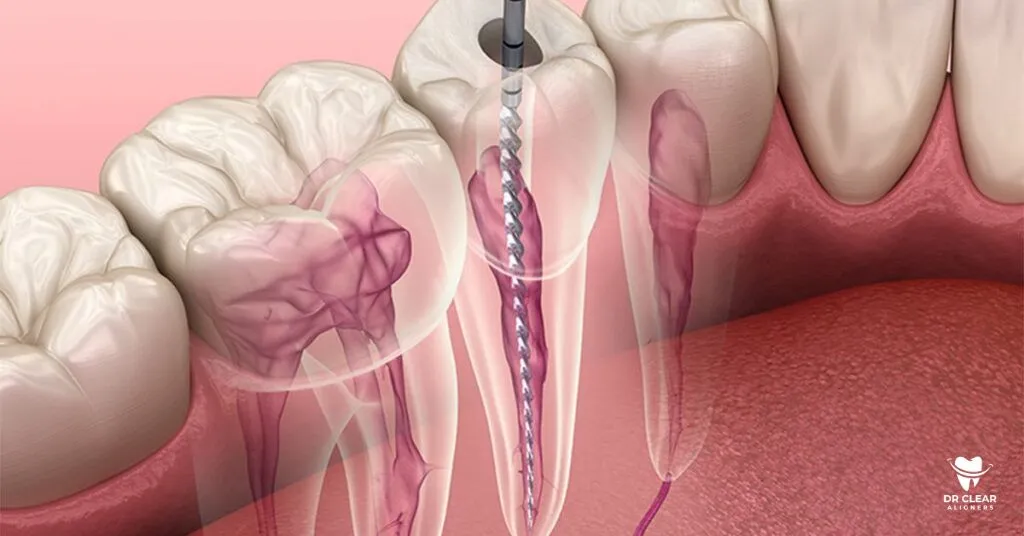
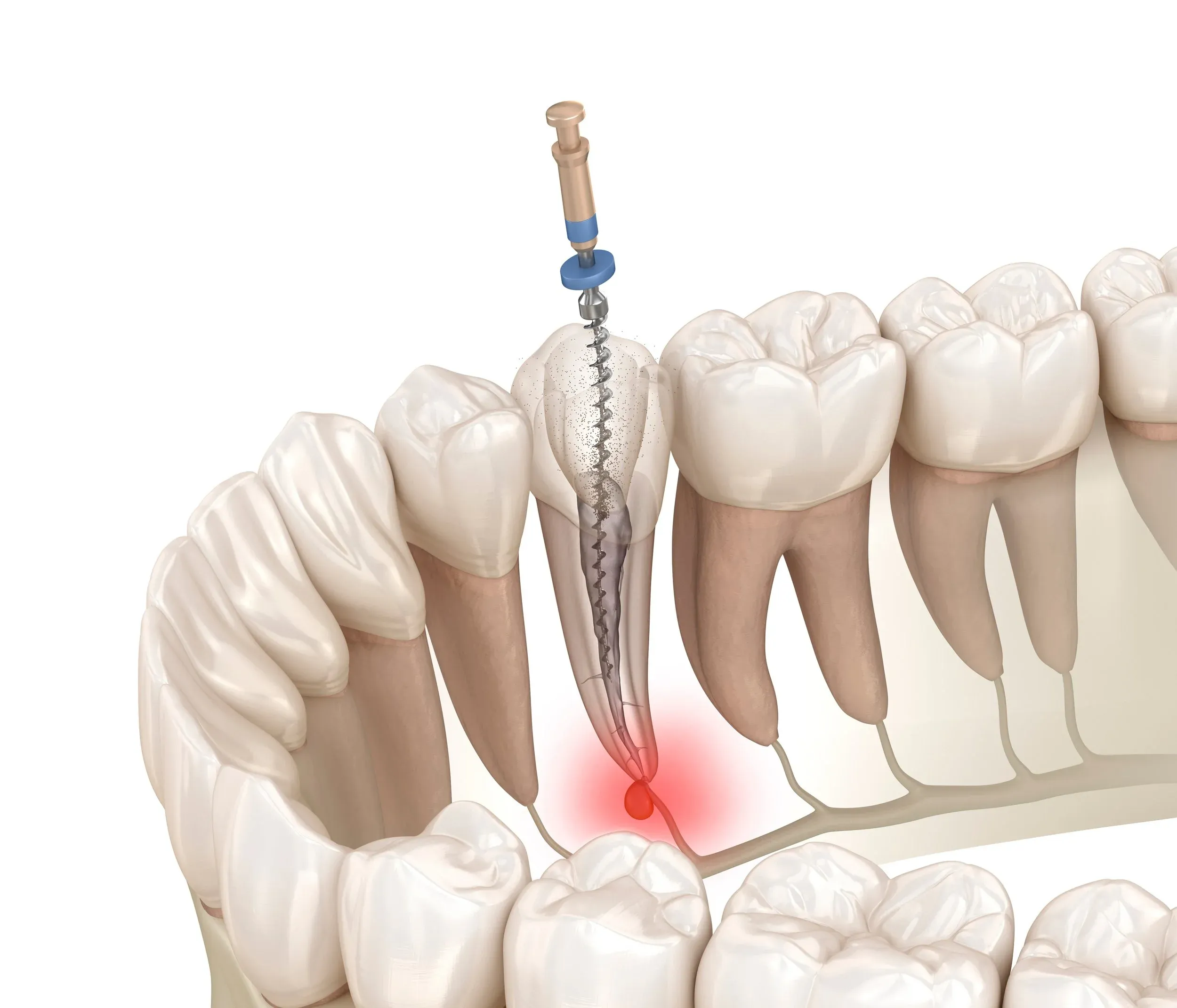
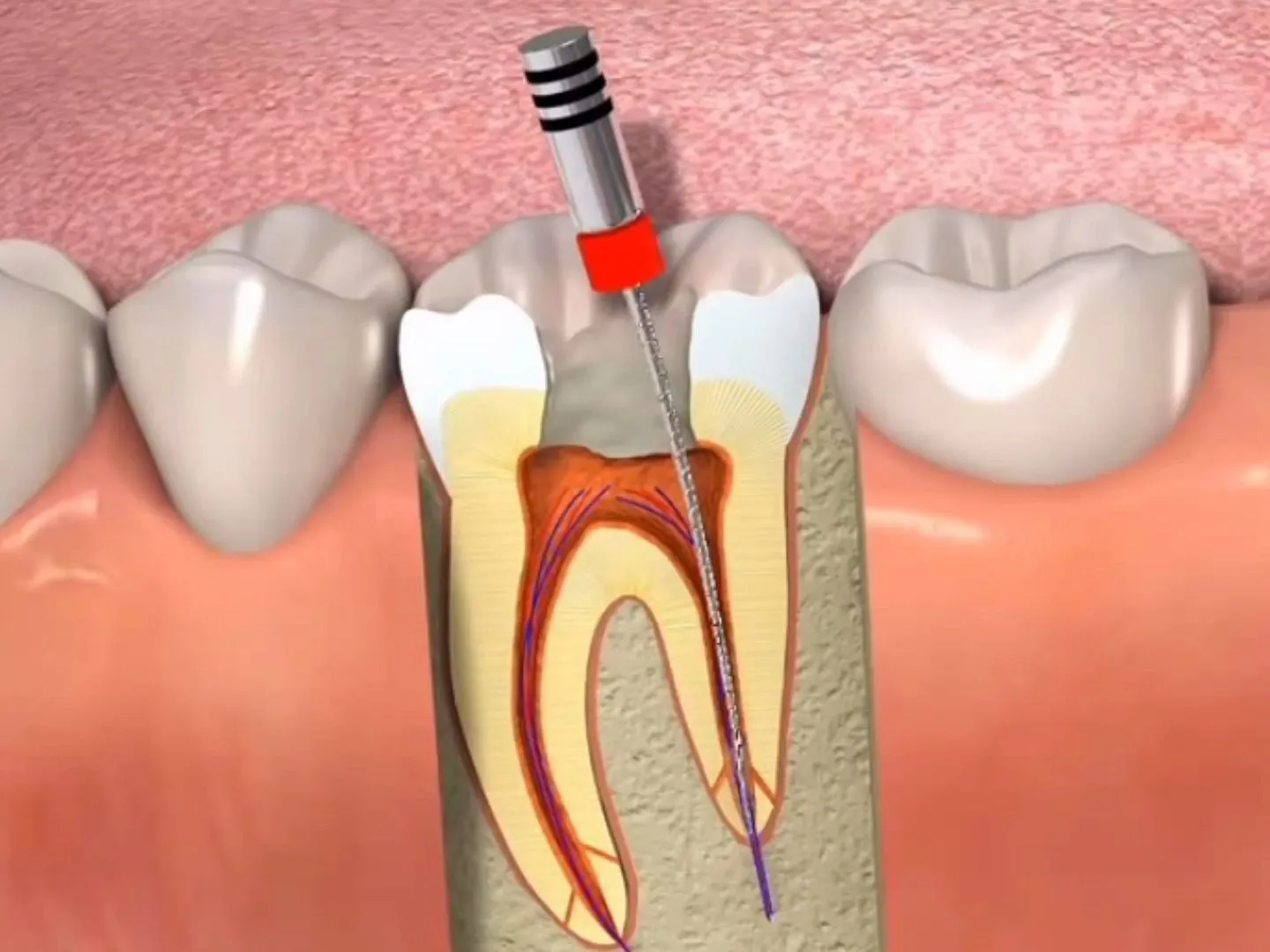
A root canal is not a simple filling—it’s a delicate procedure aimed at saving a tooth that is badly infected or damaged. In Thai dental practice, the first step is diagnosis, and this is where X-rays and CT scans play a major role.
An X-ray allows your dentist to see inside your tooth and the surrounding bone structure. This helps show the shape of the root canals, locate infections at the tip of the root, and identify any hidden dental issues that could affect treatment. In more complex cases—especially when the root canals are narrow, curved, or unusually shaped—a **Cone Beam CT (CBCT) scan** may be recommended. This advanced 3D imaging gives a clearer picture, allowing for more precise planning and a reduced risk of complications.
### Common Requirements in Thailand
Most dental clinics in Thailand, whether in Bangkok, Chiang Mai, Phuket, or Pattaya, follow similar imaging protocols for root canal cases:
1. **Initial Periapical X-Ray** – Taken during your first consultation, this small but detailed image focuses on the affected tooth. It helps confirm whether a root canal is necessary.
2. **Additional X-rays During Treatment** – Mid-procedure images may be taken to guide the cleaning and shaping of the canals.
3. **Post-Treatment X-Ray** – This ensures the canals have been properly filled and sealed.
4. **CT Scan for Complex Cases** – If you have a tooth with multiple roots, complex anatomy, or previous failed root canal treatment, a CBCT scan gives more detailed diagnostic data.
### Thai Dental Equipment Standards
Thailand’s dental clinics typically use digital X-ray systems, which have several advantages: lower radiation exposure, instant images, and the ability to enlarge or adjust contrast for better viewing. Many large clinics and hospitals also have in-house CBCT machines, avoiding the need to travel elsewhere for a scan.
Digital imaging also means your results can be stored and shared easily, which is helpful if you get a second opinion or transfer to another clinic. In tourist-friendly locations, clinics often provide reports in English for international patients.
### Patient Experience and Comfort
If you’re worried about radiation, here’s some good news: digital dental X-rays use very minimal doses, far below what you might get from other medical imaging procedures. CBCT scans have slightly higher exposure, but dentists in
Thailand typically recommend them only when truly necessary.
Most Thai dentists explain each step before starting. You’ll be given a small lead shield or apron for protection during the X-ray. For CBCT, the process is quick—usually less than a minute—and involves standing or sitting still while the machine rotates around your head.
### Cost Considerations
Prices for dental imaging in Thailand vary depending on location, clinic reputation, and technology type. Here is a general range to expect:
- Periapical X-ray: around 300–600 THB per image
- Full mouth X-ray (OPG): 800–1,500 THB
- CBCT scan: 3,500–6,000 THB depending on area scanned
These costs are separate from the root canal procedure fee. However, most clinics give a clear breakdown during the consultation so there are no surprises later.
### For International Patients
Thailand is one of Asia’s top destinations for dental tourism. Many visitors combine dental treatment with holiday travel because of the country’s modern clinics, skilled professionals, and reasonable prices.
If you’re travelling for a root canal, it’s best to send your previous dental records to the clinic before arrival. This allows the dentist to review your history and determine whether additional imaging will be required. X-rays from your home country can be useful, but Thai dentists often prefer to take new ones to ensure accuracy and up-to-date information.
Communication is generally easy; many clinics have English-speaking staff. Still, learning a few Thai phrases can make the experience even smoother—for example, **"Fai rup phan x-ray"** (to have an X-ray taken) or **"Tong kan CT scan"** (need a CT scan).
### Safety and Guidelines
Dental professionals in Thailand follow strict guidelines for imaging. The Thai Dental Council and relevant health authorities recommend limiting unnecessary exposure, using protective equipment, and keeping detailed patient records. Digital archives help monitor long-term dental health and track any changes over time.
### Final Thoughts
Getting a root canal in Thailand often involves one or more X-rays, and sometimes a CT scan for complicated cases. These images are not just routine steps—they are critical tools that help your dentist diagnose accurately, plan effectively, and perform the procedure with the highest chance of success.
By understanding the requirements for X-rays and CT scans, knowing what to expect in terms of cost, and preparing with any past records, you can approach the process more confidently. Whether you live in Thailand or are visiting for dental care, these imaging standards are part of what makes Thai dentistry both modern and reliable.
Healthy teeth aren’t just about appearance—they’re about comfort and well-being. If your dentist recommends imaging before a root canal, it’s a small step towards saving your tooth and avoiding bigger problems later on. And in Thailand, that step is supported by technology, skill, and a commitment to patient care.