Thailand Root Canal for Chewing Pain Problems
Thailand Root Canal for Chewing Pain Problems
**Thailand Root Canal for Chewing Pain Problems**
If you’ve ever enjoyed a plate of som tam or taken a bite of spicy grilled pork only to feel sharp pain in your teeth while chewing, you know how frustrating dental issues can be. In Thailand, chewing pain is one of the most common reasons patients visit the dentist, and in many cases, the underlying cause can be solved with a well-performed root canal treatment. Understanding what a root canal is, when it’s needed, and how it can help you enjoy your favourite Thai meals again can make all the difference in protecting your oral health.
### Why Chewing Pain Happens
Chewing pain can have several causes. Sometimes it’s due to cavities, cracked teeth, gum infections, or worn-down dental fillings. But when the pain is deep, throbbing, and worsens every time you bite down, the problem often lies in the tooth’s pulp—the soft tissue inside the tooth containing nerves and blood vessels. In Thailand’s warm climate, it’s easy for dental infections to progress quickly, especially if patients delay dental visits. Untreated pulp infections can spread, causing severe discomfort and even leading to swelling or fever.
### What Is a Root Canal?
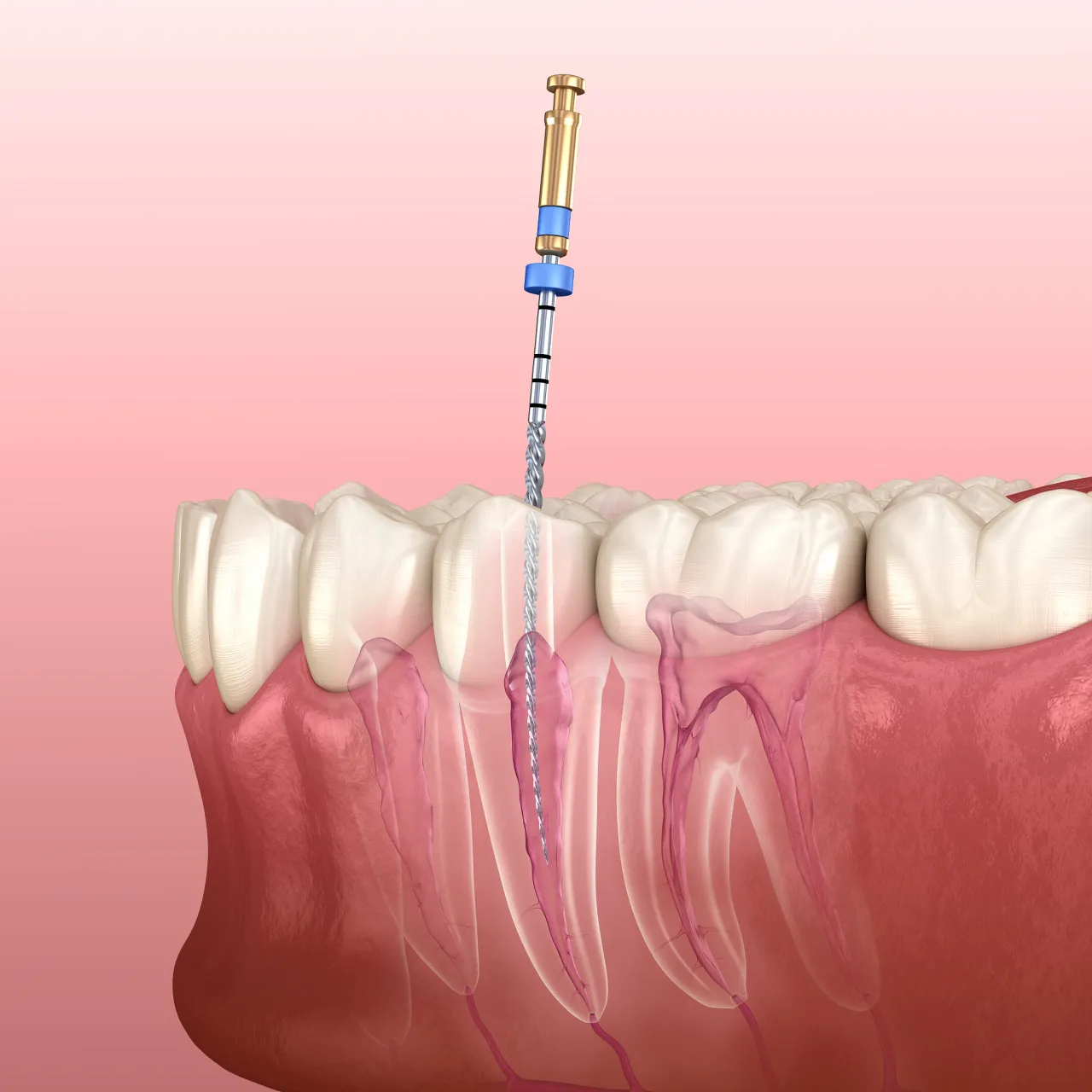
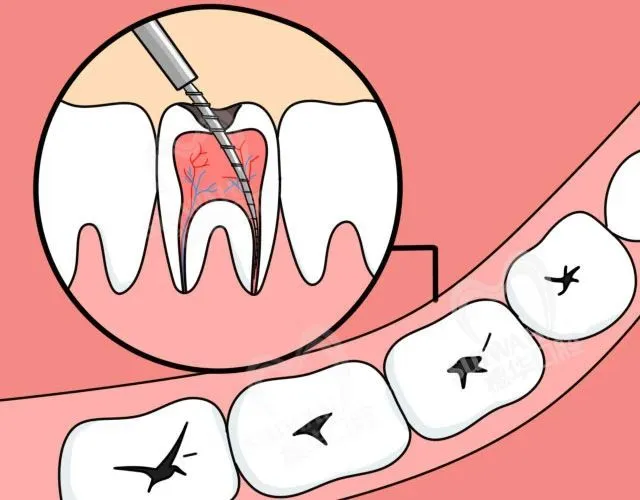
A root canal, known locally in Thai dental clinics as “การรักษารากฟัน” (kan raksa rak fan), is a procedure to remove infected or damaged pulp from inside the tooth. The dentist cleans, disinfects, and shapes the inside of the root, then fills and seals it to prevent further infection. This treatment allows you to keep your natural tooth instead of extracting it. With modern techniques and equipment available across major Thai cities—from Bangkok and Chiang Mai to Phuket—root canal procedures are now more comfortable and efficient than ever.
### Signs You Might Need Root Canal Treatment
If you’re experiencing chewing pain, here are some signs that could indicate you need a root canal:
- Persistent pain when biting or chewing
- Sensitivity to hot or cold that lingers after the source is removed
- Swelling or tenderness in the gums around a tooth
- Darkening or discoloration of the tooth
- A small pimple-like bump on the gums that keeps appearing
Even if your symptoms come and go, it’s best to visit a dentist as soon as possible to avoid worsening the issue. In Thailand, many dental clinics offer free initial consultations, making early diagnosis more accessible.
### The Root Canal Process in Thailand
A typical root canal treatment in Thailand usually involves:
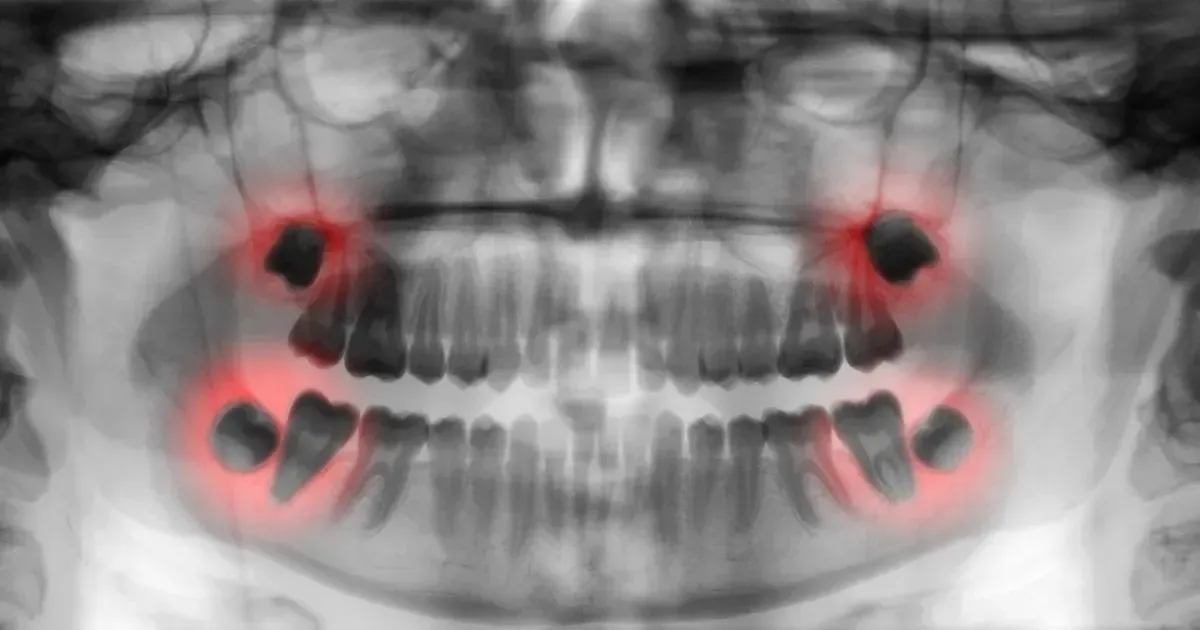
1. **Examination and X-rays** – The dentist checks your tooth and takes X-rays to see the extent of infection.
2. **Local anaesthesia** – This helps numb the tooth and surrounding area so you feel comfortable throughout the procedure.
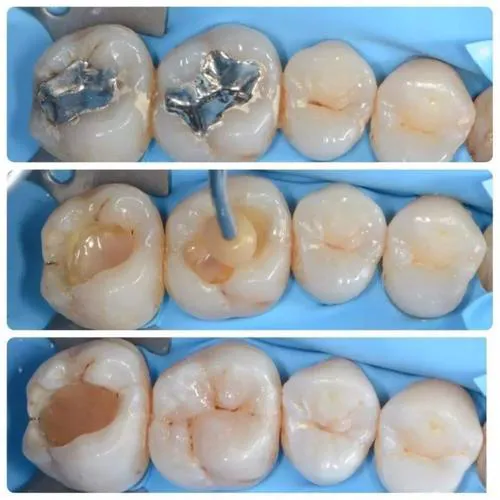
3. **Cleaning the root canal** – The infected pulp is removed, and the dentist carefully cleans the inner chamber of the tooth.
4. **Sealing the tooth** – A special filling material is placed inside the cleaned canal to prevent bacteria from returning.
5. **Restoration** – Often, a crown is plac
ed to protect and strengthen the treated tooth, especially after heavy chewing stress.
Many Thai dental clinics use advanced digital imaging and rotary instruments, shortening treatment time and improving precision.
### Cost of Root Canal in Thailand
Thailand is well known for its affordable, high-quality dental care. Costs vary depending on the clinic location and the tooth’s position. Front teeth generally cost less to treat than molars due to simpler root structures. On average:
- Front tooth root canal: 4,000–6,000 THB
- Premolar root canal: 5,000–8,000 THB
- Molar root canal: 7,000–12,000 THB
While these prices are significantly lower than in many Western countries, quality is not compromised, especially in reputable clinics that follow international dental standards.
### Advantages of Getting Root Canal Treatment in Thailand
1. **Skilled Dentists** – Many Thai dentists are trained internationally and speak English fluently, making communication easier for expats and tourists.
2. **Advanced Technology** – Clinics in Bangkok, Pattaya, and other major hubs use modern equipment such as 3D imaging, making diagnosis more accurate.
3. **Affordability** – Treatments in Thailand are often more cost-effective while maintaining excellent standards.
4. **Convenience** – With numerous clinics nationwide, you can often book an appointment quickly and get treated without long waiting times.
### Recovery and Aftercare
After a root canal, you may feel mild discomfort for a few days, especially when chewing. Dentists in Thailand typically advise avoiding sticky or hard foods until any crown or permanent filling is placed. Maintaining good oral hygiene—brushing twice daily, flossing, and visiting your dentist for regular check-ups—will help ensure your treated tooth lasts for many years.
If you live in Thailand or are visiting on holiday, it’s easy to combine dental care with your travel plans. Many patients choose to have treatments done during their vacation, taking advantage of the country’s relaxing atmosphere while recovering.
### When to See a Dentist Immediately
If chewing pain becomes intense, or you notice swelling around your face or gums, seek dental care urgently. These may be signs of an infection spreading beyond the tooth, which can be dangerous if neglected. In Thailand, both private and public dental clinics can handle emergency cases, and many are open on weekends.
### Conclusion
Chewing pain can make even the most delicious Thai dishes hard to enjoy. A timely root canal treatment offers an effective way to save your tooth, relieve pain, and restore your ability to eat without worry. Thailand’s combination of skilled dentists, modern clinics, and reasonable prices makes it an excellent choice for anyone needing dental care, whether you’re a local resident or an international visitor. Don’t let tooth pain take the joy out of your meals—visit a reputable dental clinic and explore how root canal therapy can help you smile and chew comfortably again.