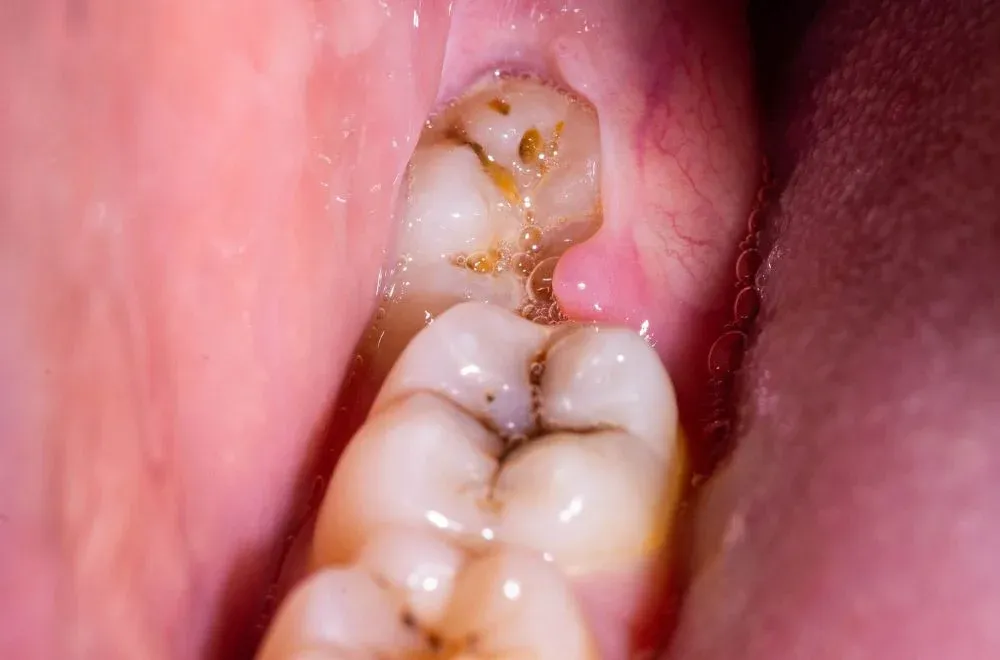
Thailand Root Canal for Teeth With Large Cavities
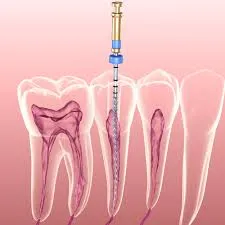
Thailand Root Canal for Teeth With Large Cavities
**Thailand Root Canal for Teeth With Large Cavities**
When you have a toothache that just won’t go away, it’s often a sign that the decay has reached deep inside your tooth. Many people in Thailand and from around the world turn to **root canal treatment** as a trusted solution for teeth with large cavities. This dental procedure not only saves your natural tooth but also helps you avoid serious infections and expensive extractions later on. Let’s take a closer look at how root canals are done in Thailand, why they’re beneficial, and what to expect before and after the procedure.
**Understanding Root Canal Treatment**
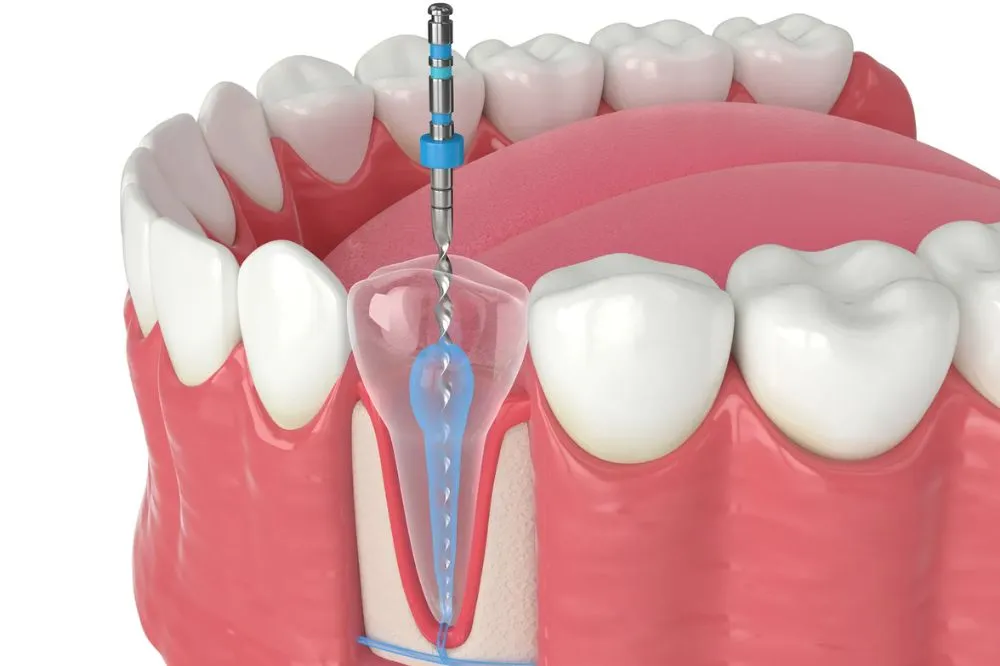
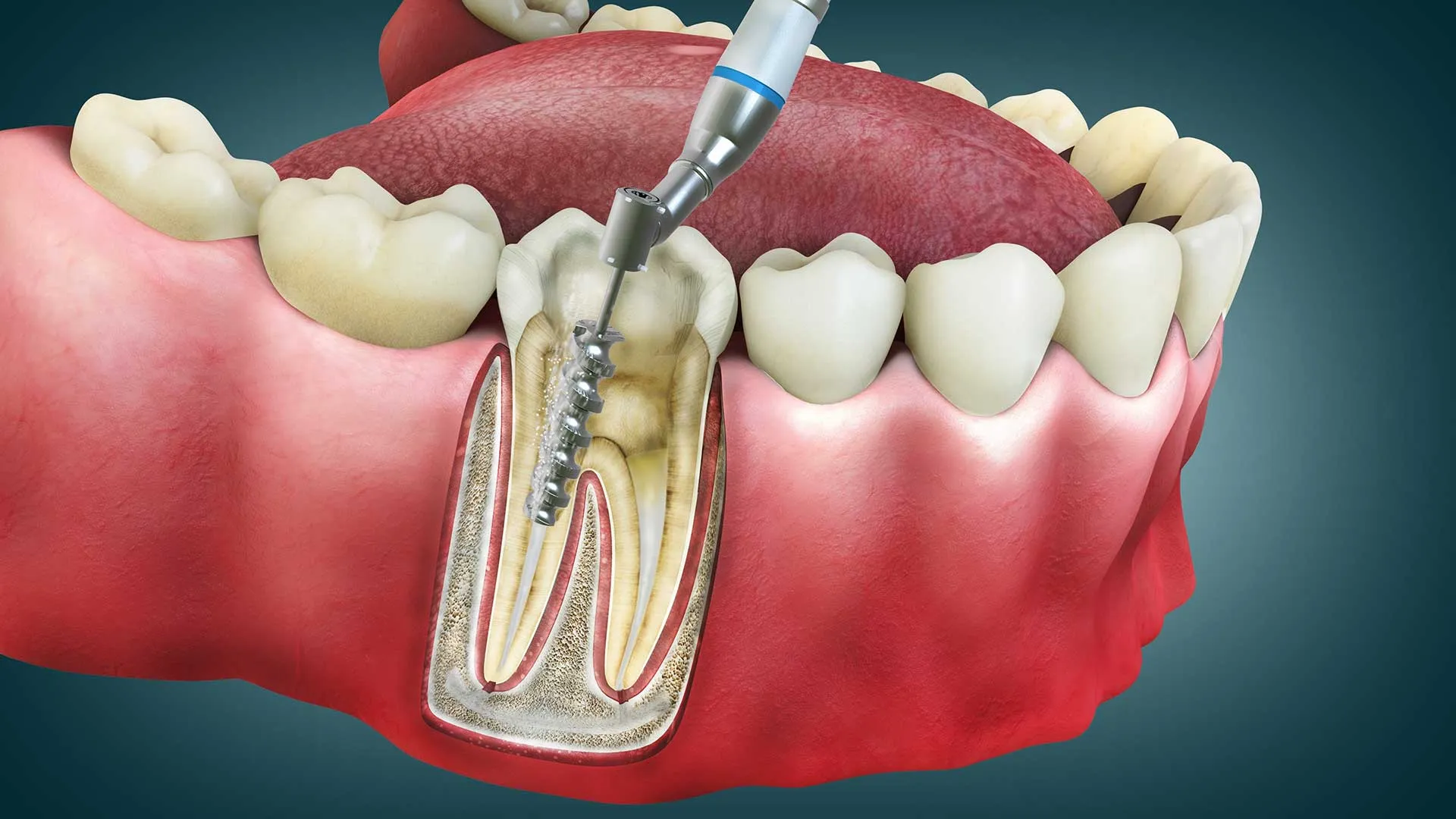
A root canal, known in Thai dental clinics as **endodontic treatment**, is performed when the soft tissue inside your tooth — the pulp — becomes infected or inflamed. This often happens when cavities become very deep, allowing bacteria to reach the nerve. Instead of removing the entire tooth, the dentist removes the damaged pulp, cleans the root canals thoroughly, and seals them to prevent further infection. The result? You get to keep your natural tooth structure and restore full function.
**Why Choose a Root Canal Instead of Extraction**
Many patients in Thailand still believe that once a tooth is badly decayed, extraction is the only option. But modern dentistry has changed that thinking. A root canal helps you maintain your original tooth, which is always better for chewing, alignment, and aesthetics. Tooth extraction can create gaps that cause shifting and bite problems over time. Additionally, replacing missing teeth with implants or bridges can cost more than having a root canal and crown done. In short, saving your real tooth often brings better long-term results.
**Root Canal Treatment in Thailand**
Thailand has built a strong reputation for providing high-quality dental care at reasonable prices. Whether you visit a dental clinic in Bangkok, Chiang Mai, Phuket, or Pattaya, you’ll find experienced dentists trained in advanced endodontic techniques. Many clinics use digital X-rays, rotary instruments, and microscope-assisted dentistry to make the procedure more comfortable and precise.
Another advantage is the cost. Root canal treatment in Thailand is generally much more affordable compared to Western countries like Australia, the UK, or the US. This is why dental tourism is booming here — patients can enjoy a relaxing holiday while receiving professional dental care at a fraction of the price.
**When Do You Need a Root Canal?**
If you experience any of these symptoms, it’s a good idea to visit a Thai dentist for an evaluation:
- Persistent toothache or sensitivity when chewing or drinking hot or cold beverages
- Swelling or tenderness around the gums
- Darkening or discoloration of the affected tooth
- Pus or small pimples on the gums
- Pain that spreads to the jaw or ear area
Sometimes, there may be no pain at all. A dentist can detect large cavities and inflamed pulp during routine checkups, which is why regular dental visits are so important.
**Steps Involved in a Root Canal Procedure**
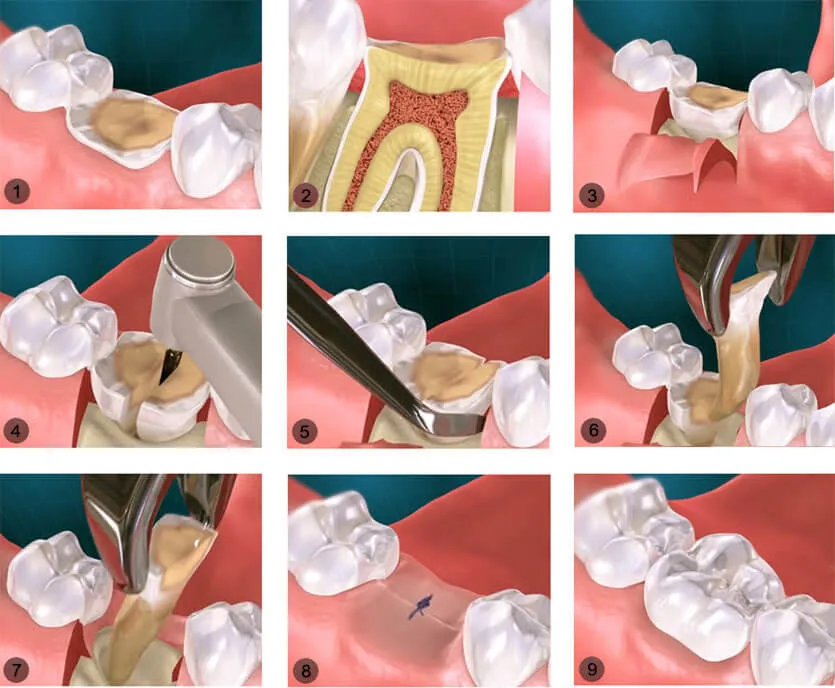
A typical root canal in Thailand is completed in one to two appointments, depending on the condition of your tooth:
1. **Examination and X-ray:** The dentist checks the extent of decay and infection.
2. **Local anesthesia:** Your tooth and surrounding area are numbed to ensure comfort.
3. **Removal of infected pulp:** Using a small access hole, the dentist removes the diseased tissue.
4. **Cleaning and shaping the canals:** Special instruments clean and disinfect the root canals.
5. **Filling and sealing:** The empty canals are filled with a safe dental material to prevent reinfection.
6. **Crown placement:** Often, a crown is recommended to strengthen the treated tooth, especially if the cavity was large.
After the procedure, you may feel mild soreness for a day or two, which can be managed with pain relief medication. Within a few days, most people are back to normal eating and smiling confidently again.
**How to Care for Your Tooth After a Root Canal**
Good aftercare ensures the success of your treatment. Here are a few tips commonly shared by Thai dentists:
- Avoid chewing hard food on the treated side until a permanent crown is in place.
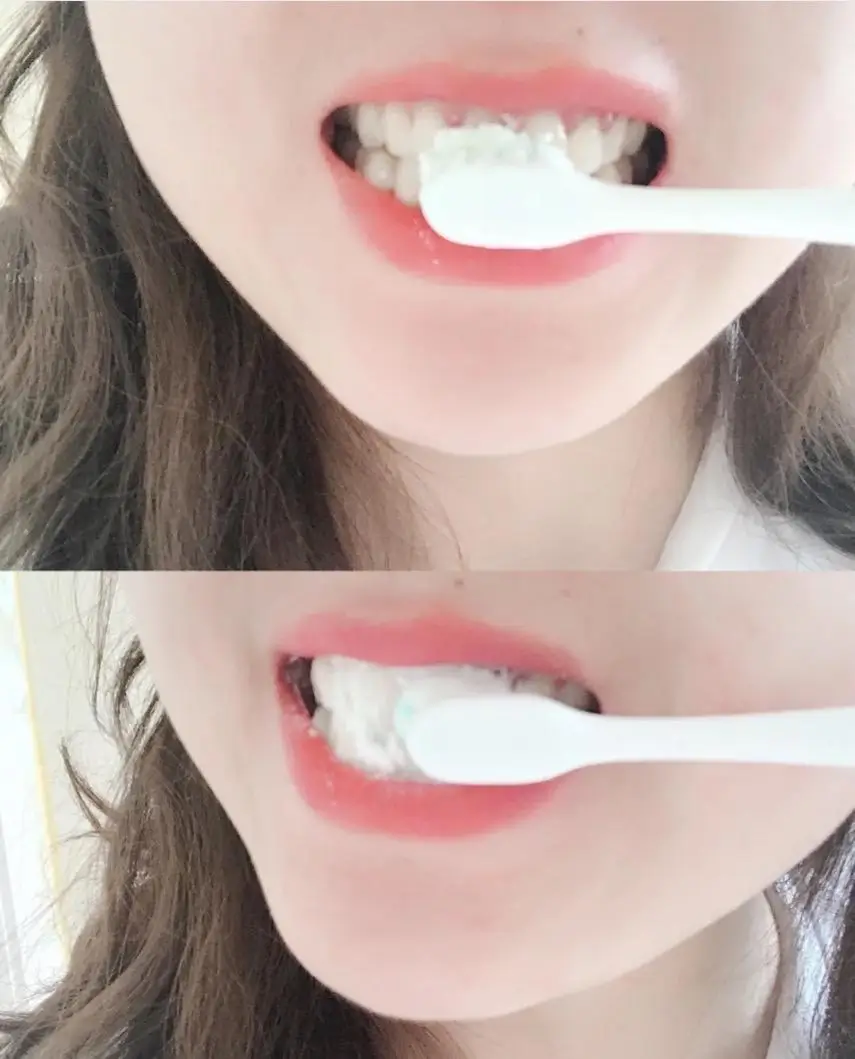
- Brush and floss gently around the area to keep it clean.
- Visit your dentist for follow-up checks.
- Maintain good oral hygiene with regular cleaning and dental visits every six months.
If you feel unusual pain or swelling after treatment, don’t hesitate to contact your dental clinic right away.
**The Benefits of Choosing Thai Dental Clinics**
Apart from affordable pricing, Thai dental clinics are known for their warm hospitality and modern facilities. Many dentists speak English well and cater to both local and international patients. Clinics often provide clear cost estimates before starting any procedure, helping you make an informed decision without pressure. Moreover, many clinics in Thailand are internationally accredited, ensuring that hygiene and safety standards meet global benchmarks.
**Final Thoughts**
When dealing with a large cavity, the right choice can make all the difference between losing a tooth and saving it. **Thailand root canal treatments** combine skilled professionals, advanced equipment, and excellent patient care at a budget-friendly cost. Whether you’re living in Thailand or visiting for dental tourism, you can expect top-quality service with a friendly Thai smile. Taking action early to treat deep cavities not only saves your tooth but also helps you maintain good oral health and overall confidence for years to come.