Thailand Root Canal Treatment for Sensitive Teeth

Thailand Root Canal Treatment for Sensitive Teeth
**Thailand Root Canal Treatment for Sensitive Teeth**
If you’ve been dealing with tooth sensitivity for a while – that sharp pain when sipping iced coffee or enjoying a hot bowl of soup – you know it can be more than just uncomfortable. In Thailand, many people see tooth sensitivity as a minor issue at first, but when it lingers or worsens, it could be a sign of something deeper, such as nerve damage or infection inside the tooth. This is where root canal treatment comes in as a trusted solution, helping not only to relieve pain but also to protect your natural teeth.
### Understanding Tooth Sensitivity in a Thai Context
Tooth sensitivity among people in Thailand often comes from factors like frequent consumption of hot and cold beverages, sweet snacks, or spicy foods. Thailand’s tropical climate also plays a role – we love our iced drinks year-round, which can sometimes intensify tooth discomfort for those with exposed dentin or tiny cracks in their teeth. While many turn to desensitizing toothpaste or herbal rinses at first, these only address surface-level symptoms. When the sensitivity is severe or persists, it may indicate that the dental pulp – the soft tissue inside the tooth – is inflamed or infected.
### Why Root Canal Treatment May Be Needed
Root canal treatment, known as "รักษารากฟัน" in Thai, is performed when the pulp of the tooth becomes infected or damaged. This can occur due to deep decay, large fillings, cracks from chewing hard foods like dried squid or crispy pork, or trauma from accidents – something not uncommon given Thailand’s busy roads and active lifestyles.
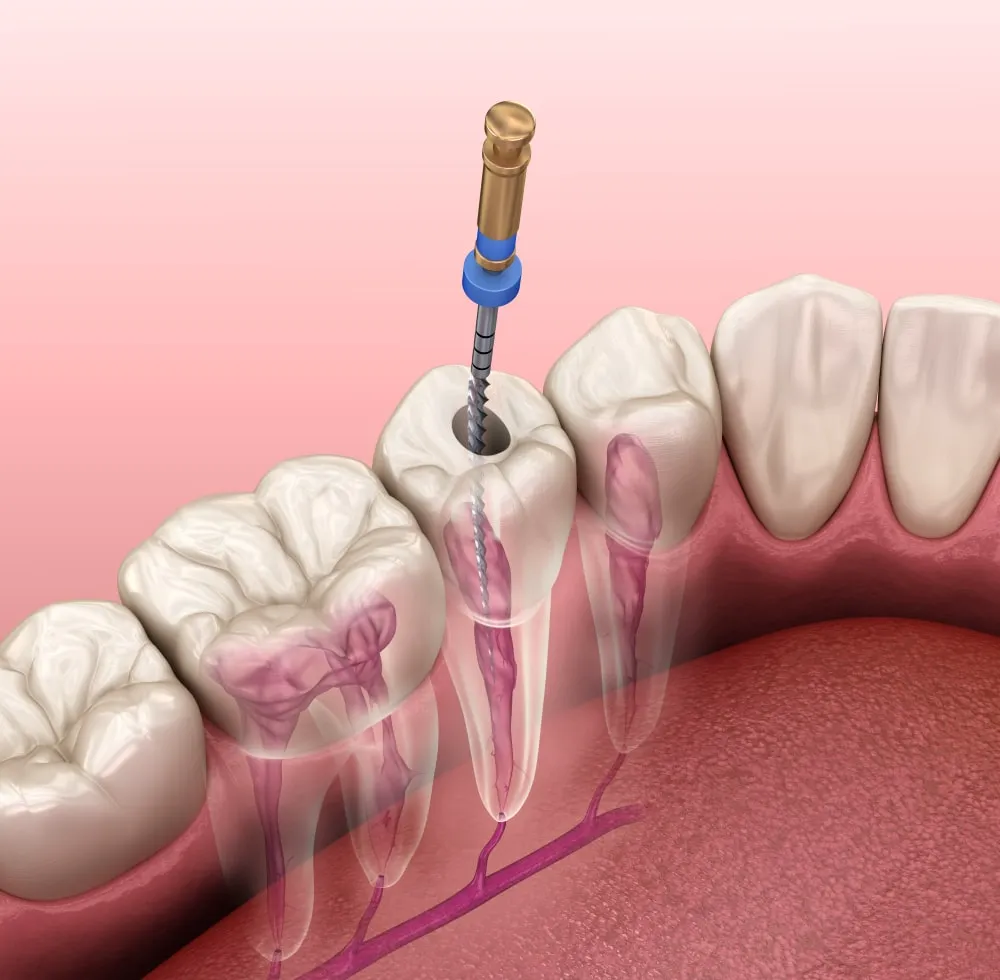
If left untreated, the infection can cause intense pain, swelling, or even abscesses. Some patients in Thailand delay going to the dentist because they fear discomfort or costs, but this delay often makes the issue worse. A root canal removes the damaged pulp, cleans the inner chamber, and seals it to prevent further infection, preserving your original tooth instead of extracting it.
### What to Expect During a Root Canal in Thailand
Dental clinics in Bangkok, Chiang Mai, Phuket, and other cities offer modern root canal procedures with precision equipment. If you walk into a well-established clinic here, you can expect:
1. **Consultation and X-rays** – The dentist checks your symptoms, takes X-rays, and determines whether root canal treatment is necessary.
2. **Local anesthesia** – In Thai clinics, dentists are careful to ensure you are comfortable. The area is numbed so pain during the procedure is minimal.
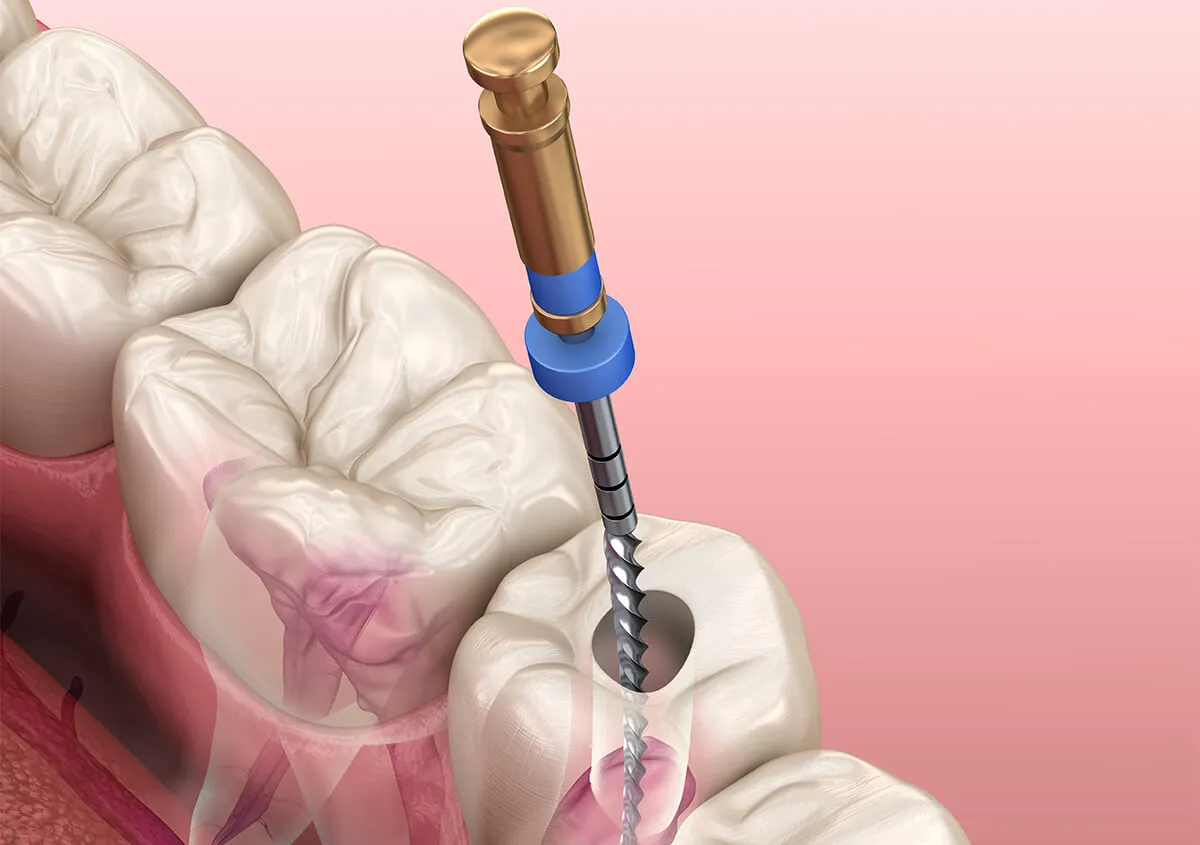
3. **Cleaning the root canal** – The infected pulp is removed, and the canal is thoroughly cleaned using specialized tools.
4. **Sealing the tooth** – Once clean, the canal is sealed with safe dental materials. In most cases, a crown is recommended afterward to protect the treated tooth from future damage.
Procedures are often completed in one to two visits. Thanks to advancements in dental technology, many Thai patients
report far less pain than they had imagined.
### Benefits of Getting Your Root Canal Done in Thailand
Thailand is well-known for its skilled dentists and dental tourism industry. People from other countries often travel here for treatment because of:
- **High-quality care** – Many dentists are trained internationally but practice in Thailand, blending global standards with local expertise.
- **Affordable prices** – Root canal treatments in Thailand can be significantly less expensive than in countries like Australia or the US, without compromising quality.
- **Modern facilities** – City clinics often use advanced equipment, digital X-rays, and sterilization systems to make the experience quick and safe.
- **Warm hospitality** – Thai dental staff have a reputation for being friendly and patient, making even nervous patients feel at ease.
### Tips for Caring for Sensitive Teeth Before and After Treatment
If you are in Thailand and struggling with sensitivity but haven’t yet decided on a root canal, you can follow these habits to protect your teeth in the meantime:
- Use fluoride toothpaste designed for sensitive teeth.
- Limit extremely hot or cold foods and drinks – try lukewarm alternatives.
- Rinse your mouth with warm salt water to reduce irritation.
- Avoid chewing ice, hard candies, or very crunchy snacks that could crack teeth.
After a root canal, continue with gentle brushing, floss carefully, and attend regular dental check-ups. Dentists in Thailand often recommend follow-up visits every six months to monitor your oral health.
### Common Questions Thai Patients Ask
**Is root canal treatment painful?**
Most patients find the procedure much less painful than expected because of modern anesthesia. The discomfort from infection is usually far worse than the treatment itself.
**How long does it last?**
If cared for properly, a tooth that has received root canal treatment can last for many years, often for life.
**Do I need a crown afterward?**
Most dentists in Thailand will suggest a crown to protect the tooth from future damage, especially if the tooth is at the back and used for chewing.
### Final Thoughts
Living in Thailand means enjoying a vibrant food culture and lifestyle, but it also means being mindful of dental health – especially if you often experience tooth sensitivity. Root canal treatment is not as scary as many think. With experienced dentists, modern clinics, and affordable costs, getting a root canal in Thailand is a reliable way to preserve your smile and prevent future problems.
If your tooth sensitivity has gone beyond mild discomfort and is affecting your daily life, don’t wait until the pain becomes severe. Visit a trusted dental clinic, get a thorough check-up, and discuss whether root canal treatment might be the right choice for you. In Thailand, this procedure has restored comfort and confidence for countless patients – and it could do the same for you.