Thailand Root Canal for Teeth With Multiple Roots
Thailand Root Canal for Teeth With Multiple Roots
**Thailand Root Canal for Teeth With Multiple Roots**
When people think of dental care in Thailand, many imagine whitening treatments, veneers, or simple fillings. But there’s another side to dentistry here that is just as important — root canal treatments, especially for teeth with multiple roots. In Thailand, this type of procedure is increasingly sought after, not only by locals but by international patients who come for high-quality care at an affordable price.
### Understanding Root Canal Treatment
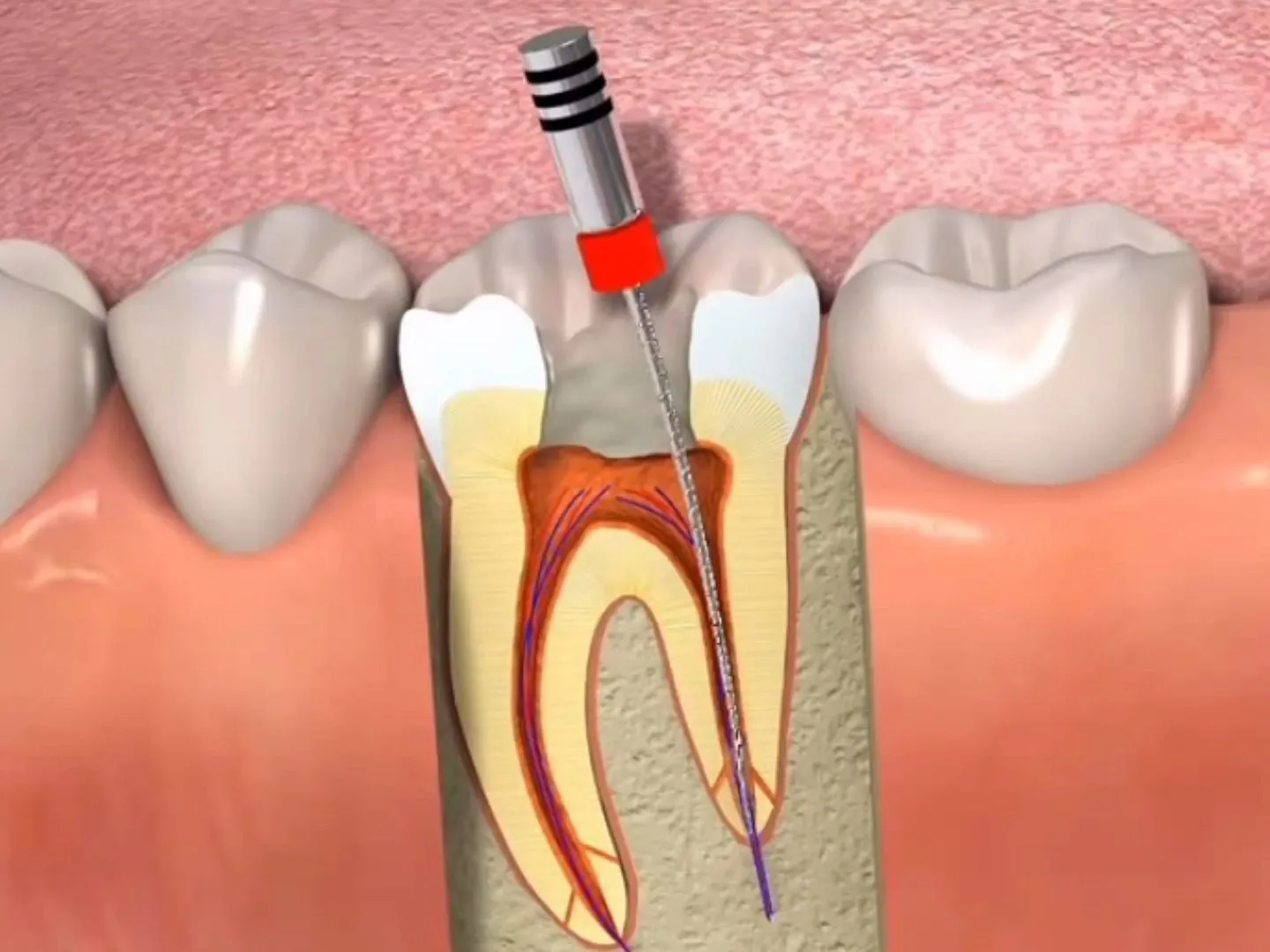
A root canal is a dental procedure used to save a tooth that has been badly damaged by decay, infection, or injury. Instead of removing the tooth, a dentist removes the infected pulp inside, cleans and disinfects the canals, then fills and seals the space. This helps patients keep their natural teeth while restoring function and preventing further complications.
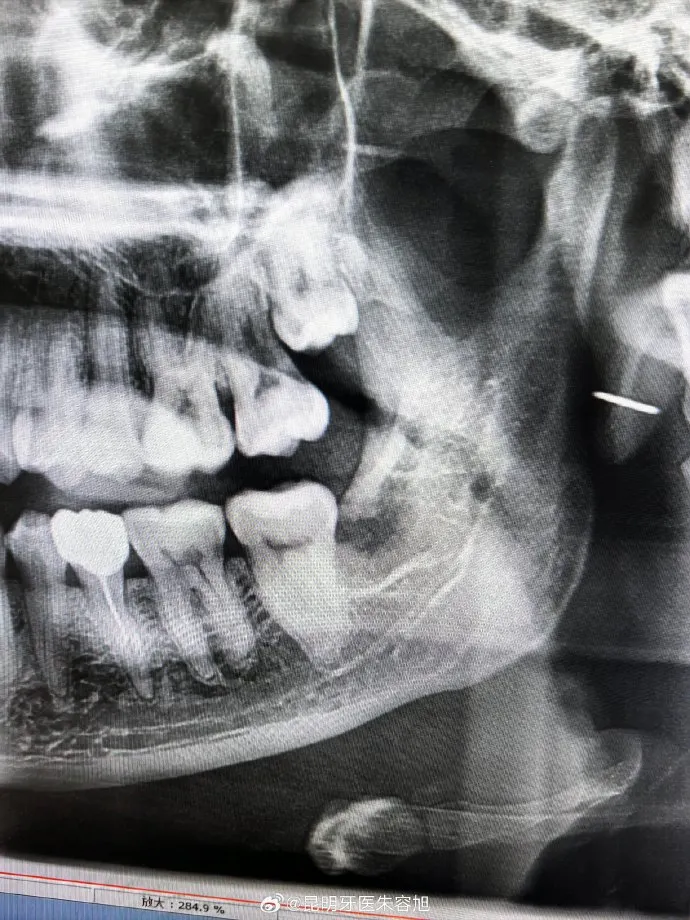
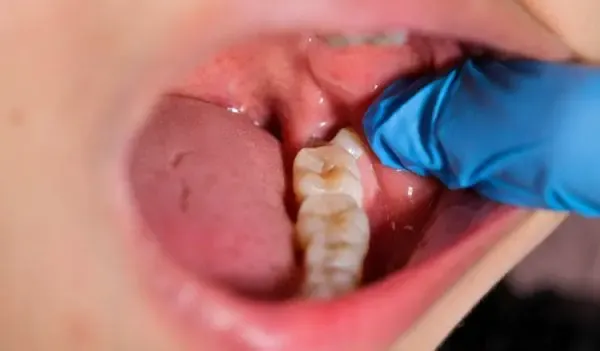
Teeth with multiple roots — such as molars at the back of the mouth — require more complex treatment than those with a single root. These teeth often have three or even four canals, and their curves and angles can make the work more intricate. In Thailand, dentists pay special attention to these details, using precise techniques to ensure every canal is cleaned thoroughly.
### Why Teeth With Multiple Roots Are More Challenging
Back teeth are designed to take heavy chewing forces, which is why they have more roots than front teeth. However, this structural complexity also makes root canal work more demanding. Multiple roots can have hidden channels, narrow bends, or unusual shapes. If any infected tissue is left untreated, symptoms may return. That’s why advanced equipment, such as dental microscopes, is often used in Thai clinics — allowing dentists to see deep inside the tooth for accurate treatment.
### Root Canal Expertise in Thailand
Over the last two decades, Thailand has built a strong reputation for professional dental care. Many dentists have trained both locally and abroad, in countries like Australia, the UK, or the USA. Clinics in Bangkok, Chiang Mai, Phuket, and Pattaya are equipped with modern facilities that meet international standards.
For complex cases like multiple-root teeth, Thai dentists often combine traditional skill with advanced technology. Digital X-rays, 3D imaging, and rotary instruments allow procedures to be completed more efficiently and with greater precision. This reduces chair time and improves comfort — something patients appreciate when dealing with a longer treatment session.
### Cost Advantages Without Compromising Quality
One of the reasons people choose Thailand for root canal treatment is the balance between cost and quality. While a multi-root procedure may be considered complex, the price in Thailand is often much lower than in Western countries. This difference can be significant, even after factoring in travel expenses. Patients still receive personalized care, sterilized tools, and high-grade materials that meet global standards.
For local residents, the affordability means it’s easier to access needed care promptly without delaying treatment due to high costs. For visitors, it’s an attractive option to combine dental treatment with a holiday in Thailand’s beaches or cultural cities.
### Signs You Might Need a Root Canal
Whether you live in Thailand or are visiting, it’s important to recognize symptoms that may indicate a root canal is needed. Common si
gns include:
- Persistent tooth pain, especially when chewing
- Sensitivity to hot or cold that lingers
- Swelling in gums near the affected tooth
- Darkening or discoloration of the tooth
- A pimple-like bump on the gum
If any of these symptoms occur, seeing a dentist sooner rather than later is best. Infections in multiple-root teeth can spread more quickly because of the complex canal systems, so early treatment is essential.
### The Root Canal Process in Thailand
For teeth with multiple roots, the process usually involves several steps:
1. **Examination and Imaging** – Dentists will perform a thorough check and use X-rays to see the tooth’s root structure. In some clinics, 3D scans give a clearer picture of canal shapes.
2. **Local Anesthesia** – To ensure comfort, a local anesthetic is used so patients feel no pain during the procedure.
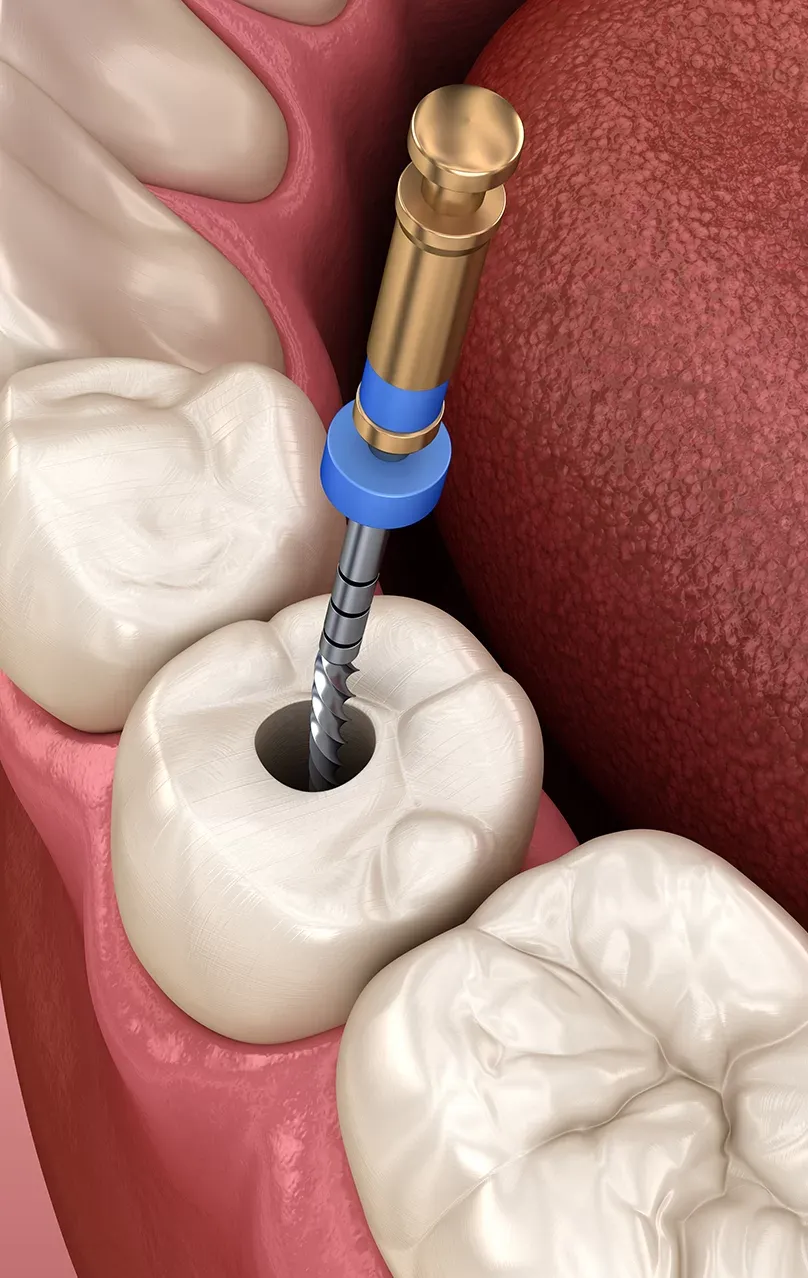
3. **Access Opening** – The dentist creates an opening in the tooth to reach the pulp chamber.
4. **Cleaning the Canals** – Each canal is cleaned using specialized tools, removing infected tissue and bacteria. This step is more time-intensive for multiple-root teeth.
5. **Shaping and Filling** – The canals are shaped and filled with a safe, biocompatible material to seal them.
6. **Restoration** – Usually, a crown is placed to protect the treated tooth, especially for molars that endure stronger chewing pressures.
Patients often find the procedure much more comfortable than expected, thanks to modern anesthesia and techniques.
### Tips for Care After a Root Canal
Once the procedure is complete, taking care of the tooth is important. Dentists in Thailand usually recommend avoiding hard or sticky foods for a few days and following up with regular check-ups. Good oral hygiene — brushing twice a day, flossing daily, and rinsing with mouthwash — helps keep treated teeth in top condition.
For multiple-root teeth, crowns are highly recommended after treatment because they add strength and prevent cracks. Many Thai dental clinics offer aesthetic crowns that match the tooth’s natural color, making the restoration look seamless.
### Why Thailand Is a Trusted Choice
The combination of skilled dentists, international-standard facilities, and affordable costs makes Thailand a trusted destination for root canal work, even for challenging multiple-root cases. Whether you are a local resident in Bangkok or a traveler spending time in Phuket, finding a clinic with experienced endodontists (root canal specialists) is straightforward.
From the initial warm greeting at reception to the final check-up, Thai dental care often blends professionalism with the country’s famous hospitality. Patients not only leave with healthier teeth but also with positive memories of their experience.
### Final Thoughts
A root canal for teeth with multiple roots is a delicate procedure that requires both technical skill and the right technology. In Thailand, patients can expect careful diagnosis, efficient treatment, and a supportive environment. The emphasis on saving natural teeth, even in complex cases, reflects a commitment to long-term oral health.
If you’re considering a root canal in Thailand, take time to choose a reputable clinic, review dentist qualifications, and discuss your treatment plan clearly. With the right care, you can restore your smile and keep enjoying your favorite Thai meals — without the discomfort of tooth pain.