Thailand Root Canal for Dental Abscess Drainage
Thailand Root Canal for Dental Abscess Drainage
**Thailand Root Canal for Dental Abscess Drainage**
If you have ever experienced persistent tooth pain, swelling of the gums, or a throbbing sensation in your jaw, you might be dealing with a dental abscess. In Thailand, root canal treatment is one of the most common and effective ways to address dental abscess drainage and save your natural tooth. With the country’s reputation for excellent dental care and reasonable costs, many people—locals and visitors—choose Thailand for professional treatment. Let’s talk about what dental abscesses are, how root canals can help, and what you can expect when seeking this service in the Land of Smiles.
### What is a Dental Abscess?
A dental abscess is usually caused by a bacterial infection inside the tooth or gums. In many cases, decay, cracks, or untreated cavities allow bacteria to enter the tooth pulp, leading to pus formation. Symptoms can include:
- Continuous toothache or jaw pain
- Swelling of gums or face
- Tenderness when chewing
- Fever or feeling unusually tired
- Bad taste in the mouth from draining pus
In Thailand, people often say “don’t wait until the pain becomes unbearable,” because dental infections can spread quickly and lead to more serious problems if left untreated.
### Why Root Canal Treatment is Recommended
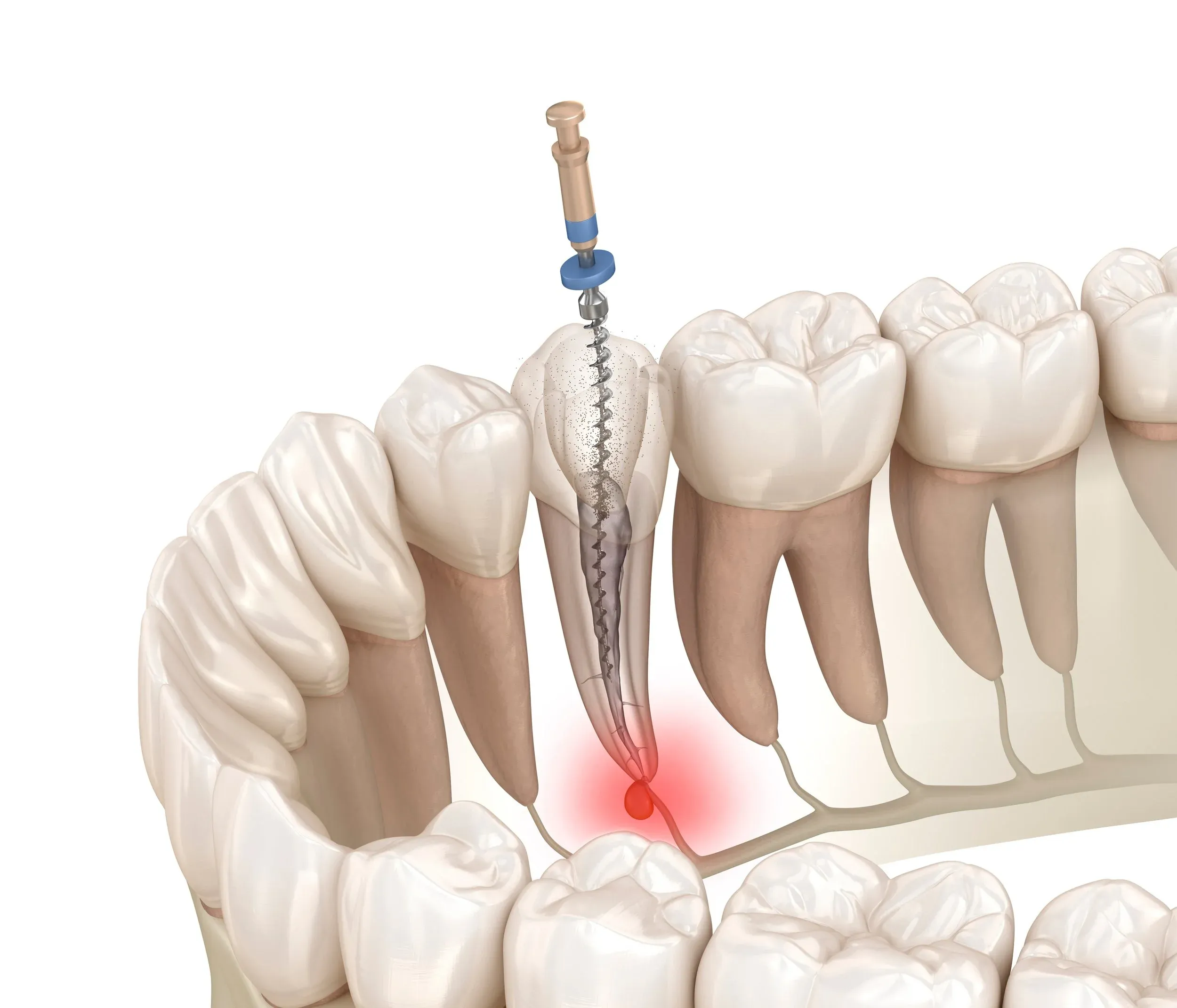
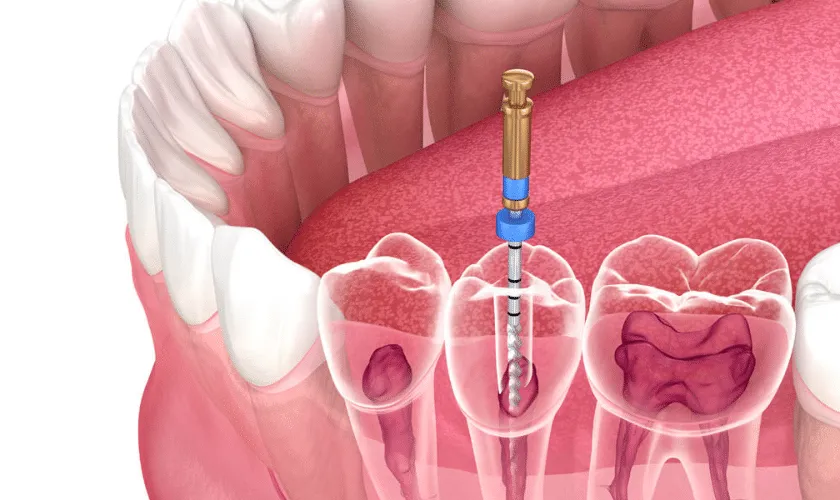
When an abscess forms inside the tooth due to infection in the pulp chamber, simply draining it may not solve the problem. The bacteria are still inside the tooth’s canal system. A root canal procedure removes the infected pulp, cleans the canals thoroughly, and seals them to prevent future infection. This way, the tooth can be preserved instead of being extracted.
Thai dentists, whether in Bangkok, Chiang Mai, or Phuket, follow international standards for root canal therapy. Clinics often have modern equipment such as digital X-rays and rotary instruments, ensuring precise and efficient treatment with minimal discomfort.
### How a Root Canal Works for Abscess Drainage
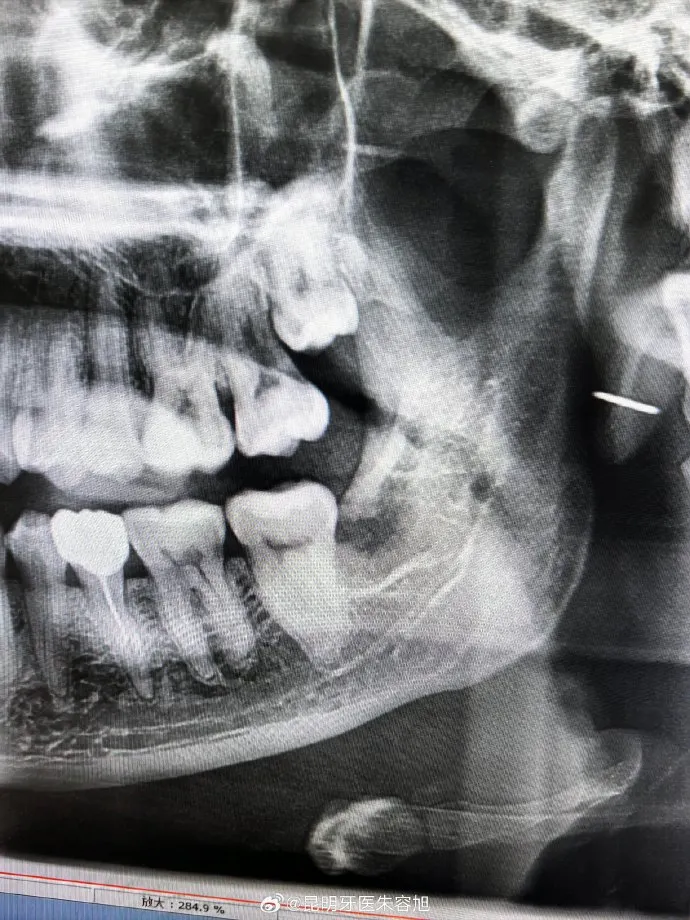
When you visit a Thai dental clinic for abscess treatment, the dentist will first examine your tooth and may perform an X-ray to see the extent of the infection. If a root canal is needed, here is what usually happens:
1. **Anaesthesia** – Your dentist will numb the area to make sure you are comfortable during the procedure.
2. **Access Opening** – A small opening is made in the tooth to reach the infected pulp.
3. **Drainage** – If pus has built up, it will be drained immediately to relieve pain and pressure.
4. **Cleaning** – The infected tissue is removed, and the canals are cleaned using special files.
5. **Disinfection** – Antibacterial solutions are used to kill remaining bacteria.
6. **Filling** – The clean canals are filled and sealed.
7. **Restoration** – In most cases, a dental crown will be placed after
ward to strengthen the tooth.
Thai clinicians often explain the steps clearly to patients so they feel confident and at ease. Many people appreciate the warm and friendly approach that Thai dental professionals are known for.
### Benefits of Getting a Root Canal in Thailand
There are several reasons why Thailand is considered a top destination for dental procedures:
- **High-quality care at affordable prices** compared to Western countries
- **Experienced dentists**, many trained internationally
- **State-of-the-art clinics** with modern sterilization systems
- **Convenient appointment scheduling** for both locals and tourists
- **Friendly, caring service** often described as “Thai hospitality”
For visitors coming for dental tourism, combining treatment with a holiday can make the process much less stressful. You can relax at a beach in Hua Hin or explore temples in Chiang Rai after recovery.
### Recovery and Aftercare
After a root canal for abscess drainage, mild soreness may occur for a day or two, but most patients in Thailand find they can return to regular activities quickly. Dentists usually recommend:
- Taking prescribed antibiotics or pain medicine as directed
- Avoiding chewing hard foods on the treated tooth until fully restored
- Maintaining good oral hygiene with gentle brushing and flossing
- Returning for a follow-up appointment to ensure proper healing
Many Thai clinics also check in with patients via phone or email, especially those from overseas, to monitor progress.
### Prevention Tips
While root canal treatment is effective, prevention is always better. In Thailand, people commonly practice these habits:
- Regular dental check-ups every 6 months
- Professional teeth cleaning to remove plaque and tartar
- Limiting sugary snacks and drinks popular at markets
- Using fluoride toothpaste
- Protecting teeth from injury when enjoying sports or outdoor activities
By maintaining oral hygiene and seeking early treatment for dental issues, you can reduce the risk of abscesses and more serious infections.
### Final Thoughts
A dental abscess can cause intense discomfort and should never be ignored. In Thailand, root canal therapy offers a safe, reliable, and affordable solution that not only drains the abscess but also preserves your natural tooth. Whether you live in Thailand or are visiting for dental tourism, you will find professional care, modern facilities, and warm service that make the treatment experience as comfortable as possible.
If you notice any symptoms of an abscess—swelling, pain, or fever—don’t delay. Make an appointment with a trusted dental clinic to get proper diagnosis and treatment. With expert Thai dental care, you can restore your oral health and keep that confident smile bright for years to come.