Thailand Root Canal Treatment for Lower Jaw Teeth
Thailand Root Canal Treatment for Lower Jaw Teeth
**Thailand Root Canal Treatment for Lower Jaw Teeth**
When it comes to dental care in Thailand, one of the most common treatments people ask about is root canal therapy—especially for lower jaw teeth. Whether you’re a local or an international patient seeking affordable and high-quality dental services, understanding how root canal treatment works and what makes Thailand a preferred destination can help you feel more confident before stepping into the dental chair.
### Understanding Root Canal Treatment
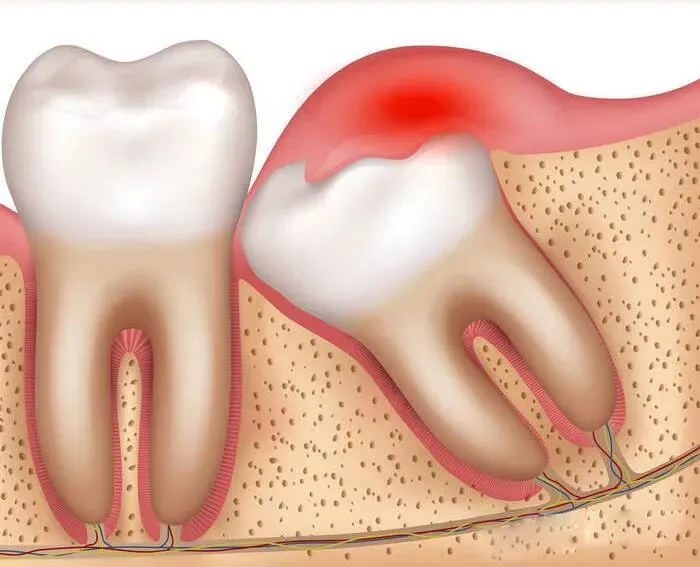
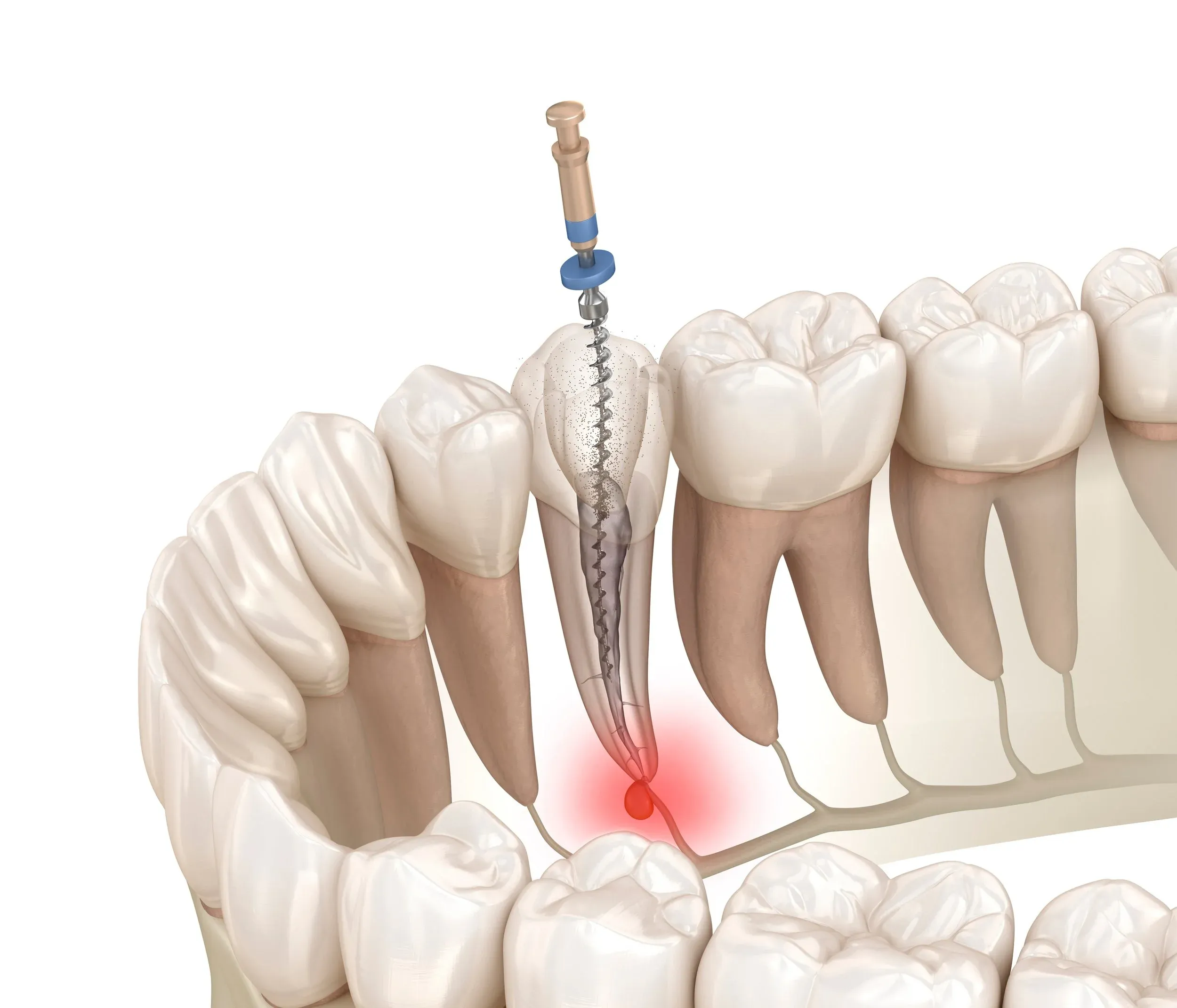
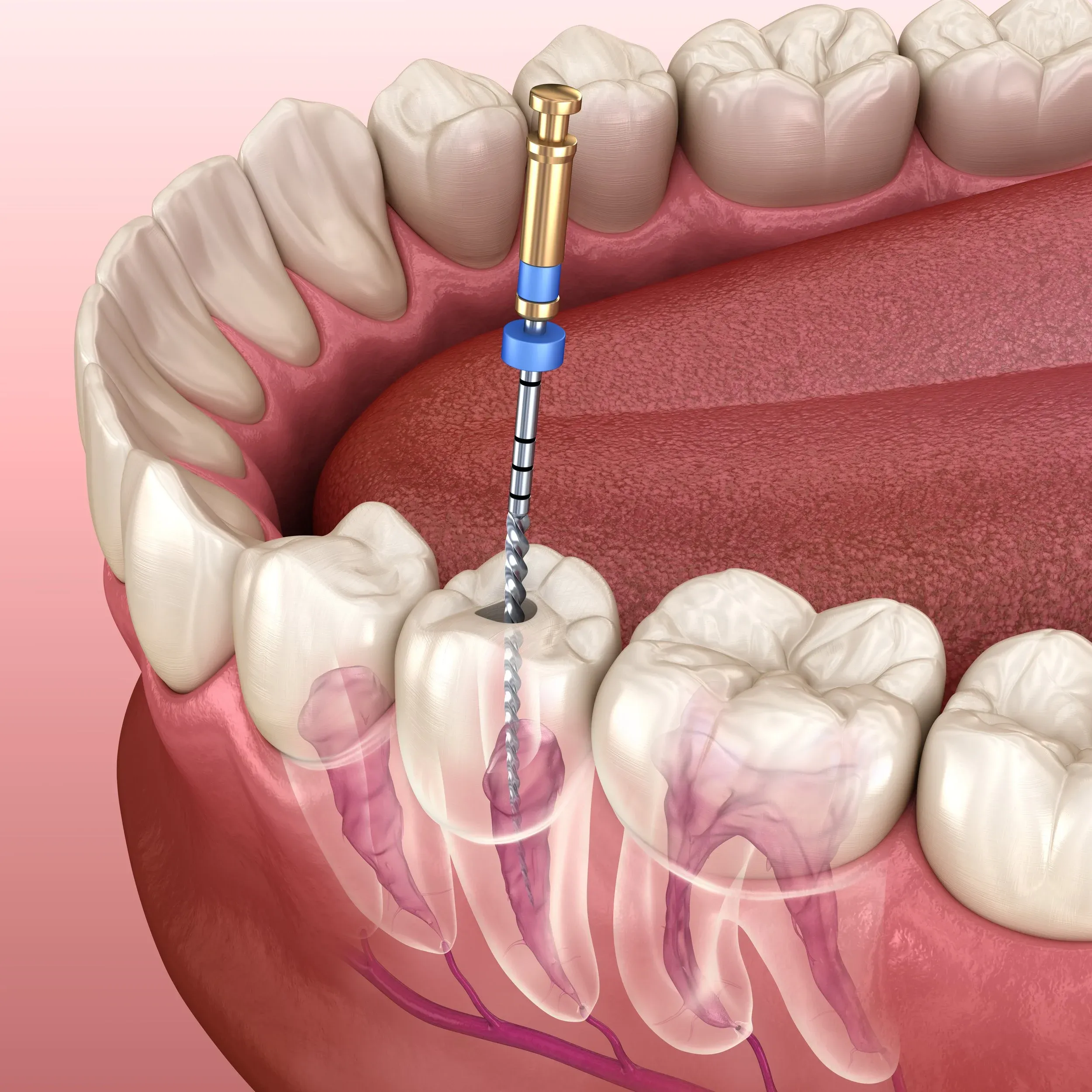
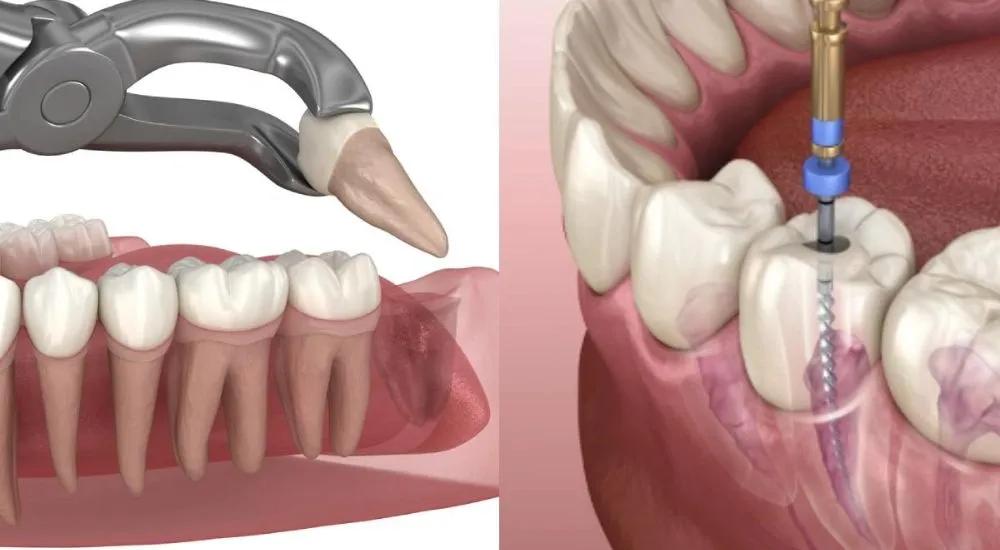
A root canal treatment is essentially a procedure used to save a tooth that has become infected or severely decayed. Inside every tooth is a soft tissue known as the pulp, which contains nerves and blood vessels. When bacteria reach this pulp, it may cause pain, swelling, or even an abscess. Instead of removing the entire tooth, dentists can clean out the damaged pulp, disinfect the area, and fill it with a special material to keep the tooth intact.
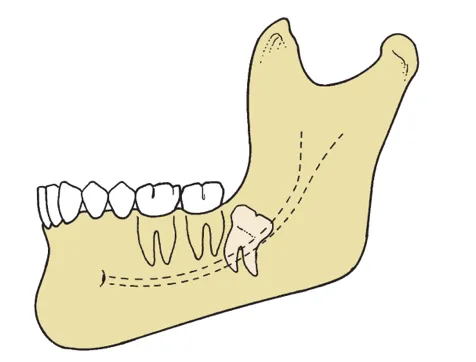
For lower jaw teeth—the molars and premolars—the process is sometimes more complex than for upper jaw teeth. These teeth tend to have multiple canals and are situated closer to the jaw’s nerve pathways, meaning precision and expertise are important for a successful result.
### Why Many Choose Thailand for Root Canal Treatment
Thailand has earned a strong reputation as one of the top destinations for dental tourism in Asia. With internationally trained dentists, advanced technology, and affordable treatment costs, patients from around the world—especially from Europe, Australia, and other parts of Asia—come here for both routine and advanced dental procedures.
Here are some reasons why Thailand stands out:
1. **Affordable Cost**
While root canal treatment in Western countries can be quite expensive, dental clinics in Thailand offer the same level of quality at a fraction of the price. The cost typically ranges from 4,000 to 12,000 THB depending on the tooth’s complexity and the type of restoration required. Lower jaw molars tend to be on the higher end because they have more canals.
2. **Experienced Dentists**
Thai dentists specializing in endodontics (root canal treatment) often hold international certifications or have completed professional training overseas. Many dental clinics in Bangkok, Chiang Mai, and Phuket have English-speaking staff, making communication smooth and reassuring for foreign patients.
3. **Advanced Dental Technology**
In Thailand, modern dental clinics use innovative equipment such as digital X-rays, rotary instruments, and dental microscopes. These tools help ensure precision, especially when treating lower jaw teeth that have narrow or curved canals.
4. **Comfortable and Relaxing Environment**
Dental clinics in Thailand often emphasize comfort. The facilities are clean, modern, and designed to help patients feel at ease. Some clinics even offer spa-like experiences or sedation options for those who feel nervous about dental procedures.
### What to Expect During the Procedure
If y
ou’re considering a root canal treatment for your lower jaw tooth, here’s what typically happens at a Thai dental clinic:
1. **Initial Consultation**
The dentist will examine your tooth and take an X-ray to determine the extent of the infection. This helps identify the shape and number of canals in the lower jaw tooth.
2. **Local Anesthesia**
Before the treatment begins, the area will be numbed to ensure you feel comfortable. Most patients describe the procedure as similar to having a regular filling done.
3. **Cleaning the Root Canal**
The dentist will make a small opening in the tooth crown to access the pulp chamber. Using fine instruments, the infected tissue is removed, and the canals are cleaned and shaped.
4. **Filling and Sealing**
After thorough cleaning, the canals are filled with a biocompatible material, usually gutta-percha, and sealed. This prevents further bacterial growth and restores the tooth’s structure.
5. **Follow-Up Restoration**
Often, a crown is recommended to protect the treated tooth, particularly if it’s a molar that endures heavy chewing pressure. Thai dental clinics can create strong and natural-looking crowns that match your bite perfectly.
### Recovery and Aftercare
After your root canal treatment, mild sensitivity may occur for a few days—but most patients can resume normal eating and drinking shortly after. Pain medications or antibiotics are rarely needed unless the infection was severe. Your dentist will advise proper oral hygiene practices, including regular brushing, flossing, and dental checkups to maintain long-term tooth health.
If you’re staying in Thailand for travel, it’s a good idea to schedule your treatment early during your trip, leaving time for a gentle recovery before enjoying local attractions. Many patients combine their dental visit with a short holiday, turning what could be a stressful experience into a truly pleasant one.
### Choosing the Right Dental Clinic
Whether you’re staying in Bangkok or a coastal area like Phuket or Hua Hin, look for a clinic that specializes in endodontic treatment. Check patient reviews, confirm the dentist’s qualifications, and ensure the clinic uses sterilization standards that meet international guidelines. Opting for a dental clinic with transparent communication, modern technology, and clear cost structure will ensure you receive the best possible care.
### Final Thoughts
Root canal treatment for lower jaw teeth doesn’t have to be intimidating, especially when you’re in Thailand—a country known for its warm hospitality and skilled dental professionals. With affordable prices, world-class dental care, and the bonus of being in one of the most beautiful destinations in Asia, undergoing root canal therapy here can truly be a stress-free and positive experience.
So, if you’re dealing with tooth pain or decay in your lower jaw, don’t wait too long. Visiting a reputable Thai dentist might just be the best decision you make for your smile and overall dental health.