Thailand Tooth Nerve Removal Treatment Guide
Thailand Tooth Nerve Removal Treatment Guide
**Thailand Tooth Nerve Removal Treatment Guide**
If you have ever experienced a sharp, lingering pain in your tooth, you know how unbearable it can be. In many cases, this kind of pain means the nerve inside your tooth is infected or damaged — and that’s where tooth nerve removal treatment, or root canal therapy, comes in. In Thailand, this dental procedure is widely available, affordable, and performed by skilled dentists who use modern technology. Whether you are a local resident or an international patient seeking dental care, understanding how the process works can help you make informed decisions about your oral health.
### What Is Tooth Nerve Removal?
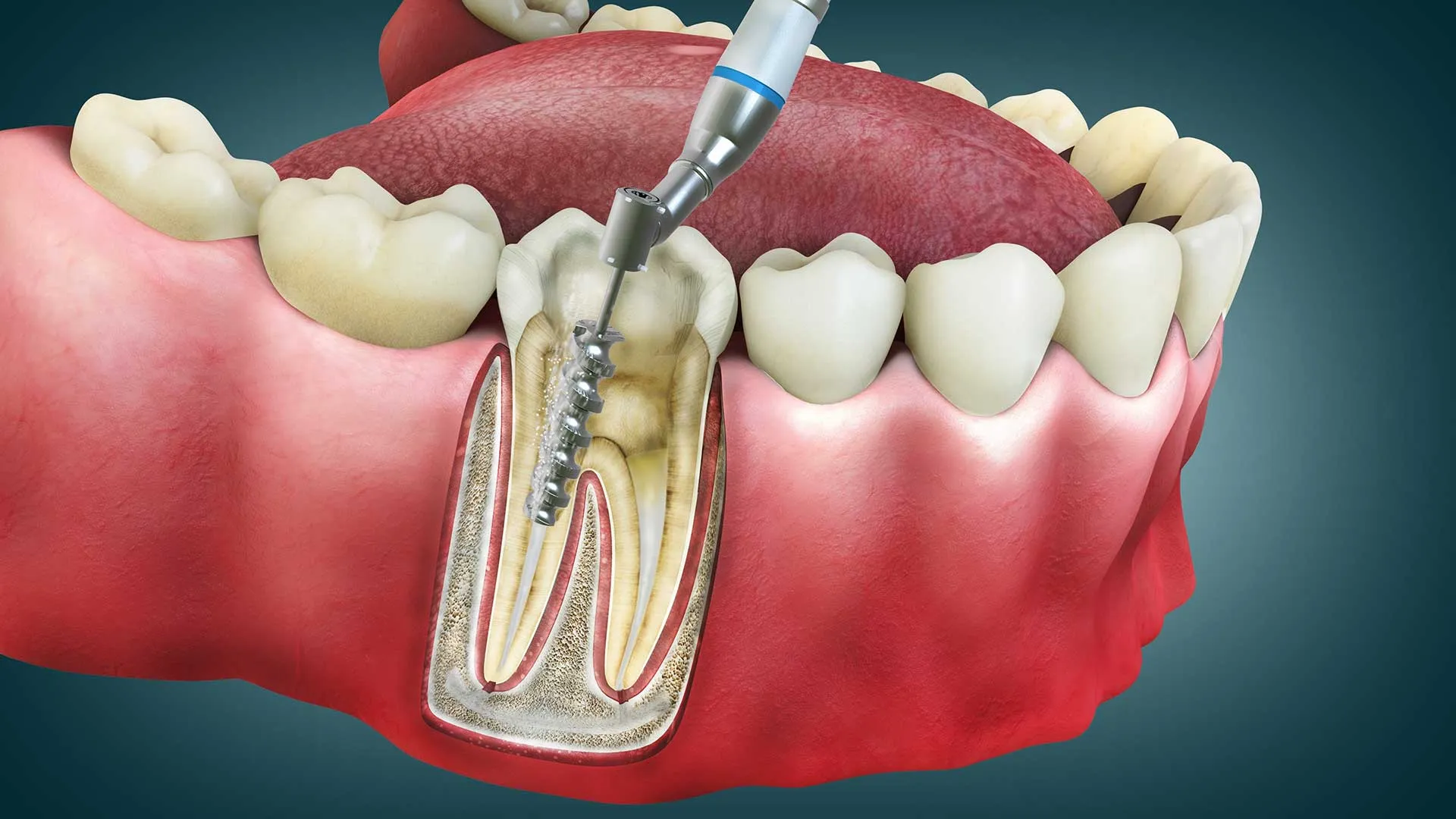
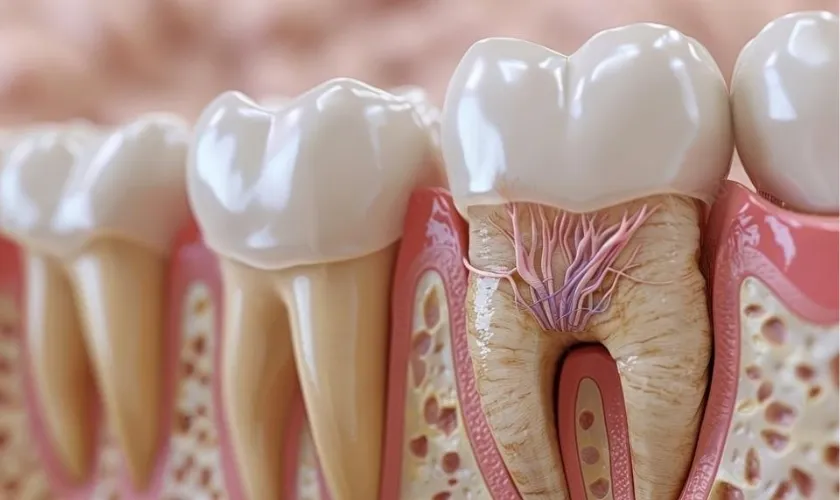
Tooth nerve removal, commonly known as a root canal treatment, is a dental procedure that removes the infected or dead pulp tissue inside a tooth. The pulp contains nerves and blood vessels, and when it becomes inflamed due to decay, deep cavities, or trauma, it causes discomfort and sensitivity. During the treatment, the dentist cleans out the infected area, disinfects the canal, and seals it with a filling material to prevent bacteria from returning. Once completed, the tooth can function normally without pain, even though its nerve is removed.
### Signs You Might Need Tooth Nerve Removal
Many people in Thailand wait until they feel intense pain before visiting a dentist, but catching the signs early can save you time and money. You may need tooth nerve removal if you have:
- Persistent toothache or throbbing pain
- Sensitivity to hot or cold food and drinks
- Swelling or tenderness in the gums
- A small pimple-like bump near the affected tooth
- Darkening of the tooth color
- Pain when biting or chewing
If any of these symptoms sound familiar, it’s best to book an appointment with a dental clinic for evaluation. Early treatment often leads to better outcomes and a more comfortable experience.
### Why Choose to Have This Treatment in Thailand
Thailand has built a strong reputation for excellent dental care, thanks to its combination of high-quality treatment standards and reasonable prices. Many clinics in Bangkok, Chiang Mai, Phuket, and Pattaya cater to both local and international patients, providing advanced dental technology and English-speaking dentists. Thai dentists are well-trained, often holding degrees or additional certifications from abroad, which ensures reliable and professional service.
Another advantage is cost. Root canal treatment in Thailand typically costs a fraction of what it would in Western countries. Even when including travel expenses, many patients find the total cost much more affordable. Most clinics also offer free consultations, flexible scheduling, and transparent pricing, making the process smooth from start to finish.
### The Treatment Process Step by Step
Understanding each step can relieve much of the anxiety patients feel before the procedure. Here’s what usually happens during a tooth nerve removal treatment in Thailand:
1. **Initial Examination and X-rays**
Your dentist will examine the affected tooth and take X-rays to determine the extent of infection and the structure of the tooth. This helps the dentist plan the treat
ment accurately.
2. **Local Anaesthesia**
To ensure you feel no pain, a local anesthetic is applied to numb the tooth and surrounding area. Most patients report feeling pressure but no discomfort during the treatment.
3. **Removal of Infected Pulp**
The dentist uses precision instruments to open the tooth and carefully remove the infected or damaged pulp tissue.
4. **Cleaning and Shaping the Root Canal**
The inside of the tooth is cleaned and shaped to prepare it for filling. Advanced clinics often use rotary tools and magnification systems to ensure high precision.
5. **Filling the Canal and Sealing the Tooth**
Once the canal is thoroughly cleaned, it is filled with a biocompatible material and sealed to prevent future infection. Some dentists may place a temporary filling and schedule another visit for final sealing.
6. **Crown Placement (If Necessary)**
In some cases, a crown is recommended to protect the weakened tooth structure and restore its natural appearance. Dental crowns can be made from ceramic, zirconia, or metal, depending on preference and budget.
### How to Care for Your Tooth After the Procedure
After the treatment, your dentist will provide instructions on how to care for your tooth. Mild sensitivity may occur for a few days, but it usually subsides quickly. Here are some useful tips:
- Avoid hard or sticky food until the treated tooth is fully restored
- Maintain good oral hygiene by brushing twice daily and flossing
- Attend follow-up appointments as advised
- If pain persists or swelling develops, contact your dentist immediately
Proper aftercare ensures that your treatment lasts for many years, allowing your tooth to remain stable and functional.
### Costs and Insurance Information
The cost of tooth nerve removal in Thailand depends on the complexity of the case, the type of tooth (front, premolar, or molar), and the clinic’s location. On average, you can expect prices to range from **THB 3,000 to THB 10,000 per tooth**. Front teeth are usually less expensive because they have fewer roots. Some international dental insurance plans accepted at major Thai clinics may cover part of the procedure, especially if it is medically necessary.
### Finding a Reliable Dental Clinic in Thailand
When choosing a dental clinic, look for one that is **licensed by the Dental Council of Thailand** and has positive patient reviews. Many reputable clinics in Bangkok’s Sukhumvit area, Chiang Mai’s Nimman district, and Phuket’s Patong area cater to foreign visitors and provide transparent service in English. Always confirm the dentist’s qualifications and request a complete treatment plan before starting.
### Final Thoughts
Tooth nerve removal treatment in Thailand offers a safe, efficient, and cost-effective solution for dental pain. With experienced dentists, modern technology, and warm Thai hospitality, patients can expect high-quality care that meets international standards. Whether you live in Thailand or plan to travel here for dental treatment, taking care of your oral health is an investment in your wellbeing — and with the right clinic, you can restore your smile with confidence and comfort.