Thailand Root Canal for Infected Tooth Nerve
Thailand Root Canal for Infected Tooth Nerve
**Thailand Root Canal for Infected Tooth Nerve**
If you’ve ever experienced a sharp pain in your tooth that just won’t go away, it might be more than just a regular cavity. In Thailand, one common dental treatment for a severely damaged or infected tooth nerve is a **root canal**. While many people feel nervous about it, especially after hearing myths about pain or cost, modern dental clinics in Thailand make the process straightforward, comfortable, and surprisingly affordable compared to many other countries.
### Understanding an Infected Tooth Nerve
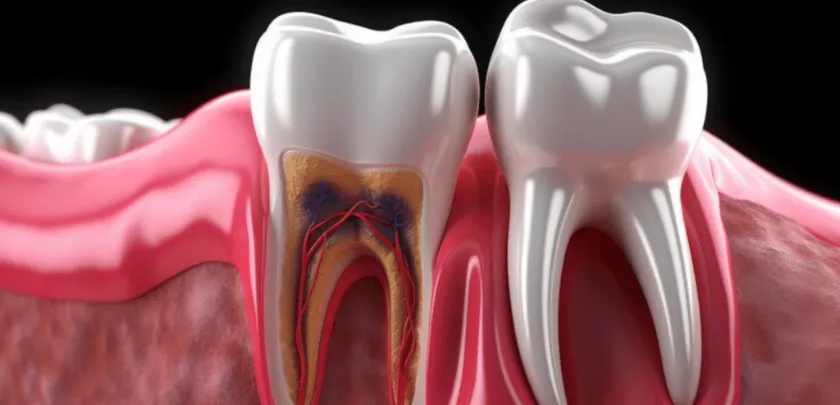
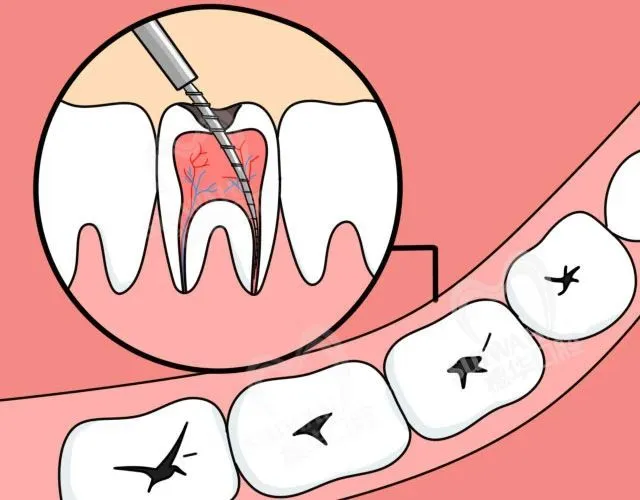
A tooth nerve can become infected when decay, trauma, or cracks reach deep into the pulp — the soft core of the tooth that contains nerves and blood vessels. In Thailand, dentists often explain that when bacteria get into the pulp, it can cause inflammation, severe pain, and sometimes swelling around the gums. If left untreated, the infection could spread further, potentially affecting overall health.
Signs you might be dealing with an infected tooth nerve include:
- Persistent toothache
- Sensitivity to hot or cold that lingers
- Pain when chewing or biting
- Swelling around the tooth or jaw
- Darkened or discolored tooth
If you notice these symptoms, visiting a dental clinic promptly is the best move. Many Thai dentists emphasize that early treatment can save the tooth and prevent more complicated procedures later.
### Why Choose a Root Canal in Thailand
Thailand has earned a strong reputation in dental tourism, especially for complex procedures like root canals. There are several reasons patients — both locals and foreigners — feel confident getting this treatment here:
1. **Qualified Dentists** – Many Thai dentists hold international certifications or have trained abroad, bringing high-level expertise to local clinics.
2. **Modern Equipment** – Clinics in Bangkok, Chiang Mai, Phuket, and other cities often invest in the latest technology, including digital X-rays and rotary tools for faster, more precise treatments.
3. **Affordable Pricing** – Compared to western countries, root canal costs in Thailand can be significantly lower while still maintaining excellent standards.
4. **Patient Comfort** – In Thai culture, a warm and friendly service is important. Many clinics focus on making the experience as stress-free as possible, using gentle communication and offering clear explanations before starting.
This combination of skill, technology, and approachable patient care has made Thailand a reliable choice for dental work.
### The Root Canal Process in Thailand
A root canal may sound intimidating, but the steps are actually quite structured. In Thailand, the typical procedure goes like this:
1. **Diagnosis** – The dentist will take X-rays to confirm the infection and assess the root canals’ condition.
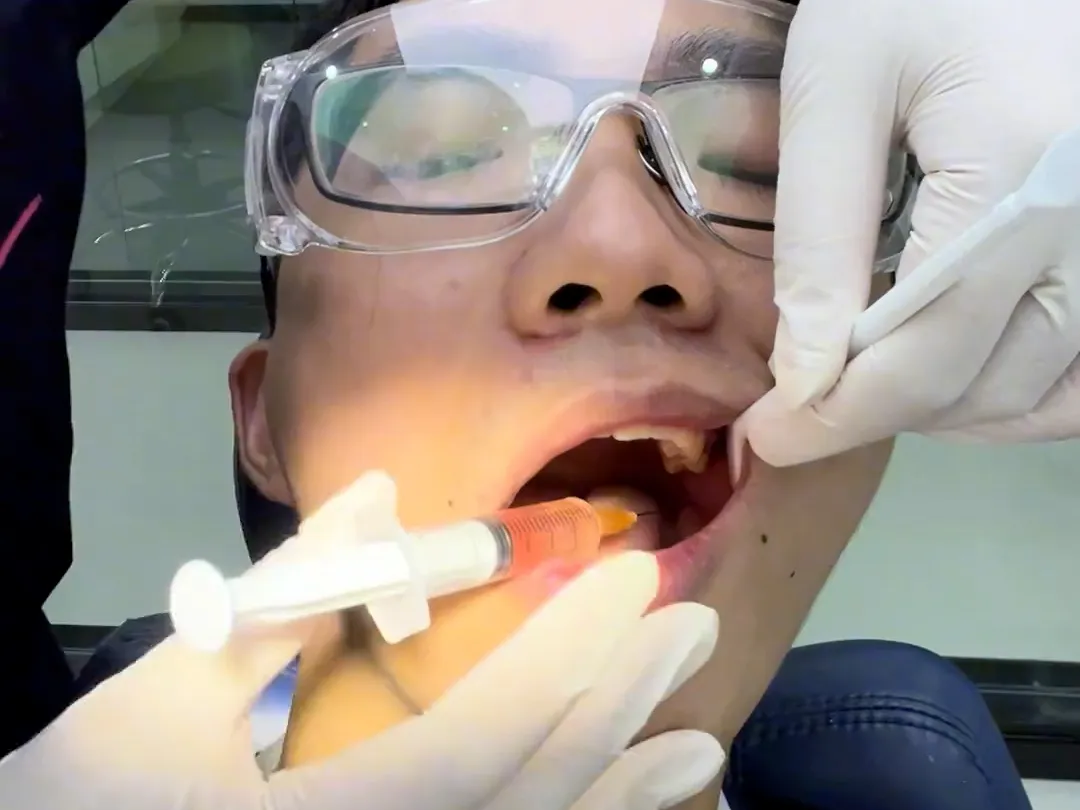
2. **Local Anesthesia** – Contrary to old myths, root canals today are done under effective anesthesia, meaning you sh
ouldn’t feel pain during the procedure.
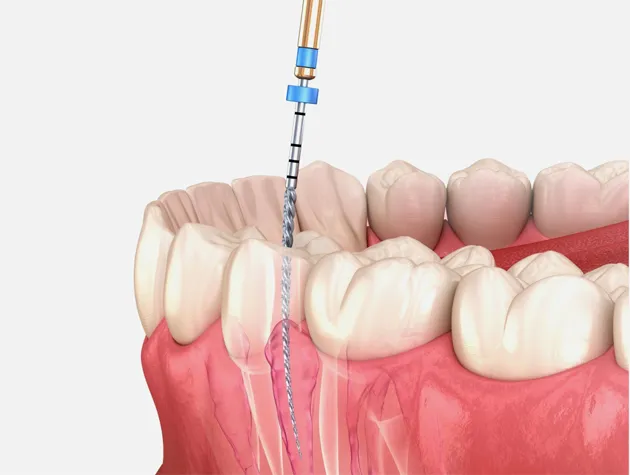
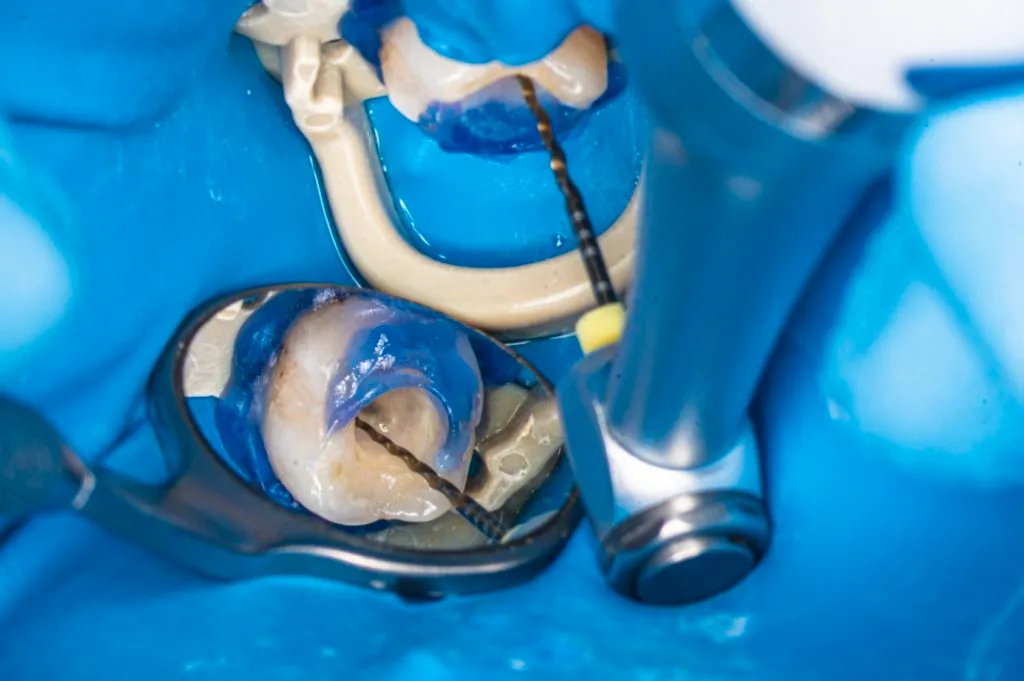
3. **Cleaning the Canals** – The infected pulp is carefully removed, and the canals inside the tooth are cleaned to eliminate bacteria.
4. **Shaping and Filling** – After cleaning, the canals are shaped, then filled with a special material to prevent future infection.
5. **Restoration** – Finally, a crown or filling is placed to protect the tooth and restore normal function.
Depending on the severity of infection, the procedure might take one or more visits. In tourist areas, clinics often accommodate tight travel schedules by offering flexible booking and faster turnaround if possible.
### Recovery and Aftercare
After a root canal in Thailand, mild soreness for a day or two is normal, but intense pain usually disappears quickly once the infection is gone. Dentists typically recommend over-the-counter pain relief and avoiding very hard or sticky foods until the tooth is fully restored.
Maintaining oral hygiene is essential — brushing twice a day, flossing regularly, and scheduling routine dental check-ups. For visitors, it’s also a good idea to get a copy of your dental records to bring home, in case you need follow-up care later.
### Cost Considerations
In Thailand, root canal prices vary depending on the tooth’s location (front teeth are often cheaper than molars), the clinic’s location, and the dentist’s experience. On average, you might pay between **5,000 THB to 12,000 THB** for the treatment, with crowns costing extra. International patients often find that even including travel expenses, the total cost can still be lower than back home.
### Choosing the Right Clinic
With so many dental clinics in Thailand, selecting the right one takes a bit of research. Look for:
- **Qualifications and Certifications** – Check if the dentist is registered with the Dental Council of Thailand.
- **Clear Communication** – Ensure they can explain procedures and costs in English if needed.
- **Patient Reviews** – Online feedback can give insight into real patient experiences.
- **Hygiene Standards** – A clean, modern environment matters for safety and comfort.
Many high-quality clinics are located in areas popular with both locals and tourists, such as Sukhumvit in Bangkok, Nimman in Chiang Mai, and Patong in Phuket.
### Final Thoughts
Dealing with an infected tooth nerve can be a painful experience, but in Thailand, getting a root canal is a reliable and cost-effective solution. With skilled dentists, modern facilities, and a welcoming approach to patient care, you can protect your natural teeth without unnecessary stress.
If you’re living in Thailand or visiting for holiday and suddenly face severe tooth pain, don’t delay — find a reputable clinic, get a proper diagnosis, and consider a root canal to save your tooth and restore your smile. A healthy smile not only feels good but also boosts your confidence wherever you go in the Land of Smiles.