Thailand Root Canal Therapy for Late Stage Tooth Decay
Thailand Root Canal Therapy for Late Stage Tooth Decay
**Thailand Root Canal Therapy for Late Stage Tooth Decay**
When tooth decay goes beyond what a simple filling can fix, many people start to feel anxious about what’s next. In Thailand, where dental care is both advanced and affordable, root canal therapy has become a trusted solution for saving damaged teeth. If youve ever experienced severe tooth pain or been told you might need a root canal, understanding how the procedure works here can help you feel more confident about your treatment options.
### Understanding Late Stage Tooth Decay
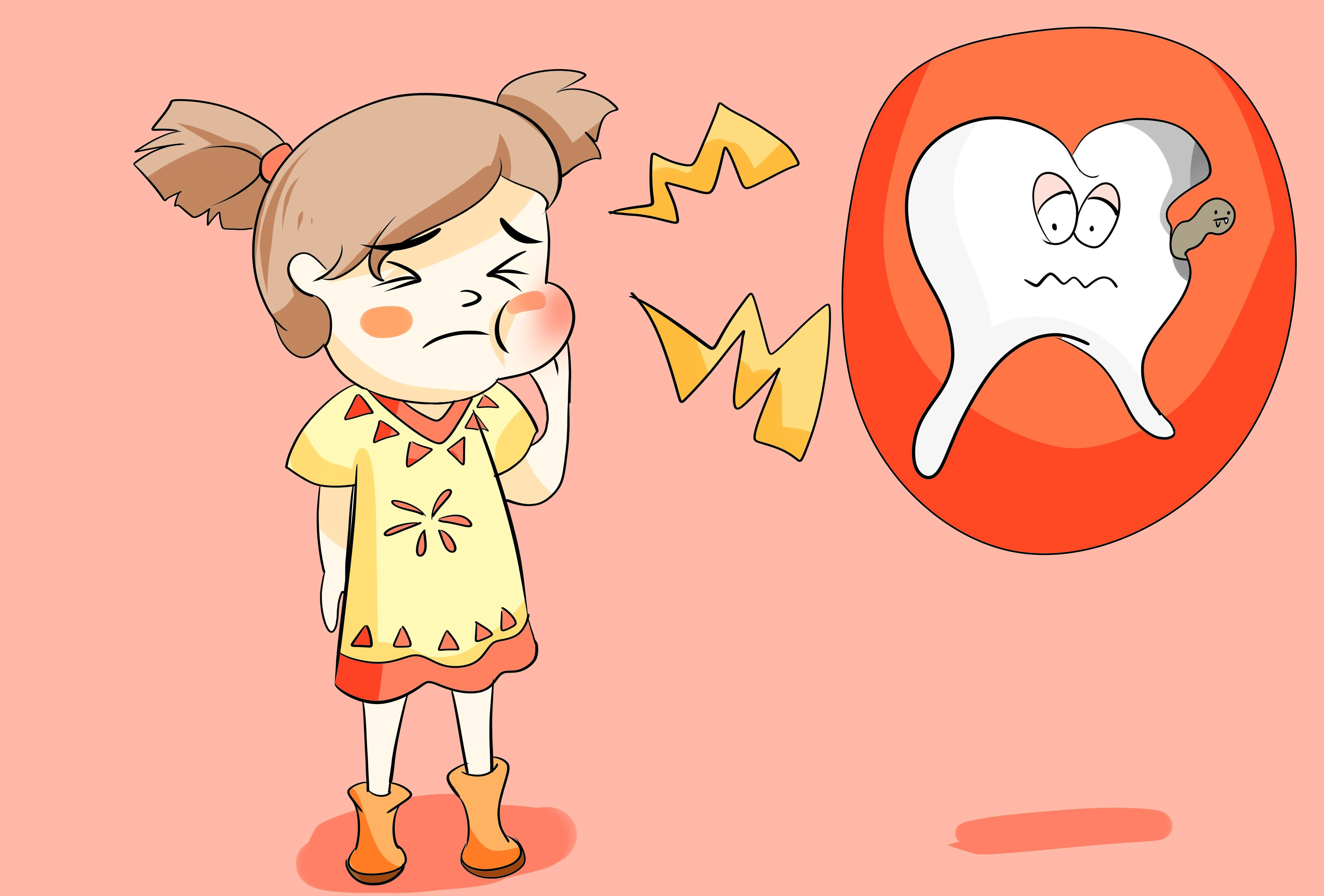
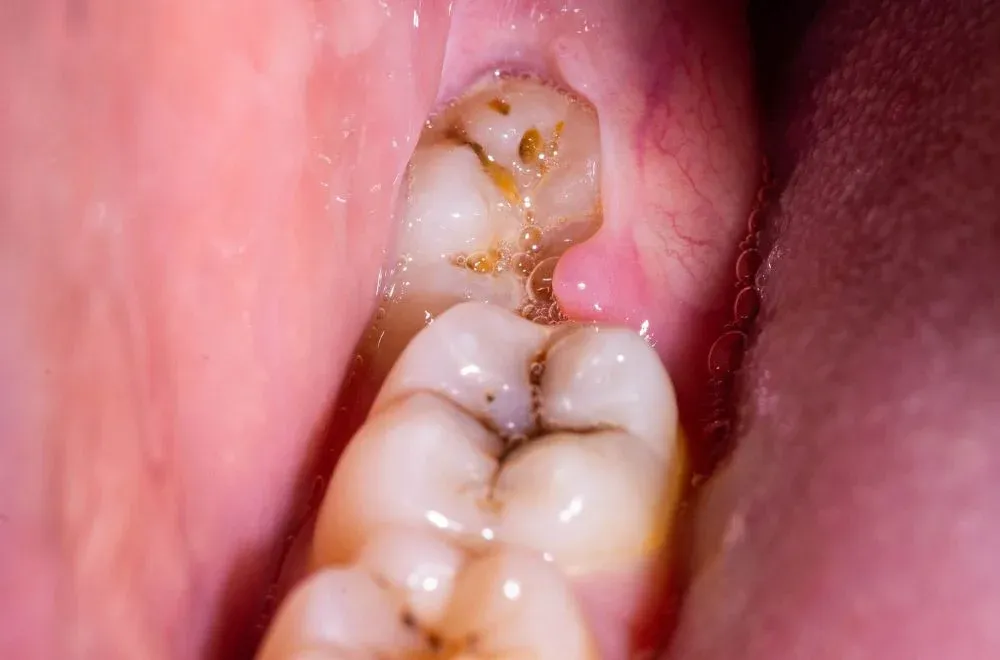
Late stage tooth decay happens when bacteria have penetrated deep into the tooth, reaching the pulp — the innermost part of the tooth that contains nerves and blood vessels. When this happens, you may feel sharp, throbbing pain, sensitivity to hot or cold food, or even swelling around the gum. Ignoring these symptoms can lead to infection and, in worst cases, tooth loss.
Many Thais tend to delay dental visits until pain becomes unbearable, often due to busy schedules or fear of dental treatment. However, once decay progresses to this stage, root canal therapy (known locally as “รักษาคลองรากฟัน”) becomes the only way to preserve the tooth without an extraction.
### What Is Root Canal Therapy?
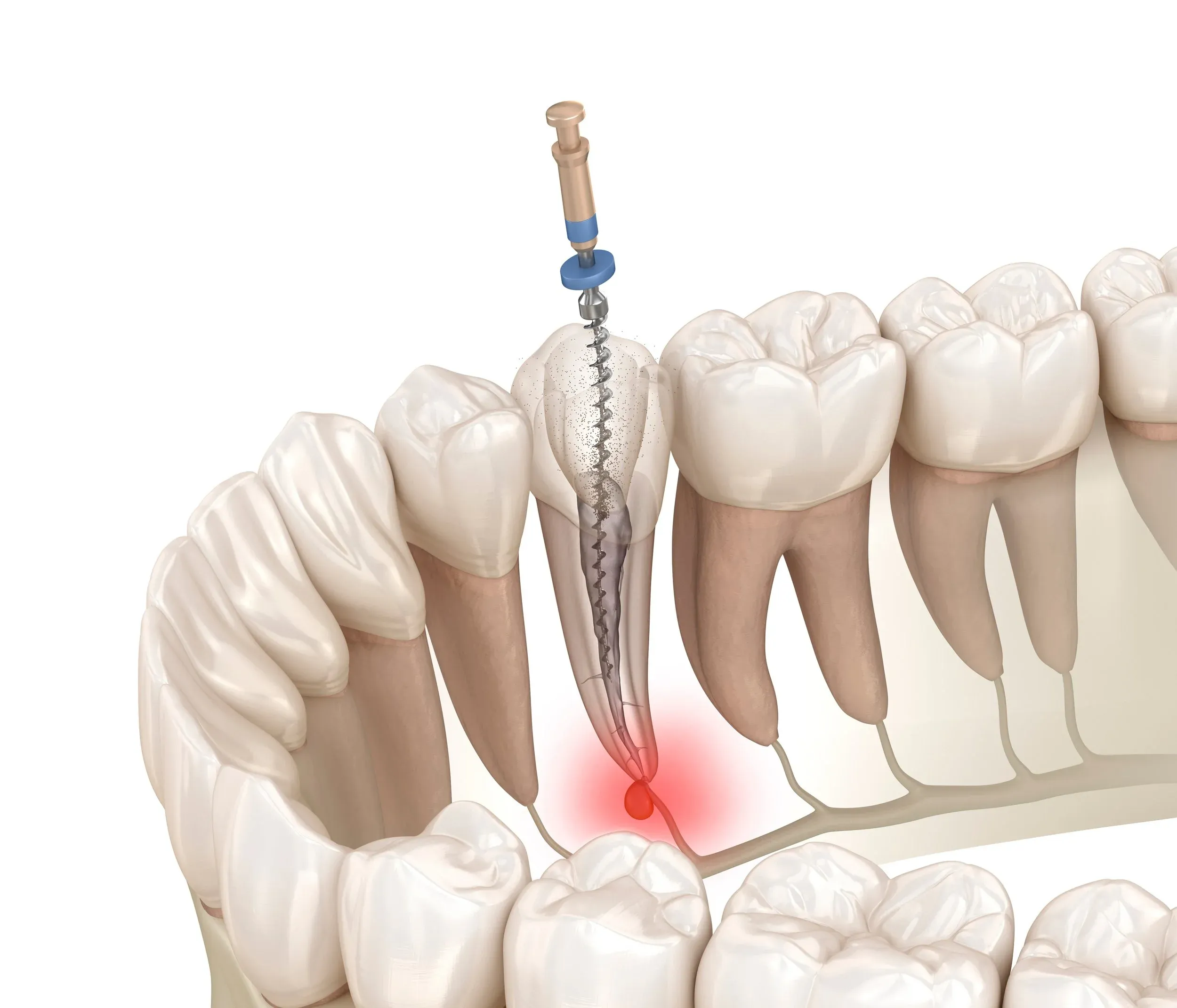
Root canal therapy is a dental procedure designed to remove infected or damaged pulp inside the tooth. During the treatment, your dentist cleans and disinfects the inside of the tooth, removes bacteria, and seals it with a special filling material. This process prevents reinfection and restores the tooth’s strength, allowing you to chew and bite normally again.
In Thailand, root canal treatments are typically performed by experienced general dentists or endodontic specialists. Clinics in major cities such as Bangkok, Chiang Mai, and Phuket are equipped with modern dental technology, including digital X-rays and rotary instruments, which help make the process smoother and less painful than many people expect.
### The Root Canal Procedure in Thailand
A typical root canal procedure in Thailand involves several steps:
1. **Diagnosis and Consultation:**
Your dentist begins with an X-ray to assess how far the decay has spread. You’ll also discuss any symptoms you’ve experienced and learn about the treatment plan.
2. **Numbing the Area:**
Local anesthesia ensures you feel no pain during the procedure. Thai dentists are known for being gentle and making patients feel comfortable throughout treatment.
3. **Cleaning the Root Canal:**
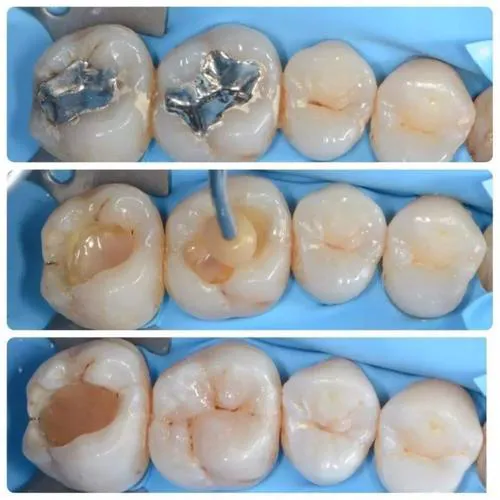
The dentist makes a small opening in the tooth to reach the pulp chamber. The infected tissue is carefully removed, and the area is disinfected to eliminate any remaining bacteria.
4. **Filling and Sealing:**
Once cleaned, the space is filled with a special material called gutta-percha. This seals the tooth and prevents any future bacterial invasion.
5. **Restoration:**
Fi
nally, a crown or permanent filling is placed over the treated tooth to protect it and restore normal function.
### Why Choose Thailand for Root Canal Therapy?
Thailand has built a strong reputation for high-quality and affordable dental care. Many locals and international visitors opt to receive root canal treatments in Thai dental clinics for several reasons:
- **Affordable Costs:**
The cost of root canal therapy in Thailand is generally lower than in Western countries, without compromising quality. Even treatments at private clinics remain accessible to most patients.
- **Highly Trained Dentists:**
Thai dentists often undergo international training or postgraduate education, ensuring a consistent standard of care and up-to-date dental practices.
- **Modern Equipment:**
From digital radiographs to advanced sterilization systems, Thai clinics keep pace with international dental standards.
- **Warm Hospitality:**
Thais are known for their friendly and caring service. Many patients mention how comfortable and relaxed they feel, even during a normally stressful procedure.
### Recovery and Aftercare Tips
After your root canal, mild discomfort is normal for a few days, especially when chewing. Your dentist may recommend pain relievers and advise you to avoid hard foods until the tooth fully recovers. Practicing good oral hygiene is essential — brush twice daily, floss gently, and visit your dentist regularly to ensure your treated tooth stays healthy.
In some cases, your dentist might recommend a dental crown for additional protection, especially if the tooth was severely damaged. Crowns are available in different materials — from porcelain to zirconia — allowing you to choose the best match for your aesthetic and functional needs.
### Preventing Future Tooth Decay
While root canal therapy is effective, prevention is always better than cure. Keep your teeth strong and healthy with a consistent dental care routine. Limit sugary snacks and drinks, visit your dentist for checkups every six months, and don’t ignore even minor tooth discomfort. In Thailand’s tropical climate, where sweet beverages and spicy foods are part of everyday life, taking care of your teeth helps you enjoy life’s pleasures without pain.
### Final Thoughts
Root canal therapy in Thailand offers a balance of advanced treatment, affordability, and compassionate care. For those facing late stage tooth decay, it can be the difference between saving your natural tooth and losing it altogether. With modern technology, skilled dentists, and a calm, welcoming environment, Thai dental clinics make the experience much easier than most people imagine.
If you’ve been suffering from persistent tooth pain or sensitivity, don’t wait until it becomes unbearable. A timely consultation with a Thai dentist could help you save your tooth — and restore your smile with confidence.