Thailand Root Canal for Severe Tooth Infection
Thailand Root Canal for Severe Tooth Infection
**Thailand Root Canal for Severe Tooth Infection**
When you’re living in or visiting Thailand and end up with a severe toothache that just won’t go away, chances are you might be dealing with a serious tooth infection. In many cases, the immediate and most effective solution is a root canal treatment. While the term “root canal” can sound intimidating, in Thailand it’s a common procedure performed with modern techniques, experienced dentists, and costs that are often more affordable compared to Western countries. Let’s break it down so you understand exactly what to expect.
---
**Understanding Severe Tooth Infection**
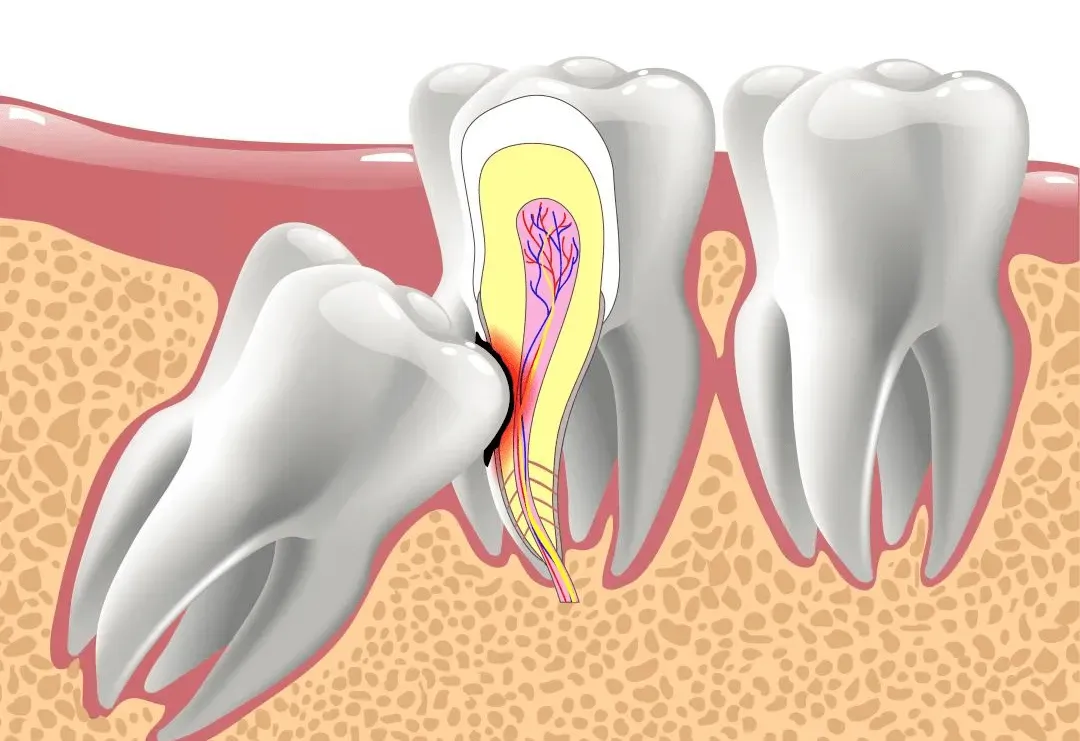
A severe tooth infection happens when bacteria penetrate deep into the tooth and reach the pulp — the soft tissue inside made up of nerves and blood vessels. In Thailand, dentists often explain this condition as “tooth decay going all the way to the heart of the tooth.” Symptoms you might notice include sharp pain, swelling in the gums, sensitivity when eating hot or cold food, and sometimes a pimple-like bump on the gum near the tooth.
If left untreated, the infection can spread beyond the tooth, causing swelling in the face, fever, or even more serious health complications. That’s why dentists across Bangkok, Chiang Mai, Phuket, and other cities often recommend root canal treatment as soon as possible to save the tooth rather than extracting it.
---
**What is a Root Canal Treatment in Thailand?**
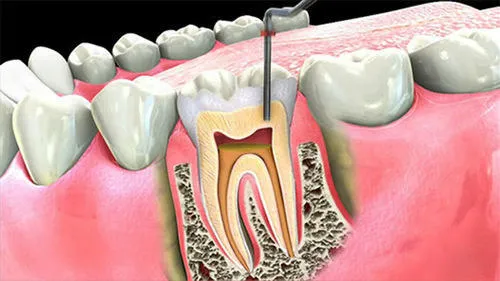
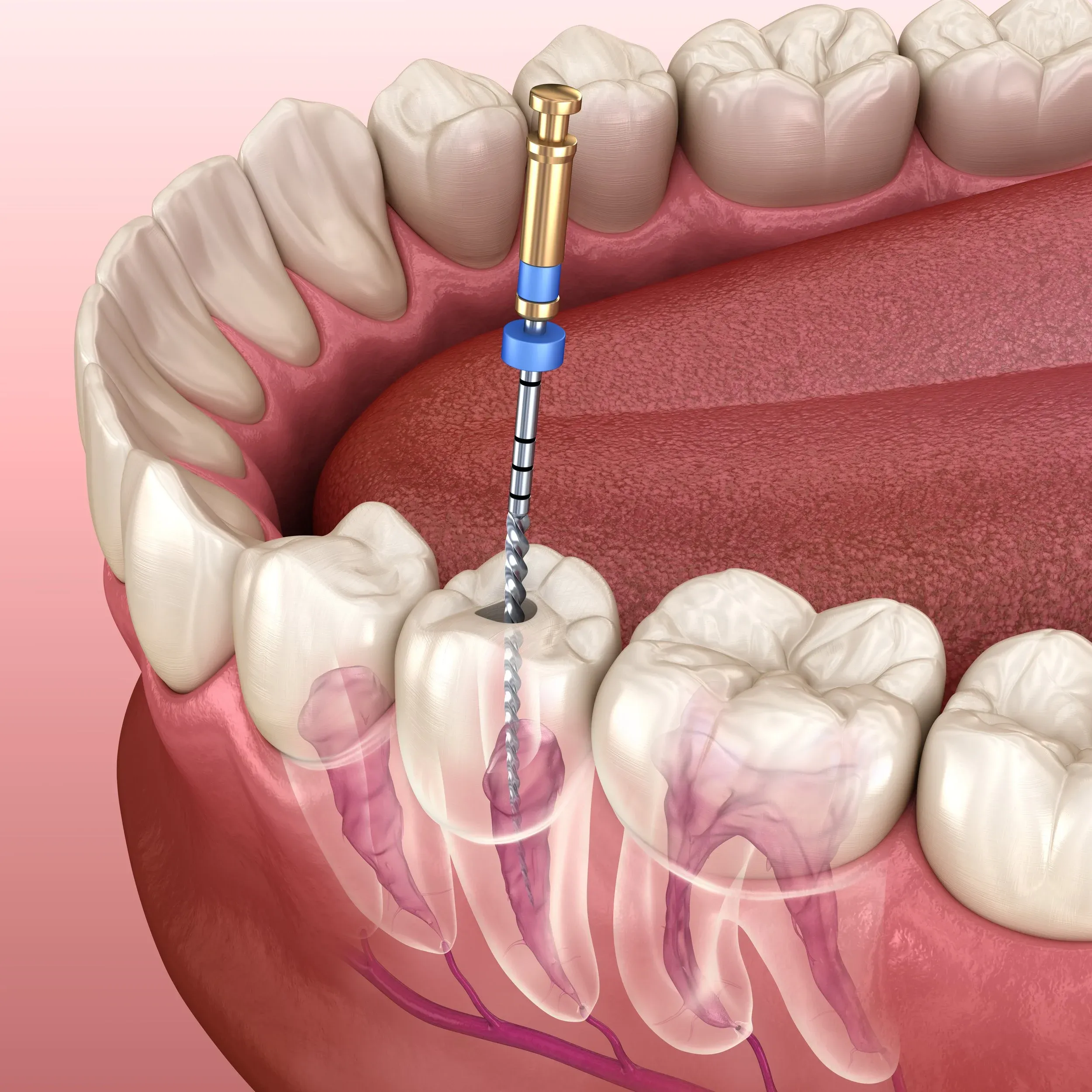
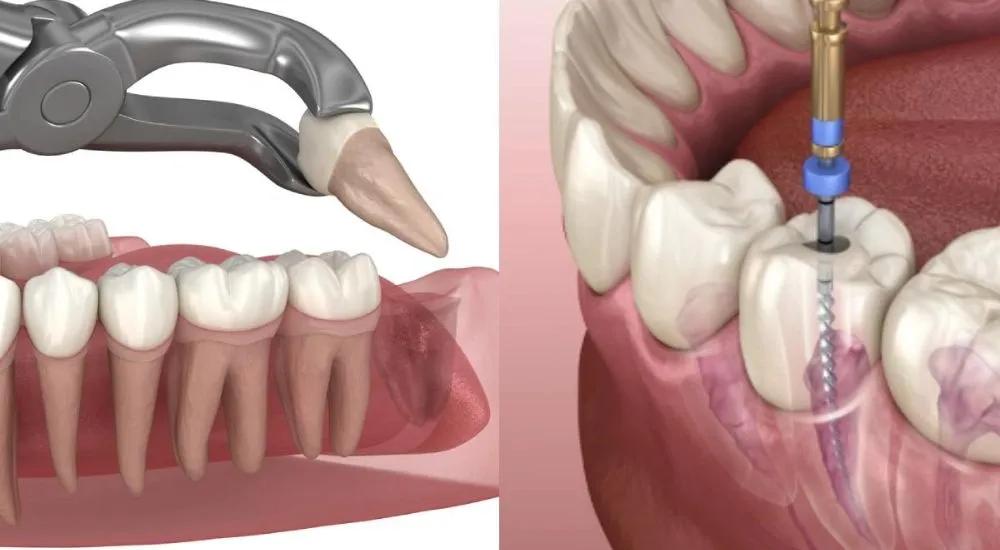
A root canal is a dental procedure where the infected pulp is removed, the inside of the tooth is cleaned and disinfected, and then the empty space is filled and sealed. In Thailand, most modern dental clinics follow international protocols and use advanced tools like rotary instruments and digital X-rays to ensure precision.
Dentists here usually complete the treatment over one to three visits, depending on the severity of the infection and the complexity of the tooth’s root system. Molars, for example, tend to take longer than front teeth because they have more canals to treat. After the cleaning and sealing, a crown is often placed to protect the tooth and restore its full function.
---
**Why Choose Thailand for a Root Canal?**
1. **High-Quality Dental Care** – Many dental clinics in Thailand have English-speaking dentists trained internationally. The equipment and sterilization standards meet or exceed global expectations, giving patients peace of mind.
2. **Affordable Cost** – Root canal treatment in Thailand is significantly more budget-friendly compared to countries like the US, Australia, or the UK. Even with a crown included, many patients find the total cost less than half of what they would pay back home.
3. **Convenient Access** – Whether you are in Bangkok’s central Sukhumvit area, Chiang Mai’s Old City, or the tourist hubs of Pattaya and Phuket, finding a clinic is easy. Many operate with flexible hours to accommodate travelers and working
residents.
4. **Warm, Comfortable Experience** – Local dentists are known for their gentle approach and friendly service. Combined with a relaxed Thai atmosphere, this often helps reduce anxiety about the procedure.
---
**Step-by-Step Experience of a Root Canal in Thailand**
When you arrive at the clinic, you’ll usually go through:
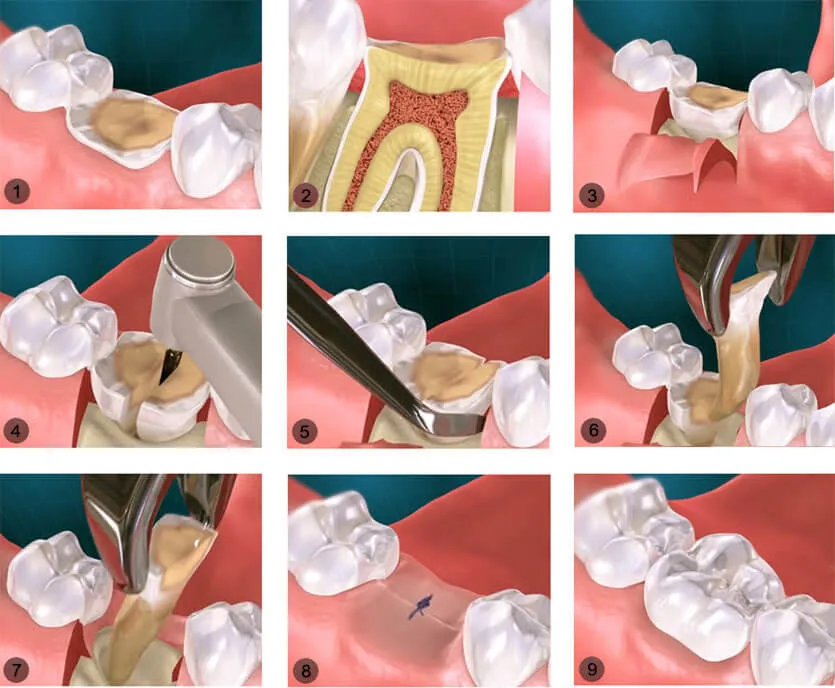
- **Consultation & X-ray** – The dentist examines your tooth and takes an X-ray to see the extent of the infection. This step is quick and painless.
- **Local Anesthesia** – Your dentist numbs the area, making the process comfortable and virtually pain-free.
- **Cleaning the Canals** – Using specialized instruments, the dentist removes infected pulp and bacteria. This is done carefully to preserve as much of the tooth as possible.
- **Filling & Sealing** – After cleaning, the space inside is filled with a biocompatible material to prevent future infection.
- **Crown Placement** – In most cases, a permanent crown is placed to protect the tooth from fracture. In Thailand, patients often choose between ceramic, porcelain-fused-to-metal, or full zirconia crowns depending on budget and preference.
---
**Aftercare and Recovery Tips**
Post-treatment discomfort is usually mild and can be managed with over-the-counter pain relievers. Thai dentists often recommend avoiding very hard or chewy foods for a few days and maintaining good oral hygiene with gentle brushing and regular flossing.
A follow-up visit may be scheduled to check on healing and ensure the crown fits perfectly. The good news? Once a root canal is done properly, the treated tooth can last a lifetime with proper care, allowing you to eat, smile, and speak without issues.
---
**Preventing Severe Tooth Infections**
While Thailand makes root canal treatments accessible and comfortable, prevention is always better than cure. Here are three simple habits to keep your teeth healthy:
- Brush at least twice a day and floss daily.
- Visit a dental clinic for cleaning and check-ups every six months.
- Limit sugary snacks and drinks, which can increase the risk of decay.
Many Thai residents and expats find it easy to keep up with dental care because clinics are plentiful and costs are relatively low compared to many countries.
---
**Final Thoughts**
A severe tooth infection doesn’t have to ruin your stay in Thailand or disrupt your daily life. With modern dental facilities, experienced professionals, and reasonable pricing, root canal treatment here is both efficient and patient-friendly. Whether you’re an expat, a long-term traveler, or a local, you can find top-quality care without breaking the bank.
By addressing dental issues promptly and choosing a reliable clinic, you’ll keep your smile bright and healthy for years to come — and spend more time enjoying Thailand’s beautiful beaches, vibrant street markets, and delicious food rather than worrying about tooth pain.