Thailand Root Canal Therapy for Chronic Gum Pain
Thailand Root Canal Therapy for Chronic Gum Pain
**Thailand Root Canal Therapy for Chronic Gum Pain**
Living in Thailand, many people enjoy sweet foods, iced drinks, and spicy dishes that make dining here fun and flavorful. But along with this lifestyle, dental issues such as tooth decay and gum pain have become common. Chronic gum pain, in particular, can affect daily life—making it uncomfortable to eat, speak, or even smile. One of the most effective treatments for this problem is **root canal therapy**, a procedure that removes infection from inside the tooth while saving it from extraction. In Thailand, root canal treatment has become widely available, affordable, and performed with advanced techniques that help patients keep their natural teeth healthy for years.
### Understanding Chronic Gum Pain
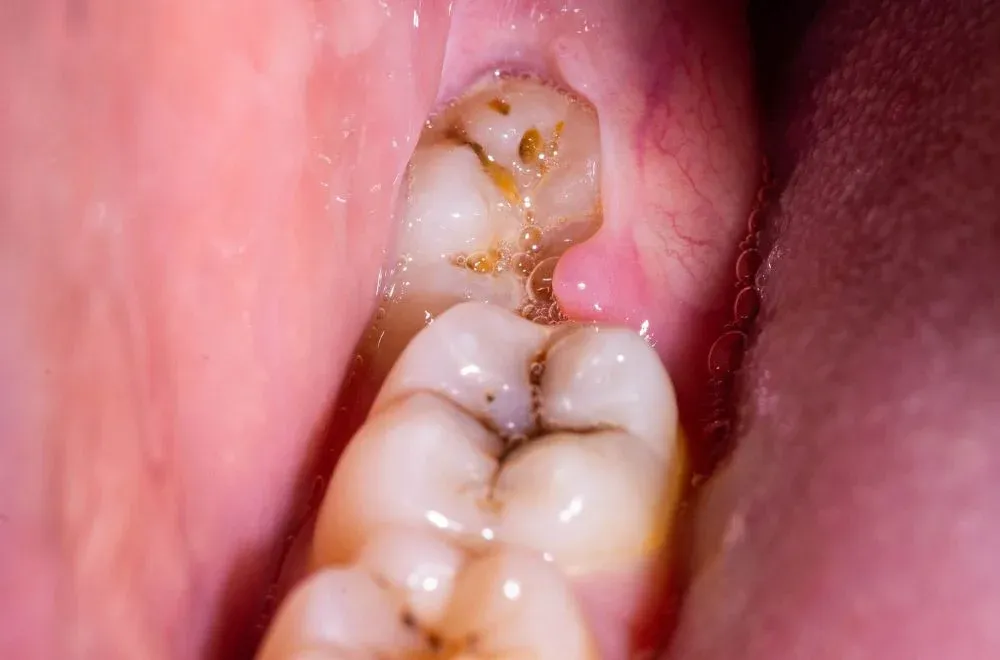
Chronic gum pain often develops as a result of untreated cavities, deep infection, or trauma to the tooth. It may start as mild sensitivity to hot or cold food and gradually progress to throbbing pain that persists even when you’re not eating. Sometimes, the pain feels concentrated around the gums, but the actual source lies deep within the tooth root, where nerves and blood vessels are located. If ignored for too long, this infection can spread, causing swelling, abscesses, and even bone loss around the affected tooth.
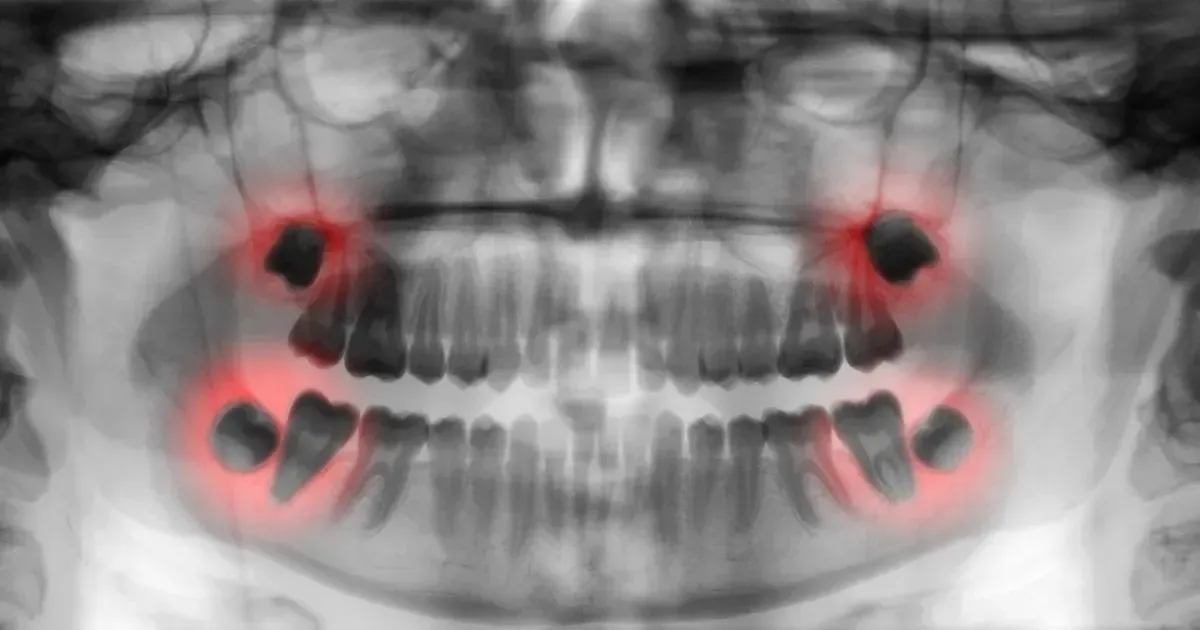
Many patients in Thailand tend to delay dental visits until the pain becomes unbearable. However, early diagnosis and treatment can make a big difference. Once X-rays or dental examinations confirm that the infection has reached the pulp of the tooth, the dentist may recommend root canal therapy to eliminate the source of pain and preserve the natural tooth structure.
### What Is Root Canal Therapy?
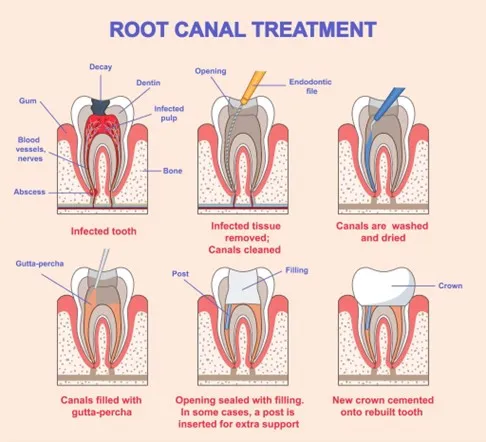
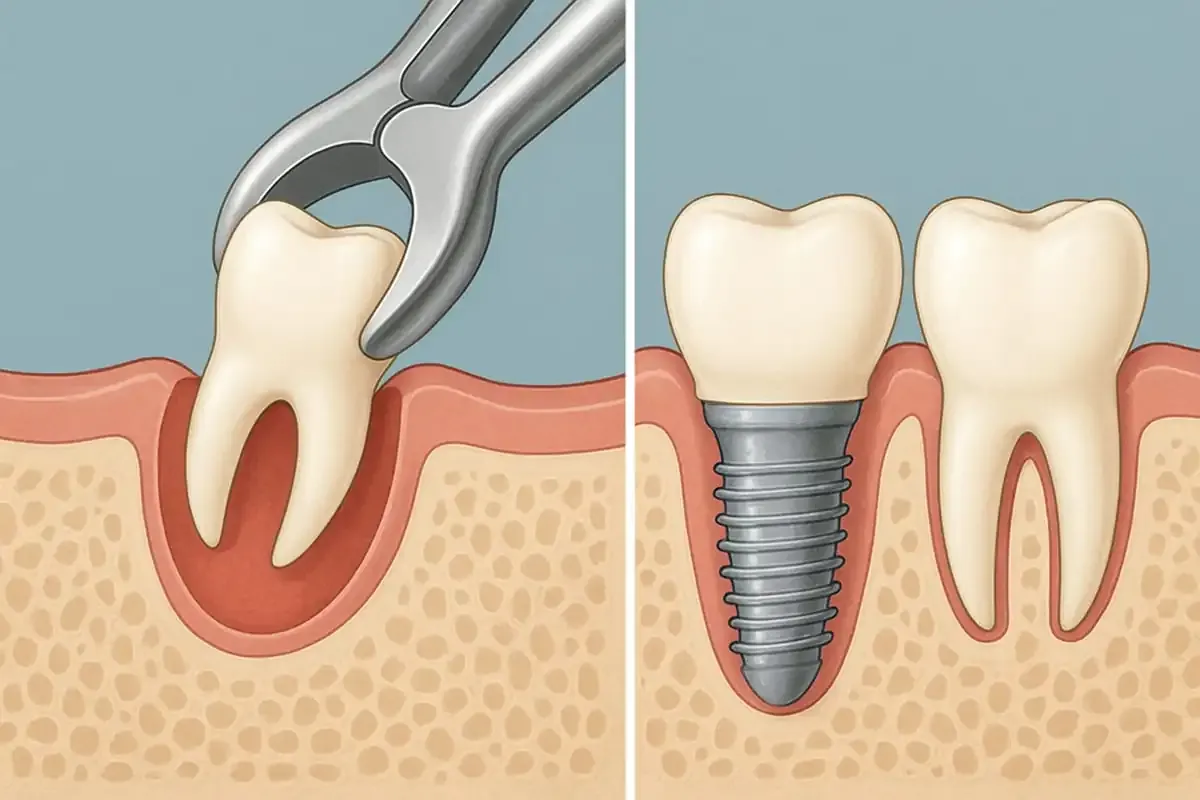
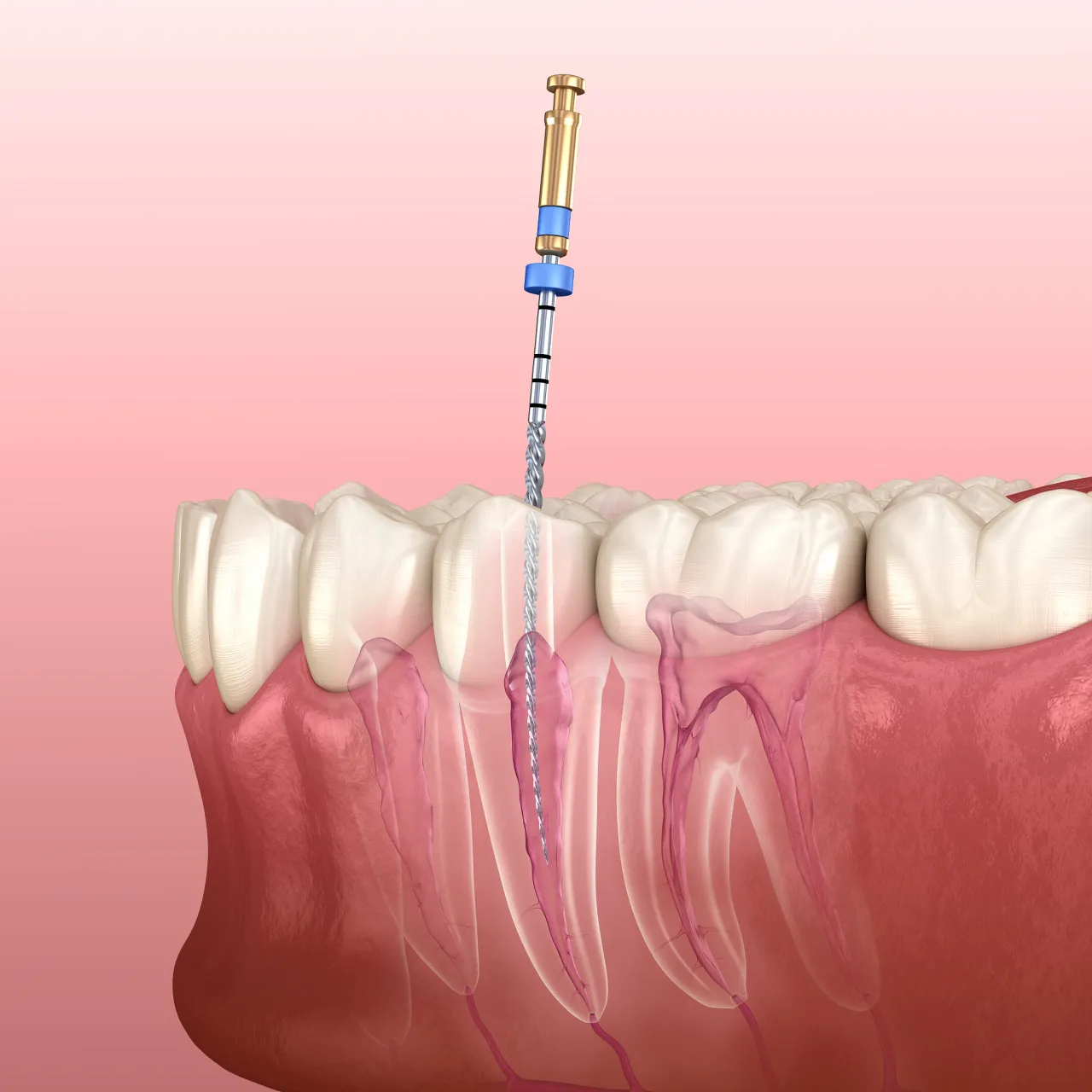
Root canal therapy, or **endodontic treatment**, involves removing the infected or damaged pulp tissue inside a tooth. After cleaning and shaping the inner canal, the dentist fills and seals it with a special material to prevent reinfection. This procedure allows you to keep your natural tooth instead of having it extracted and replaced with a bridge or implant.
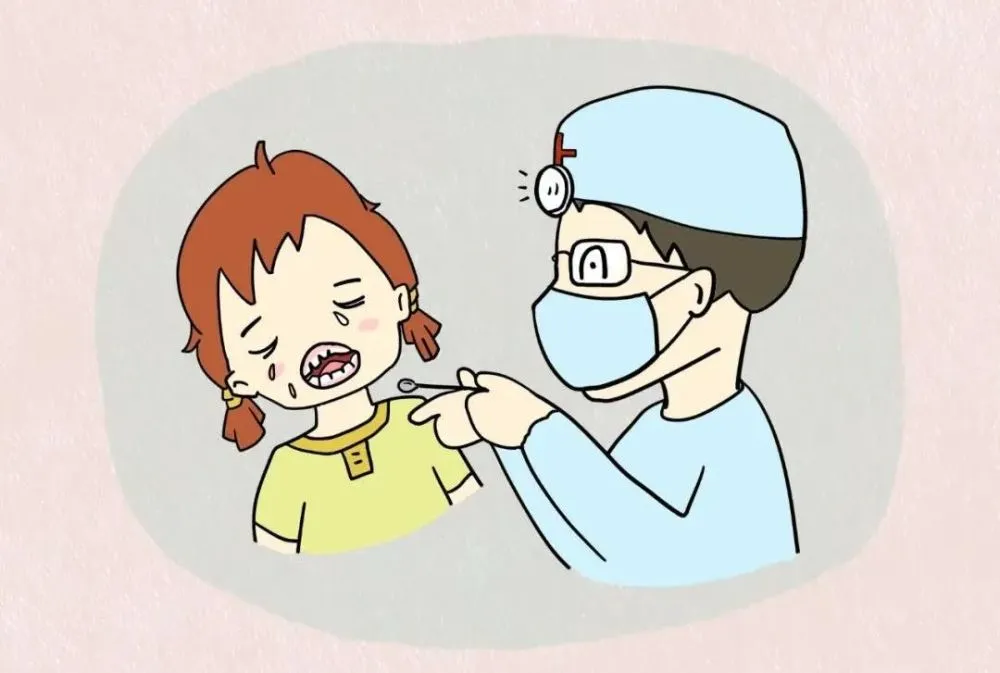
In Thailand, dental clinics—especially in Bangkok, Chiang Mai, and Phuket—use modern rotary instruments, digital X-rays, and microscope-assisted technology to perform root canal therapy efficiently and comfortably. For patients who are nervous about dental treatment, clinics also provide options like mild sedation or numbing gels that make the experience surprisingly painless.
### Why Choose Root Canal Therapy in Thailand?
**1. High-quality yet affordable dental care:**
Thailand is known across Asia for its high standard of dental treatment at much lower prices compared to Western countries. Root canal therapy, for example, may cost only a fraction of what it would in Europe or the United States. Many local Thais as well as international patients come to Thailand for this reason, confident that they can receive premium care without breaking the bank.
**2. Experienced dentists and modern technology:**
Thai dentists are well-trained, often with international certification or postgraduate degrees from universities abroad. Clinics are equipped with digital imaging, ultrasonic cleaning systems, and sterilization technology that meet global standards. This combination ensures precise diagnosis and excellent results.
**3. Convenient locations and warm service:**
Thai dental clinics are easy to find, from busy city centers to beachside towns. Staff members are welcoming and multilingual, making the entire visit stress-free for both locals and visitors. The familiar “Thai smile” helps patients feel relaxed, even before the treatment begins.
### The Step-by-Step Process of a Root Canal
The procedure usually takes one to three visits, depending on the condition of the tooth. Here’s what most patients can expect:
1. **Examination and X-ray:** The dentist identifies the infected area and plans the treatment.
2. **Anesthesia:** Local anesthesia is applied to numb the tooth and surrounding tissue.
3. **Cleaning:** The infected pulp is removed, and the canals are cleaned and shaped carefully.
4. **Filling and sealing:** The cleaned canals are filled with a biocompatible material to prevent future infection.
5. **Restoration:** In most cases, a dental crown or filling is placed to strengthen and protect the tooth.
After the procedure, mild discomfort may occur for a day or two, but it usually subsides quickly. Dentists often advise avoiding very hard or sticky foods until the tooth is fully restored.
### Caring for Your Smile After Treatment
Completing root canal therapy does not mean dental care ends there. Proper oral hygiene and regular check-ups are essential to maintain healthy gums and teeth. Brushing twice a day with fluoride toothpaste, flossing daily, and using an antibacterial mouthwash can help keep infection at bay. In Thailand’s warm climate, where sugary drinks and snacks are easy to find, it’s important to rinse your mouth after consuming them to prevent plaque buildup.
Dentists also recommend having a professional cleaning every six months. This not only ensures long-term success of your root canal treatment but also helps maintain brighter, fresher breath.
### A Healthier Smile, a Better Life
For anyone struggling with chronic gum pain, root canal therapy can be a life-changing solution. It allows you to eat your favorite Thai dishes, smile confidently, and experience daily comfort without constant dental discomfort. Thanks to Thailand’s skilled dental professionals, modern facilities, and affordable costs, patients can receive world-class treatment and retain their natural teeth for many years.
In short, if chronic gum pain has been affecting your quality of life, don’t wait until the pain worsens. Visit a trusted dental clinic in Thailand to have your teeth checked. Modern root canal therapy here is safe, precise, and effective—helping restore not just your oral health, but also your bright Thai smile.