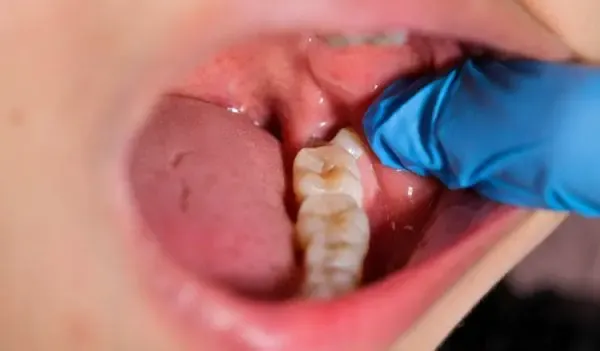
Thailand Root Canal Therapy for Throbbing Tooth Pain
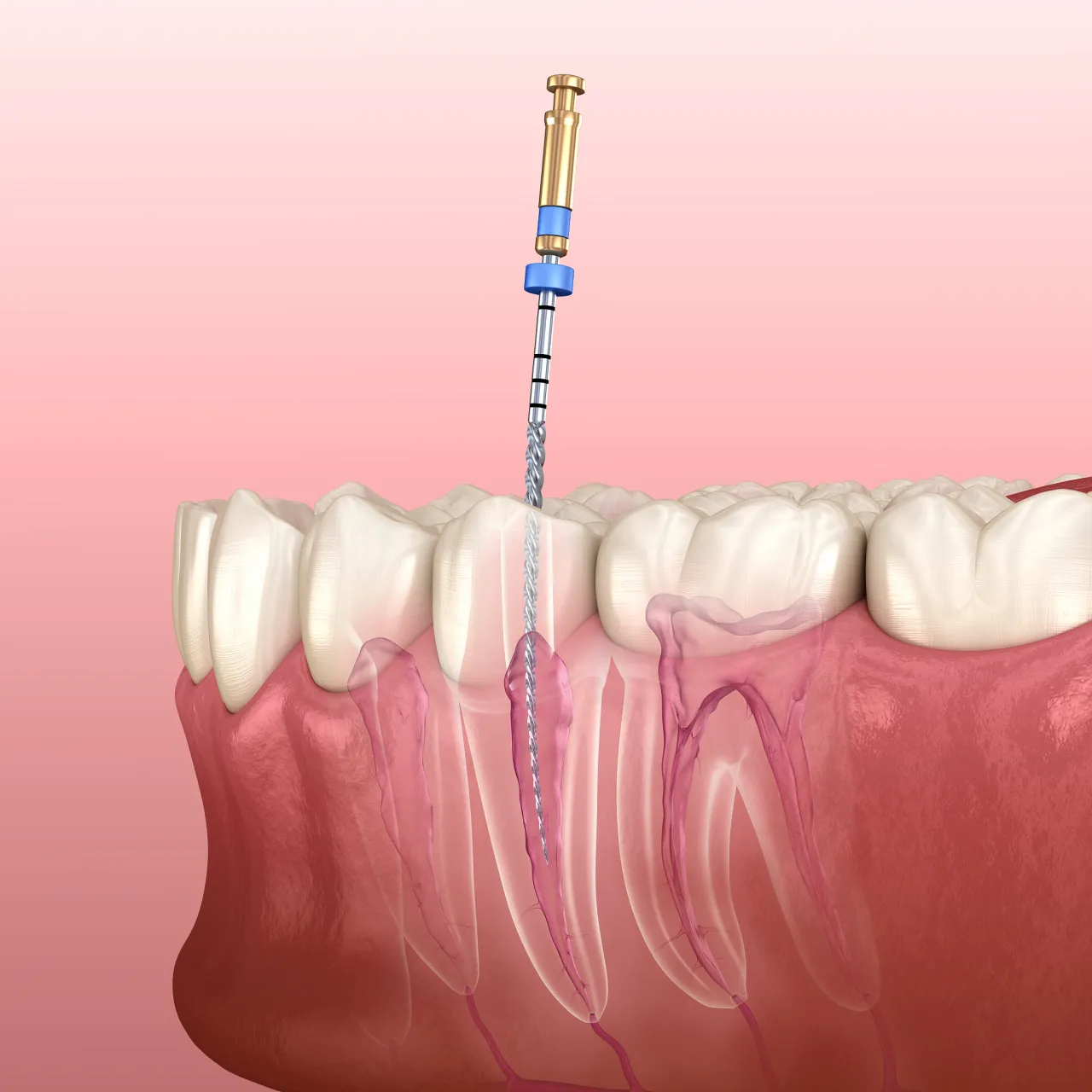
Thailand Root Canal Therapy for Throbbing Tooth Pain
**Thailand Root Canal Therapy for Throbbing Tooth Pain**
If you’ve ever felt a deep, persistent throbbing pain in your tooth — one that doesn’t go away no matter how many painkillers you take — chances are you may be dealing with an infected or damaged tooth nerve. In Thailand, dental treatments have become increasingly advanced and affordable compared to many other countries, and root canal therapy is one of the most commonly recommended solutions for this kind of pain. Understanding how root canal treatment works, what to expect, and where to find reliable dental care in Thailand can help you make a more comfortable decision about your oral health.
**What Causes Throbbing Tooth Pain?**
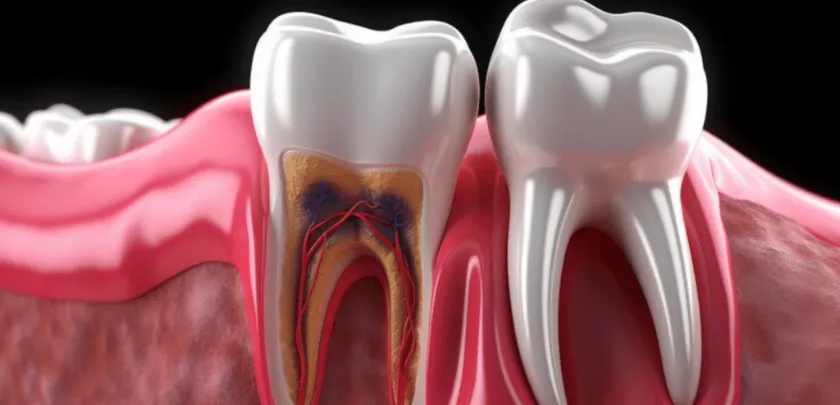
Throbbing tooth pain usually signals that the pulp — the soft inner part of the tooth containing nerves and blood vessels — is inflamed or infected. This can happen due to untreated cavities, cracks, trauma, or gum disease. When bacteria reach the pulp through deep decay or injury, infection sets in, leading to swelling, sensitivity, and severe pain. Many people in Thailand initially try home remedies like salt-water rinses, herbal compresses, or over-the-counter painkillers, but once the nerve is infected, professional dental treatment becomes necessary.
**Why Root Canal Therapy Is Recommended**
Root canal therapy, also known locally as endodontic treatment, focuses on saving the natural tooth instead of removing it. Unlike tooth extraction, which can lead to gaps and requires replacements like implants or bridges, a root canal keeps your natural structure intact. In Thailand, dentists emphasize preserving original teeth whenever possible — and root canal treatment is a key method for doing that.
During the procedure, the dentist removes the infected pulp, cleans the inside of the tooth, disinfects it thoroughly, and then seals it with a special filling material called gutta-percha. To strengthen the treated tooth, a crown is often placed on top. The process eliminates infection and pain while restoring function, making eating and smiling comfortable again.
**Step-by-Step of Root Canal Treatment in Thailand**
Thai dental clinics usually follow internationally recognized techniques and use modern equipment. Here’s how the process generally works:
1. **Diagnosis and Examination:**
The dentist first takes digital X-rays to identify the extent of infection. In Thailand, many clinics use 3D imaging to ensure accuracy.
2. **Local Anaesthesia:**
To ensure comfort, a local anaesthetic is given so you won’t feel pain during the procedure. Most clinics in Bangkok, Chiang Mai, and Phuket prioritize patient comfort and explain each step clearly.
3. **Cleaning and Shaping the Root Canal:**
The infected pulp is carefully removed using microscopic tools. The canal is then shaped and cleaned with antibacterial solutions.
4. **Filling and Sealing:**
Once cleaned, the tooth’s canal is filled and sealed to prevent future infection.
5. **Restorative Crown:**
A custom-made crown is fitted, matching your natural tooth color. This crown protects the treated tooth and restores normal chewing function.
Thai dentists are known for their gentle care and detailed explanations — they make sure you understand what’s happening before proceeding. Many expats and tourists mention that the treatme
nt feels surprisingly comfortable and professional compared to other countries.
**Cost of Root Canal Therapy in Thailand**
One of the main reasons people choose Thailand for dental treatment is the cost advantage. Root canal therapy in Thailand typically costs between THB 4,000 and THB 15,000 per tooth, depending on complexity, location, and type of crown used. This price is significantly lower than in Western countries, while maintaining high quality and hygienic standards. Most clinics offer transparent pricing upfront, and many accept international health insurance or credit card payments.
**Recovery and Aftercare Tips**
After a root canal, mild tenderness around the treated tooth is common for a few days. Dentists usually prescribe pain medication or recommend over-the-counter options. Following good oral hygiene — brushing twice a day, flossing daily, and avoiding hard foods until the crown is fitted — helps ensure smooth healing.
In Thailand, dentists often suggest scheduling a follow-up visit within one or two weeks to check healing progress. Drinking plenty of water and maintaining balanced nutrition also supports quick recovery. Because Thai food can be spicy and sometimes crunchy, it’s wise to choose soft dishes such as *khao tom* (rice porridge) or steamed fish while your tooth is healing.
**Choosing the Right Dental Clinic in Thailand**
Thailand offers a wide range of dental clinics, from local community dental offices to internationally accredited hospitals. Many clinics in Bangkok, Chiang Mai, Pattaya, and Phuket specialize in dental tourism and have English-speaking dentists. When selecting a clinic, look for factors such as modern sterilization standards, positive patient reviews, and clear communication. Clinics certified by the Thai Dental Council or Joint Commission International (JCI) are usually trustworthy choices.
Additionally, most Thai dentists are known for their warm hospitality — they take time to make patients feel comfortable. For foreigners or expats, language is rarely a barrier since many Thai dentists have studied abroad and are fluent in English.
**Advantages of Getting Root Canal Therapy in Thailand**
People choose root canal therapy in Thailand for many reasons: affordable costs, advanced technology, skilled professionals, and a relaxed atmosphere. The country’s reputation for healthcare tourism extends far beyond cosmetic dentistry — restorative treatments like root canals are handled with precision and care. Combining dental treatment with Thailand’s welcoming environment makes the experience unique. Some patients even take a short holiday before or after their dental appointments to enjoy the beaches, temples, and local culture.
**Final Thoughts**
Throbbing tooth pain should never be ignored because it can signal serious infection that might spread further if untreated. Root canal therapy provides relief and helps preserve your natural smile. With Thailand’s top-quality dental services, modern technology, and reasonable pricing, it’s no wonder many locals and visitors trust Thai dentists for endodontic care.
If you’re facing persistent tooth pain and looking for professional yet affordable treatment, Thailand’s root canal therapy could be the answer — offering both effective pain relief and lasting dental health in the Land of Smiles.