Thailand Root Canal for Failed Dental Fillings
Thailand Root Canal for Failed Dental Fillings
**Thailand Root Canal for Failed Dental Fillings**
Dental health plays an important role in our overall well-being, but sometimes even the best dental work can encounter problems. In Thailand, many people visit their dentists regularly for fillings, believing that once the cavity is treated, the tooth will remain healthy for years. However, when a dental filling fails — whether due to wear, decay underneath, or accidental damage — it can lead to more serious issues, sometimes requiring a root canal procedure.
Understanding why fillings fail and how root canal treatment works will help you make better decisions about your oral health. In Thai dental clinics, patients often ask, “Why do I need a root canal if I already had a filling?” Let’s explore the reasons and what to expect if you face this situation in Thailand.
### Why Dental Fillings Fail
Dental fillings are designed to restore teeth damaged by cavities and to protect them from further decay. Most fillings, whether composite, amalgam, or ceramic, last for several years. However, there are situations that can cause them to fail:
- **Secondary decay:** Sometimes bacteria find their way underneath the filling edges, creating new decay.
- **Wear and tear:** Frequent chewing, grinding, or biting hard foods can cause fillings to crack or break.
- **Poor bonding:** If the filling wasn’t bonded properly or the tooth structure was already compromised, it can loosen.
- **Changes in bite:** Shifting teeth or dental misalignment can place added pressure on the filled tooth.
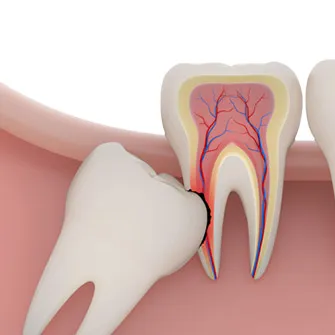
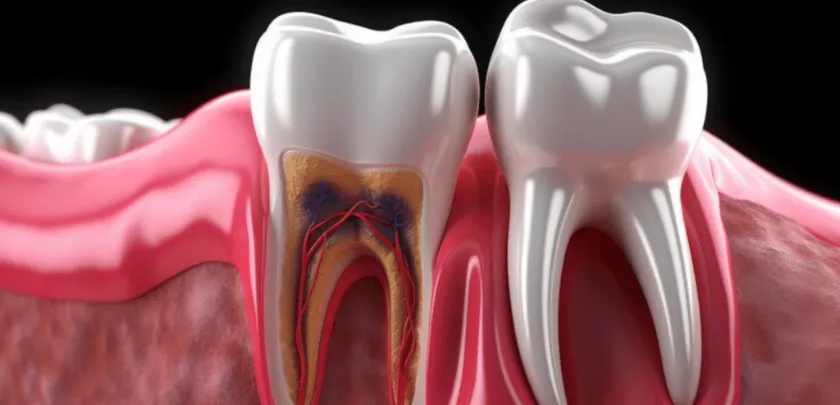
When these issues develop, the tooth underneath the filling becomes exposed to bacteria, possibly reaching the dental pulp — the inner tissue containing nerves and blood vessels. Once the pulp is infected or inflamed, a root canal may be the only effective treatment to save the tooth.
### Root Canal Treatment in Thailand
A root canal in Thailand is known for being straightforward and relatively comfortable, thanks to advanced dental technology and experienced dentists. Unlike in the past, when patients feared discomfort, modern techniques allow for quick and efficient treatment with minimal pain.
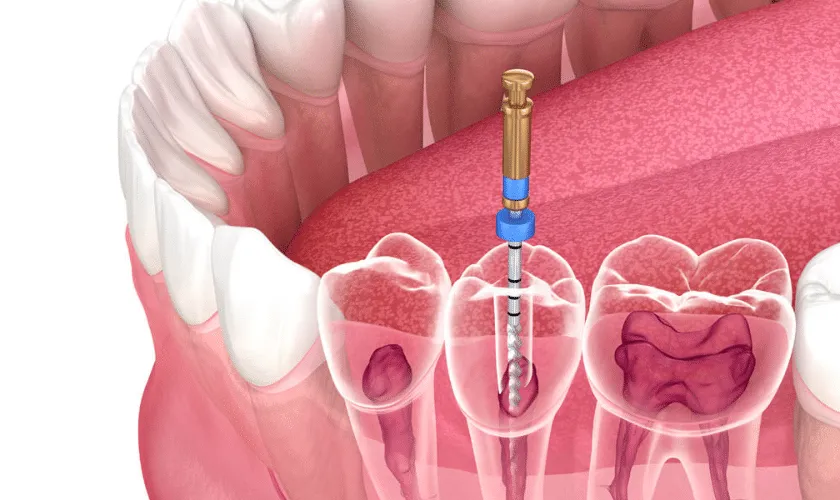
The procedure typically follows these steps:
1. **Diagnosis:** Thai dentists often use digital X-rays and intraoral cameras to check the extent of the damage.
2. **Anaesthesia:** Local anaesthesia ensures you won’t feel pain during the treatment.
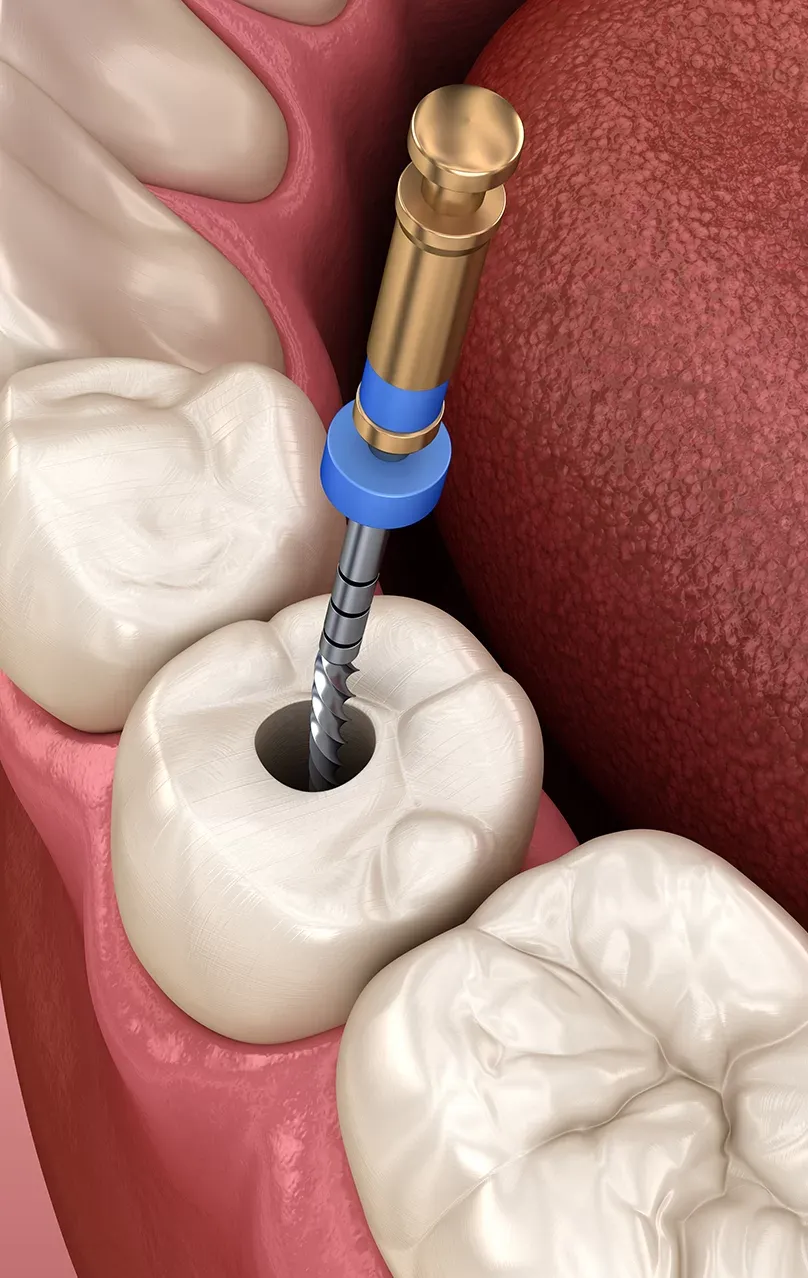
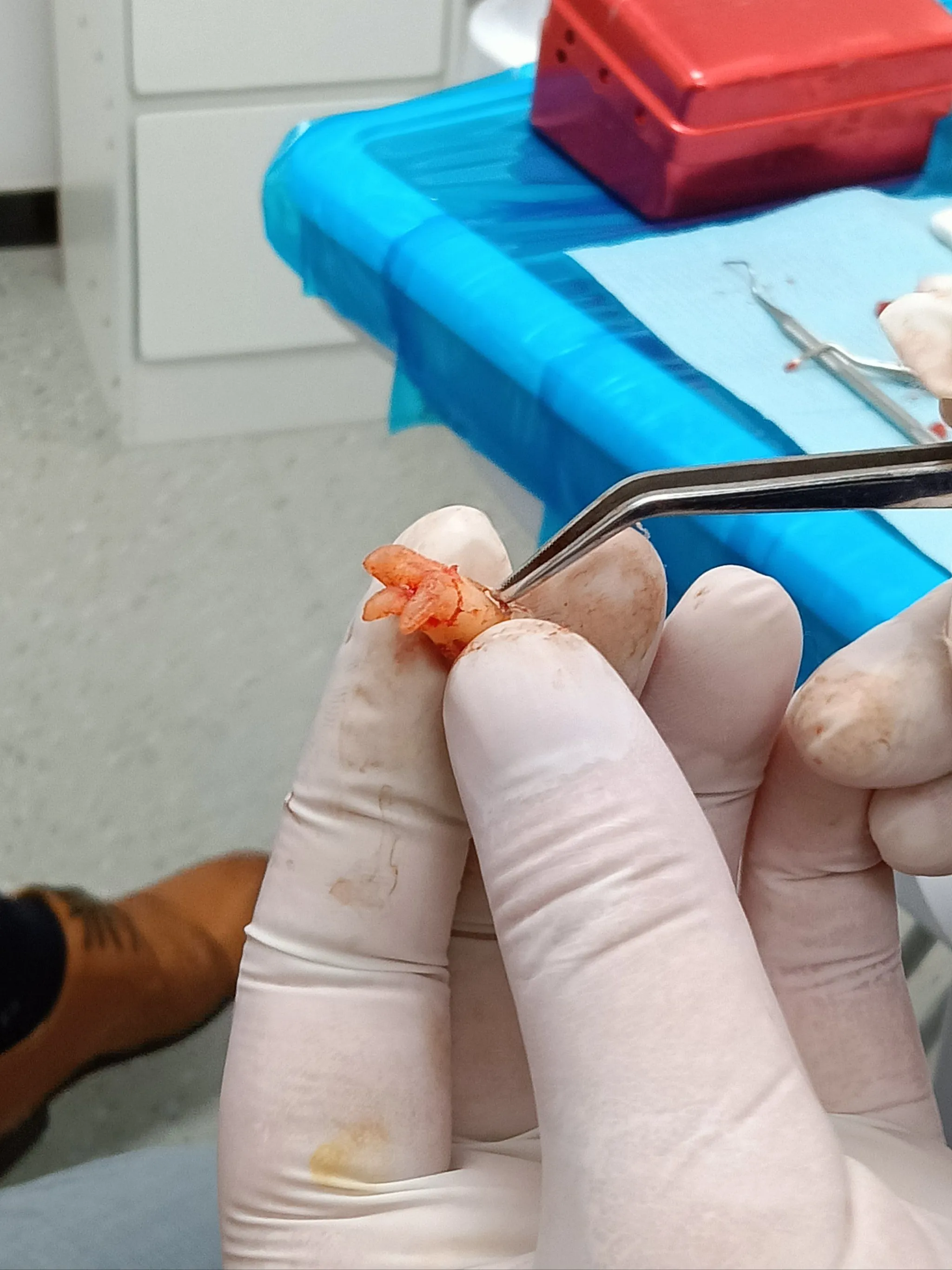
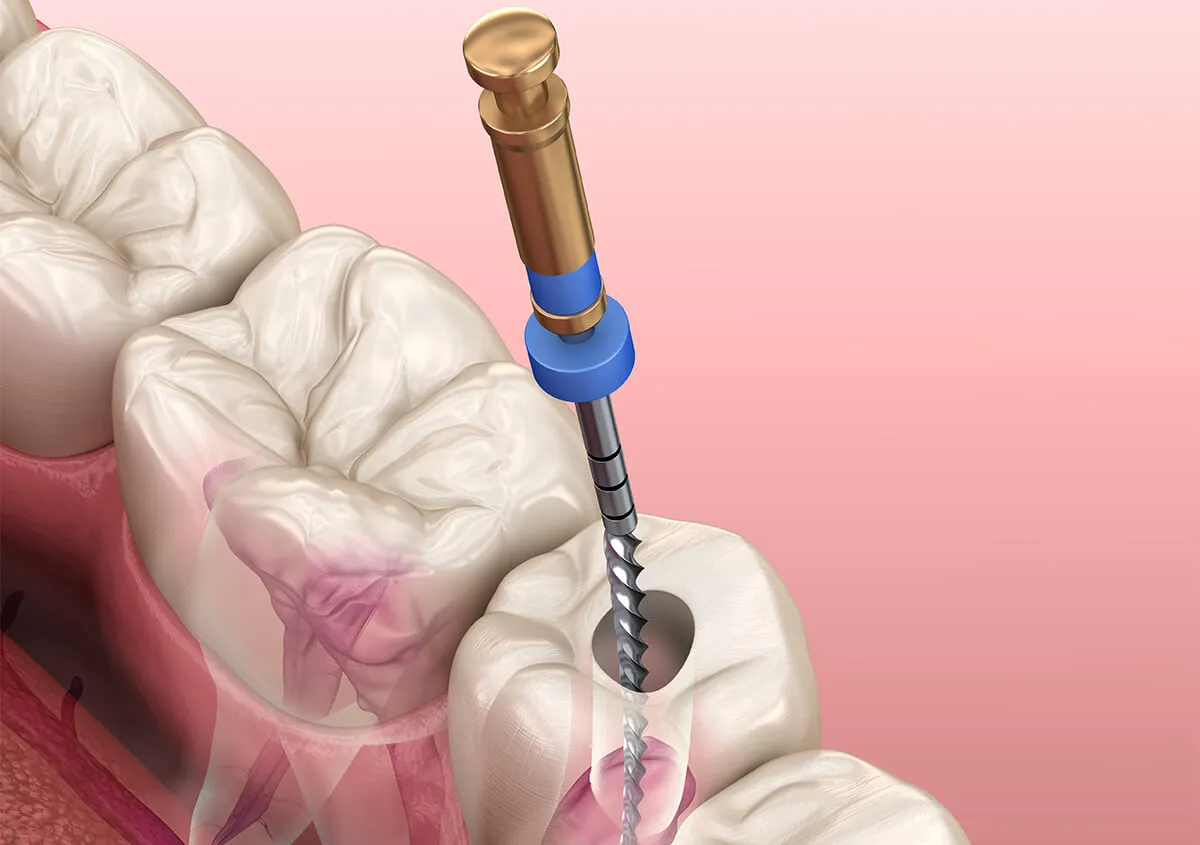
3. **Cleaning the canal:** The dentist removes the infected pulp, cleans the root canals thoroughly, and shapes them for filling.
4. **Filling the canal:** Special biocompatible material is used to fill and seal the canal, preventing further infection.
5. **Restoration:** Often, a crown is placed over the treated tooth to strengthen it and protect it from future damage.
### Why Root Canal Is Necessary
If a failed filling is left untreated, the infection can spread, causing severe pain, swelling, and even abscesses. In Thailand’s tropical climate, where people often enjoy sweet drinks and snacks, the risk of rapid bacterial growth is higher. Root canal treatment stops the infection
and allows patients to keep their natural teeth instead of extracting them.
Dentists in Thailand often emphasise that saving the tooth is better for long-term oral health. Losing a tooth can affect chewing ability, speech, and aesthetics, and replacing it with implants or bridges can be more expensive.
### Cost and Accessibility in Thailand
One reason Thailand is popular for dental treatment among both locals and international visitors is the affordability and accessibility of care. Root canal procedures here are usually more reasonably priced compared to many Western countries, while maintaining high standards of hygiene and service.
Costs may vary by clinic location and complexity of the procedure. Private dental clinics in Bangkok, Chiang Mai, or Phuket often quote higher fees due to advanced facilities and specialist care, but smaller city clinics provide excellent treatment at lower rates. Many clinics also offer flexible payment plans, especially for long-term patients.
### Preventing Fillings from Failing
While dental work can sometimes fail despite best efforts, you can reduce the chances by practicing good oral care:
- Brush twice daily with fluoride toothpaste.
- Floss regularly to remove food particles between teeth.
- Limit sugary snacks and drinks that encourage bacterial growth.
- Avoid biting hard objects like ice, nutshells, or pens.
- Visit your dentist in Thailand every six months for a check-up and professional cleaning.
Thai dentists often recommend using mouthwash after meals, especially if dining out frequently, which is common here. The warm climate and popular street food culture mean people eat more frequently throughout the day, making oral hygiene even more important.
### Recovery After Root Canal
The recovery process after a root canal in Thailand is usually smooth. Mild soreness or sensitivity for a few days is normal and can be managed with over-the-counter pain relief. Dentists generally advise avoiding hard or chewy foods immediately after treatment and sticking to softer options like rice soup, steamed vegetables, and grilled fish — common, comforting Thai dishes.
Follow-up appointments ensure the tooth heals well and the crown fits properly. In most cases, patients can return to normal eating habits within a week.
### Final Thoughts
A failed dental filling can be inconvenient and sometimes painful, but in Thailand, professional dental care is readily available to address the problem. Root canal treatment not only saves the tooth but also prevents infection from spreading to other parts of the mouth.
With skilled dentists, modern equipment, and reasonable prices, Thailand offers a reliable solution when fillings fail. By understanding the signs of a failing filling, seeking timely treatment, and maintaining proper oral hygiene, you can protect your smile and avoid more serious dental issues in the future.
For locals and visitors alike, knowing that effective, affordable root canal therapy is available in Thailand offers peace of mind — and keeps those bright Thai smiles healthy for years to come.