Thailand Root Canal Treatment for Infected Dental Pulp
Thailand Root Canal Treatment for Infected Dental Pulp
**Thailand Root Canal Treatment for Infected Dental Pulp**
A sudden, throbbing toothache can ruin your day — especially when it’s caused by an infected dental pulp. In Thailand, root canal treatment has become one of the most reliable and comfortable solutions for saving natural teeth and stopping severe pain. With modern dental clinics, experienced specialists, and affordable treatment costs, many locals and expats are choosing to get their root canal procedures done here.
### Understanding Infected Dental Pulp
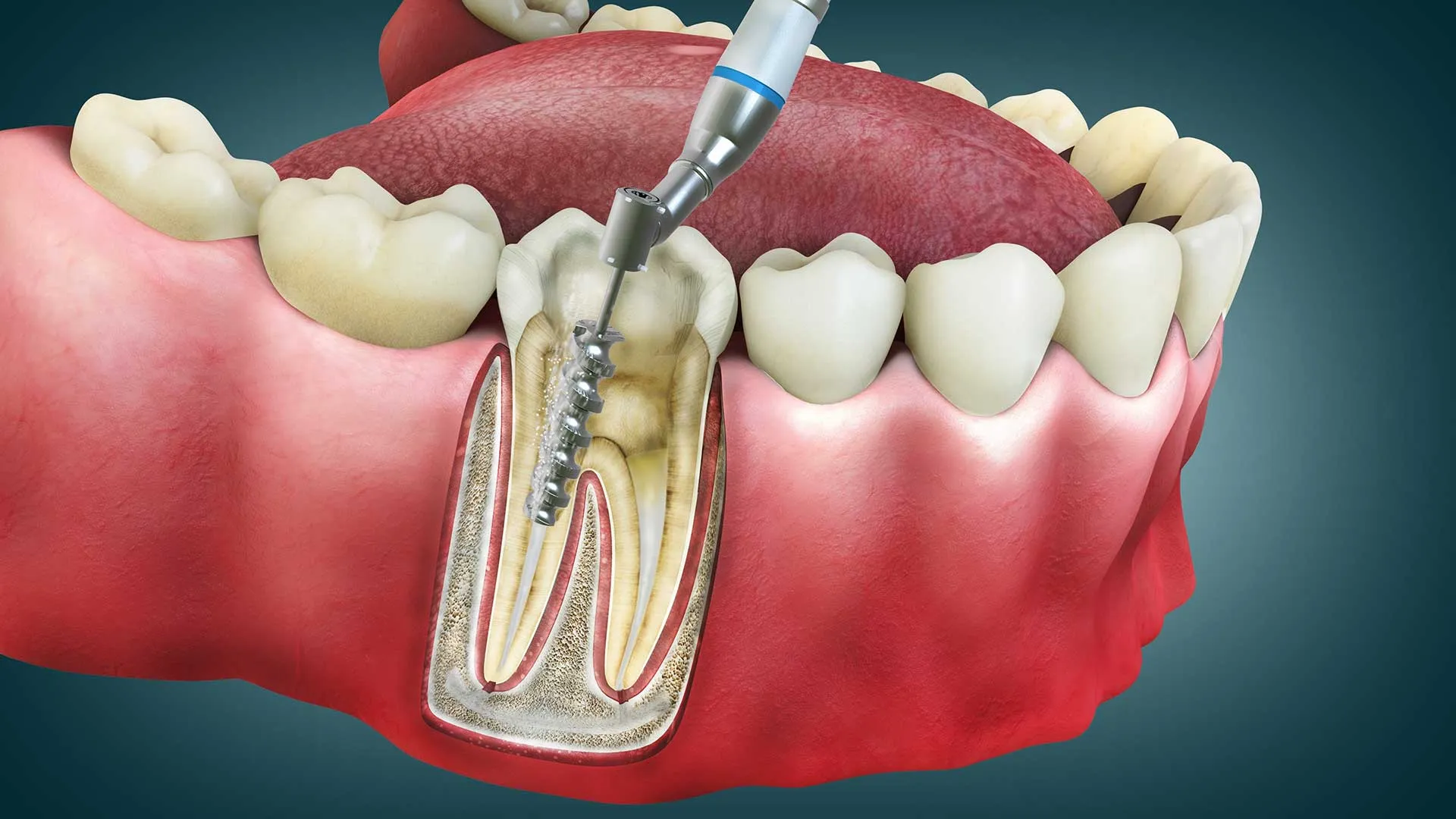
Inside every tooth, there’s a small chamber containing nerves, connective tissue, and blood vessels — this is called the dental pulp. It keeps the tooth alive and responsive to temperature and pressure. However, when bacteria enter the pulp through deep decay, cracks, or trauma, it can lead to a painful infection. Common symptoms include intense toothache, swelling around the gums, sensitivity to hot or cold, and even a visible darkening of the tooth.
Ignoring these signs can lead to more serious problems, such as abscess formation or bone loss around the affected tooth. That’s why early diagnosis and treatment by a professional dentist are crucial.
### Why Root Canal Treatment Is Necessary
Root canal treatment, also known as endodontic therapy, aims to remove the infected pulp and clean the inner chamber of the tooth. The tooth is then sealed and restored with a dental crown to protect it from future damage. This procedure not only relieves pain but also allows you to keep your natural tooth — avoiding tooth extraction and the need for implants or bridges later on.
In Thailand, dental clinics use advanced instruments and digital imaging technologies that make root canal treatment efficient and comfortable. Many patients are surprised by how painless the process can be, thanks to local anesthesia and gentle techniques used by Thai dentists.
### The Root Canal Procedure in Thailand
When you visit a dental clinic in Bangkok, Chiang Mai, or Phuket for root canal therapy, the process typically follows several steps:
1. **Examination and X-ray:** The dentist examines your tooth and takes an X-ray to assess the extent of the infection.
2. **Local Anesthesia:** A small dose of anesthetic ensures you remain comfortable throughout the treatment.
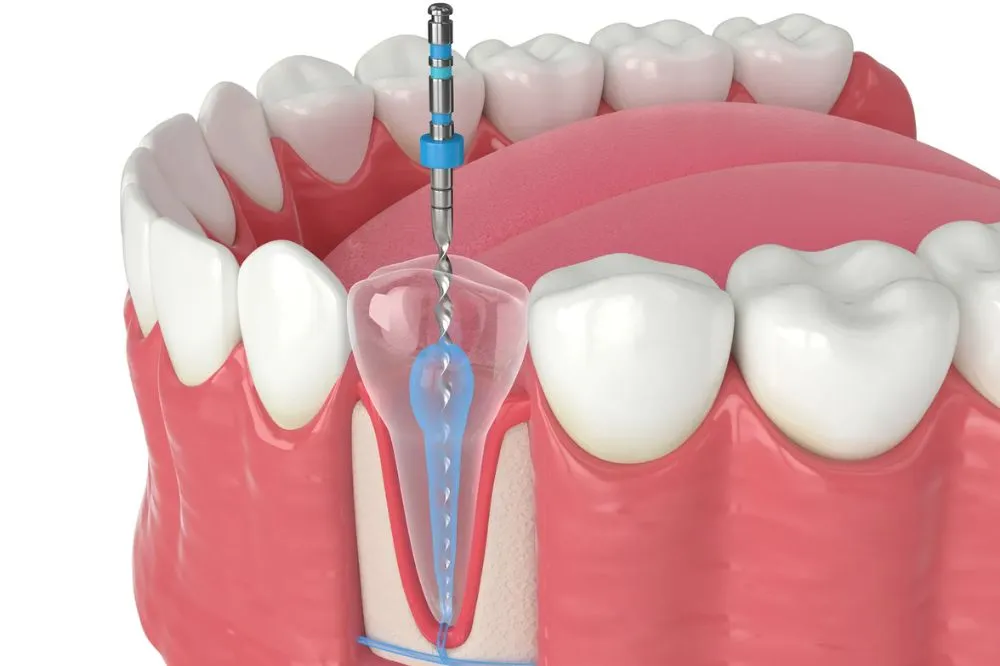
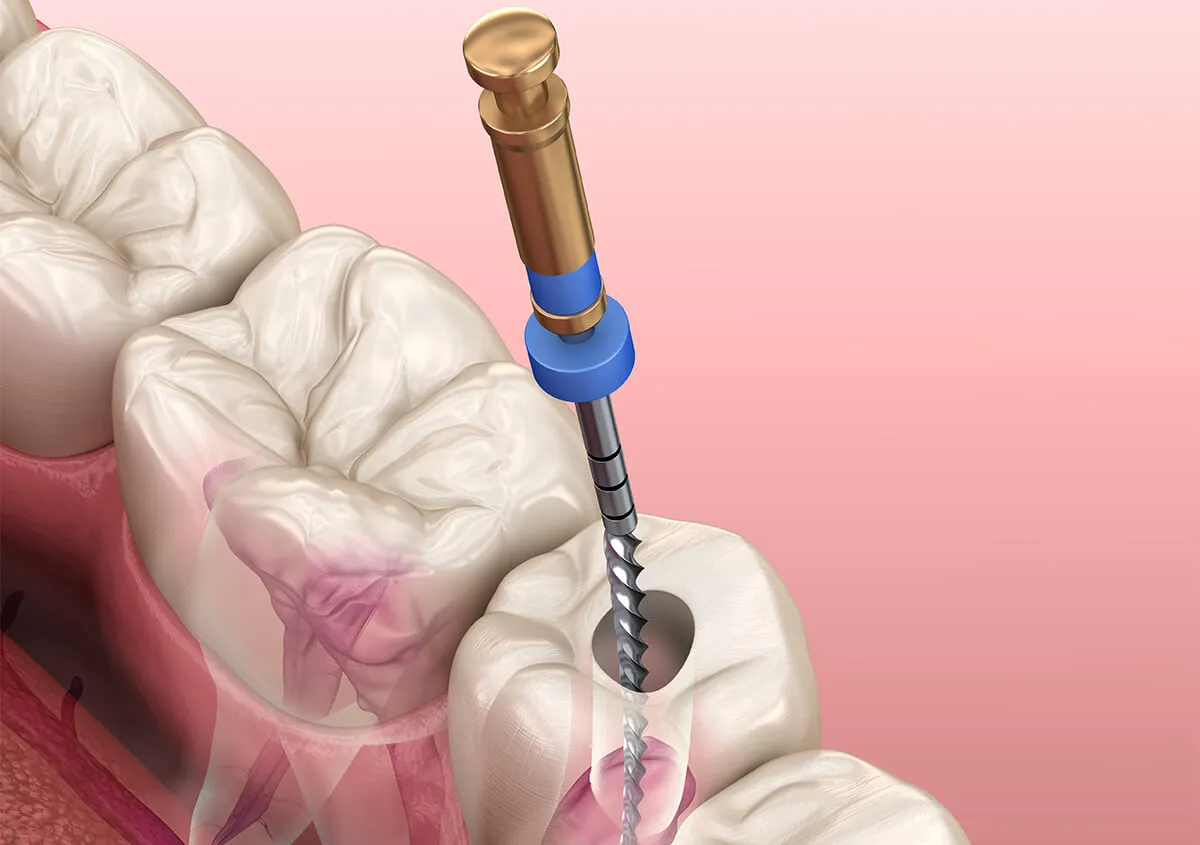
3. **Pulp Removal:** The dentist makes an opening in the tooth and removes the infected pulp tissue.
4. **Cleaning and Disinfection:** The root canals are thoroughly cleaned and shaped to remove bacteria and debris.
5. **Filling the Canals:** A biocompatible material called gutta-percha is used to fill and seal the canals.
6. **Crown Placement:** A dental crown may be placed to strengthen and protect the tooth, restoring its normal function and appearance.
The entire procedure may be completed in one or two visits, depending on the severity of the infect
ion.
### Benefits of Getting Root Canal Treatment in Thailand
Thailand has earned a strong reputation for its world-class dental care, making it a popular destination for both locals and international patients. Some of the main benefits include:
- **Affordable Cost:** Root canal treatment in Thailand is generally more cost-effective compared to Western countries, without compromising quality.
- **Experienced Dentists:** Most Thai dentists are internationally trained and fluent in English, making communication smooth and confidence-inspiring.
- **Advanced Technology:** Dental clinics are equipped with modern microscopes, digital X-rays, and rotary instruments for precise treatment.
- **Comfortable Experience:** Many clinics focus on patient-centered care, providing a relaxing environment and minimal waiting time.
- **Comprehensive Care Options:** From initial diagnosis to restorative crowns and follow-up visits, everything can be done in one place.
### Recovery and Aftercare Tips
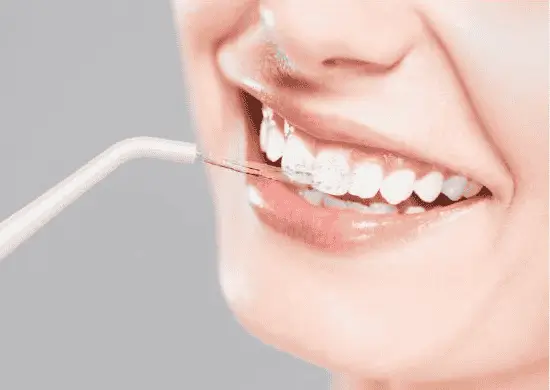
After root canal treatment, it’s normal to experience mild soreness for a few days. Your dentist may prescribe pain relief medication or antibiotics if necessary. You should avoid chewing on the treated side until your permanent crown is placed. Proper oral hygiene — brushing twice daily, flossing, and using mouthwash — helps keep the area clean and prevent reinfection.
In Thailand, follow-up visits are usually scheduled to ensure the treated tooth is healing well. Most patients can return to normal eating habits within a few days and enjoy lasting results for many years if proper care is maintained.
### Finding the Right Dental Clinic in Thailand
Choosing the right clinic can make a big difference in your experience. Here are a few helpful tips:
- Read online reviews from previous patients for credible feedback.
- Check that the clinic is licensed by the Dental Council of Thailand.
- Ask about the dentist’s qualifications and experience in endodontic treatment.
- Compare prices, but don’t base your decision on cost alone — quality and comfort matter most.
Reputable clinics in Bangkok, Pattaya, and Chiang Mai offer dental packages for international patients that include airport transfers, hotel partnerships, and convenient appointment scheduling.
### Final Thoughts
If you’re suffering from constant tooth pain or have been told you need a root canal, Thailand offers an ideal solution. The combination of skilled dentists, modern technology, and affordable costs makes root canal treatment accessible and stress-free. By saving your natural tooth, you not only preserve your smile but also ensure better oral health for the long term.
So, whether you live in Thailand or plan to visit for dental care, getting your root canal treatment done here can be one of the best decisions for your health, comfort, and confidence.