Thailand Root Canal for Severe Gum Inflammation
Thailand Root Canal for Severe Gum Inflammation
**Thailand Root Canal for Severe Gum Inflammation**
When your gums are swollen, bleeding, and painful, it’s more than just a minor inconvenience — it could be a sign that something is seriously wrong with your dental health. In Thailand, dental clinics in cities like Bangkok, Chiang Mai, and Phuket often see patients who suffer from severe gum inflammation linked to untreated tooth infections. While many people associate root canal treatment only with tooth decay, in reality, it can also be a necessary procedure when gum inflammation is connected to an infected tooth pulp. Understanding why and how this treatment works in Thailand can help you make informed decisions about your oral health.
**What Causes Severe Gum Inflammation?**
Gum inflammation, or gingivitis, usually starts with plaque buildup along the gum line. If left untreated, it can progress into periodontitis, a more advanced gum disease. In some cases, bacteria manage to travel deeper into the tooth structure, reaching the pulp — the soft tissue inside the tooth that contains nerves and blood vessels.
This is where things get complicated. Once the pulp is infected, the pain and swelling can spread, making the gums tender and sensitive. In Thailand’s humid climate and food culture, where many enjoy sweet iced drinks and sticky rice desserts, unchecked sugar consumption can quickly lead to bacterial growth in the mouth. Coupled with irregular dental check-ups, these habits can make gum inflammation worse and increase the risk of needing a more invasive treatment like a root canal.
**Why a Root Canal May Be Recommended in Thailand**
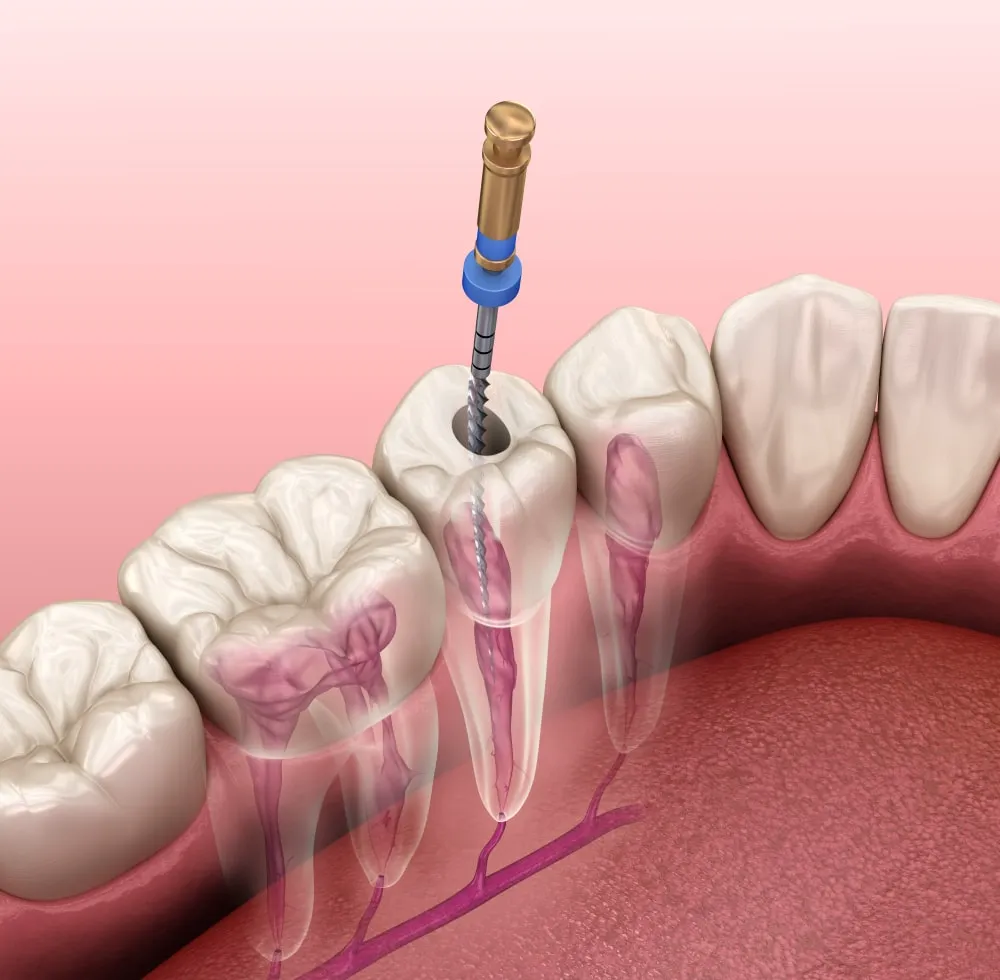
Many people think a root canal is only for saving a decayed tooth, but Thai dentists also use it to treat cases where gum inflammation is linked to infection inside the tooth. If your gums are swollen and painful near a particular tooth, and the dentist finds that the tooth pulp is infected, a root canal can stop the spread of bacteria, preserve the tooth, and allow the gums to heal.
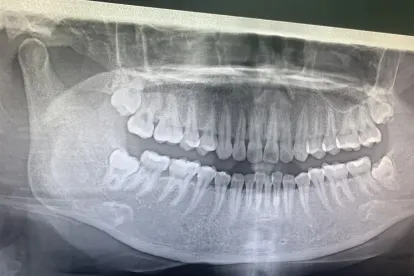
A typical scenario involves a patient in Thailand visiting the clinic because of gum pain, thinking it’s just a gum problem. After an X-ray, the dentist finds that the infection has reached the tooth root. At that point, cleaning out the pulp through a root canal can address both the tooth and the gum inflammation.
**The Root Canal Process in Thai Dental Clinics**
Dental clinics in Thailand — whether in Bangkok’s Sukhumvit area or near Chiang Mai’s Nimmanhaemin — usually follow a thorough and patient-friendly process.
1. **Initial Examination and Diagnosis**
The dentist checks your gums, takes X-rays, and sometimes uses special probes to measure gum pocket depth. This helps identify whether swelling is due to gum disease alone or a deeper tooth problem.
2. **Local Anaesthesia**
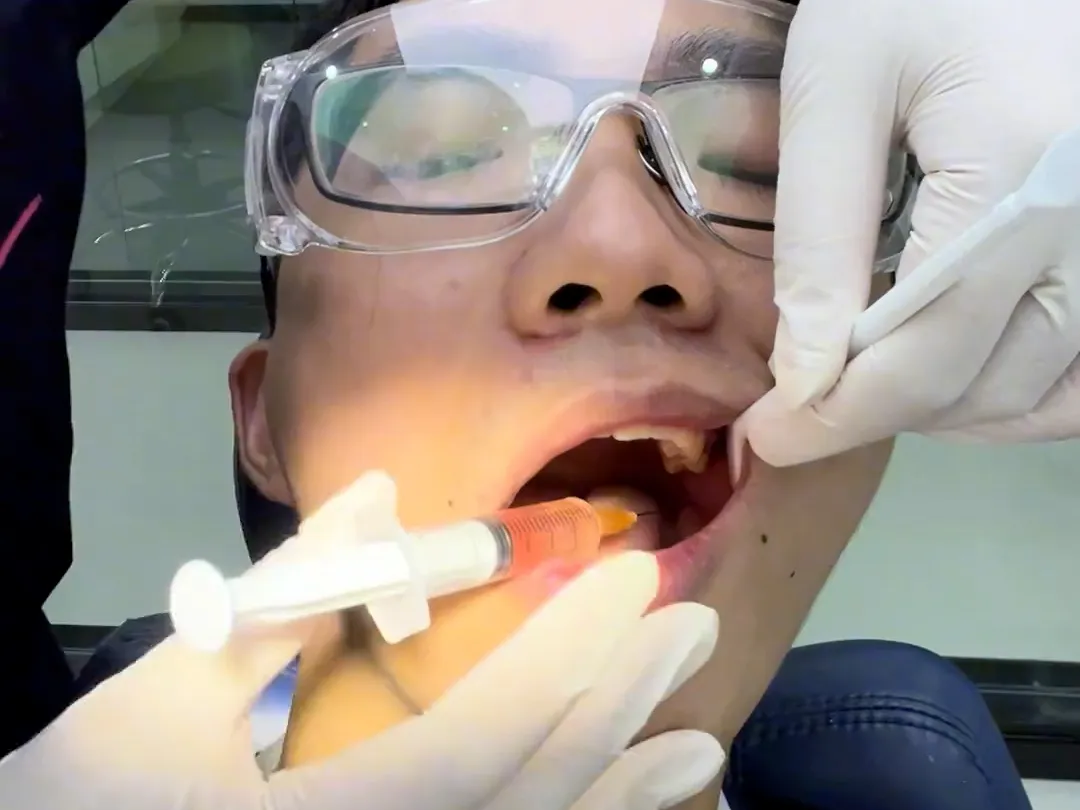
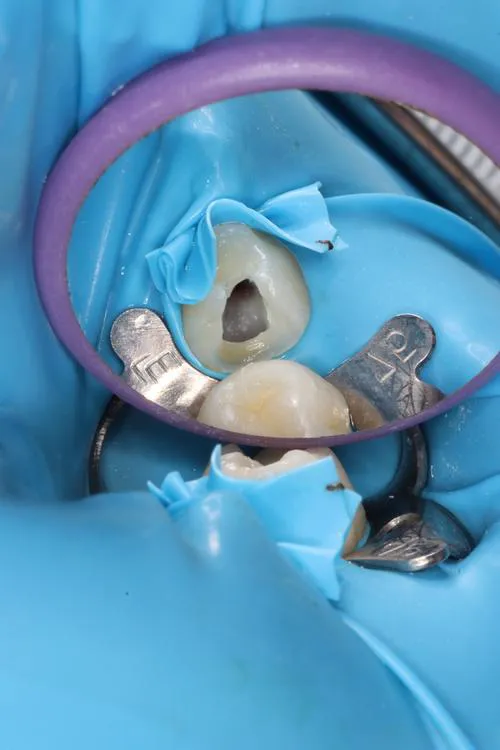
Thai clinics know many patients feel nervous about dental procedures. Dentists use local anaesthesia to ensure you feel comfortable and pain-free during the root canal.
3. **Pulp Removal and Cleaning**
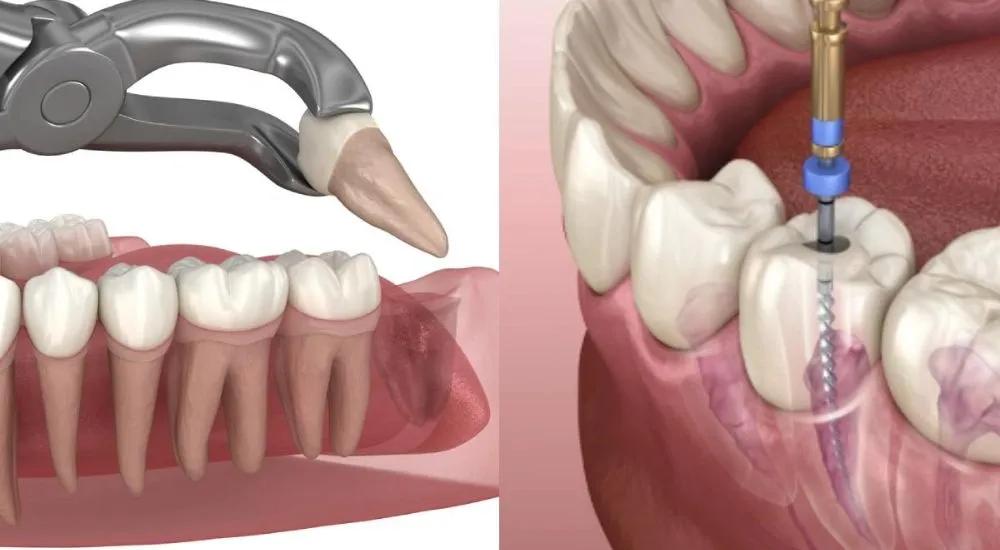
The infected pulp is removed, and the inside of the tooth is cleaned to remove bacteria. This step is crucial in stopping the spread of infection to surrounding gum tissue.
4. **Filling and Sealing**
After cleaning, the space is filled with special material and sealed to prevent future infections.
5. **Restoration**
In most cases, a crown will be placed on the treated tooth. Thai dental crowns are often made from high-quality ceramic or porcelain and are designed to match your natural teeth.
**Advantages of Getting a Root Canal in Thailand**
Thailand’s dental care is well-known among both locals and international patients for combining affordability with high standards. Experienced dentists, many trained abroad, use modern equipment that matches international dental practices. You can expect:
- Affordable pricing compared to Western countries
- English-speaking dentists in major cities
- Short waiting times and efficient scheduling
- Access to advanced technology like digital X-rays and rotary endodontics
These benefits make Thailand a preferred destination not only for cosmetic dental work but also for essential treatments like root canals.
**Post-Treatment Gum Care**
After a root canal, it’s important to focus on gum health. Thai dentists often recommend:
- **Saltwater rinses** to help reduce swelling and keep the area clean
- **Avoiding spicy and acidic foods** immediately after treatment to allow healing
- **Regular follow-up visits** to monitor progress
Many clinics also suggest traditional Thai herbal mouth rinses for their mild antibacterial properties, though these should only be used if approved by your dentist.
**Preventing Severe Gum Inflammation in the Future**
A root canal can resolve current issues, but prevention is key to avoiding another round of gum inflammation. In Thailand, simple habits can make a big difference:
- Brush twice a day using fluoride toothpaste
- Floss daily to remove food particles stuck between teeth
- Cut down on sugary drinks like Thai iced tea and bubble milk tea
- Schedule dental check-ups every 6 months
Public awareness about gum health is improving in Thailand, but many people still wait until pain becomes unbearable before seeking treatment. Address problems early to avoid more invasive procedures later.
**Final Thoughts**
Severe gum inflammation is more than a gum problem — it can signal deeper issues inside your teeth. In Thailand, root canal treatment is an effective way to stop infection, protect your teeth, and restore gum health. Whether you live in Bangkok or are visiting Thailand for dental care, you’ll find skilled dentists, modern facilities, and patient-centred care that make getting a root canal less intimidating.
Taking action early is the best way to protect your smile. If you notice persistent gum swelling or pain, don’t ignore it. Visit a Thai dental clinic, get a proper diagnosis, and treat the problem before it affects your overall health.
---