Thailand Root Canal for Severe Sensitivity to Cold
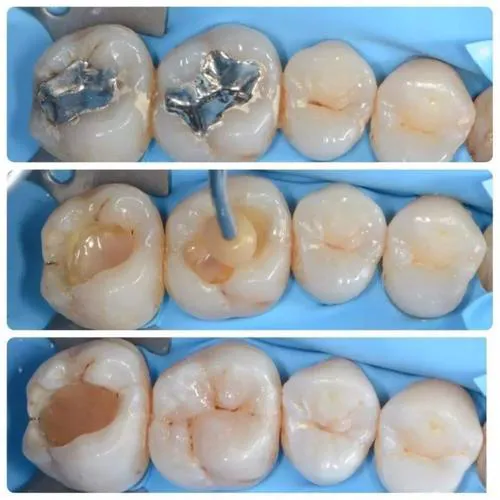
Thailand Root Canal for Severe Sensitivity to Cold
**Thailand Root Canal for Severe Sensitivity to Cold**
If you’ve ever experienced that sharp, shocking pain when sipping iced coffee or enjoying a chilled coconut water in Thailand, you know how uncomfortable tooth sensitivity to cold can be. While mild sensitivity is quite common and often manageable with simple remedies, severe sensitivity might be a sign of something more serious — like damage or infection deep inside your tooth. This is where a root canal treatment in Thailand can be the perfect solution to bring back comfort and protect your oral health.
### Understanding Severe Sensitivity to Cold
In Thailand’s tropical climate, cold drinks and desserts are a daily pleasure for many. However, when you notice that chill causing sudden, intense pain — even when there’s no obvious cavity — it may indicate a problem with the tooth’s pulp, the innermost part containing nerves and blood vessels. Inflammation or infection of the pulp can make teeth hypersensitive to temperature changes, especially cold.
Common causes of severe cold sensitivity include:
- **Deep tooth decay** that has reached the pulp
- **Cracks or fractures** in the tooth
- **Worn enamel** exposing the dentin layer
- **Previous dental trauma** that was never fully treated
Left untreated, the condition doesn’t simply resolve on its own. In fact, the infection can spread, leading to swelling, severe pain, and even tooth loss.
### Why a Root Canal May Be Necessary
Root canal treatment is often misunderstood, with many people assuming it’s painful or risky. In truth, modern root canal procedures in Thailand are safe, highly effective, and performed with advanced dental technologies that make the process comfortable and efficient. When sensitivity to cold becomes extreme and other treatments like fillings or desensitizing paste cannot help, a root canal offers a way to save the natural tooth and eliminate pain.
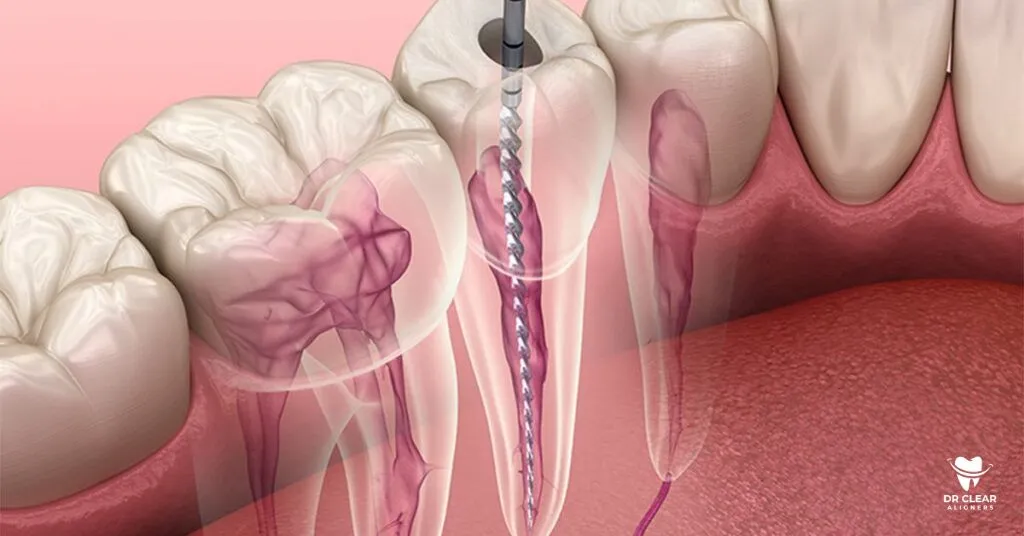
During a root canal, the dentist removes the infected or inflamed pulp, cleans and disinfects the inside of the tooth, and fills it with a special material. Afterward, a crown is usually placed for strength and durability. By removing the damaged pulp, the nerves responsible for the hypersensitivity are taken out, meaning you can enjoy cold drinks again without discomfort.
### Choosing a Root Canal in Thailand
Thailand is well-known for its high-quality dental services at affordable prices, attracting both locals and international patients. In big cities like Bangkok, Chiang Mai, and Phuket, many dental clinics offer root canal treatments using international-standard equipment.
Benefits of getting your root canal done in Thailand include:
- **Skilled dentists** experienced in treating complex cases
- **Modern facilities** with digital imaging and painless anesthetic techniques
- **Competitive costs** compared to many Western c
ountries
- **Convenient scheduling** for both local residents and dental tourists
- **English-speaking staff** in many urban clinics, making communication clear
### What to Expect During the Procedure
Understanding the process can ease your fears and help you prepare:
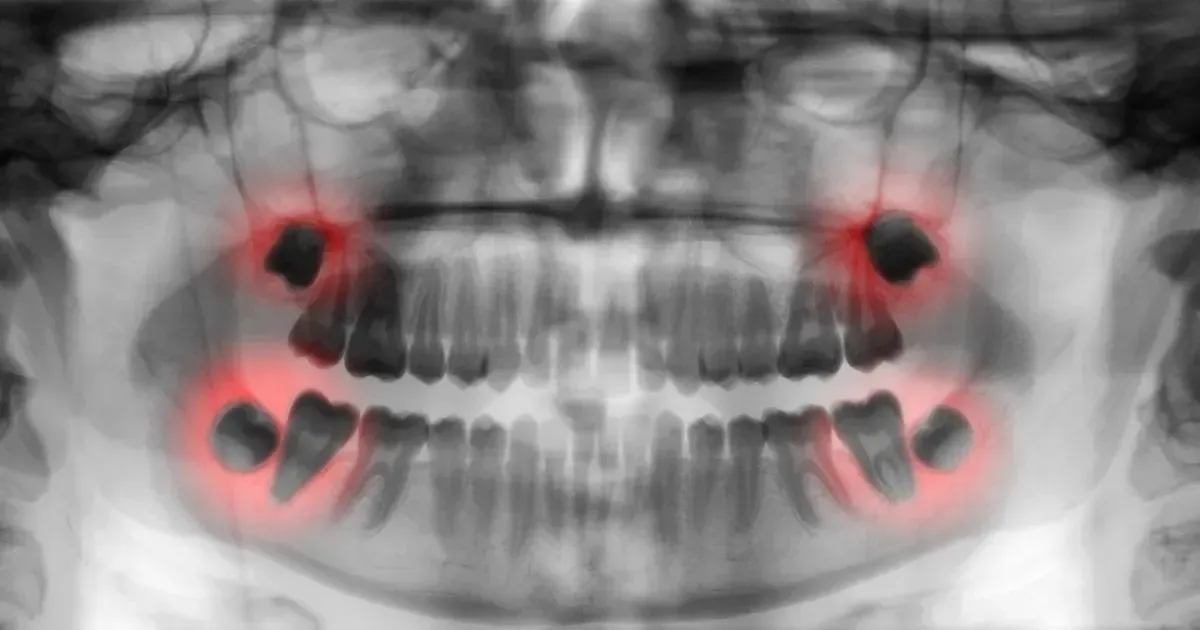
1. **Initial Consultation** – The dentist will examine your tooth, ask about your symptoms, and take X-rays to see the root structure and extent of the damage.
2. **Local Anesthesia** – You’ll be given a numbing injection so you won’t feel pain during treatment. Modern anesthetics work quickly to ensure comfort.
3. **Pulp Removal & Cleaning** – The dentist accesses the pulp chamber, removes the infected tissue, and cleans the root canals thoroughly.
4. **Filling & Sealing** – Special dental material is used to fill the canal. This prevents future infection and keeps the tooth stable.
5. **Crown Placement** – For protection, your tooth may need a crown, which restores both function and appearance.
Most people are surprised at how smooth and pain-free the process is when performed by an experienced Thai dentist.
### Recovery and Aftercare
After your root canal, it’s normal to feel mild tenderness for a few days, but this can be managed easily with over-the-counter pain relief and avoiding very hard foods. Your dentist will give you clear instructions — in English or Thai — about what to do and what to avoid. Good oral hygiene practices and regular dental check-ups will keep your treated tooth healthy for years.
### Preventing Future Sensitivity
While a root canal can solve severe cold sensitivity for the affected tooth, prevention is always better than cure. In Thailand, where iced drinks are part of daily life, you can take steps to protect your teeth:
- Use a soft-bristle toothbrush and fluoride toothpaste
- Avoid chewing ice or very hard foods
- Don’t ignore minor tooth discomfort — get it checked early
- Wear a mouthguard if you grind your teeth at night
Regular visits to a trusted dentist in Thailand can catch potential issues before they require advanced treatment.
### Final Thoughts
Severe sensitivity to cold is more than just an inconvenience — it’s a warning sign that your tooth’s inner health might be in danger. A root canal treatment in Thailand offers a reliable, effective way to address the problem, save the tooth, and let you enjoy all your favorite cool treats without fear. With skilled professionals, modern technology, and warm hospitality, dental care in Thailand makes it easy to restore both your smile and your confidence.
If you’ve been living with chronic cold sensitivity, it’s worth booking an appointment with a qualified Thai dentist. Acting early can make all the difference between saving your tooth and losing it — and in Thailand’s friendly, high-quality dental system, help is just around the corner.