Thailand Root Canal Treatment With Local Anesthesia

Thailand Root Canal Treatment With Local Anesthesia
**Thailand Root Canal Treatment With Local Anesthesia**
When it comes to dental care, Thailand has long been recognized for its skilled dentists, modern technology, and affordable prices. Among the most sought-after dental procedures is root canal treatment—an effective solution to save a damaged or infected tooth. If you are considering having a root canal in Thailand, you will be glad to know that local anesthesia is commonly used, ensuring that the procedure is comfortable, safe, and practically pain-free.
### Understanding Root Canal Treatment
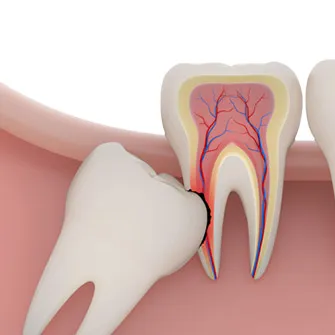
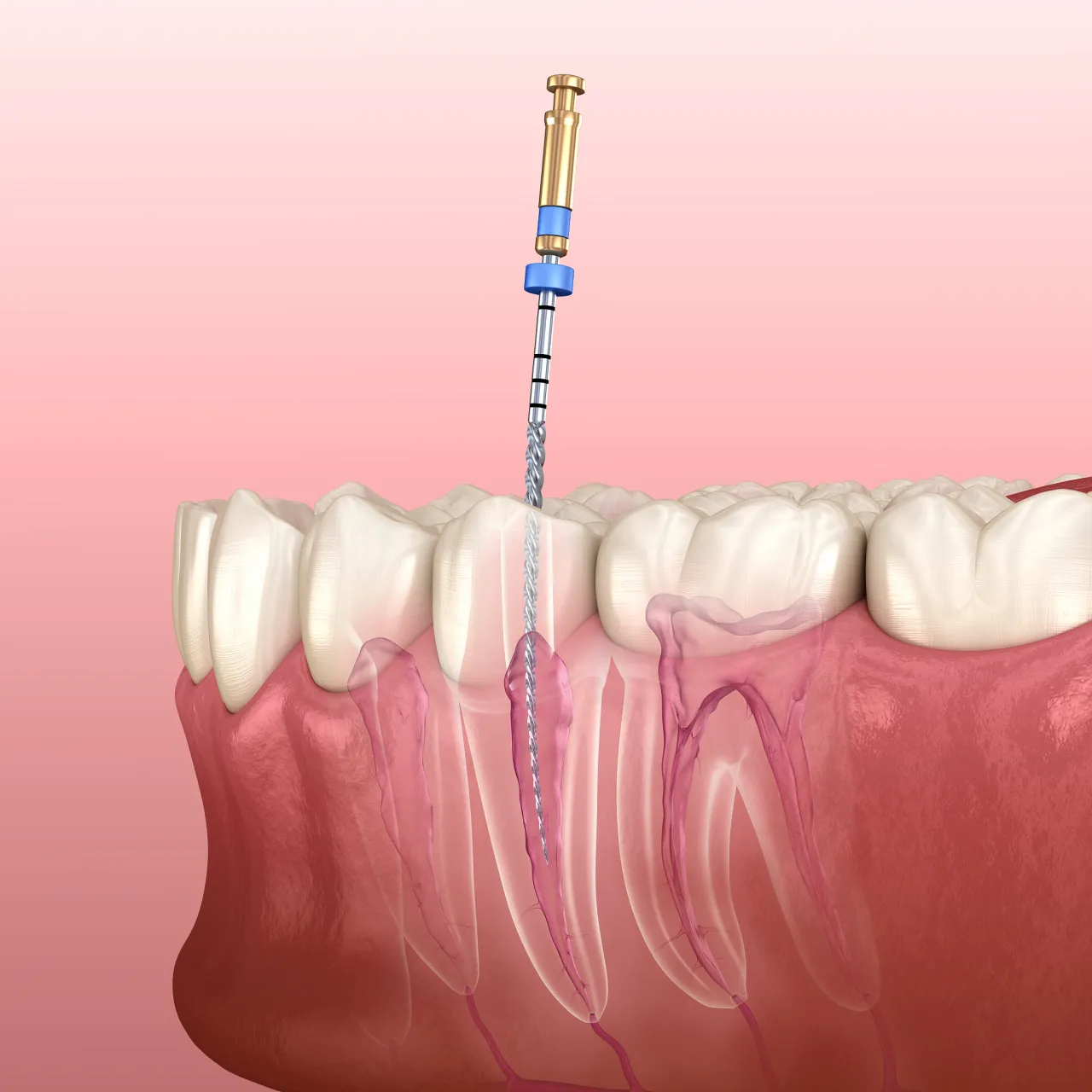
A root canal is a dental procedure designed to treat infection or inflammation inside a tooth. When the soft tissue (pulp) that contains nerves and blood vessels becomes infected due to decay, cracks, or trauma, it can cause severe pain and sensitivity. Instead of removing the entire tooth, dentists perform root canal therapy to clean, disinfect, and fill the inner part of the tooth, thus restoring its function and avoiding extraction.
In Thailand, root canal treatments are performed by experienced dentists who often specialize in endodontics—the branch of dentistry focused on the inner workings of the tooth. These specialists use advanced equipment like digital X-rays, rotary instruments, and dental microscopes to deliver precise results with minimal discomfort.
### The Role of Local Anesthesia
Local anesthesia is one of the most important steps in any dental procedure. In Thailand, dentists take special care to ensure patients feel relaxed and pain-free from start to finish. Before beginning the root canal, the dentist will apply localized anesthesia around the affected tooth. This medication temporarily blocks the nerves from sending pain signals, allowing the dentist to clean and treat the tooth smoothly.
Patients typically feel only a small pinch when the anesthesia is administered. Within a few minutes, the area becomes numb, and the procedure can proceed comfortably. Many patients are pleasantly surprised by how painless the treatment is. Some even describe it as no more uncomfortable than a routine filling.
### Comfort and Patient Care in Thai Dental Clinics
One of the reasons Thailand is famous for dental tourism is the emphasis on patient comfort. Dental clinics in cities like Bangkok, Chiang Mai, Phuket, and Pattaya are known for their welcoming atmosphere, clean and modern facilities, and attentive staff. Whether you are a local resident or an international visitor, you can expect friendly service and detailed explanations throughout your treatment.
Dentists usually discuss the entire procedure beforehand, including how local anesthesia will work, what sensations to expect, and how long recovery might take. Many clinics also offer English-speaking professionals who can communicate clearly with patients from abroad, a big advantage for travelers seeking reliable dental care.
### How the Procedure Works
Root canal treatment normally takes one to two visits, depending on how complex the case is. On the first visit, the dentist will:
1. Examine the tooth and take X-rays to ass
ess the infection.
2. Administer local anesthesia to numb the area.
3. Create a small opening on the top of the tooth to access the pulp chamber.
4. Remove the infected or damaged pulp tissue.
5. Clean and disinfect the canals thoroughly.
6. Fill the canals with a biocompatible material to prevent further infection.
7. Seal the tooth temporarily or permanently, depending on the case.
In some cases, a crown may be placed after the root canal to protect the tooth and restore its appearance. Modern materials and techniques used in Thailand ensure a strong, natural-looking result that can last for many years with proper dental hygiene.
### Recovery and Aftercare
After the anesthesia wears off, it is normal to feel slight tenderness for a day or two. Thai dentists usually recommend mild pain relievers or anti-inflammatory medication if needed. Most patients return to their regular activities immediately after the treatment. Good oral hygiene—brushing twice daily, flossing, and regular dental check-ups—helps maintain the health of your treated tooth.
Thailand’s dental clinics often provide follow-ups to ensure everything is healing properly. You can easily communicate with your dentist via phone or online if you have any post-treatment questions or concerns.
### Why Choose Thailand for Root Canal Treatment
There are several reasons why so many people choose Thailand for dental care:
- **High-quality standards:** Thai dentists are well-trained, often holding international certifications or degrees from recognized institutions.
- **Affordable costs:** Root canal treatment in Thailand is significantly more affordable compared to Western countries, without compromising quality.
- **Modern facilities:** Clinics are equipped with state-of-the-art technology for precise diagnosis and treatment.
- **Convenient dental tourism:** Thailand is a top destination for healthcare travelers, offering easy access, comfortable accommodations, and beautiful surroundings for recovery.
Many patients combine their dental trip with a vacation. After your root canal treatment, you can relax on a tropical beach, visit ancient temples, or enjoy delicious Thai cuisine. This combination of medical care and leisure makes Thailand an ideal choice for dental procedures like root canal treatment.
### Conclusion
Thailand offers a perfect balance of professional expertise, reasonable pricing, and patient-centered care. Root canal treatment with local anesthesia in Thailand is a safe and comfortable way to save your tooth, performed by skilled professionals who prioritize your wellbeing. Whether you live in the country or are visiting for dental tourism, you can expect a smooth experience that puts your mind at ease.
If you have been postponing dental treatment due to fear of pain or high costs, Thailand’s approach will likely change your perception. With local anesthesia ensuring a painless procedure and exceptional care provided throughout, getting a root canal in Thailand may be one of the best healthcare decisions you can make for your smile and long-term oral health.