Thailand Root Canal Treatment for Decay Under Crowns
Thailand Root Canal Treatment for Decay Under Crowns
**Thailand Root Canal Treatment for Decay Under Crowns**
Many people who come to Thailand for dental care often have one important question — what happens if decay develops under an existing crown? It might sound surprising, but even teeth that have crowns can still suffer from decay. If this happens, a root canal treatment might be the best solution. In Thailand, root canal therapy is a common procedure and is known for being affordable, painless, and performed by experienced dentists using advanced technology.
### Understanding Decay Under a Dental Crown
A crown is designed to protect and strengthen a tooth that has been damaged or weakened. However, crowns do not make teeth immune to decay. Bacteria can still enter through tiny gaps near the gum line or under poorly fitted crowns. Over time, this can cause infection or decay in the tooth structure beneath the crown. Many patients don’t notice the problem until they experience sensitivity, discomfort while biting, or a dull pain around the crowned tooth.
In Thailand, dentists frequently encounter cases where decay has formed unnoticed for years under a crown. Modern Thai dental clinics use digital x-rays and intraoral cameras to detect this kind of hidden decay very early, allowing prompt treatment before the infection spreads further.
### Why Root Canal Treatment Might Be Necessary
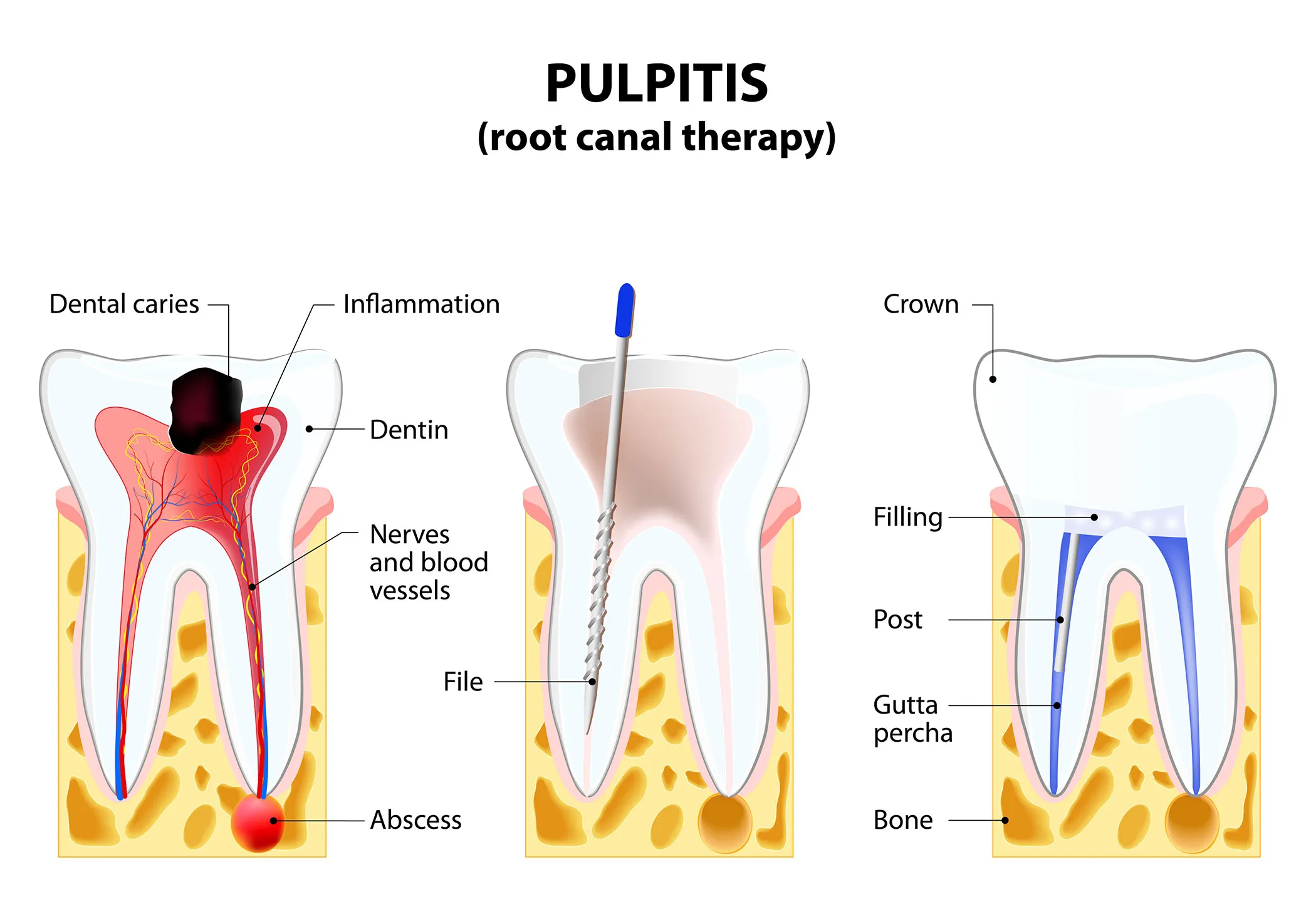
When decay reaches the pulp — the inner part of the tooth containing nerves and blood vessels — a filling will not be enough. The infected tissue must be cleaned out completely to prevent pain and further infection. This procedure is called root canal treatment, or endodontic therapy.
For teeth with crowns, a root canal may be slightly more complex. Depending on the condition of the crown, your Thai dentist may either remove it before starting treatment or create an access point through the top of the crown to reach the canals inside the tooth. Once the infected tissue is cleaned and the canals are sealed, the same crown can sometimes be reused, or a new one can be made if the old one is damaged.
### Root Canal Treatment Process in Thailand
When you visit a dental clinic in Bangkok, Phuket, Chiang Mai, or Pattaya, your dentist will first examine the tooth carefully. A digital x-ray helps to see whether the infection has spread into the root area. If root canal treatment is needed, most clinics follow these steps:
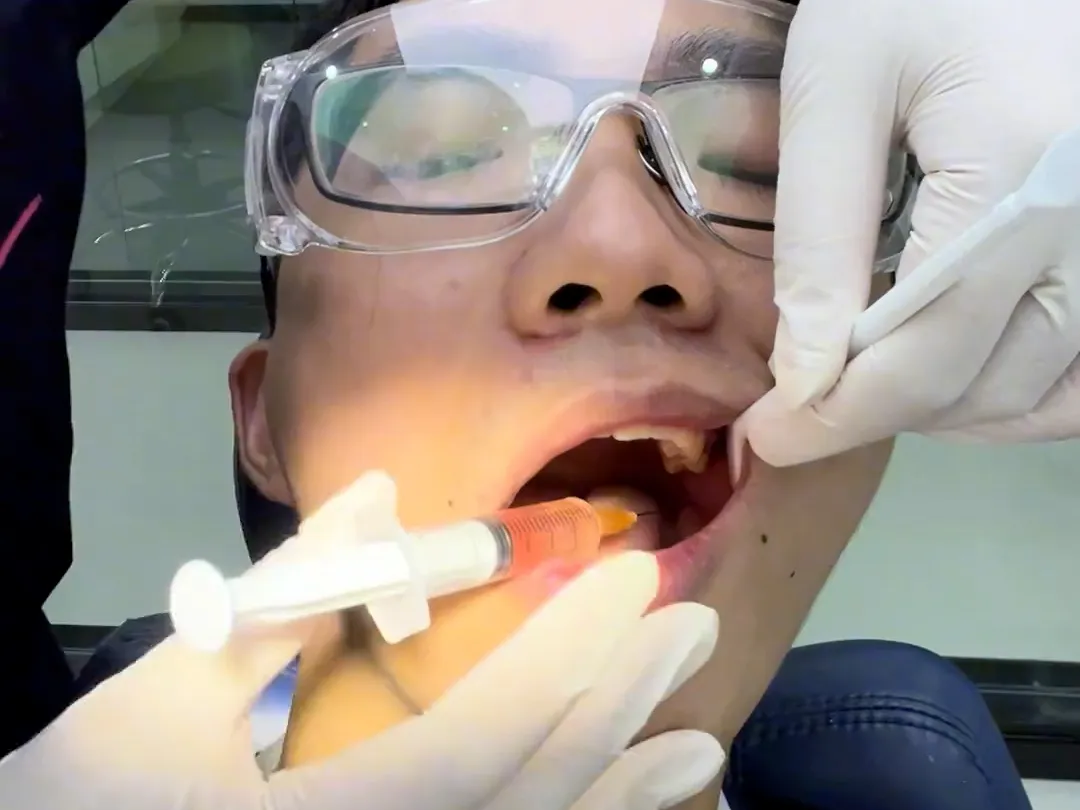
1. **Local Anaesthesia:** The dentist ensures the area is completely numb. Thai dentists are known for their gentle techniques, so patients rarely feel pain during the procedure.
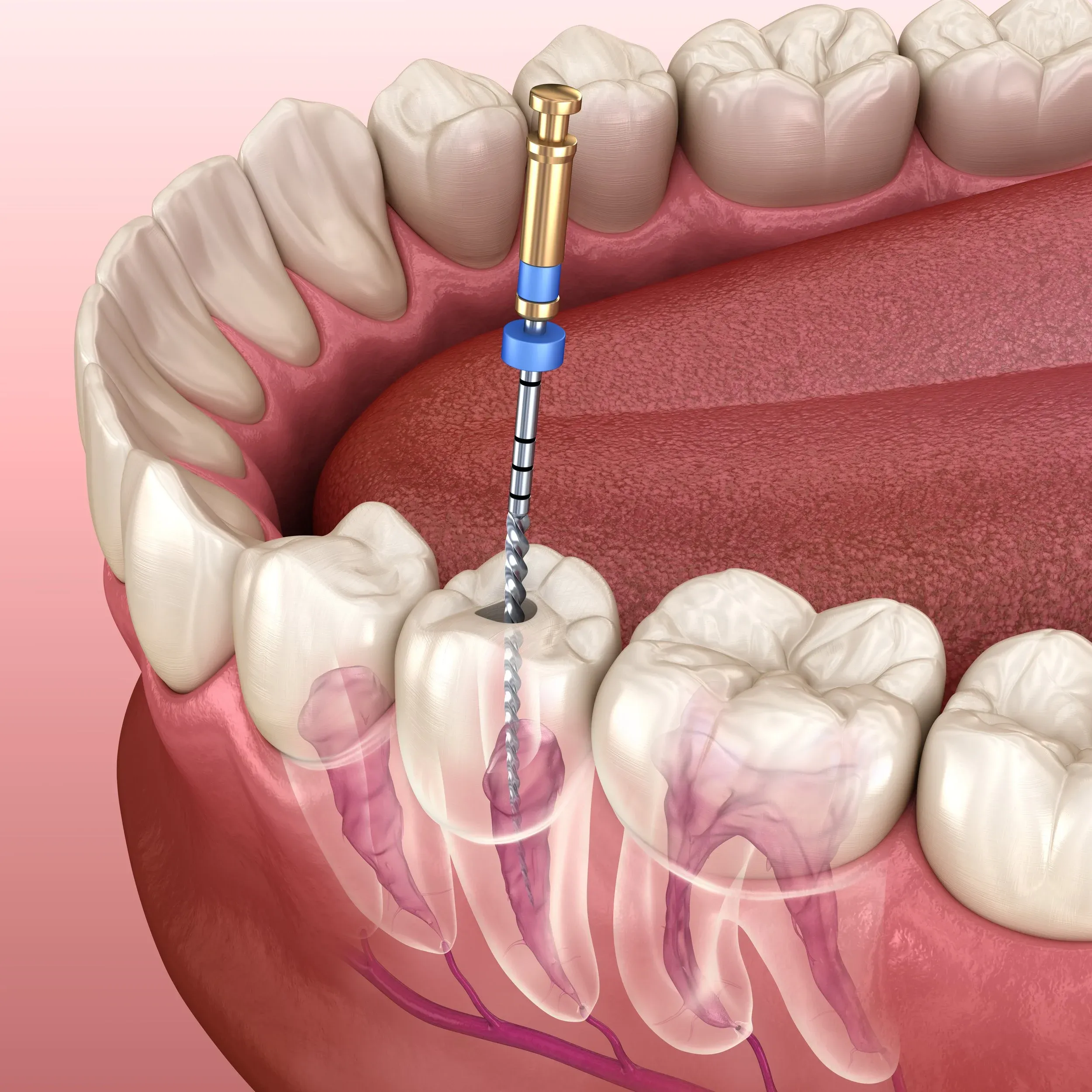
2. **Access to the Tooth Pulp:** If you already have a crown, the dentist will access the pulp chamber by drilling a small opening through the crown or by temporarily removing it.
3. **Cleaning and Shaping:** The infected tissue and bacteria are removed from the tooth’s canals using fine instruments. The canals are shaped and disinfected thoroughly to prevent reinfection.
4. **Filling and Sealing:**
The cleaned canals are then filled with a special dental material called gutta-percha, and the opening is sealed.
5. **Restoration:** If the old crown cannot be reused, your dentist will prepare the tooth for a new crown, usually made of porcelain, zirconia, or ceramic. The new crown will restore the tooth’s strength and natural appearance.
### Why Many Patients Choose Thailand
Thailand has become one of Asia’s most popular destinations for dental treatments. The quality of care is excellent, and the cost is typically much lower than in Western countries. Root canal treatment prices in Thailand usually range from THB 4,000 to THB 10,000 per canal, depending on complexity and the clinic. Even when you need a new crown, the total cost still tends to be affordable compared to dental care in places like Australia, Europe, or the USA.
Besides cost, Thai dental clinics are widely known for their friendliness and hospitality. Most clinics offer English-speaking dentists and staff who make sure foreign patients feel comfortable throughout the procedure. Many clinics also provide online consultations and digital dental impressions, making treatment planning convenient even before arriving in Thailand.
### Recovering After Root Canal Treatment
After the procedure, mild tenderness may appear for a day or two, but pain usually subsides quickly with over-the-counter pain relievers. In most Thai clinics, follow-up appointments are well organized to ensure proper healing and crown fitting. Patients can resume normal activities almost immediately, and eating soft food is recommended for a few days.
If you’re in Thailand for holiday or living here long-term, most dental clinics can accommodate quick scheduling for root canal therapy. You don’t need to worry about long waiting times, and in emergency cases, same-day treatment is often available.
### Preventing Future Decay Under Crowns
Once your tooth has been restored, maintaining good oral hygiene is key. Thai dentists often remind patients about careful brushing around the crown margins, where food and plaque tend to accumulate. Using fluoride toothpaste, flossing daily, and attending routine dental check-ups every six months can greatly reduce the risk of future decay.
If you ever notice discomfort or dark spots around your crown, don’t delay visiting a dentist. Early diagnosis prevents complex treatments later and helps you preserve your natural tooth for years to come.
### Conclusion
Root canal treatment for decay under crowns is a common concern, but in Thailand, it’s handled efficiently and comfortably by skilled dental professionals. With modern equipment, affordable pricing, and warm Thai hospitality, getting a root canal in Thailand can be a smooth, stress-free experience. Whether you are a local resident or an international patient, you can be confident that your smile will be restored with care, precision, and comfort that reflects Thailand’s world-class dental standards.