Thailand Root Canal Recovery Time Explained
Thailand Root Canal Recovery Time Explained
**Thailand Root Canal Recovery Time Explained**
If you’ve ever had a toothache that just wouldn’t go away, your dentist may have suggested a root canal treatment. In Thailand, root canal therapy is a common dental procedure that helps save natural teeth from infection or decay. However, one of the most common questions patients ask is, “How long does it take to recover from a root canal?” The truth is, root canal recovery time in Thailand can vary depending on your general health, the complexity of the treatment, and how well you follow your dentist’s advice. This article breaks down everything you need to know about what to expect after a root canal and how to make your healing process as smooth as possible.
### Understanding What Happens During a Root Canal
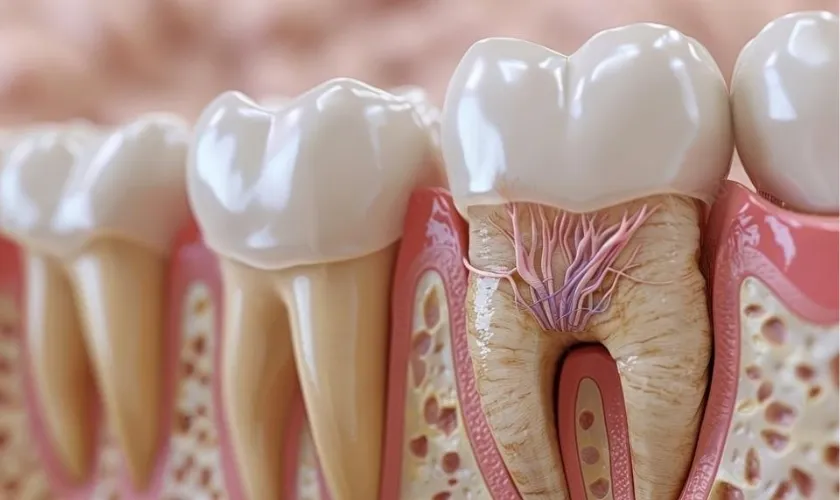
Before we talk about recovery, let’s quickly understand what a root canal actually involves. Inside each tooth is a soft tissue known as the pulp, which contains nerves and blood vessels. When the pulp becomes infected due to deep decay or trauma, it causes severe pain and sensitivity.
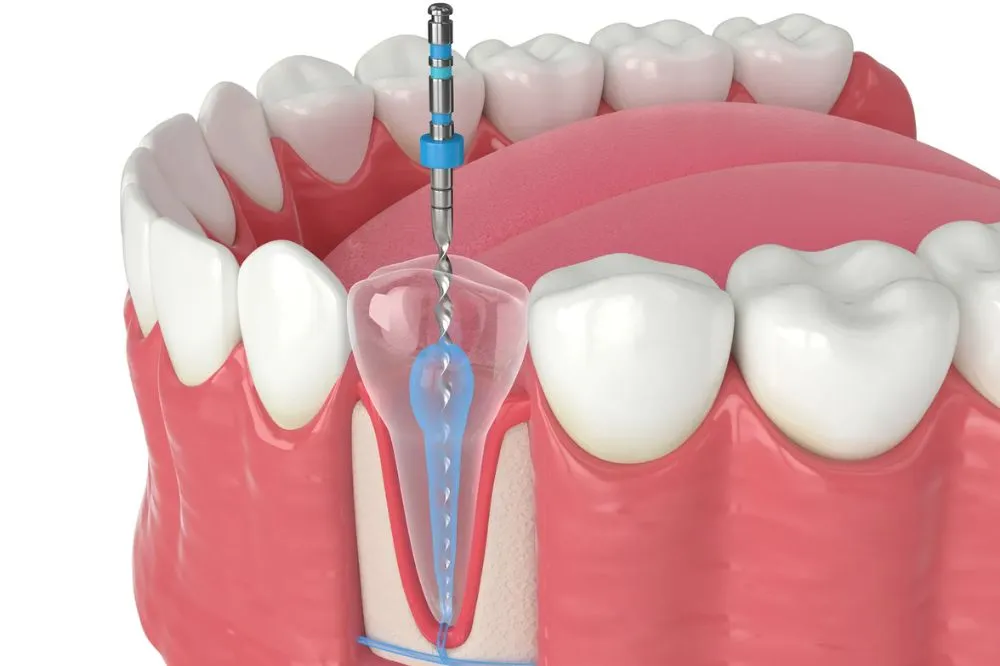
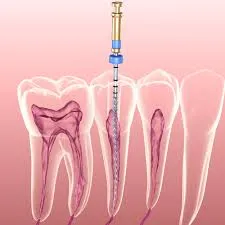
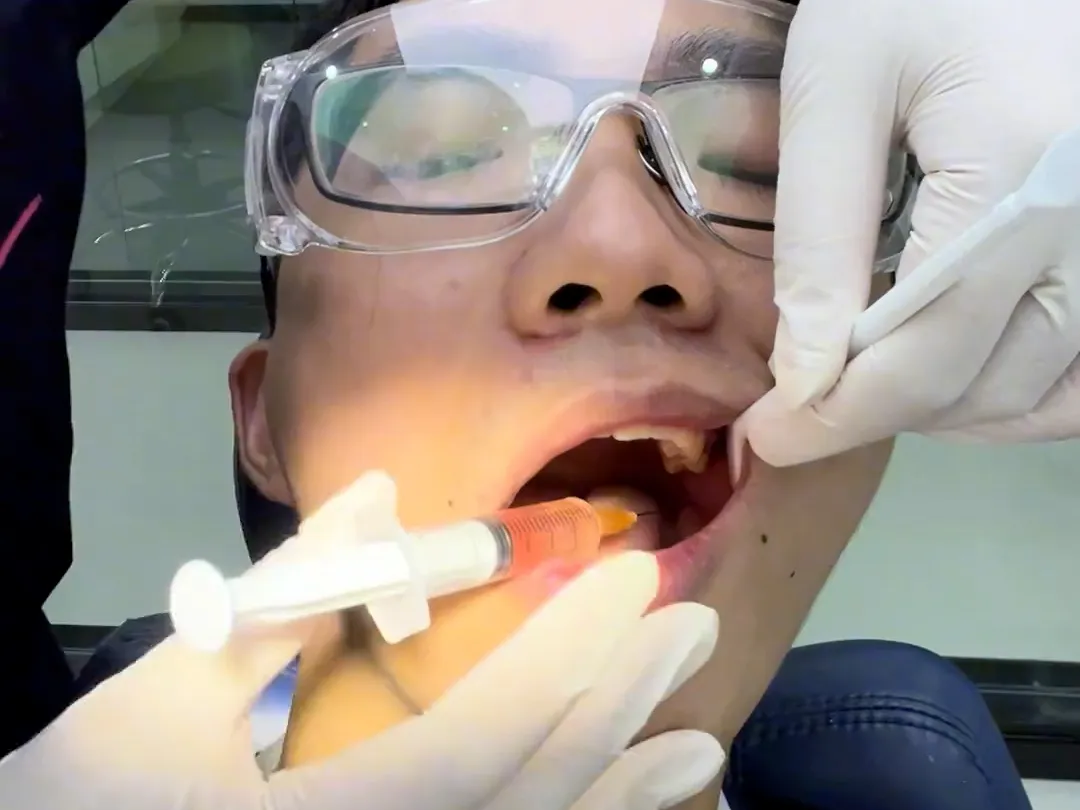
A root canal treatment in Thailand typically involves removing the infected pulp, cleaning the inside of the tooth, disinfecting it, and then sealing it to prevent further infection. Local anesthesia ensures that the procedure is generally pain-free. The treated tooth often needs a crown after the procedure to restore its strength and appearance — something many Thai dental clinics can do quickly and affordably.
### Typical Root Canal Recovery Time in Thailand
For most people, recovery after a root canal in Thailand takes anywhere from a few days up to a week. You might feel some mild discomfort or sensitivity around the treated tooth for the first couple of days, but this usually subsides as the tissue heals.
If your dentist needed to treat an infection before or during the procedure, full recovery might take a bit longer. Patients usually resume their regular daily activities within a day or two, but chewing on the treated side should be avoided until the tooth is fully restored with a permanent crown.
### The First 24 to 48 Hours
Immediately after your root canal, your mouth may still feel numb from the anesthesia. It’s best to avoid eating until the numbness wears off to prevent accidentally biting your tongue or cheek. During the first 24 to 48 hours, some mild soreness and pressure are normal. Thai dentists often recommend mild pain relievers like ibuprofen or paracetamol to ease discomfort.
You should also be careful with what you eat. Soft foods such as rice soup, boiled vegetables, or porridge are easier to manage. Hot and spicy dishes — although tempting for many Thai food lovers — should be avoided until the tooth feels better.
### One Week After Treatment
By the end of the first week, most patients find that any lingering discomfort has disappeared. This is when your dentist might schedule you for a follow-up appointment to check how the tooth is healing. If a crown hasn’t been placed yet, this will likely be the next step.
Dental cr
owns are an important part of ensuring the tooth lasts long term. Many dental clinics in Bangkok, Chiang Mai, and Phuket offer high-quality crowns that can be completed in a single visit using advanced CAD/CAM technology. Having the crown fitted not only restores your smile but also protects your tooth from future damage.
### Factors That Affect Recovery Time
While most people recover within a week, certain factors can influence how quickly your mouth heals. These include:
- **Severity of infection:** The deeper or more complex the infection, the longer recovery may take.
- **General health:** People with conditions that affect healing, such as diabetes, may need extra time.
- **Aftercare habits:** Following your dentist’s aftercare instructions can make a big difference.
- **Proper dental hygiene:** Keeping the treated area clean helps prevent new infections and speeds up healing.
If you notice persistent pain or swelling after a week, or if your bite feels uneven, it’s important to go back to your dentist for an evaluation. Thai dental professionals are known for their attentive follow-up care, so don’t hesitate to contact your clinic.
### Tips for a Smooth Recovery
Recovering from a root canal doesn’t have to be stressful. Here are some practical tips to help you heal faster in Thailand’s warm climate:
1. **Stick to soft and cool foods** for the first few days. Avoid sticky or crunchy foods.
2. **Maintain good oral hygiene** by gently brushing and flossing, but avoid directly brushing over the treated area for the first 24 hours.
3. **Stay hydrated.** Drinking plenty of water helps your body heal more efficiently.
4. **Avoid smoking and alcohol,** as they can slow down recovery.
5. **Take all prescribed medication** exactly as your dentist instructs you.
### The Cost and Value of Root Canal Treatment in Thailand
One reason many people choose to get root canal treatment in Thailand is the balance between affordability and quality. Whether you visit a dental clinic in Bangkok, Phuket, or Chiang Mai, you’ll find modern facilities, English-speaking dental specialists, and prices that are often 50–70% lower than in Western countries.
When compared with the lifelong cost of extracting a tooth and replacing it with an implant or bridge, a root canal is often both a simpler and more cost-effective solution. Plus, you get to keep your natural tooth — which is always the best option when possible.
### Final Thoughts
Root canal recovery in Thailand is usually quick, straightforward, and manageable. Most patients return to normal activities within just a few days, enjoying relief from pain and protection for years to come.
The combination of skilled Thai dentists, modern dental technology, and friendly service makes Thailand one of the best destinations for dental care in the region. If you follow your dentist’s advice and take good care of your teeth afterward, your newly treated tooth can serve you well for many years — allowing you to smile, eat, and live comfortably again.