Thailand Root Canal Treatment With Temporary Filling

Thailand Root Canal Treatment With Temporary Filling
**Thailand Root Canal Treatment With Temporary Filling**
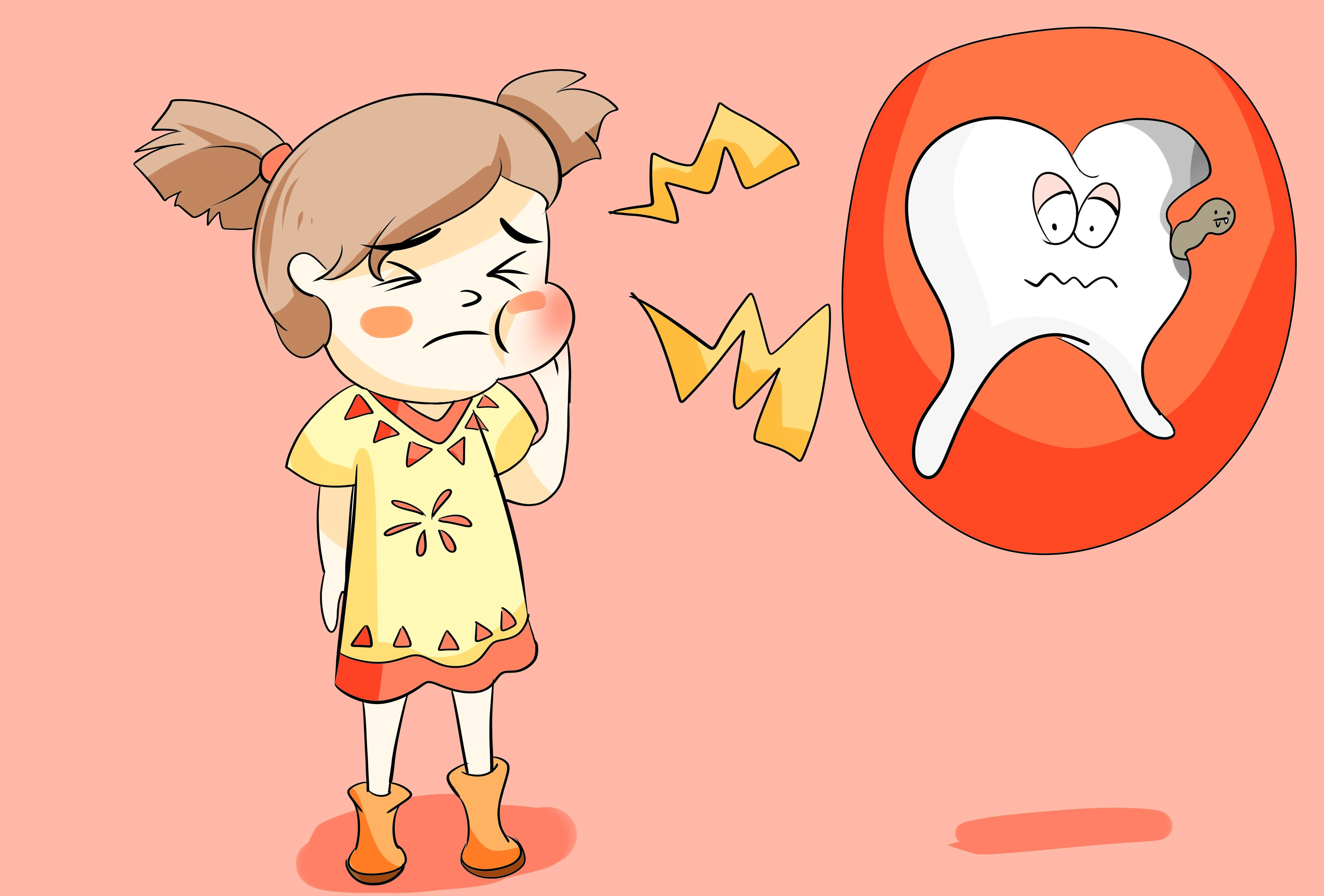
If you’ve ever experienced severe tooth pain, you might already know how serious an infected tooth can be. In Thailand, one of the most common solutions for saving an infected tooth is a root canal treatment, also known locally as “root canal therapy.” This dental procedure removes bacteria and damaged tissue from inside the tooth, allowing you to keep your natural tooth structure instead of opting for an extraction.
When getting a root canal in Thailand, patients often hear about the use of a *temporary filling*—a crucial step that helps protect the tooth before the final restoration. Understanding why this temporary stage is necessary and what to expect after the treatment can help you feel more confident and comfortable during your dental journey.
### What Is a Root Canal Treatment?
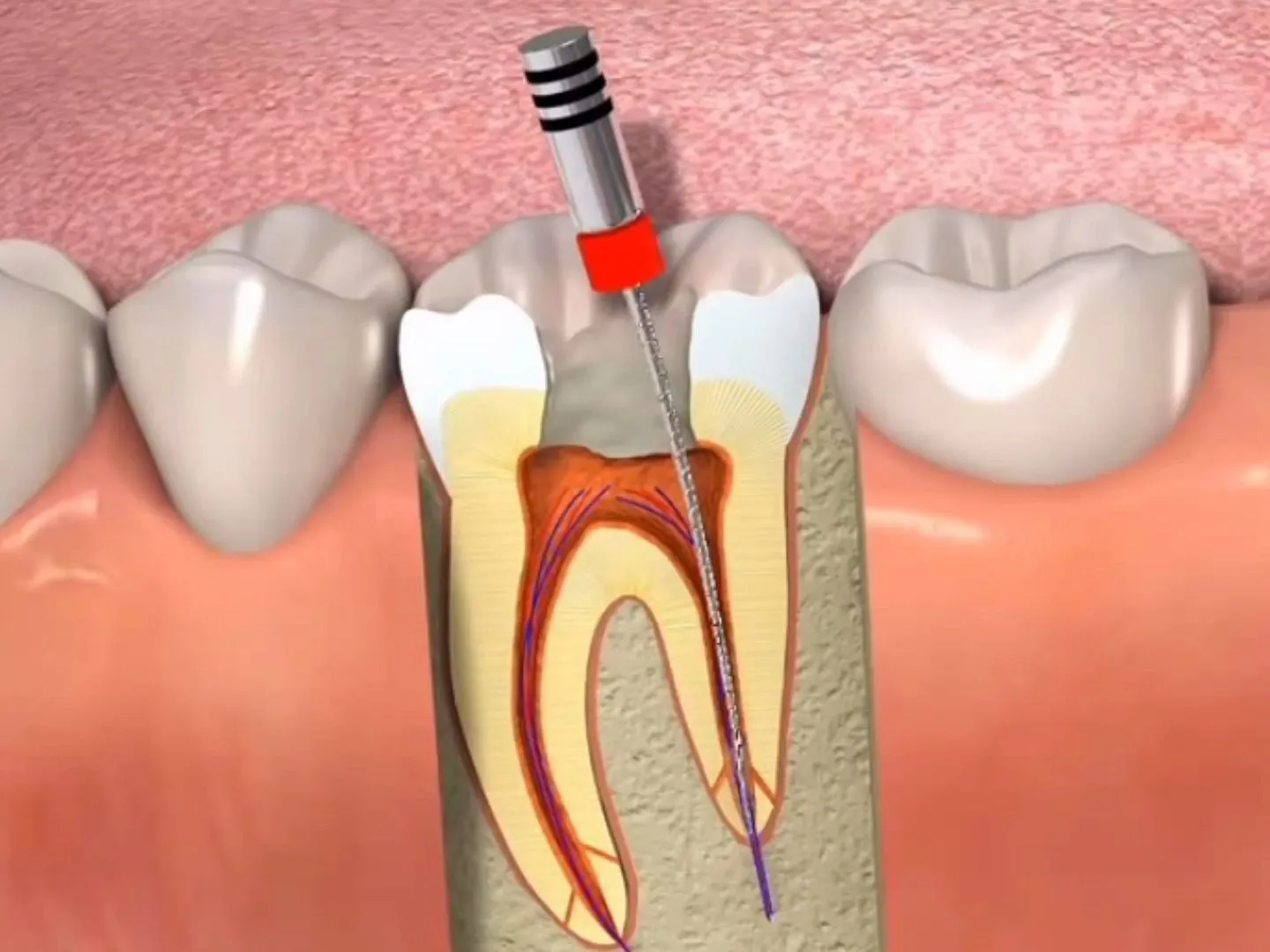
A root canal is a dental procedure used to treat infection in the pulp of a tooth—the inner part that contains nerves and blood vessels. The infection is usually caused by deep decay, repeated dental procedures, or cracks in the tooth. In Thailand, dentists perform root canals using advanced technology such as digital X-rays and rotary instruments to ensure precision and comfort.
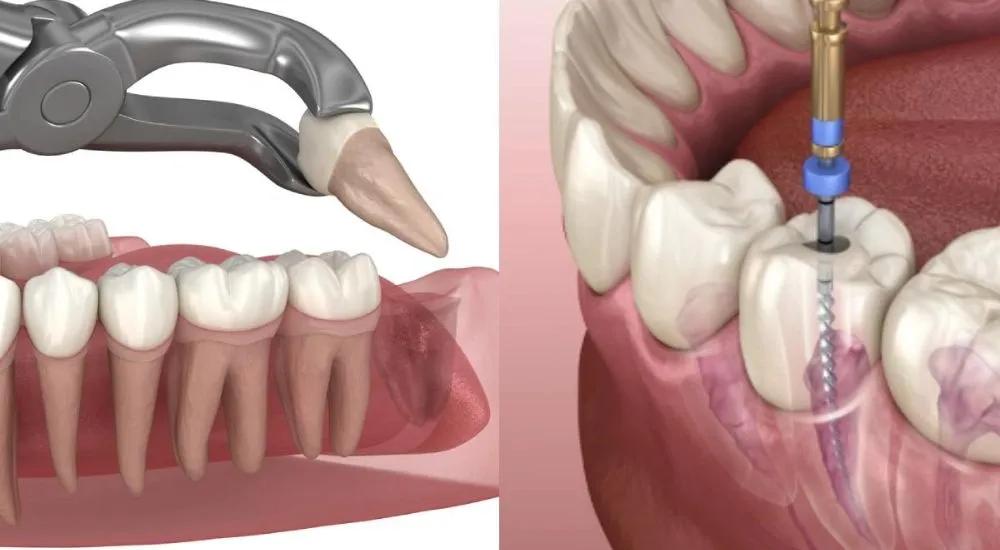
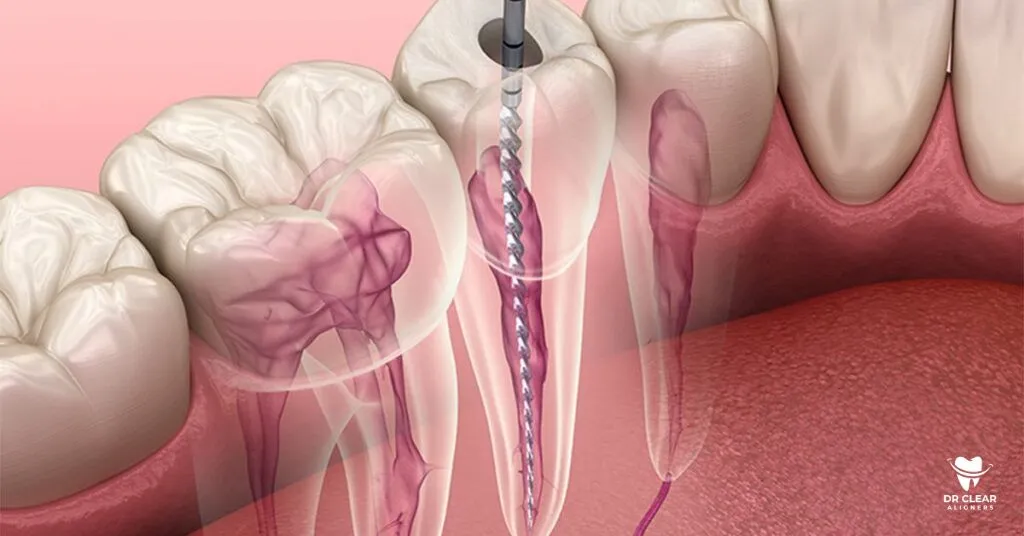
During the procedure, the dentist removes the infected tissue from the inside of the tooth, cleans and shapes the canals, and then fills them with a special material that seals the space. The goal is to eliminate bacteria, prevent reinfection, and save the natural tooth.
### Why Temporary Fillings Are Important
After cleaning and shaping the canals, your dentist will often place a temporary filling. This is a short-term material used to seal the tooth between appointments or while waiting for a permanent filling or crown.
In Thailand, temporary fillings are commonly made from materials such as zinc oxide eugenol or resin-based compounds, designed to last a few weeks. They help prevent contaminants, food particles, and bacteria from re-entering the tooth during the healing stage.
Some patients may wonder why the dentist doesn’t just complete everything in one session. In reality, your dentist may need to monitor how your tooth responds to treatment or wait for infection to fully subside before placing the permanent filling or crown. The temporary filling acts like a protective shield during this interim period.
### The Process of Root Canal Therapy in Thailand
The process usually starts with a thorough consultation. Thai dental clinics—especially in Bangkok, Phuket, Chiang Mai, and Pattaya—are well-known for their friendly service and English-speaking dentists. The dentist will take an X-ray, perform an examination, and explain each step in detail so you understand what’s happening.
1. **Local Anesthesia:** Before starting, the dentist will numb the area to ensure you feel no pain during the procedure.
2. **Cleaning and Shaping:** The dentist removes the infected pulp and shapes the canals using fine instruments.
3. **Disinfection:** The canals are cleaned with antibacterial solut
ions to remove all traces of infection.
4. **Temporary Filling:** A temporary filling material is placed to protect the tooth until the next appointment.
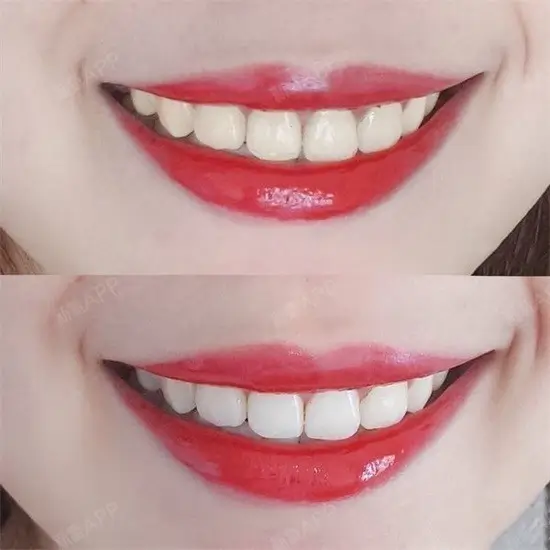
5. **Permanent Restoration:** Once the infection is cleared and the dentist confirms the tooth is stable, a permanent filling or crown is placed to restore strength and appearance.
### What to Expect After the Treatment
It’s normal to feel mild discomfort or sensitivity for a few days after a root canal. Most Thai dentists recommend over-the-counter pain relievers and gentle oral hygiene during this period. You should also avoid biting on hard foods on the treated side, especially while the temporary filling is still in place.
If your temporary filling falls out—which can happen sometimes—it’s advisable to contact your dentist as soon as possible. Leaving the tooth exposed can allow bacteria to re-enter and delay healing.
### Advantages of Root Canal Treatment in Thailand
Thailand is one of Asia’s top destinations for dental tourism, attracting patients from around the world. Here are a few reasons why many people choose to have their root canal treatment in Thailand:
- **Affordable Costs:** Treatment prices are significantly lower than in Western countries, often 50–70% cheaper.
- **High Standards of Care:** Thai dentists are highly trained, and many have international certifications.
- **Modern Facilities:** Clinics in Thailand often use the latest dental technology, such as digital imaging and microscopes.
- **Convenient Packages:** Many dental centers offer comprehensive treatment plans, including airport transfers and hotel bookings, ideal for international visitors.
- **Warm Hospitality:** Thai people are known for their gentle and caring attitude, which extends to the dental profession.
### Taking Care of Your Tooth After the Root Canal
After completing your root canal and receiving your permanent restoration, it’s important to maintain good oral hygiene. Brush twice daily with a soft-bristled toothbrush, floss regularly, and visit your dentist every six months for check-ups. In Thailand, routine dental cleaning services are easy to access and affordable, making preventive care simple to keep up with.
Avoid biting hard items such as ice or bones, and if you grind your teeth at night, consider using a mouthguard. A properly restored and maintained tooth after a root canal can last a lifetime.
### Final Thoughts
Getting a root canal treatment with a temporary filling in Thailand is a safe, effective, and affordable option for both locals and international patients. The combination of skilled dentists, modern technology, and warm Thai hospitality makes the experience more comfortable and reassuring.
Whether you live in Thailand or are visiting for dental care, understanding the role of temporary fillings and following your dentist’s advice will help ensure successful healing and long-lasting results. With the right care, that once-painful tooth can become strong, healthy, and pain-free again—letting you smile with full confidence.