Thailand Root Canal Treatment for Tooth Nerve Exposure
Thailand Root Canal Treatment for Tooth Nerve Exposure
**Thailand Root Canal Treatment for Tooth Nerve Exposure**
When you hear the words “root canal,” you might instantly think of pain or expensive dental bills. But in Thailand, root canal treatment has become one of the most trusted, affordable, and comfortable dental procedures for saving damaged teeth. If you’re dealing with tooth nerve exposure — that sharp, lingering pain when you eat something hot, cold, or sweet — understanding your treatment options in Thailand could help you bring back your confident smile without breaking the bank.
---
### Understanding Tooth Nerve Exposure
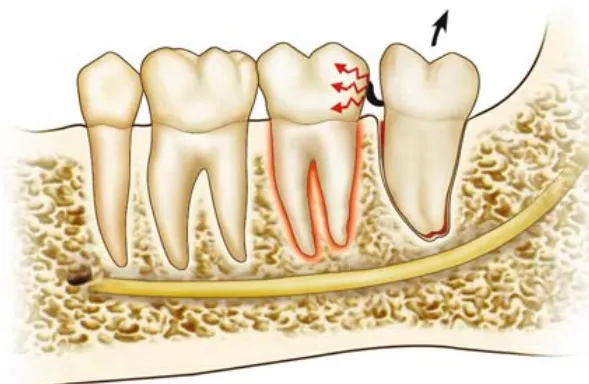
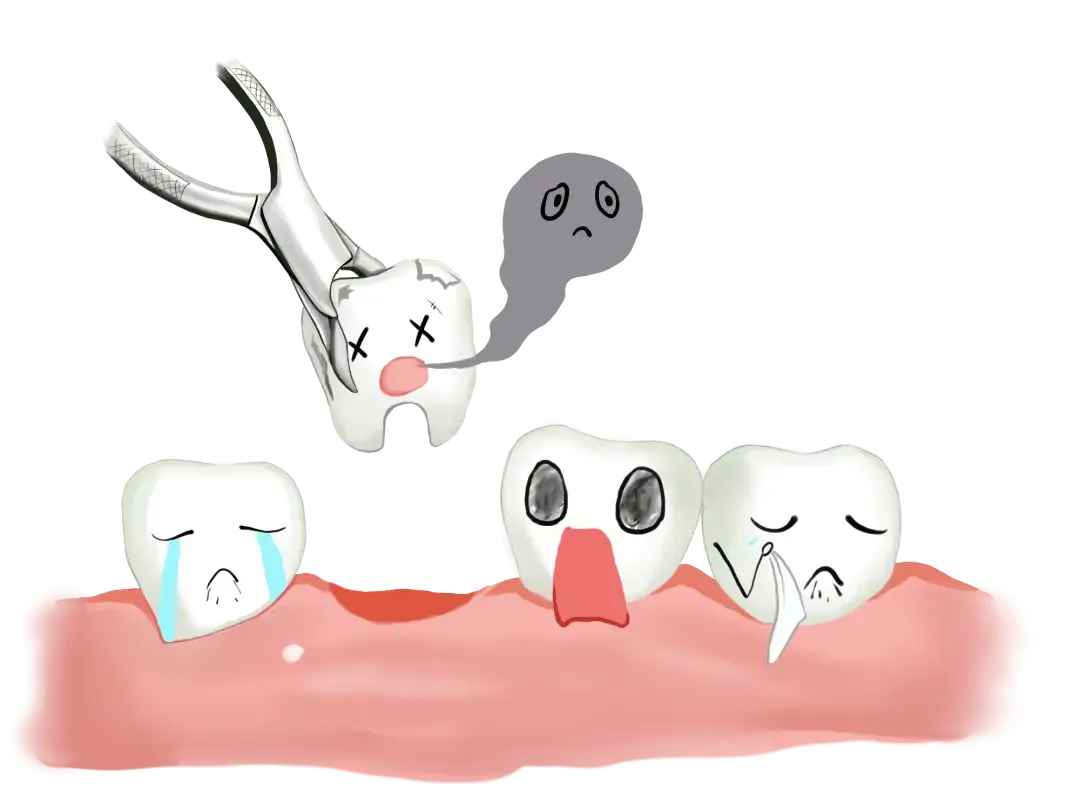
Tooth nerve exposure happens when the innermost part of your tooth, called the pulp, becomes visible or infected. This pulp contains nerves and blood vessels that keep your tooth alive and sensitive. The exposure is often caused by deep decay, cracked teeth, accidental trauma, or even worn-out fillings. Once the nerve is exposed, bacteria can enter and cause severe inflammation, leading to persistent toothache and sometimes swelling of the face or gums.
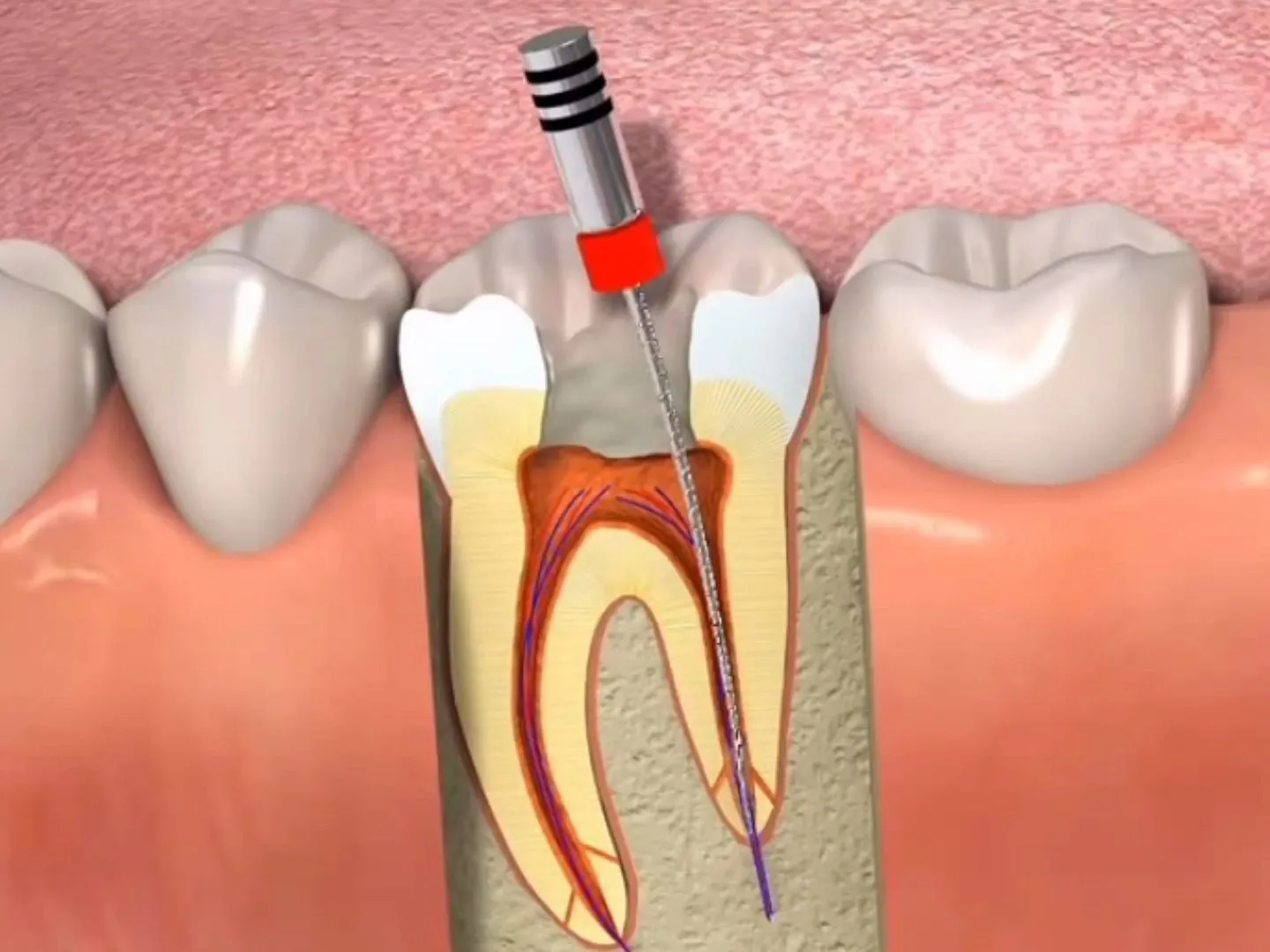
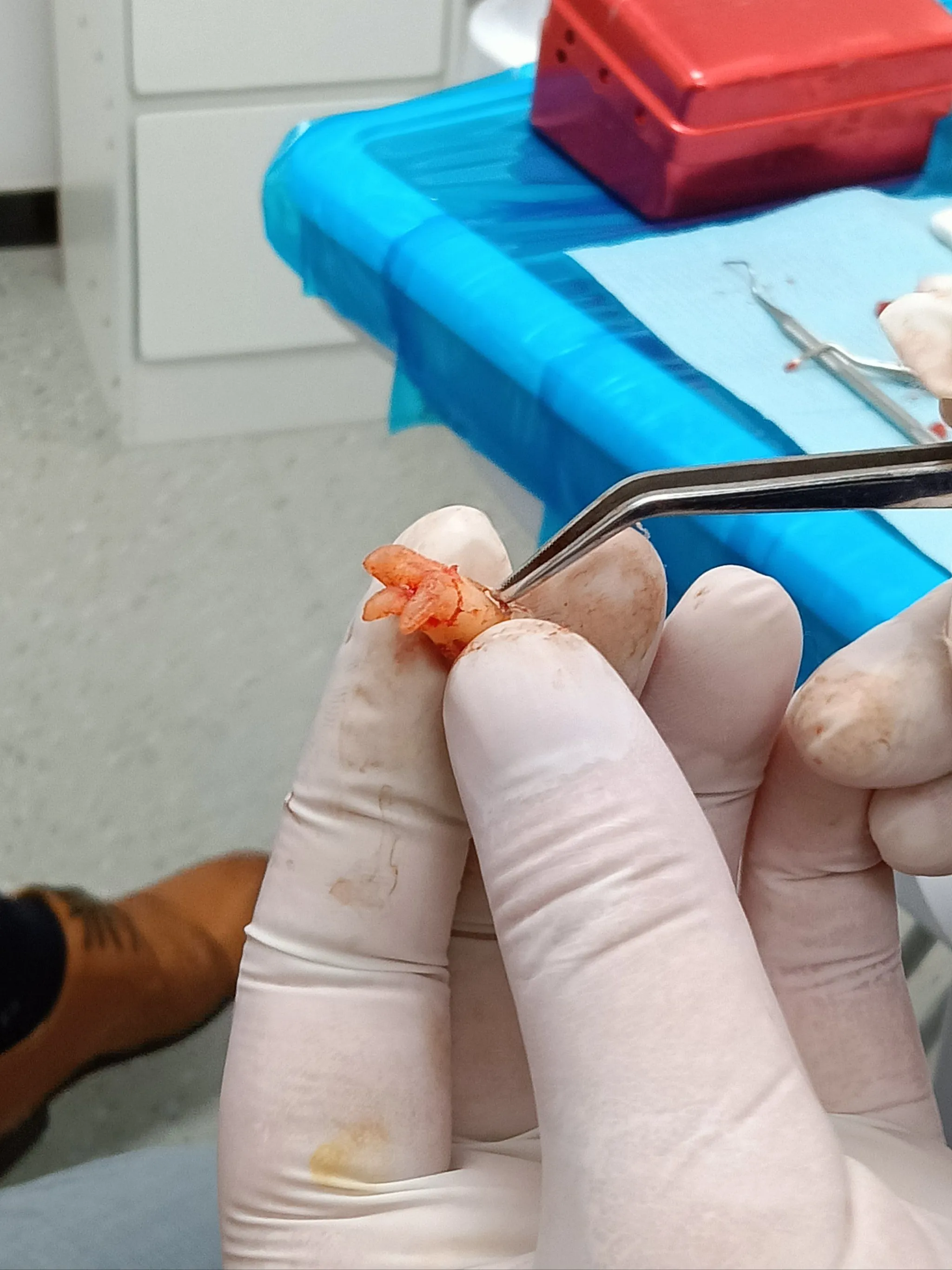
Ignoring it is not a good idea. The infection won’t heal by itself — instead, it can spread to the roots or surrounding bone. That’s where root canal treatment comes in. The procedure removes the infected pulp, cleans the root canals inside the tooth, and seals them to prevent further infection.
---
### Why Choose Root Canal Treatment in Thailand?
Thailand is well known for its world-class dental services. Many locals and international patients choose Thai dental clinics for their high-quality care, modern equipment, and transparent pricing. From Bangkok and Chiang Mai to Phuket and Pattaya, there are reputable dental centers offering specialized endodontic (root canal) treatments performed by experienced dentists.
**Affordability** is one of the main advantages. In Western countries, root canal procedures can cost several times more than in Thailand. Here, the same level of professional care is often available at a fraction of the price, making it ideal for both locals and dental tourists. Plus, most clinics provide clear treatment plans and discuss costs upfront, so you can make informed decisions without hidden charges.
Another reason people choose dental treatment in Thailand is the **comfort level and patient care**. Thai dental clinics are known for their warm, friendly service and calm environments that help ease dental anxiety. Many clinics use modern technology, such as digital X-rays and rotary systems, which make the process faster and more precise.
---
### The Root Canal Treatment Process
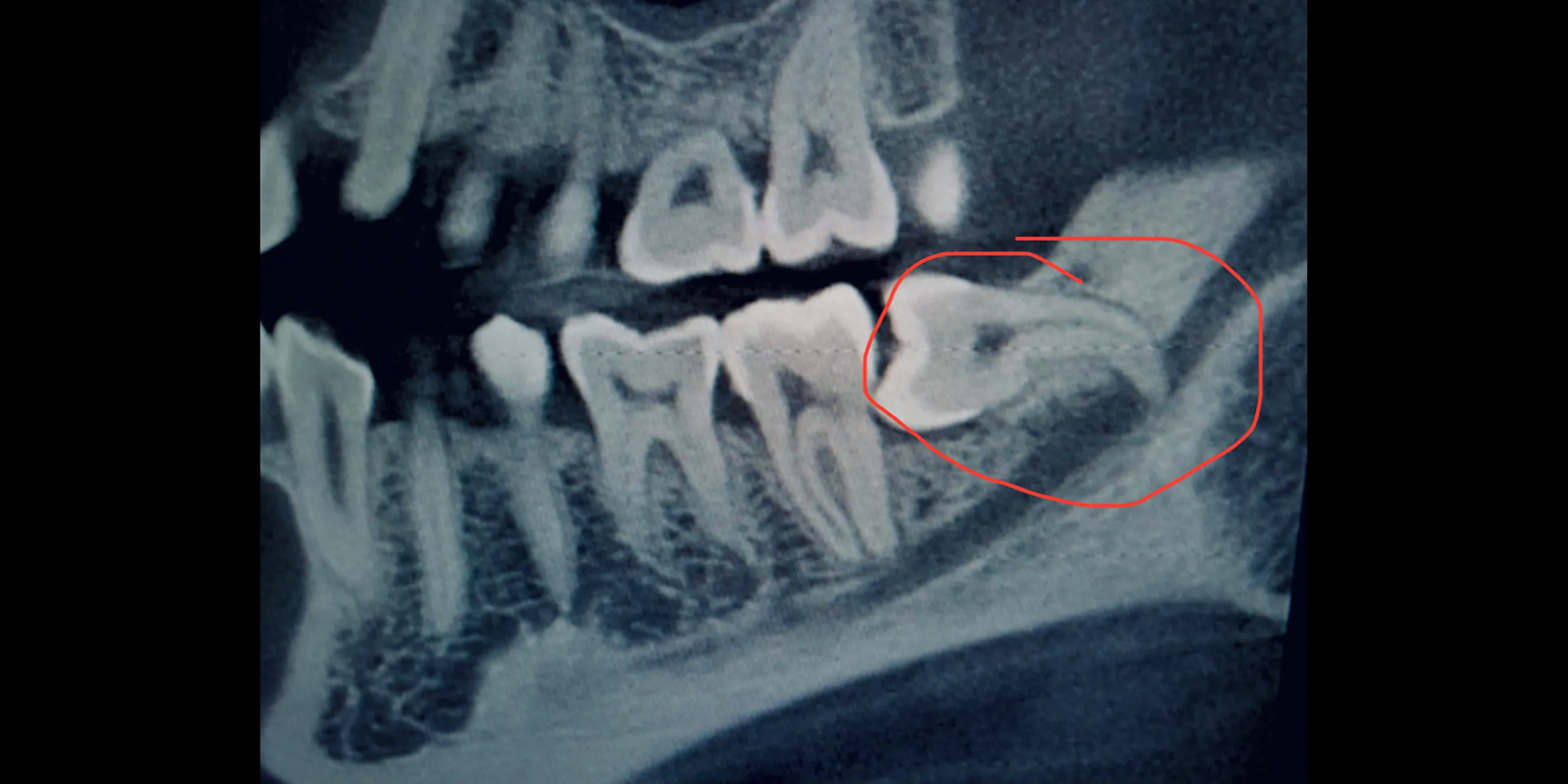
If your tooth nerve is exposed, your dentist will first perform an evaluation, often including an X-ray, to check the extent of damage. Here’s what the root canal process generally involves:
1. **Local anesthesia** – Before the treatment starts, the dentist will numb the tooth and surrounding area, so you won’t feel pain during the procedure.
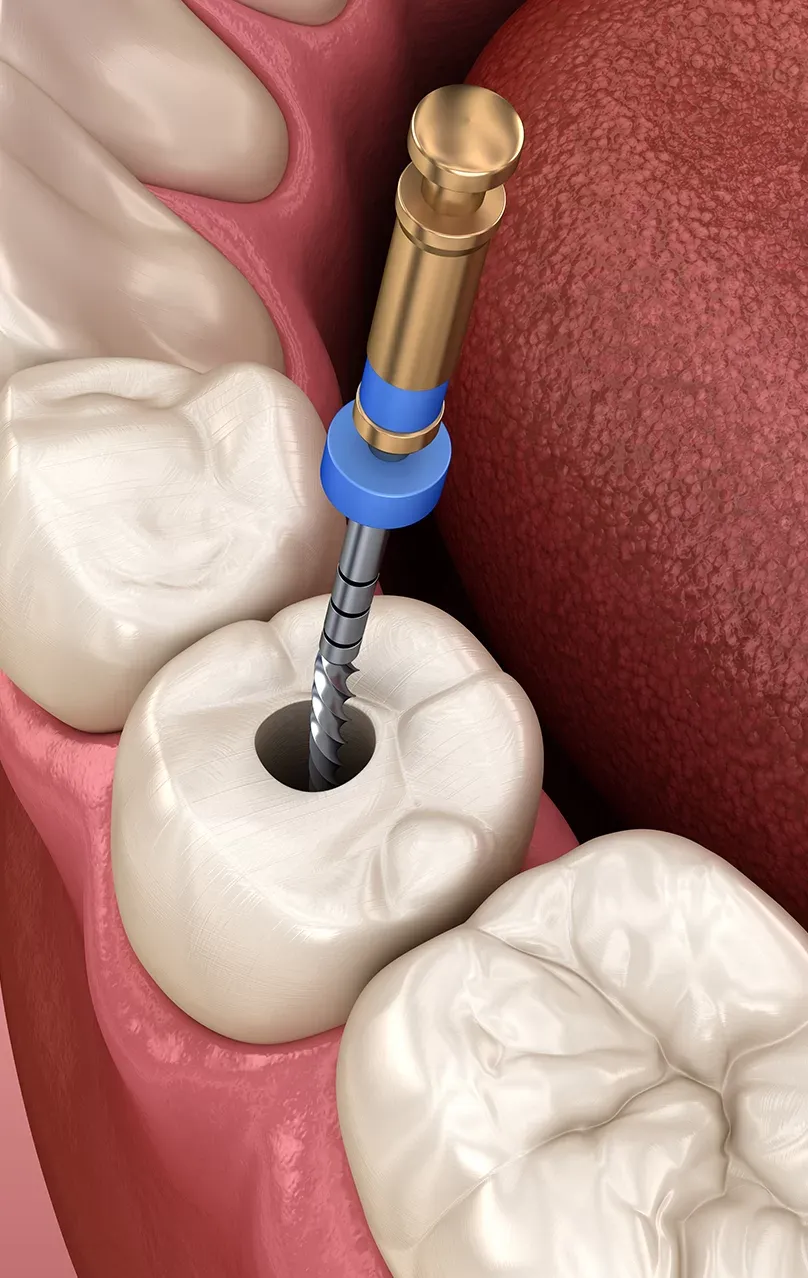
2. **Accessing the pulp** – The dentist creates a small opening in the tooth to reach the damaged pulp inside.
3. **Cleaning and shaping the canals** – Using fine instruments, the infected tissue and bacteria are removed, and the inner canal is cleaned and shaped for filling.
4.
**Filling and sealing** – The cleaned canals are filled with a medical material called gutta-percha to seal them completely, preventing further infection.
5. **Restoration** – Often, a dental crown is recommended to protect the tooth and restore its strength and appearance.
Depending on your situation, the entire procedure can be done in one or two visits. Most patients report that root canal treatment feels similar to having a normal filling, especially with modern anesthesia and techniques.
---
### Aftercare and Recovery Tips
After your root canal, it’s normal to feel slight tenderness for a few days. Your dentist may prescribe medication to manage discomfort or prevent infection. Here are some simple aftercare tips commonly given at Thai dental clinics:
- Avoid chewing on the treated tooth until the final restoration (crown) is placed.
- Maintain good oral hygiene — brush twice a day and use mouthwash to keep bacteria away.
- Visit your dentist regularly for follow-up appointments to ensure healing is on track.
- Stick to soft foods for a few days, such as rice soup or smoothies, until your tooth feels normal again.
Most patients can resume normal activities almost immediately after the procedure. Once fully restored with a crown, the treated tooth can last for many years — often for a lifetime — if properly cared for.
---
### Choosing the Right Dental Clinic in Thailand
If you’re planning to get root canal treatment in Thailand, look for clinics that are certified, well-reviewed, and use international hygiene standards. Many dental centers in Bangkok, Chiang Mai, and Phuket cater to both local and international patients, offering bilingual staff and detailed online consultations.
Before booking, it’s wise to check the credentials of the dentist, ask about the equipment used, and confirm the total cost, including the crown. Reputable clinics will explain your options clearly and show digital X-rays to help you understand your condition.
---
### The Benefits of Saving Your Tooth
Some patients wonder whether it’s better to just extract the tooth instead of going through a root canal. However, saving your natural tooth has important advantages. It maintains your natural bite, prevents other teeth from shifting, and preserves your jawbone structure. Replacement options like implants or bridges are often more expensive and require more recovery time.
When done properly, root canal treatment removes the infection and allows your tooth to function normally, helping you chew, smile, and speak without pain.
---
### Final Thoughts
Tooth nerve exposure doesn’t have to mean losing your tooth. With professional root canal treatment in Thailand, you can restore your oral health safely, effectively, and affordably. Whether you live locally or are visiting for dental tourism, Thai clinics provide excellent service, modern technology, and caring dental professionals who put patient comfort first.
If you’ve been struggling with tooth pain or suspect that your nerve is exposed, don’t delay. Early treatment can save your tooth, your smile, and your peace of mind. In Thailand, quality dental care is closer — and more accessible — than you might think.