Thailand Root Canal Treatment for Painful Tooth Nerve
Thailand Root Canal Treatment for Painful Tooth Nerve
**Thailand Root Canal Treatment for Painful Tooth Nerve**
Having a toothache that keeps you awake at night is something no one wants to experience. In Thailand, many locals and expats face dental issues that go beyond simple cavities — sometimes the pain comes from deep inside the tooth, where the nerve is infected or inflamed. This is where **root canal treatment** steps in as a life-saver. It’s one of the most common yet most misunderstood dental procedures. Let’s take a closer look at what root canal treatment in Thailand really means, how it helps relieve nerve pain, and what you can expect from local dental clinics.
---
### Understanding Tooth Nerve Pain
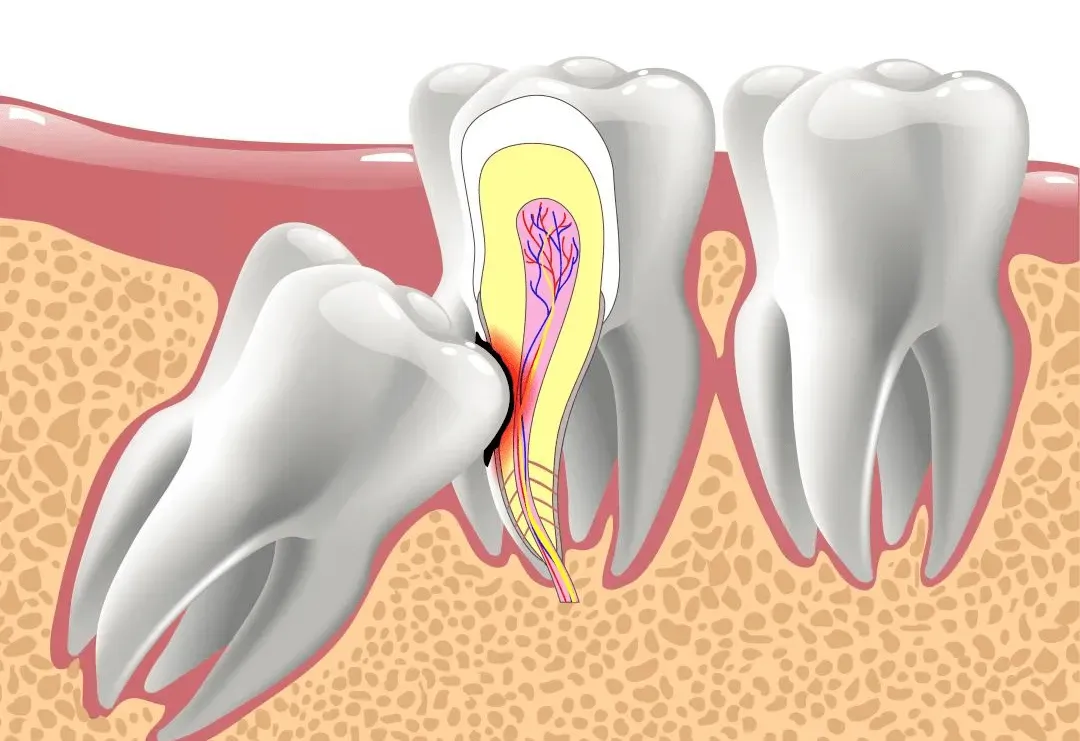
Tooth nerve pain usually starts when bacteria reach the pulp — that’s the soft area inside the tooth where the nerve and blood vessels are located. You might feel sharp pain when eating or drinking something hot, cold, or sweet. Sometimes, the pain can be constant, throbbing, or even cause headaches and discomfort in the jaw. If left untreated, the infection can spread, leading to swelling or an abscess.
Thailand’s dental professionals often explain that nerve pain is not something you should try to ignore. Unlike minor tooth sensitivity, nerve-related pain indicates that the tooth’s internal tissue is affected. The most effective way to save the tooth and stop the pain is through a **root canal procedure**, known locally as “รักษารากฟัน.”
---
### What Is Root Canal Treatment?
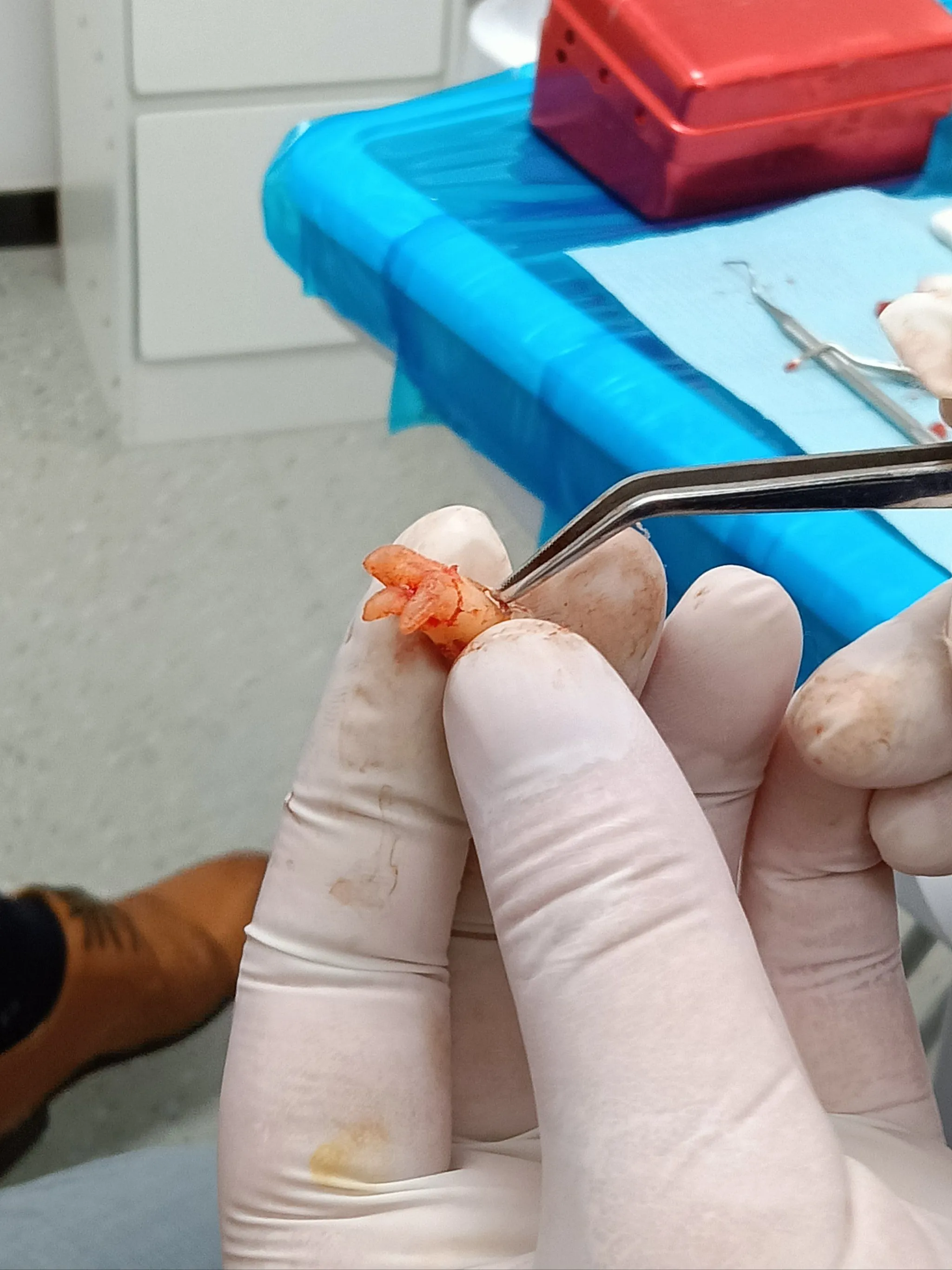
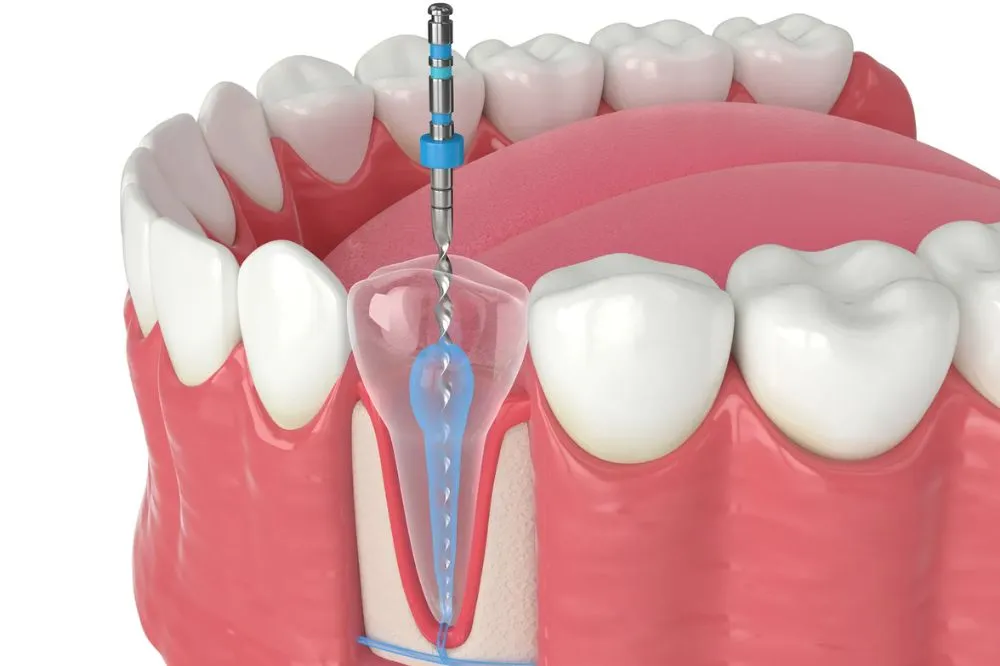
Root canal treatment is a procedure designed to remove the infected nerve tissue inside the tooth, clean the root canals thoroughly, and then seal them to prevent future infection. The outer tooth remains intact, which means the natural tooth can still be used for biting and chewing.
The process typically involves three main steps:
1. **Diagnosis and x-ray** – The dentist checks how deep the infection is and whether the tooth can be saved.
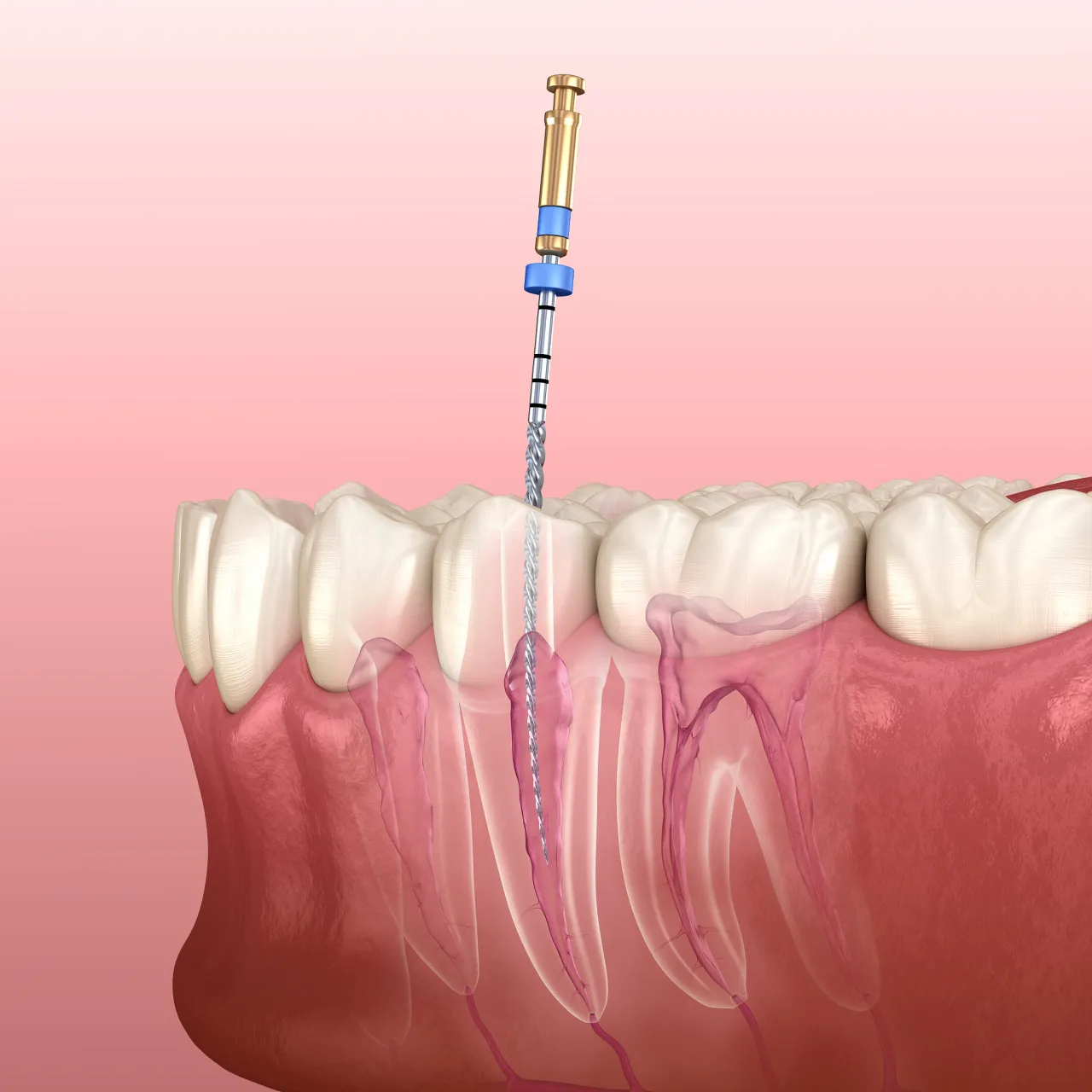
2. **Cleaning and shaping the canal** – After numbing the area, the dentist removes the damaged pulp and disinfects the canals using small dental instruments.
3. **Filling and sealing** – Once cleaned, the canals are filled with a special material called gutta-percha and sealed to protect the tooth from bacteria. A crown may be added later for extra protection.
In Thailand, many dental clinics use modern equipment and digital x-rays to ensure precise treatment, faster recovery, and minimal discomfort.
---
### Why Choose Root Canal Treatment in Thailand?
Thailand has a strong reputation for providing high-quality dental care at affordable prices. Many people, including international visitors, choose Thai dental clinics for root canal therapy because of the combination of expertise, technology, and warmth in service.
**1. Affordable and transparent prices:**
Root canal treatment in Thailand usually costs significantly less than in Western countries. You can expect to pay between 5,000 and 10,000 THB per tooth, depending on the complexity and whether a crown is required. Clinics in Bangkok, Chiang Mai, and Phuket often provide detailed price lists and consultation options so patients can plan in advance.
**2. Skilled dentists and modern techniques:**
Thai dentists are well-trained and speak E
nglish fluently, especially in clinics that cater to international patients. Many local dentists have studied overseas or undergone specialized endodontic training. With advanced rotary instruments and 3D imaging, they can perform root canal therapy with high precision.
**3. Comfort and gentle care:**
In Thailand, dental care is known for its patient-focused approach. Dentists take extra care to ensure that the procedure is painless. Local anesthesia is used effectively, and most patients describe the experience as surprisingly comfortable. Afterwards, the dental team usually provides detailed advice on cleaning and maintaining oral hygiene.
---
### What to Expect During and After Treatment
A single root canal session might take about 45 to 90 minutes, depending on the tooth’s condition. Sometimes, the dentist may divide the procedure into two visits, especially if there’s severe infection. After treatment, mild soreness can occur, but this normally disappears within a few days.
You can continue normal activities soon after, but dentists in Thailand often recommend avoiding hard foods for at least 24 hours. Once a dental crown is placed, the treated tooth becomes strong again — just like natural teeth. Proper brushing, flossing, and regular dental checkups will help ensure long-term success.
---
### Tips Before Getting Your Root Canal in Thailand
- **Choose a reputable clinic:** Check online reviews and verify that the dentist is licensed with the Dental Council of Thailand.
- **Talk openly about symptoms:** Describe any pain, swelling, or history of previous dental treatments so the dentist can tailor the procedure.
- **Ask about crown options:** A crown can protect your tooth and restore full function; it’s worth discussing the materials and costs.
- **Confirm follow-up care:** Most clinics provide after-treatment support. Don’t hesitate to contact your dentist if discomfort lasts longer than expected.
---
### Root Canal Treatment vs Tooth Extraction
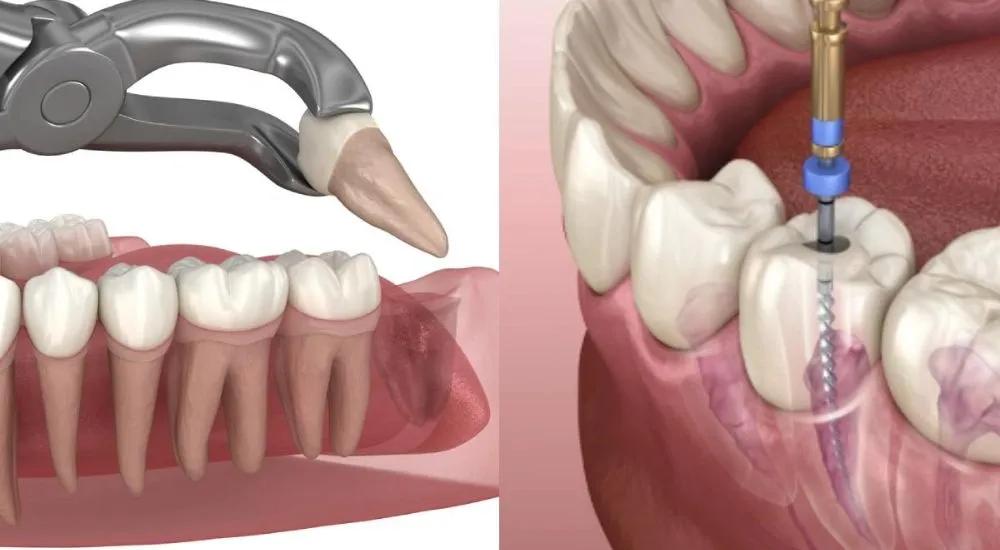
Some patients in Thailand wonder whether it’s better to extract the tooth instead of undergoing root canal therapy. While extraction can relieve immediate pain, losing a tooth may cause long-term problems — such as shifting of nearby teeth or difficulty chewing. A root canal saves your natural tooth and maintains your smile. With modern techniques available in Thailand, this procedure is safe and highly effective.
---
### Living Pain-Free with Healthy Teeth
Tooth nerve pain doesn’t have to ruin your days or nights. Root canal treatment offers a reliable solution to stop infection, preserve your tooth, and restore comfort. In Thailand, dental care combines professional standards with a friendly atmosphere that helps patients relax. Whether you live in Bangkok, Pattaya, Chiang Mai, or the islands, you’ll find skilled dentists ready to help you smile again — without the pain.
So, if your tooth is throbbing and you suspect the nerve is the culprit, don’t delay. Schedule a consultation with a Thai dental clinic and take the first step toward painless, healthy teeth. Root canal treatment may sound complicated, but in Thailand, it’s done with precision, care, and a gentle touch that makes all the difference.