Thailand Root Canal Therapy for Painful Root Canal Infection Cases
Thailand Root Canal Therapy for Painful Root Canal Infection Cases
**Thailand Root Canal Therapy for Painful Root Canal Infection Cases**
If you’ve ever experienced a severe toothache that just won’t go away, there’s a good chance the problem might be deeper than a simple cavity. In Thailand, many people suffering from continuous tooth pain eventually find out that the cause is a root canal infection. Luckily, modern root canal therapy in Thailand has come a long way, offering comfortable, safe, and affordable solutions for restoring your natural smile.
### Understanding Root Canal Infection
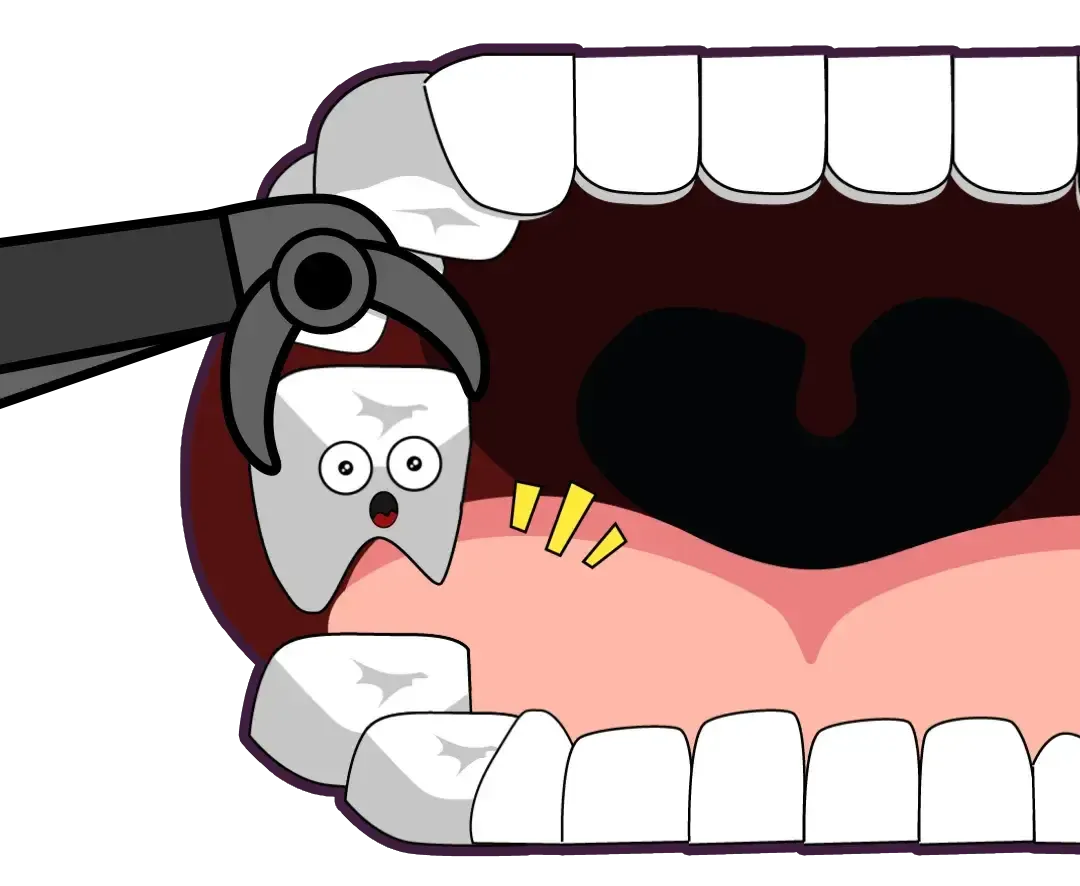
A root canal infection happens when bacteria invade the inner part of a tooth—known as the pulp. This can occur because of deep tooth decay, repeated dental procedures on the same tooth, or even a crack or chip that allows bacteria to get inside. Once infected, the pulp becomes inflamed and painful, causing sensitivity to hot or cold, swelling in the gums, and a constant throbbing ache.
If left untreated, the infection can spread beyond the tooth, leading to abscesses or even affecting nearby bone tissue. That’s why seeking professional dental care as soon as possible is essential. In Thailand, many dental clinics are well-equipped with advanced technology to handle such cases efficiently.
### Why Thailand Is a Top Destination for Root Canal Therapy
Thailand has earned a global reputation for high-quality yet affordable dental care. From Bangkok to Chiang Mai, and even in coastal cities like Phuket and Pattaya, you’ll find clinics that meet international standards with English-speaking dentists who specialize in endodontic (root canal) treatments.
Patients from all over the world come to Thailand not just for the expertise but also for the attentive service and modern facilities. The cost of root canal therapy in Thailand can be significantly lower compared to Western countries—often between 50% and 70% less—without compromising on quality.
### The Root Canal Therapy Process in Thailand
When you visit a dental clinic in Thailand for root canal treatment, the process usually starts with a detailed examination. Most clinics use digital X-rays or 3D scans to get a clear view of the infected tooth structure and surrounding tissues.
The dentist will then explain your treatment plan step by step, ensuring you fully understand what to expect. Here’s a typical outline of what happens during the therapy:
1. **Local Anesthesia** – Your dentist will numb the affected area so you won’t feel discomfort during the procedure. Many patients are surprised at how painless modern root canal treatment can be.
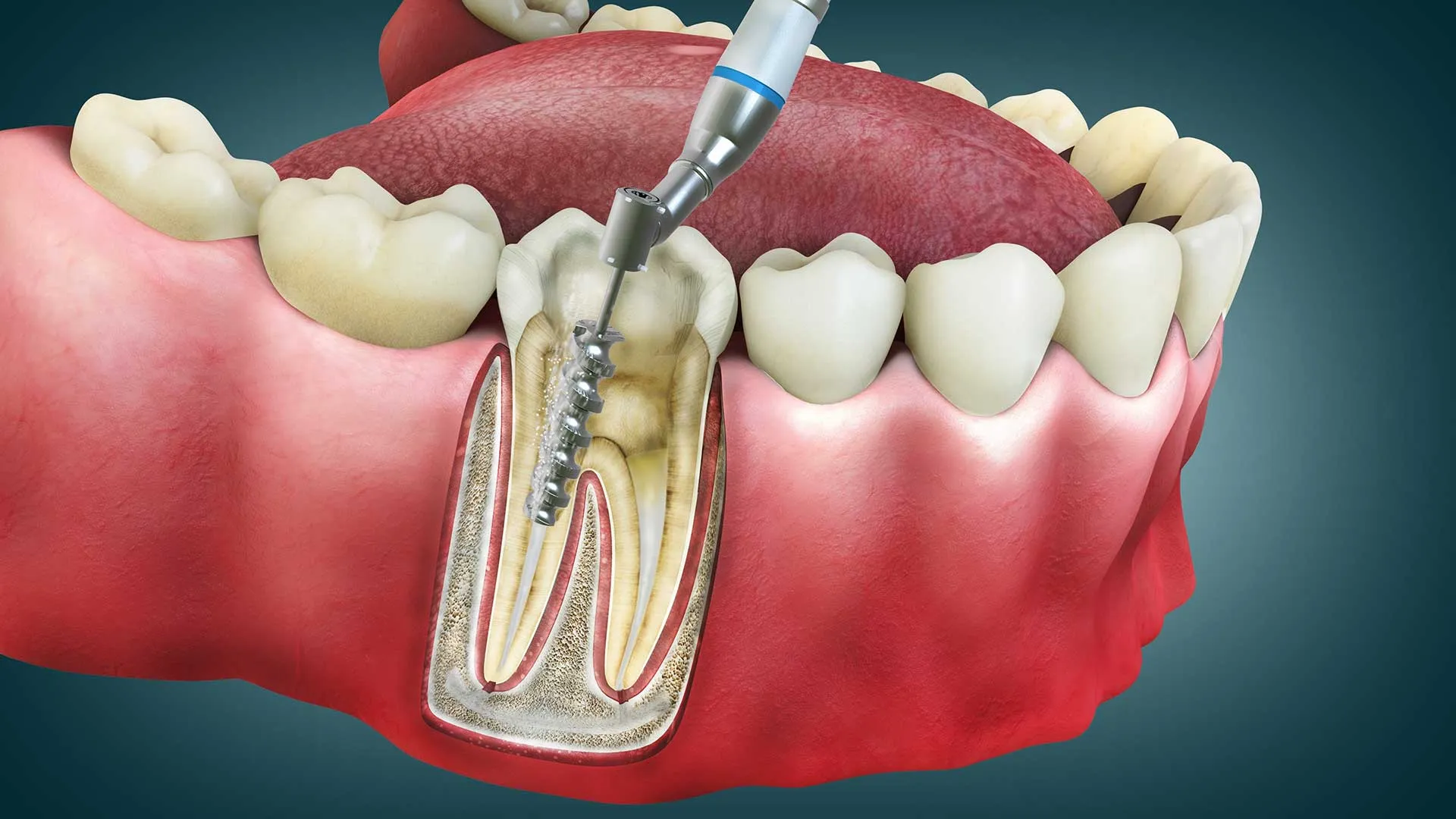
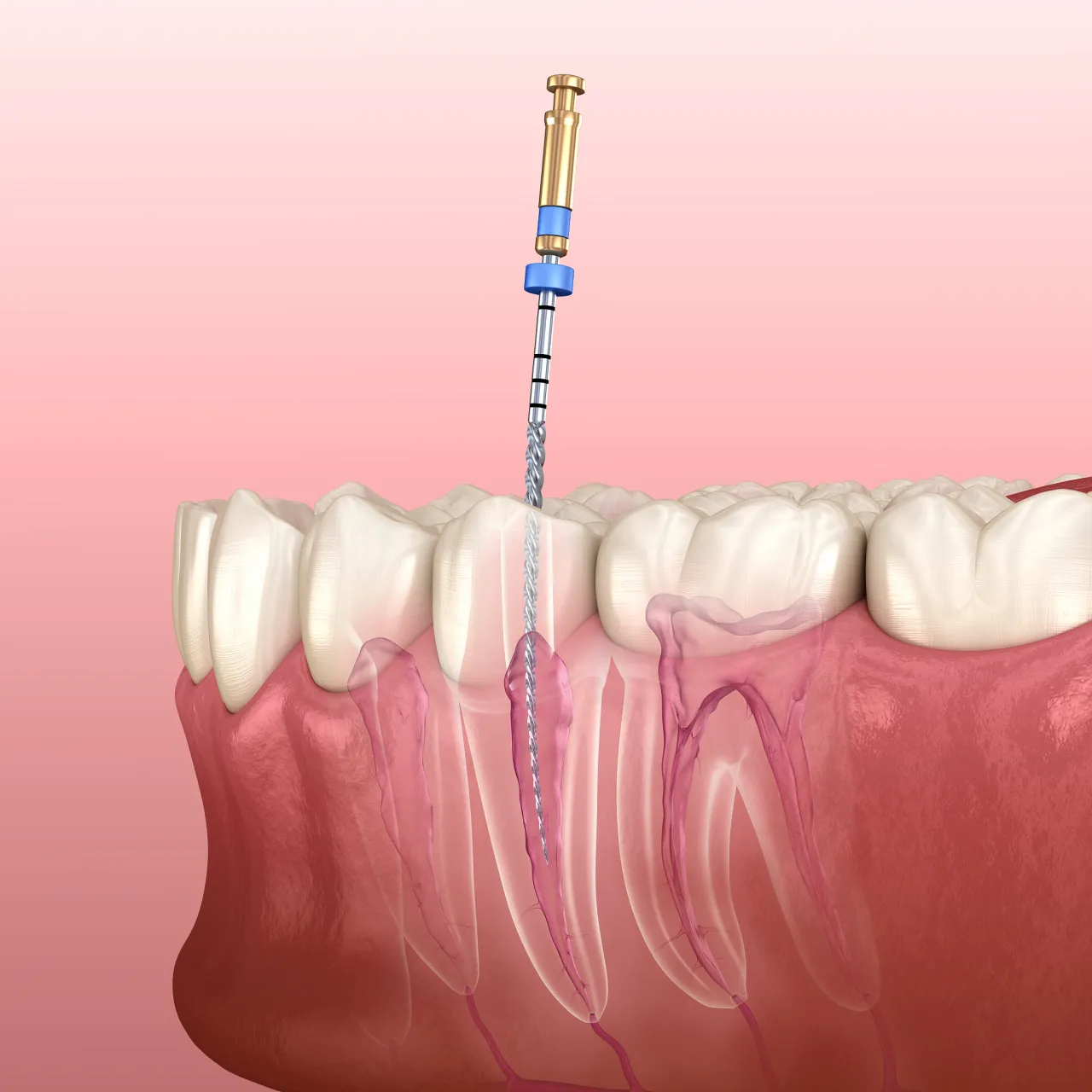
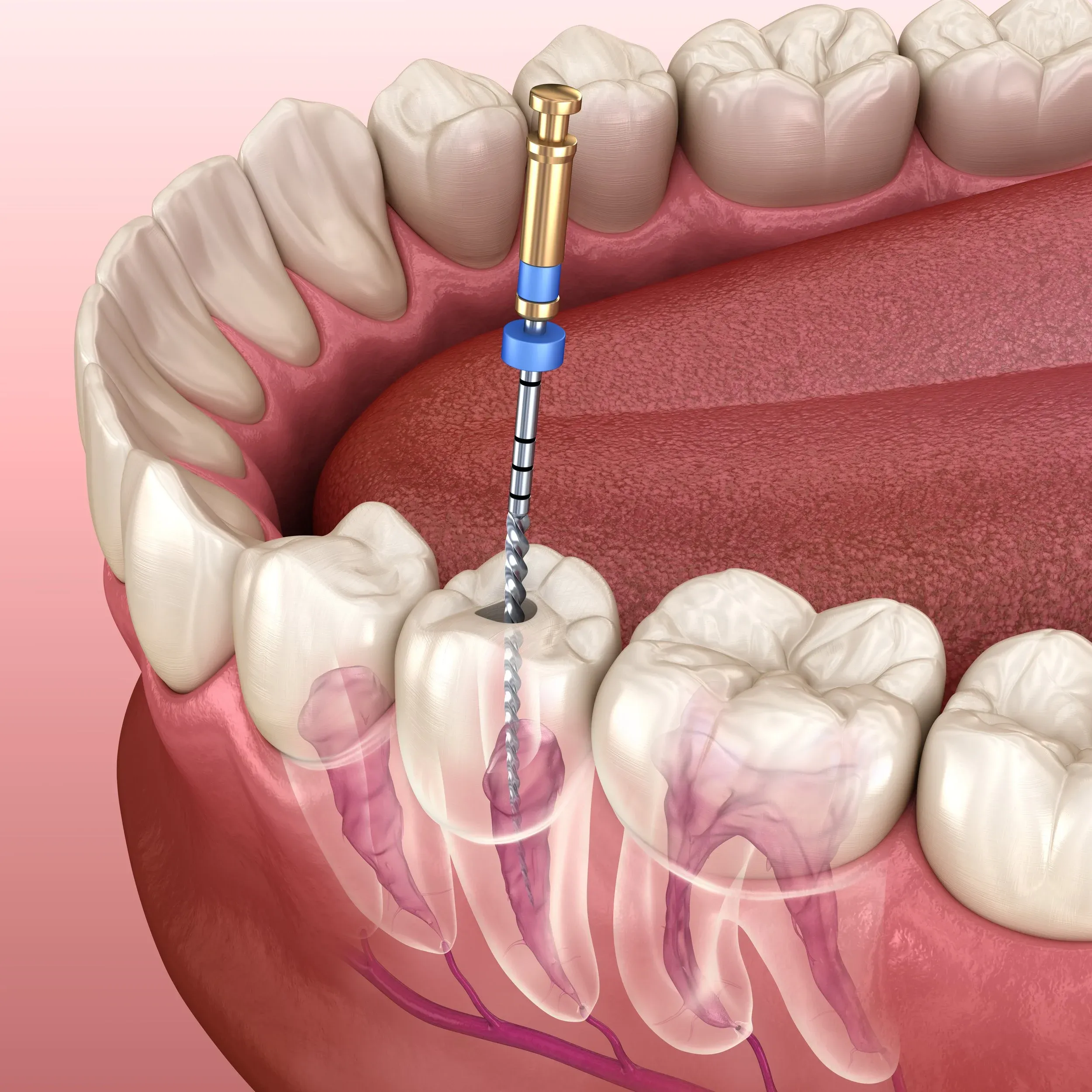
2. **Cleaning the Canal** – The dentist carefully removes the infected pulp and cleans the inside of the tooth using ultrasonic or rotary instruments.
3. **Disinfection** – The inside of the canal is disinfected with antibacterial solutions to prevent any further infection.
4. **Filling and Sealing** – After cleaning and drying, the canal is filled with a biocompatible material (usually gutta-percha) and sealed tightly.
5. **Crown Restoration** – Finally, a dental crown may be placed over the treated tooth to restore its strength, shape, and natural look.
The entire treatment may take one or two visits depending on the severity of the infection.
### Aftercare and Recovery
After your root canal therapy, it’s normal to feel slight tenderness for a few days. Most Thai dentists will prescribe pain relief medication or suggest over-the-counter options. You’ll also be advised to avoid chewing hard foods on the treated side until the crown is placed.
Maintaining good oral hygiene after treatment is crucial. Brush and floss regularly, and schedule routine check-ups to ensure long-term success. The good news is that with proper care, a root canal-treated tooth can last for decades.
### Pain-Free Experience with Modern Techniques
Many people still associate root canal therapy with pain, but that’s an outdated misconception. Dental technology in Thailand has improved tremendously in recent years. With advanced anesthesia methods, digital imaging, and precise instruments, dentists can now perform the procedure efficiently and comfortably. Some clinics even offer mild sedation for those with dental anxiety, making the experience stress-free.
### Cost and Insurance Considerations
One of the main reasons why both locals and foreigners choose Thailand for dental treatments is affordability. A typical root canal for a front tooth may cost between 5,000 to 10,000 Thai Baht, while molar treatments can range from 10,000 to 15,000 Baht. Dental crowns are usually priced separately.
For international patients, many clinics accept international credit cards and provide detailed receipts for insurance reimbursement. Local patients with health insurance can also check if their policy covers endodontic treatments.
### Choosing the Right Dental Clinic in Thailand
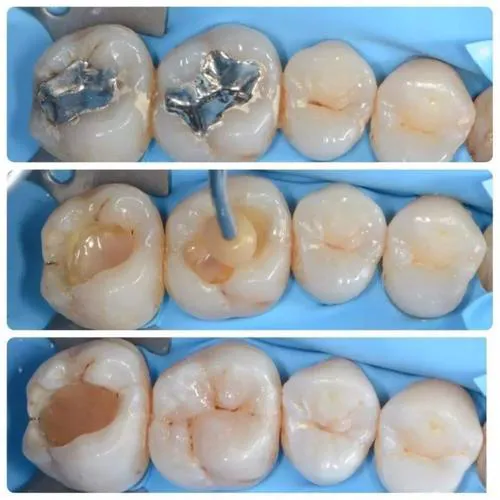
When selecting a clinic, it’s best to look for licensed facilities accredited by the Dental Council of Thailand or recognized international organizations. Reading online reviews and checking before-and-after photos can also help you make an informed choice. Clinics in Bangkok’s Sukhumvit area, Chiang Mai’s Old City, and Phuket’s Patong district are particularly popular with medical tourists.
Patient care standards in Thailand emphasize communication and comfort. Dentists often spend extra time explaining treatment options, which helps reduce anxiety before the procedure.
### Final Thoughts
Root canal infections can be painful, but thanks to world-class dental care in Thailand, effective and affordable treatment is within easy reach. Whether you’re a local resident or an international visitor, Thai dental clinics offer professional, modern, and compassionate care that restores both your oral health and confidence.
If you’re suffering from persistent tooth pain, don’t wait until the problem worsens. Book an appointment with a trusted Thai dentist today and take the first step toward a healthy, pain-free smile.