Thailand Root Canal Treatment for Patients With Tooth Abscess
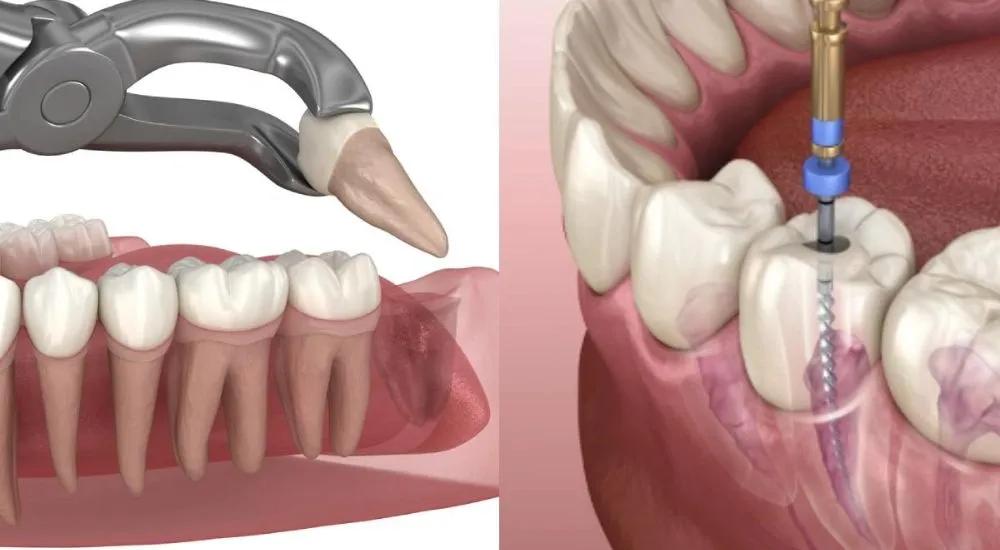
Thailand Root Canal Treatment for Patients With Tooth Abscess
**Thailand Root Canal Treatment for Patients With Tooth Abscess**
When a toothache starts as a small discomfort and turns into severe pain, it could be more than just a cavity — it might be a tooth abscess. Many patients in Thailand and from abroad look for safe, effective, and affordable dental treatment options, and root canal therapy is often the ideal solution. In Thailand, you’ll find a high level of dental care, modern technology, and warm hospitality that make root canal treatment more comfortable than you might expect.
### Understanding Tooth Abscess and Why It Happens
A tooth abscess develops when bacteria infect the pulp — the soft tissue inside the tooth that contains nerves and blood vessels. This infection can cause swelling, pain, and sometimes pus around the root. Common causes include untreated cavities, deep cracks, or previous dental injuries.
If left untreated, a tooth abscess can lead to serious complications such as bone infection or the spread of bacteria to other areas of the body. That’s why visiting a dentist in Thailand as soon as symptoms appear is essential.
### Common Symptoms of a Tooth Abscess
You might suspect a tooth abscess if you experience:
- Severe, constant toothache that may radiate to the jaw or ear
- Sensitivity to hot, cold, or sweet drinks
- Swelling of the face, gums, or neck
- Bad taste in the mouth or bad breath
- Fever or general discomfort
If any of these symptoms sound familiar, it’s best not to delay a dental visit. Many Thai dental clinics can perform an emergency check-up and provide pain relief right away.
### What Is Root Canal Treatment?
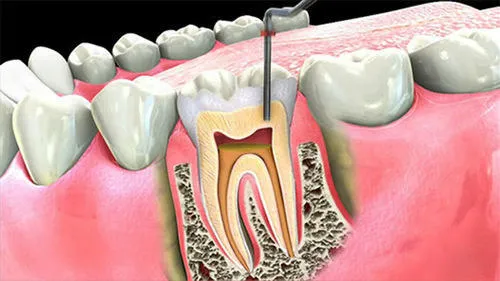
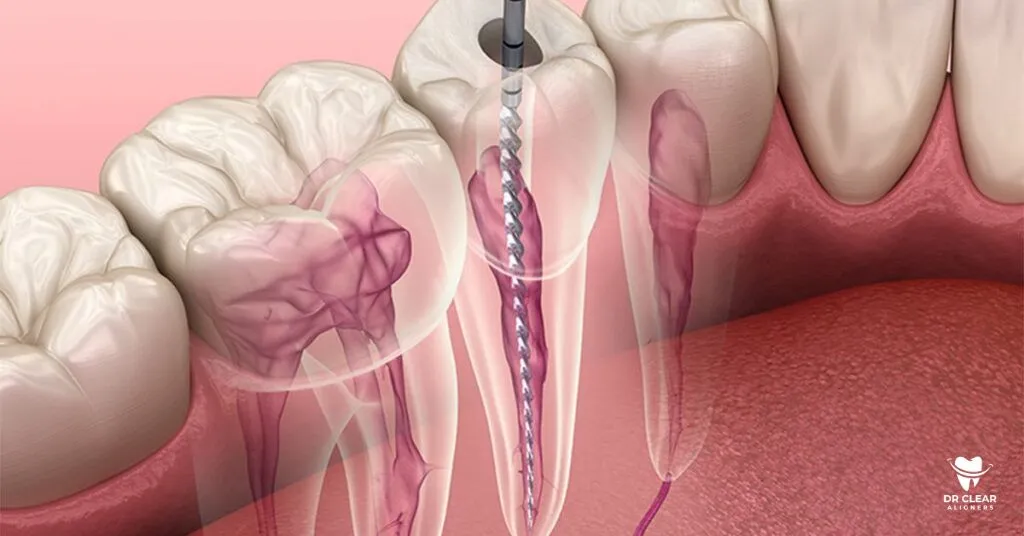
Root canal treatment — sometimes called “endodontic therapy” — is a dental procedure used to remove infection from inside the tooth and preserve the natural structure. Rather than extracting the infected tooth, the dentist cleans the root canals, removes bacteria, and seals the area to prevent reinfection.
Contrary to the scary reputation, modern root canal treatment is nearly painless. In Thailand, dentists use advanced anesthetic techniques and digital imaging, ensuring that patients feel comfortable throughout the procedure.
### The Root Canal Procedure in Thailand
When you come to a dental clinic in Thailand for root canal treatment, here’s what typically happens:
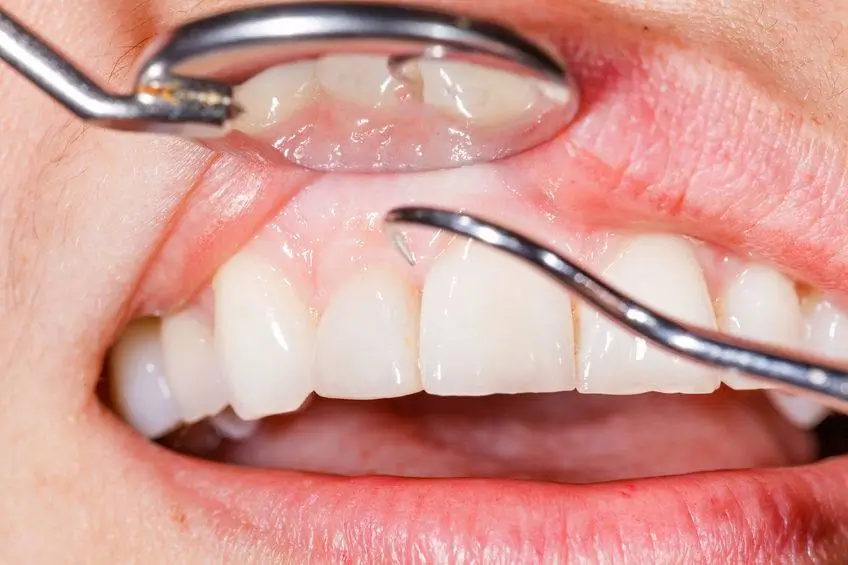
1. **Examination and X-ray:** The dentist examines the tooth and takes X-rays to understand the extent of the infection.
2. **Local Anesthesia:** The affected area is numbed to make sure you feel no pain.
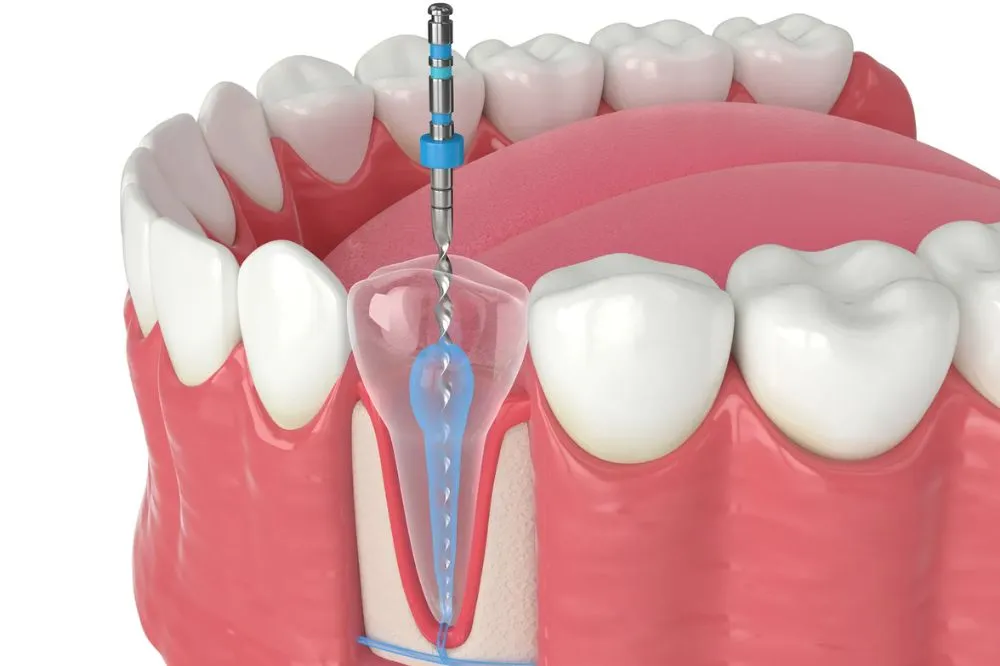
3. **Cleaning the Root Canal:** The dentist opens a small access hole in the tooth to remove the infected pulp and clean the canal thoroughly using tiny instruments.
4. **Disinfection and Filling:** After cleaning, the canal is disinfected and filled with a biocompatible material called gutta-percha to prevent bacteria from coming back.
5. **Crown Placement:** In most cas
es, a dental crown is placed over the treated tooth to protect it and restore natural function.
The process may take one or two appointments depending on the level of infection and the tooth’s condition.
### Why Many Patients Choose Thailand for Root Canal Treatment
Thailand has become one of Asia’s top destinations for dental care, attracting both locals and international travelers. Here’s why:
- **High-Quality Dental Care:** Thai dentists are highly trained, many with international certifications. Clinics in Bangkok, Chiang Mai, and Phuket use modern equipment that matches global standards.
- **Affordable Costs:** Compared to western countries, root canal treatment in Thailand can cost 50–70% less, making it a great choice for patients looking for both quality and value.
- **Comfortable Environment:** Thai dental clinics often create relaxing, spa-like atmospheres that help reduce anxiety before and during treatment.
- **Convenient Dental Tourism:** Many visitors combine dental care with a holiday. After your treatment, you can recover while enjoying Thailand’s culture, food, and beaches.
### Aftercare Tips for a Healthy Recovery
Following your dentist’s advice after root canal treatment is essential for fast healing and long-lasting results. Here are some simple aftercare tips:
- Avoid eating on the treated side until the numbness wears off.
- Stick to soft foods for a few days to prevent discomfort.
- Maintain excellent oral hygiene by brushing and flossing gently.
- If your dentist placed a temporary filling or crown, schedule your follow-up visit for the permanent one.
- Take any prescribed medication as directed to control pain and prevent infection.
If you notice swelling, increased pain, or any unusual symptoms after treatment, contact your dentist immediately.
### Preventing Future Tooth Infections
Prevention is always better than cure. To avoid future tooth abscesses, make sure to:
- Visit your dentist in Thailand for regular check-ups every six months.
- Brush twice daily with fluoride toothpaste and floss daily.
- Limit sugary snacks and drinks that can lead to cavities.
- Address dental issues early before they turn into major problems.
### Final Thoughts
Root canal treatment may sound intimidating, but in Thailand, it’s a safe, efficient, and affordable procedure that saves natural teeth and relieves pain from a tooth abscess. With modern techniques, experienced dentists, and world-class care, patients can expect minimal discomfort and excellent results.
Whether you are a local resident or an international visitor, choosing a reputable dental clinic in Thailand ensures you receive gentle care and professional service — all while enjoying the country’s renowned hospitality. Root canal therapy is not just about treating a tooth; it’s about restoring your confidence to smile, eat, and live without pain again.