Complete Guide to Root Canal Treatment in Thailand
Complete Guide to Root Canal Treatment in Thailand
**Complete Guide to Root Canal Treatment in Thailand**
When most people think of Thailand, they picture tropical beaches, tasty street food, and friendly smiles—but did you know Thailand is also one of Asia’s top destinations for dental care? Among the most sought-after treatments is the root canal, a procedure that can save your natural tooth and relieve severe pain. Whether you live in Thailand or are considering flying in for dental tourism, here’s everything you need to know about root canal treatment in the Land of Smiles.
### What Is a Root Canal?
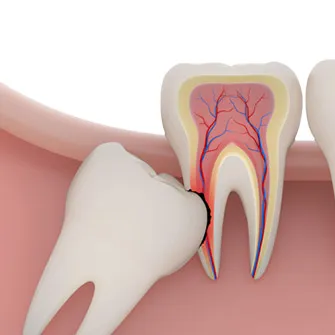
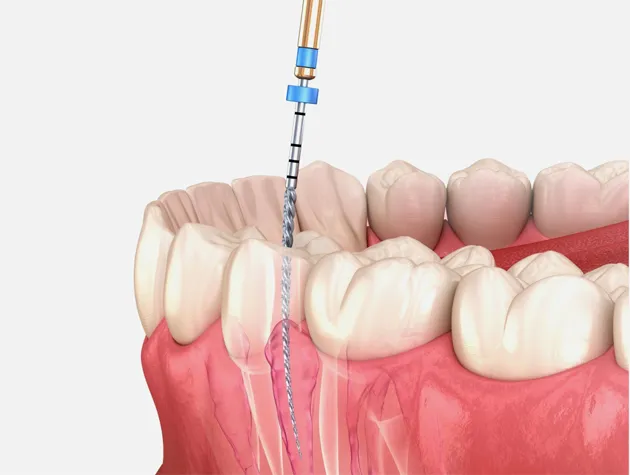
A root canal (technically called *endodontic treatment*) is a procedure used to remove the infected or damaged pulp inside your tooth. The “pulp” is the soft tissue containing blood vessels and nerves that keep your tooth alive. When bacteria enter the pulp through deep decay, cracks, or trauma, you may experience pain, sensitivity, or swelling.
During a root canal, the dentist carefully removes the infected pulp, cleans and disinfects the inside of the tooth, then seals it with a special filling material. The final step often involves placing a dental crown on top to protect and strengthen the tooth. This allows you to keep your natural tooth instead of extracting it.
### Why Choose Thailand for Root Canal Treatment?
Thailand has earned its reputation as a dental hub in Southeast Asia for several good reasons:
1. **High Quality of Care:** Many Thai dentists are internationally trained, often educated in Australia, the United States, or Europe. Dental clinics in major cities such as Bangkok, Chiang Mai, and Phuket use modern technology and follow strict sterilization standards comparable to Western countries.
2. **Affordable Prices:** A root canal in Thailand can cost a fraction of what you’d pay in the US, UK, or Australia. On average, a single-root tooth may cost around THB 5,000–10,000, while multi-root teeth like molars can range from THB 10,000–15,000. Even with a dental crown, the total expense is still significantly lower than overseas.
3. **Quick and Convenient Service:** Long waiting times are rare. You can often get a consultation appointment within a couple of days and complete the procedure in one to three visits. Many clinics even cater to tourists with flexible scheduling and English-speaking staff.
4. **Dental Tourism Appeal:** Dental treatment combined with a holiday has become a trend. You can plan your root canal around a relaxing stay in Thailand’s beautiful destinations—from a beach recovery in Phuket to a peaceful escape in Chiang Mai.
### What to Expect During the Procedure
Understanding the process helps remove any anxiety before your appointment. Here’s what typically happens:
**1. Consultation and Examination**
Your dentist will perform an examination, often using X-rays to determine the extent of infection. You’ll discuss symptoms, costs, and procedures before starting treatment.
**2. Local Anaesthesia**
Thai dentists are known for their gentle techniques. A local anaesthetic ensures you won’t feel pain during the procedure.
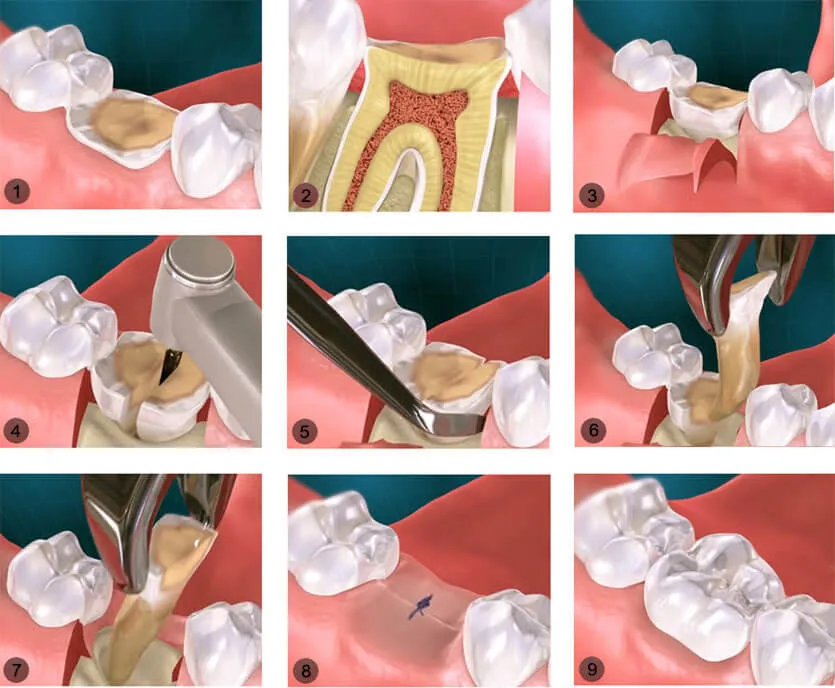
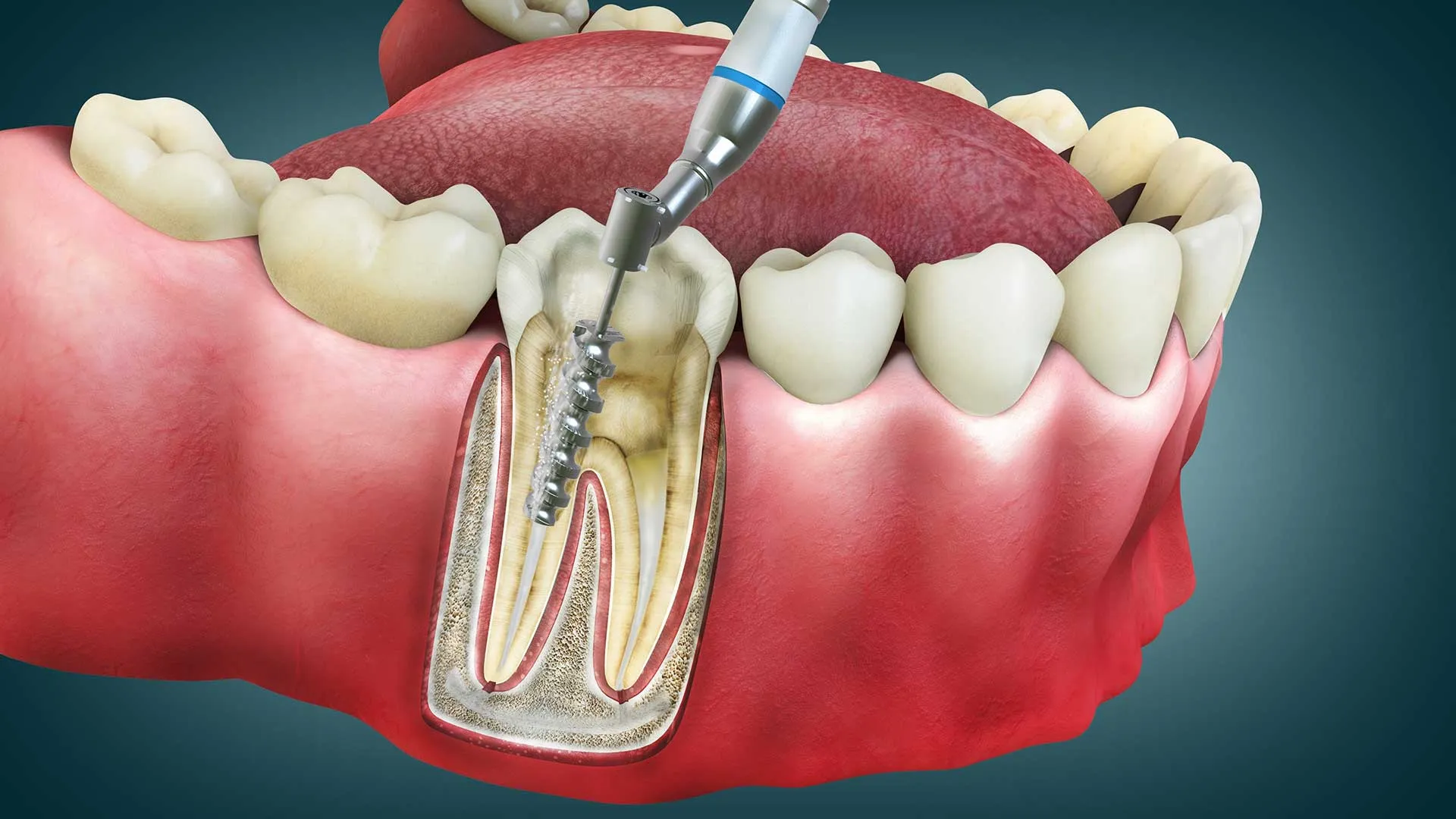
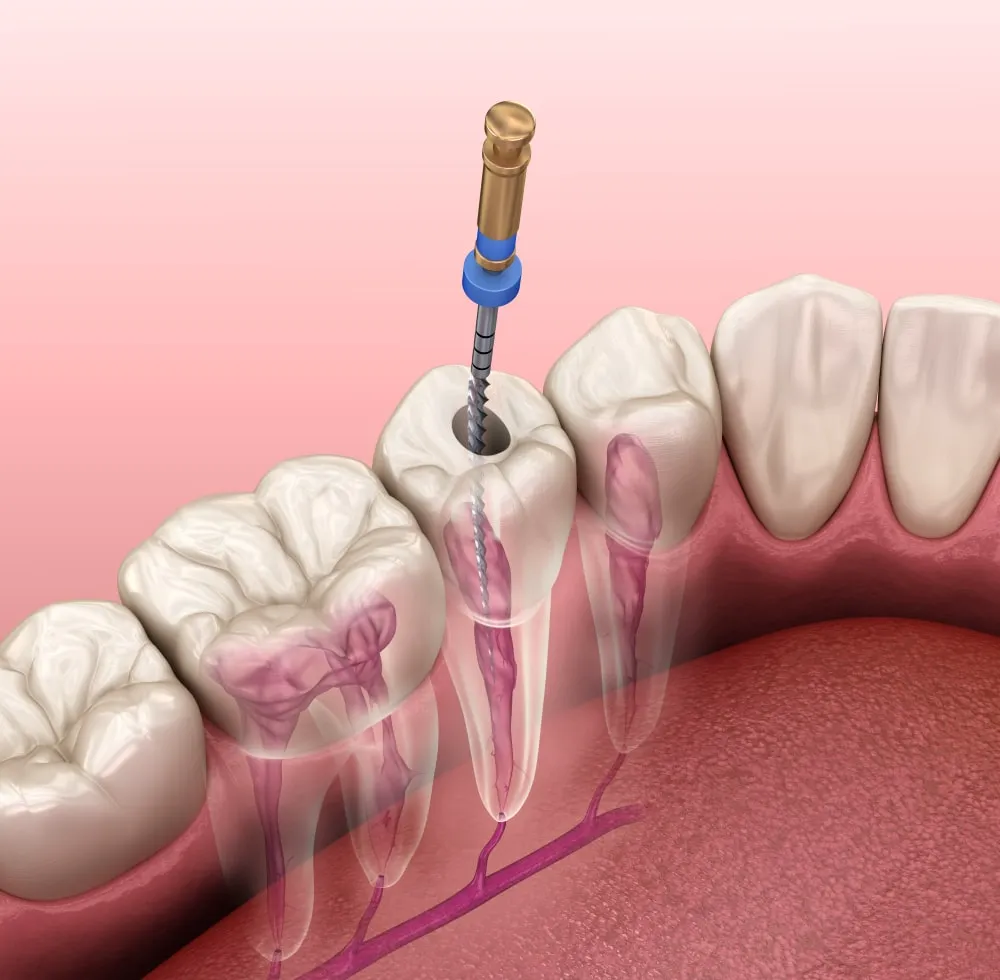
**3. Cleaning and Shaping the Canal**
The dentist drills a small opening to access the pulp chamber, then removes damaged tissue wit
h precise instruments. The canal is cleaned and shaped to prepare for the filling.
**4. Filling and Sealing**
Once the canal is bacteria-free, it’s filled with a special biocompatible material (usually gutta-percha) to prevent reinfection. The dentist then seals the area with a temporary or permanent filling.
**5. Crowning (If Needed)**
Molars or teeth under high biting pressure usually require a dental crown afterward. This crown can be made from porcelain, zirconia, or metal-ceramic materials—depending on budget and preference.
### How Long Does It Take?
A simple root canal on a front tooth may take just one session, lasting about one hour. More complex cases, such as molars with multiple roots, can take two or three visits. Many clinics in Thailand offer same-day crowns with advanced CEREC technology, allowing faster completion for dental tourists on tight schedules.
### Aftercare Tips for a Smooth Recovery
After your root canal, the treated tooth may feel tender for a few days. Here are some practical aftercare tips to ensure proper healing:
- Avoid chewing hard food on the treated tooth until the crown is placed.
- Maintain good oral hygiene with gentle brushing and flossing.
- Rinse with warm salt water if recommended by your dentist.
- Take prescribed medications as instructed.
- Schedule follow-ups to check healing and finalize the crown.
Most people can return to normal activities right after the procedure.
### Choosing the Right Dental Clinic in Thailand
With hundreds of dental clinics available, choosing the right one is key. Consider these factors:
- **Qualifications & Experience:** Look for a dentist specializing in endodontics (root canal treatment) with international training or certifications.
- **Clinic Facilities:** Ensure the clinic uses digital X-rays and sterilization systems that meet international standards.
- **Transparency in Pricing:** Reputable clinics provide clear, upfront quotations.
- **Location & Accessibility:** Clinics in central areas like Sukhumvit (Bangkok) or Nimman (Chiang Mai) are convenient for both locals and visitors.
Reading reviews and asking friends or expats for recommendations can also help you find a trusted dentist.
### Is Root Canal Treatment Painful?
Many people fear root canals, imagining pain and discomfort. In reality, modern procedures are almost painless thanks to advanced anaesthetics and equipment. Most patients say it feels similar to having a regular filling. After treatment, mild soreness is normal but easily managed with prescribed medication.
### Final Thoughts
Root canal treatment in Thailand is a smart, cost-effective, and safe option whether you’re a local resident or an overseas visitor. With skilled dentists, modern technology, and friendly service, you’ll receive the same standard of care found in Western countries—at a much lower cost. Pair that with Thailand’s warm hospitality, and even a dental trip can turn into a rewarding experience.
If you’re facing persistent tooth pain or sensitivity, don’t delay. Finding an experienced Thai dentist can help you save your natural tooth, restore your smile, and keep your trip smooth from start to finish.