Thailand Root Canal Therapy for Dental Nerve Inflammation
Thailand Root Canal Therapy for Dental Nerve Inflammation
**Thailand Root Canal Therapy for Dental Nerve Inflammation**
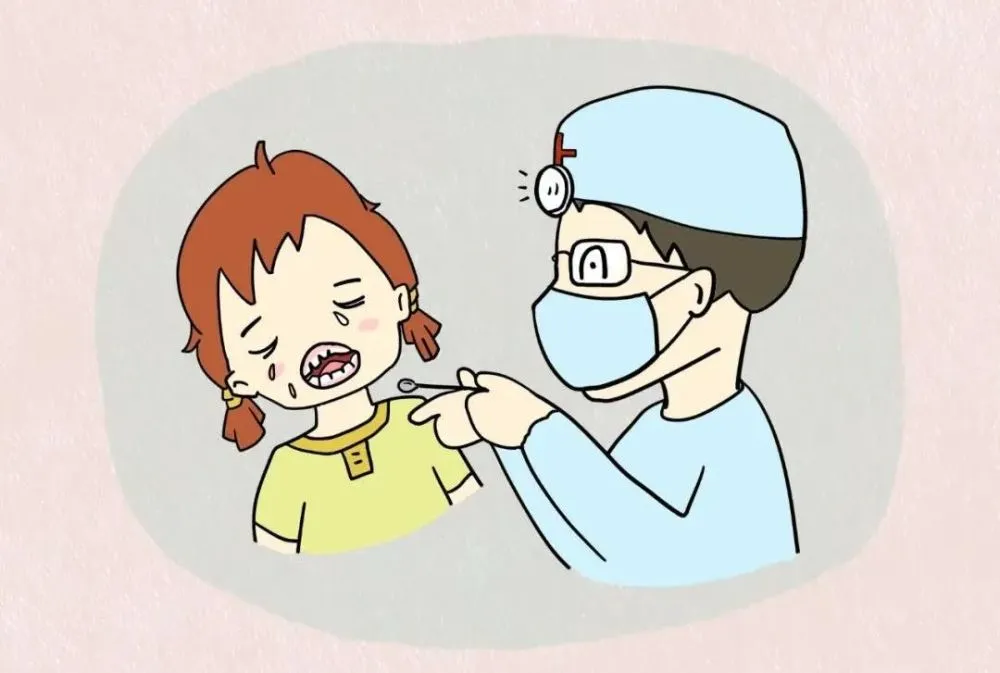
When tooth pain becomes too intense to ignore, many people in Thailand discover that the cause is dental nerve inflammation, often referred to as pulpitis. This condition can make even a simple smile or sip of hot coffee uncomfortable. Fortunately, modern dental clinics across Thailand offer an effective solution — root canal therapy. Known locally as “รักษารากฟัน,” this treatment helps patients save their natural teeth while getting rid of severe pain and infection.
---
### Understanding Dental Nerve Inflammation
Dental nerve inflammation occurs when the soft inner tissue of a tooth, called the pulp, becomes infected or damaged. This can happen due to deep decay, cracks, trauma, or repeated dental procedures. The symptoms are easy to recognize — persistent pain, sensitivity to temperature changes, and swelling around the affected tooth. If left untreated, the infection can spread, causing abscesses or even bone loss around the tooth.
For many Thais, toothache can quickly disrupt daily life. It may affect eating spicy food, enjoying iced drinks, or even speaking comfortably. That’s why early diagnosis and professional dental care are essential. Visiting a qualified dentist in Thailand ensures that the cause is treated properly rather than just relieving temporary discomfort with painkillers.
---
### What Is Root Canal Therapy?
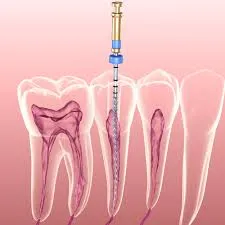
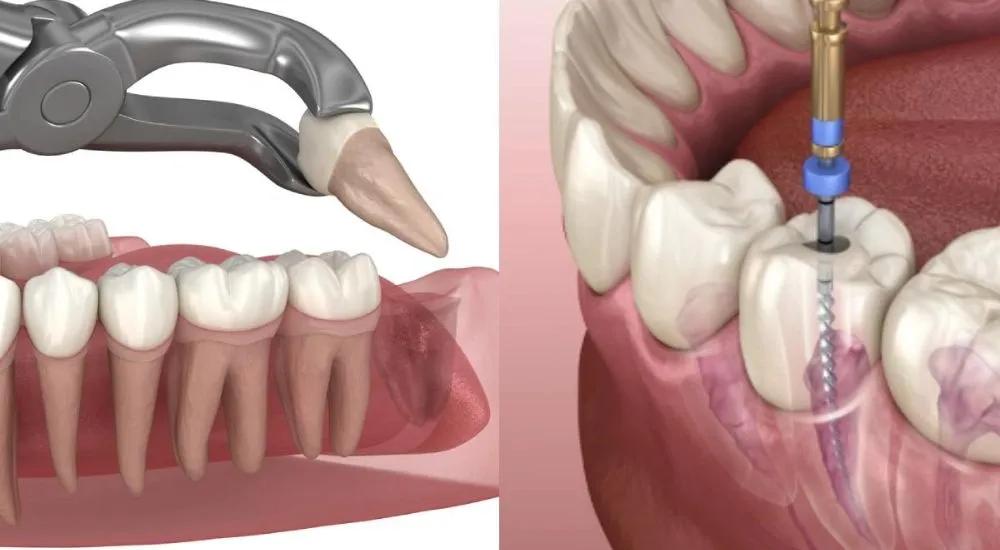
Root canal therapy is a procedure designed to remove the infected pulp, clean the root canals of bacteria, and then seal the tooth to prevent reinfection. In Thailand, this treatment is widely available at both general dental clinics and specialist endodontic centers. Many Thai dentists undergo advanced training and use modern technology such as digital x-rays and rotary instruments to make the procedure faster and more comfortable.
A typical root canal treatment follows these steps:
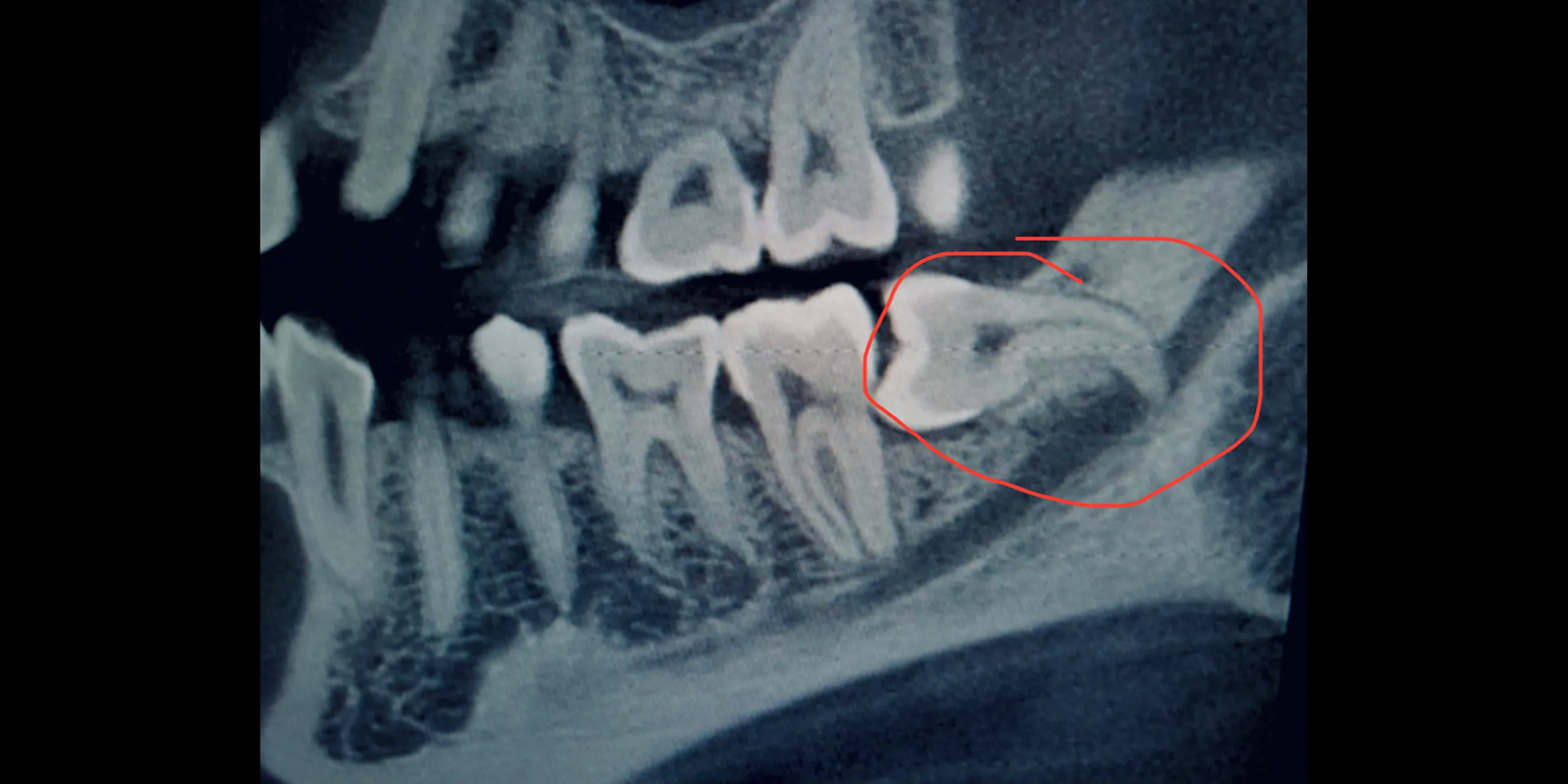
1. **Examination and Diagnosis** – The dentist performs x-rays and checks the tooth condition thoroughly.
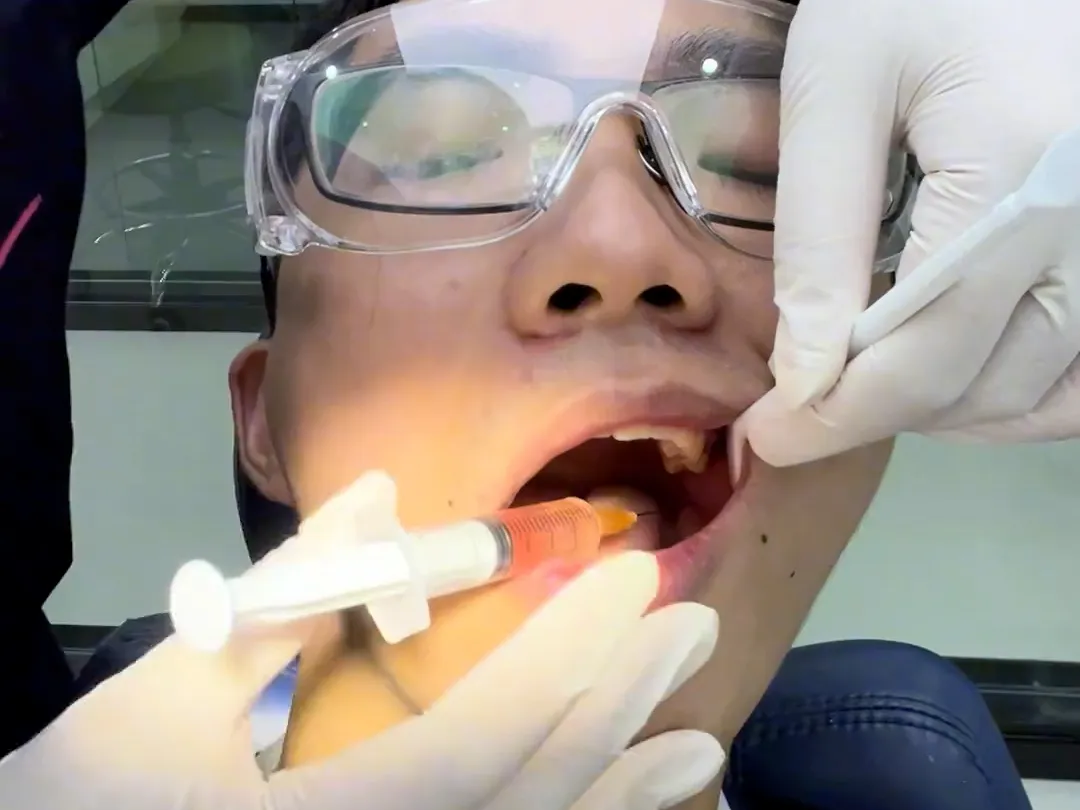
2. **Local Anaesthesia** – Pain-free treatment is a top priority, so local anaesthesia is always used.
3. **Cleaning and Shaping** – The infected tissue is removed, and the canals are cleaned thoroughly.
4. **Filling and Sealing** – The cleaned canals are filled with a biocompatible material.
5. **Restoration** – After healing, a dental crown may be added to strengthen and protect the tooth.
Thanks to advanced equipment and dental experience in Thailand, most patients find that modern root canal therapy is not nearly as painful or scary as they imagined. Many even describe it as feeling similar to having a normal filling done.
---
### Why Choose Root Canal Therapy in Thailand
Thailand is not just famous for its beautiful beaches and delicious street food; it is also becoming a top destination for high-quality dental care. Thai dental clinics are known for their cleanliness, modern facilities, and friendly staff. Whether you are a local resident or an international visitor, getting root canal therapy in Thailand offers several advantages:
- **Affordable Cost:** Compared to Western countries, dental treatments in Thailand are much more affordab
le while maintaining international standards.
- **Expert Dentists:** Many Thai dentists have received international training and are fluent in English, making communication easy for foreign patients.
- **Advanced Technology:** Clinics in Bangkok, Chiang Mai, Phuket, and Pattaya use digital imaging, high-precision instruments, and sterilization procedures that meet global guidelines.
- **Comfortable Experience:** Thai hospitality extends to dental care. Clinics often provide comfortable waiting areas and a caring atmosphere that helps patients relax.
---
### Recovery and Aftercare Tips
After a root canal procedure, mild soreness or sensitivity is normal for a few days. Dentists in Thailand typically recommend over-the-counter pain relief and gentle oral care. Avoiding hard or sticky foods helps protect the treated tooth while it heals. Once the discomfort fades, regular brushing, flossing, and dental check-ups are important to keep the tooth healthy in the long run.
If your dentist suggests getting a crown after root canal therapy, it’s worth following that advice. The crown helps protect the tooth and extends its lifespan. With proper care, a tooth that has received root canal treatment can last for many years — sometimes even for a lifetime.
---
### Preventing Dental Nerve Inflammation
Prevention is always better than cure. Thai dental professionals often remind patients that keeping a clean mouth is the best way to avoid dental nerve problems. Here are a few simple habits to maintain strong, healthy teeth:
- Brush at least twice a day using fluoride toothpaste
- Floss regularly to remove hidden food particles
- Attend dental check-ups every six months
- Reduce sugary snacks and carbonated drinks
- Wear a mouthguard if playing contact sports
Following these guidelines can help you prevent decay and inflammation that might lead to more serious conditions in the future.
---
### Finding the Right Dentist in Thailand
When searching for a dentist to perform root canal therapy, consider factors like experience, qualifications, and clinic reputation. Many Thai clinics have websites with patient reviews and transparent pricing, so you can easily compare options before booking an appointment. Look for a clinic that offers consultation and clearly explains each step of the treatment — good communication builds trust and ensures you feel confident throughout the process.
---
### Final Thoughts
Dental nerve inflammation may sound intimidating, but with professional care and modern root canal therapy, it’s entirely treatable. Thailand’s dental industry continues to grow, offering patients a combination of advanced techniques, skilled practitioners, and reasonable prices. Whether you live in Bangkok or are visiting Thailand for dental tourism, you can expect effective treatment and genuine Thai care from start to finish.
So, if that persistent toothache keeps bothering you, don’t wait too long. Visit a Thai dentist, discuss your symptoms, and consider root canal therapy to restore comfort and protect your natural smile. Your teeth deserve proper care — and Thailand is one of the best places in Asia to receive it.