Thailand Root Canal Treatment for Advanced Dental Nerve Damage
Thailand Root Canal Treatment for Advanced Dental Nerve Damage
**Thailand Root Canal Treatment for Advanced Dental Nerve Damage**
When you’re living or traveling in Thailand and suddenly experience severe tooth pain, the problem might not just be a simple cavity—it could be advanced dental nerve damage. While the phrase “root canal” often sounds intimidating, modern dental clinics in Thailand have turned this once-feared procedure into a comfortable and effective solution for saving damaged teeth. Understanding what root canal treatment involves and why Thailand has become a trusted destination for dental care can help you make an informed decision when facing serious tooth discomfort.
### Understanding Dental Nerve Damage
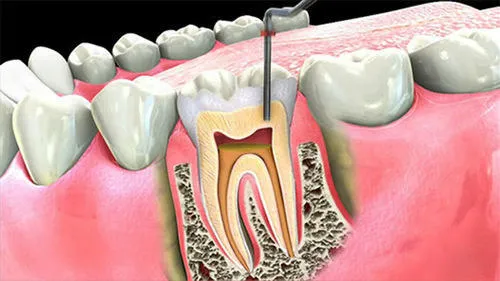
Inside every tooth lies a soft tissue called the dental pulp, which contains nerves and blood vessels. When decay, trauma, or infection reach this inner layer, the pulp becomes inflamed or infected. The result is a sharp, persistent pain that can make eating, sleeping, and even talking difficult. If left untreated, the infection can spread beyond the tooth, causing swelling, abscess formation, and even bone loss around the jaw.
Advanced dental nerve damage doesn’t heal on its own. In fact, delaying treatment often leads to more complications and higher costs in the long run. Root canal therapy offers a way to preserve the natural tooth rather than extracting it, helping maintain proper chewing function and a natural smile.
### What Is Root Canal Treatment?
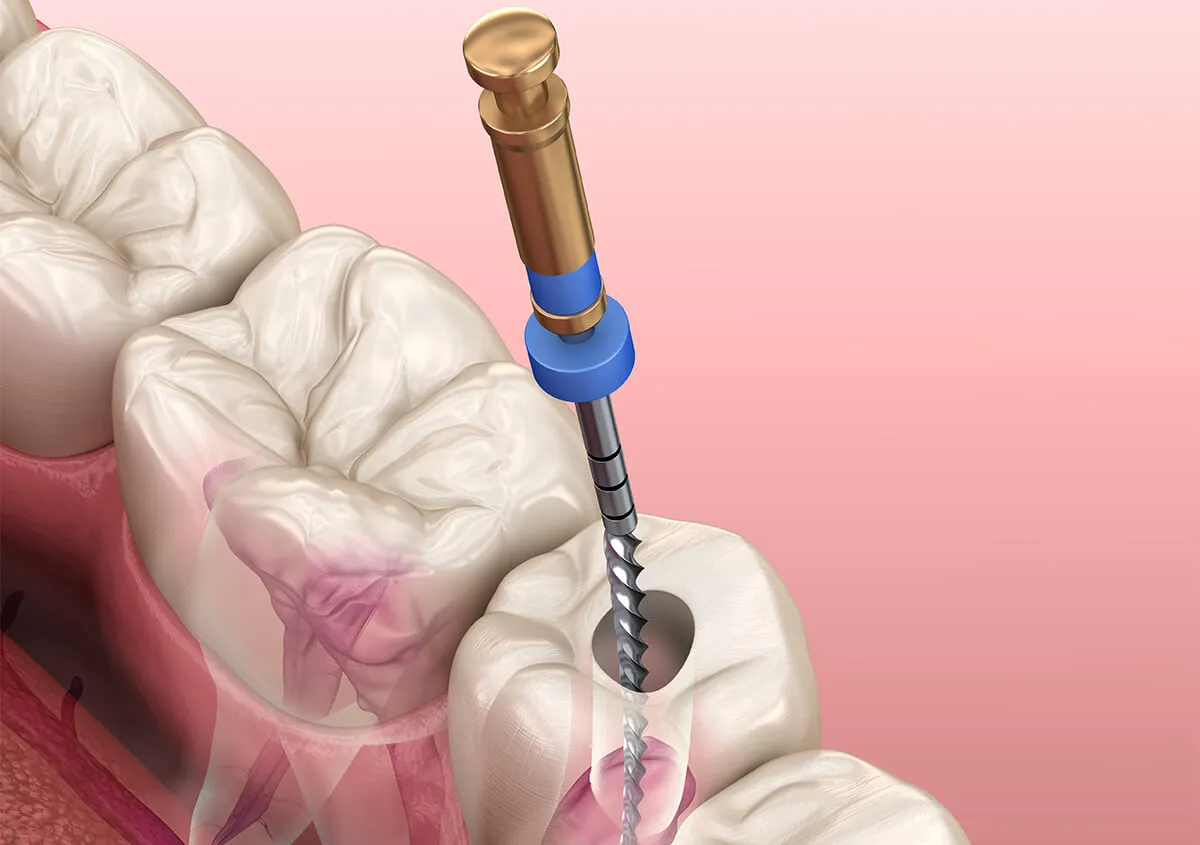
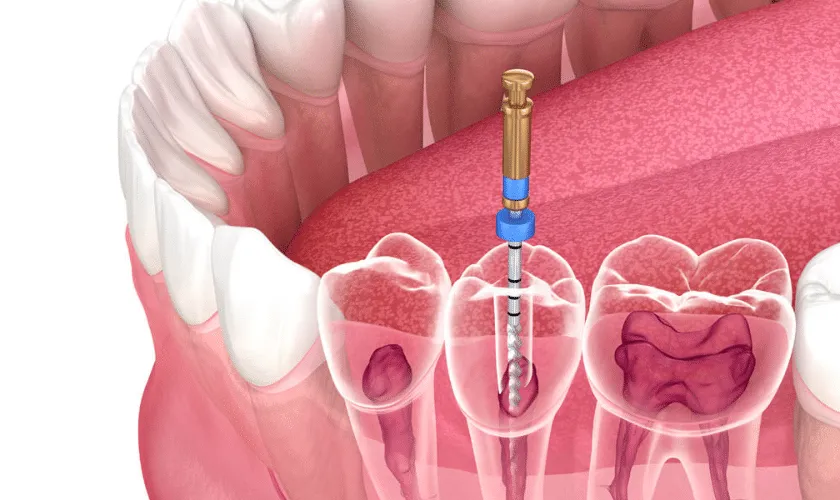
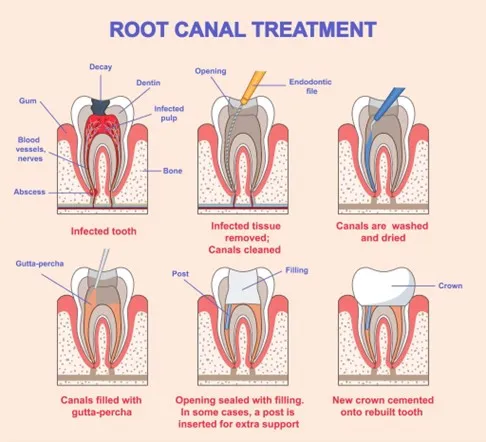
Root canal treatment, also known as endodontic therapy, involves removing the infected pulp, disinfecting the inner chamber, and sealing the tooth to prevent further infection. The procedure typically consists of several stages:
1. **Diagnosis and X-rays** – A dentist first examines the tooth and takes X-rays to understand the extent of nerve damage.
2. **Local Anesthesia** – Thanks to modern techniques used in Thai dental clinics, the procedure is practically painless.
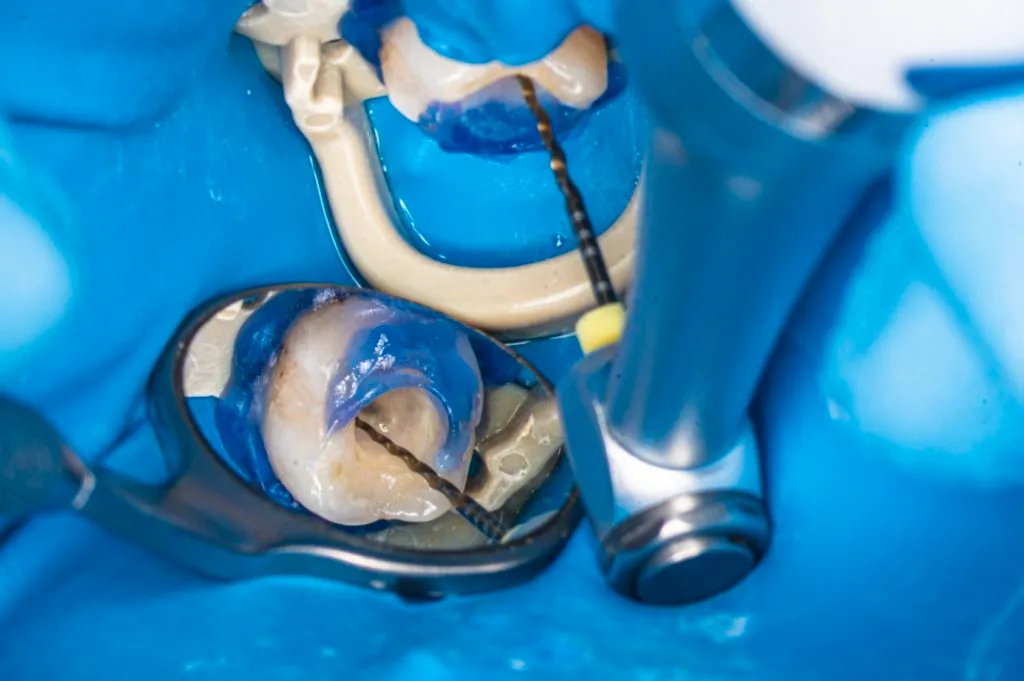
3. **Cleaning the Canal** – The dentist carefully removes the infected pulp and cleans the canal with sterile instruments.
4. **Filling and Sealing** – Once clean, the root canal is filled with a biocompatible material and sealed to prevent bacterial re-entry.
5. **Restoration** – Depending on the condition, a crown may be placed to restore strength and appearance.
### Why Thailand Is a Leading Destination for Root Canal Treatment
Thailand has earned a strong reputation for high-quality dental care that meets international standards. Many dentists receive training abroad, and clinics are equipped with advanced technologies such as digital imaging, rotary endodontic systems, and 3D scanning. These innovations ensure more precise work and quicker recovery.
Furthermore, dental services in Thailand are known for being **affordable yet exceptional**. Compared to Western countries, treatment costs are significantly lower—even when performed by English-speaking specialists in modern clinics. You’ll find that many dental centers in Bangkok, Chiang Mai, Pattaya, and Phuket cater to both local and international patients. They emphasize hygiene, comfort, and personalized care, making your dental visit stress-free.
### The Comfort Factor in Thai Dental Clinics
Thai hospitality extends beyond hotels and resorts—it’s present in healthcare too. From the moment you step into a dental clinic, staff members often greet you warmly an
d ensure you feel at ease. Waiting areas are clean and cozy, with calming interiors and modern equipment. Many clinics also offer online booking and detailed consultations in English, so foreign patients can clearly understand the procedure, cost, and recovery steps.
Additionally, Thai dentists are known for their gentle approach. They understand that the idea of a root canal can make anyone anxious, so they prioritize patient comfort throughout the process. With proper anesthesia and care, most patients report that the experience feels comparable to a regular filling.
### Recovery and Aftercare Tips
After root canal therapy, mild discomfort may occur for a short period, but it usually subsides quickly. Dentists in Thailand often advise a few aftercare steps:
- Avoid chewing hard foods until the crown or final restoration is completed.
- Practice good oral hygiene by brushing and flossing regularly.
- Attend follow-up appointments to ensure the treated tooth is healing properly.
- If you notice swelling or persistent pain, contact your dental clinic immediately.
Many patients find that they can return to normal activities the same day or the next, depending on the complexity of the case.
### The Cost Advantage and Quality Assurance
One of the biggest reasons people choose Thailand for root canal treatment is the cost-to-quality ratio. Prices vary depending on the tooth type and difficulty, but even complex cases are typically much more affordable compared to those in Australia, the United States, or Europe. Despite lower costs, the quality doesn’t drop—most clinics adhere to strict sterilization standards and use imported dental materials.
Before scheduling treatment, it’s wise to check whether the clinic is accredited or certified by organizations such as the Dental Council of Thailand. Patient reviews and dental tourism forums can also help identify reputable facilities.
### Root Canal vs. Tooth Extraction
Some patients wonder whether it’s better to extract a damaged tooth instead of undergoing root canal treatment. In Thailand, dentists often recommend saving the natural tooth whenever possible. Extracting a tooth might seem simpler, but it can lead to alignment issues, difficulty chewing, and bone deterioration over time. A successful root canal keeps the tooth structure intact and ensures long-term oral health.
### Choosing the Right Dental Clinic in Thailand
When deciding where to go, look for:
- Clinics offering **clear treatment plans and pricing**.
- **English-speaking dentists** experienced in endodontics.
- Facilities with modern equipment and proper sterilization protocols.
- Positive online reviews from both local and international patients.
Most large Thai cities have dental centers that meet these criteria, and many even collaborate with international health insurance companies for easier coverage.
### Final Thoughts
Root canal treatment in Thailand is a reliable solution for advanced dental nerve damage, combining gentle care, professional expertise, and affordability. Whether you are a resident or visiting for dental tourism, Thai dentists make sure your experience is as comfortable and efficient as possible. Preserving your natural teeth is always worth it, and in Thailand, you can do so with confidence, knowing that your smile is treated with skill and care.