Thailand Root Canal Therapy for Tooth Decay Near Nerve
Thailand Root Canal Therapy for Tooth Decay Near Nerve
**Thailand Root Canal Therapy for Tooth Decay Near Nerve**
When it comes to dental care in Thailand, one of the most common treatments people talk about is *root canal therapy*. Many Thais and expats alike seek this procedure when a tooth has severe decay or when the infection gets dangerously close to the nerve. The idea of a root canal may sound intimidating, but with advanced dental technology and highly skilled dentists in Thailand, it’s actually a comfortable and effective way to save your natural tooth.
### Understanding Tooth Decay Near the Nerve
Tooth decay starts small — maybe a tiny cavity that you can barely notice. But if left untreated, it gradually spreads deeper into the dentin and approaches the *pulp*, which is the part of the tooth containing nerves and blood vessels. When decay reaches near the nerve, it can cause sharp pain, sensitivity to hot and cold, and even swelling around the gum area. This is often a clear sign that regular fillings may not be enough, and root canal therapy might be the best option.
### What Is Root Canal Therapy?
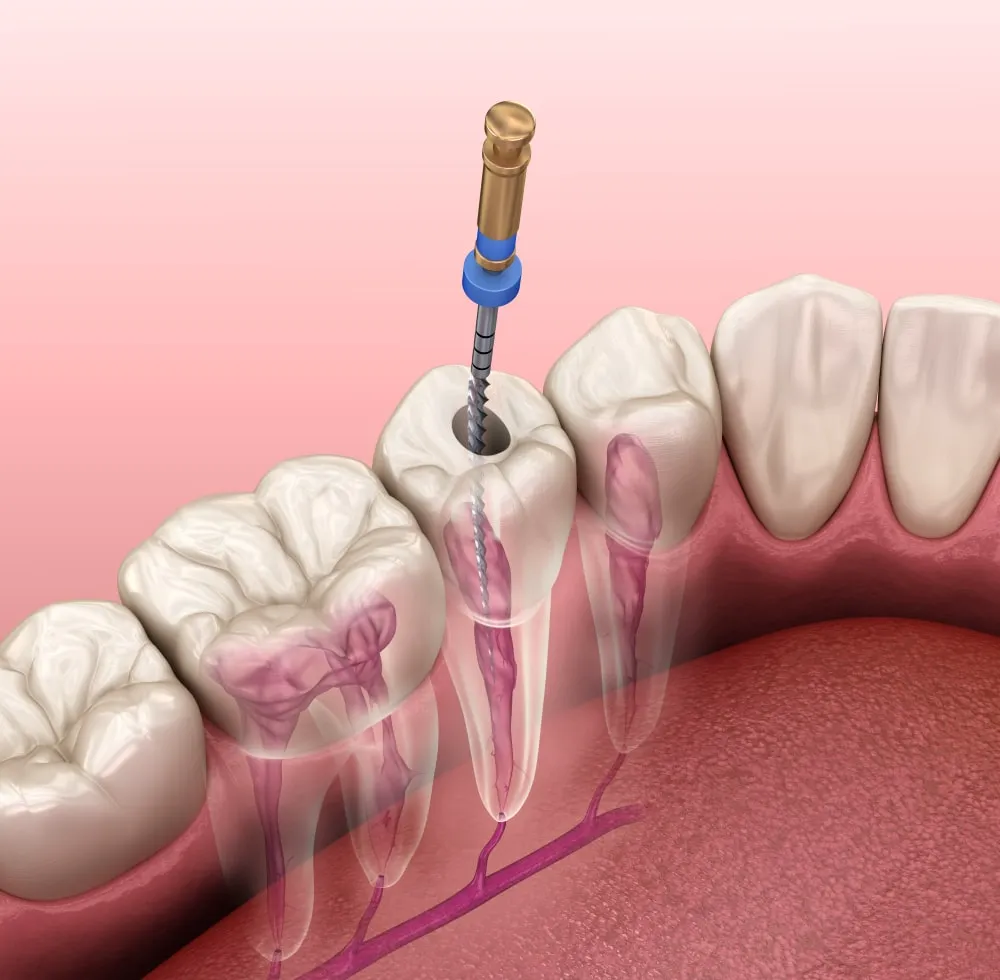
Root canal therapy, or *endodontic treatment*, involves removing the infected or inflamed pulp inside the tooth. The dentist then cleans, disinfects, and shapes the inner canals before sealing them with a special filling material. The procedure eliminates pain and prevents the infection from spreading, allowing the tooth to function normally again.
In Thailand, most dental clinics use digital X-rays and rotary instruments, which make the process faster, more accurate, and more comfortable compared to traditional methods. Whether you go to a local dental clinic in Bangkok or a specialist center in Chiang Mai or Phuket, you can expect professional care at a reasonable cost.
### Signs You May Need Root Canal Therapy
Many people try to ignore tooth pain, hoping it will go away. But there are a few symptoms that shouldn’t be ignored:
- Persistent or severe toothache, especially when chewing or touching the tooth
- Lingering sensitivity to hot or cold, even after the source is removed
- Swelling or tenderness in nearby gums
- Darkening or discoloration of the tooth
- A small pimple-like swelling on the gum near the affected tooth
If you experience any of these symptoms, it’s best to visit a dentist in Thailand as soon as possible. Early diagnosis can help preserve your natural tooth and avoid more complicated procedures later.
### How Root Canal Therapy Works in Thailand
The process in Thai dental clinics usually follows several clear steps:
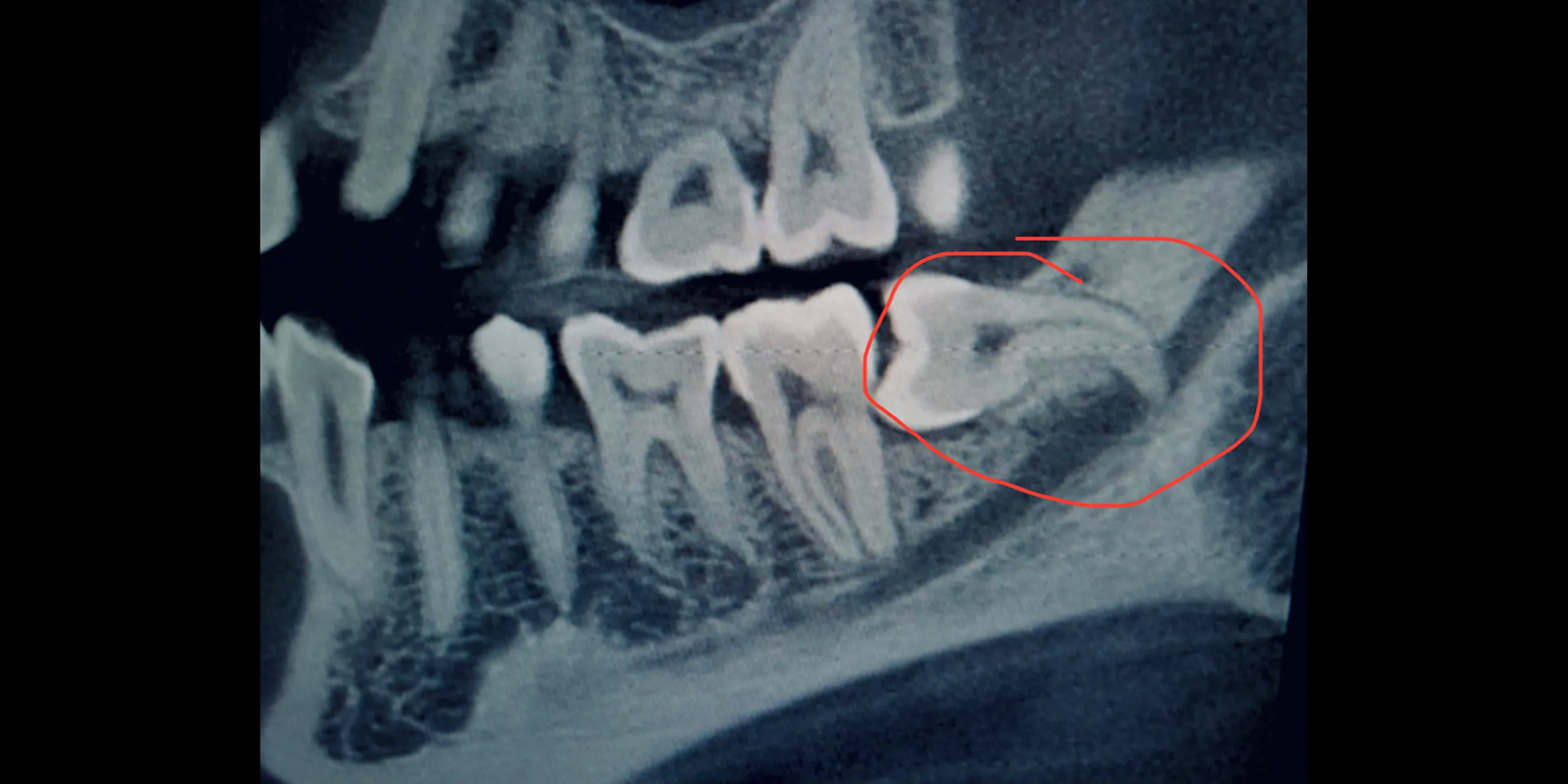
1. **Assessment and X-ray:**
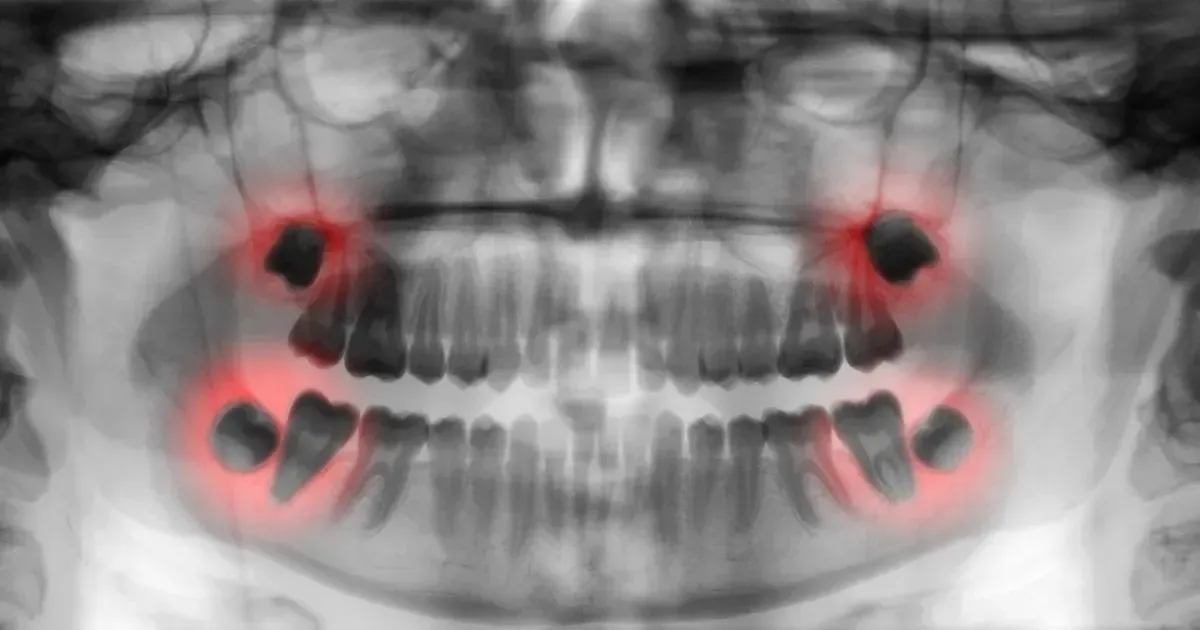
The dentist takes an X-ray to evaluate the extent of the decay and identify the shape of the root canals.
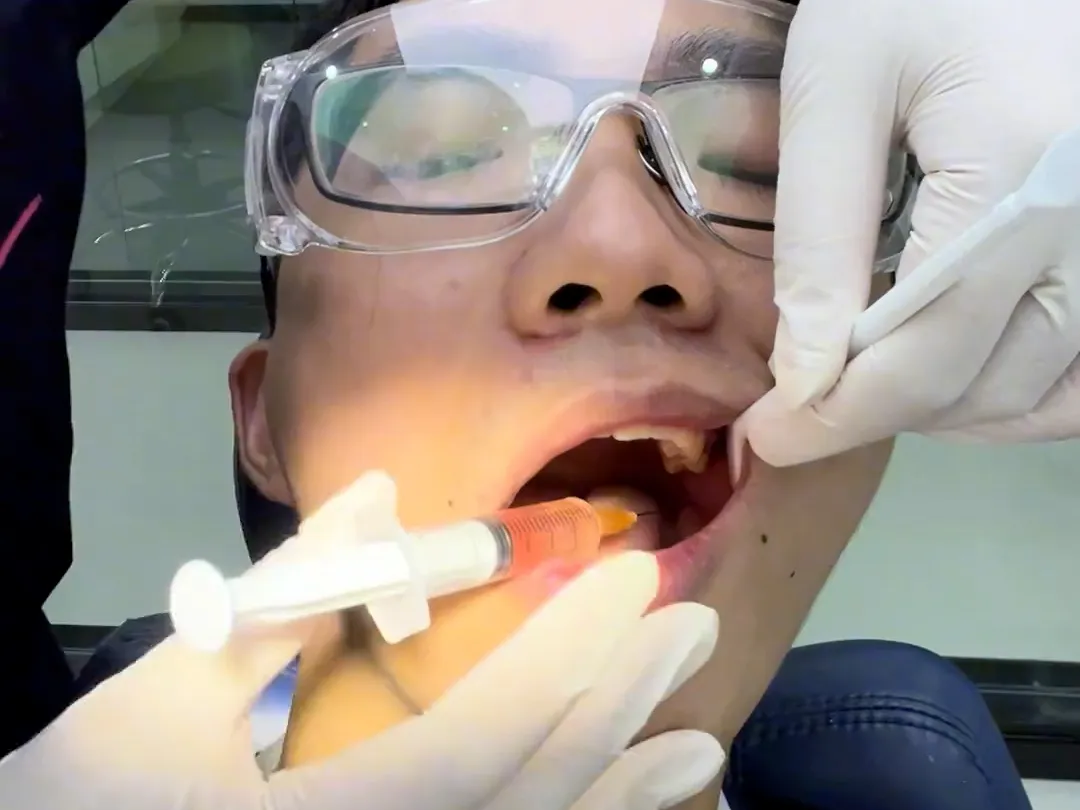
2. **Local Anaesthesia:**
The area around the tooth is numbed completely, ensuring a painless experience. Most patients are pleasantly surprised at how comfortable modern root canal treatments can be.
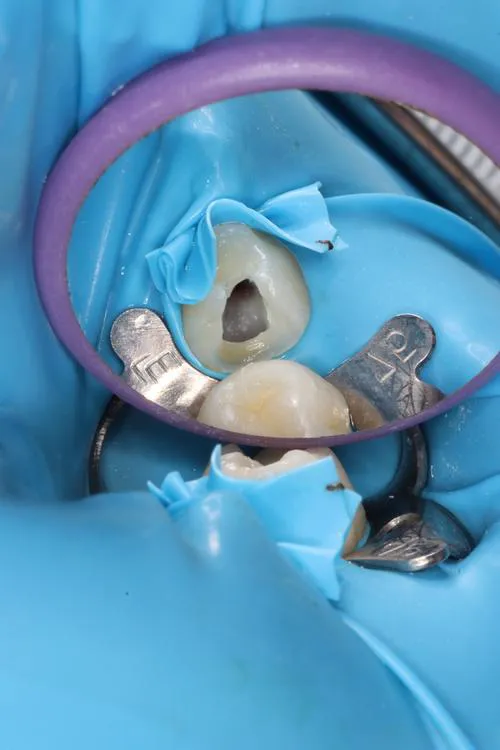
3. **Cleaning and Shaping:**
The infected pulp tissue is carefully removed. The dentist then cleans and shapes the inner space of the root
canals.
4. **Filling and Sealing:**
Once cleaned, the canals are filled and sealed with a biocompatible material to prevent re-infection.
5. **Restoration:**
To restore strength and function, the tooth is typically covered with a dental crown, which blends naturally with surrounding teeth.
### Why Choose Thailand for Root Canal Therapy
Thailand has an excellent reputation for affordable, high-quality dental care. Here are a few reasons patients, both local and international, prefer to have their root canal therapy done here:
- **Experienced Dentists:** Many Thai dentists are internationally trained and speak fluent English, making communication easy.
- **Advanced Dental Technology:** Clinics in Bangkok, Chiang Mai, and Phuket are equipped with state-of-the-art facilities, including 3D imaging systems and microscope-assisted endodontic tools.
- **Cost-effectiveness:** The cost of root canal therapy in Thailand is significantly lower than in many Western countries, without compromising on quality.
- **Ease of Access:** Thailand’s dental clinics are located in shopping malls, office buildings, and medical centers, making appointments convenient for both locals and tourists.
### Recovery and Aftercare Tips
After root canal therapy, it’s normal to experience mild tenderness for a few days. Dentists in Thailand usually recommend over-the-counter pain relief, soft foods, and good oral hygiene practices. Brushing twice daily, flossing, and regular dental check-ups are essential to maintain long-term oral health.
Most importantly, do not chew on hard food immediately after the procedure until the permanent crown is placed. The treated tooth will be sensitive but should gradually return to normal within a week or two.
### Preventing Future Tooth Decay
Root canal therapy saves a damaged tooth, but prevention is always better than cure. Here are some practical tips that Thai dentists often share with their patients:
- Maintain daily oral hygiene – brush with fluoride toothpaste and floss regularly.
- Cut down on sugary foods and drinks, especially sticky desserts or sodas that are popular in Thailand.
- Visit your dentist every six months for a professional cleaning and examination.
- Use a mouthwash to reduce plaque and bacteria around your teeth and gums.
### The Takeaway
Undergoing root canal therapy for tooth decay near the nerve may sound daunting, but in Thailand, it’s a safe, comfortable, and cost-effective procedure. With experienced dentists, modern technology, and a patient-centered approach, you can keep your natural teeth healthy for years to come. Whether you’re a local resident or an expat seeking quality dental care, Thailand’s dental clinics provide world-class services that are both accessible and affordable.
Investing in your oral health is one of the best decisions you can make. If you’re experiencing tooth pain or sensitivity, don’t wait until it becomes unbearable — a consultation with a trusted Thai dentist could be the key to saving your smile.