Thailand Root Canal Treatment for Tooth Infection Symptoms

Thailand Root Canal Treatment for Tooth Infection Symptoms
**Thailand Root Canal Treatment for Tooth Infection Symptoms**
When it comes to dental care, Thailand has earned a strong reputation for offering high-quality treatments at an affordable price, and root canal therapy is one of the procedures that attracts both locals and international patients. A root canal treatment may sound intimidating, but in reality, it’s a common and effective way to save a tooth that has been severely infected or damaged. Understanding why this treatment is needed, what symptoms indicate a possible infection, and how dental clinics in Thailand handle it can help you make confident decisions about your oral health.
### Understanding Tooth Infection and Why It Happens
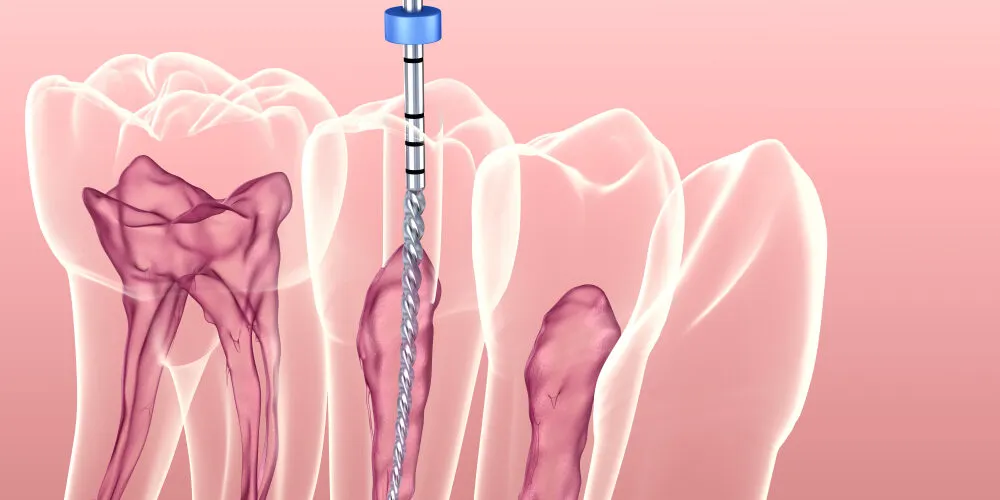
A tooth infection, also called an abscessed tooth, occurs when bacteria enter the inner part of your tooth, known as the pulp. This pulp contains nerves and blood vessels that keep your tooth alive. When bacteria invade due to deep decay, cracks, or repeated dental procedures, the pulp becomes inflamed, leading to severe discomfort.
Common causes include untreated cavities, gum disease, and trauma that damages the tooth. If left alone, the infection can spread to the root tip and the surrounding bone, causing facial swelling, fever, and even systemic health problems. This is where a root canal treatment comes to the rescue—it removes the infected tissue and saves the natural tooth structure.
### Common Symptoms That Indicate You Might Need a Root Canal
If you’re experiencing any of these symptoms, it’s important to visit a dentist in Thailand as soon as possible:
- Persistent toothache, especially when chewing or applying pressure
- Sensitivity to hot or cold that lingers even after the source is removed
- Swollen or tender gums near the affected tooth
- Darkening or discoloration of the tooth
- A pimple-like swelling on the gums, which may drain pus
These signs often suggest an internal infection. Without treatment, the infection can spread deeper into the jawbone or other teeth, making the problem more complicated and costly to fix.
### What to Expect During Root Canal Treatment in Thailand
Thai dental clinics are known for their professional service and advanced technology. Most clinics, particularly in cities like Bangkok, Chiang Mai, and Phuket, follow strict international standards while maintaining warm and friendly Thai hospitality.
A typical root canal treatment in Thailand involves three main steps:
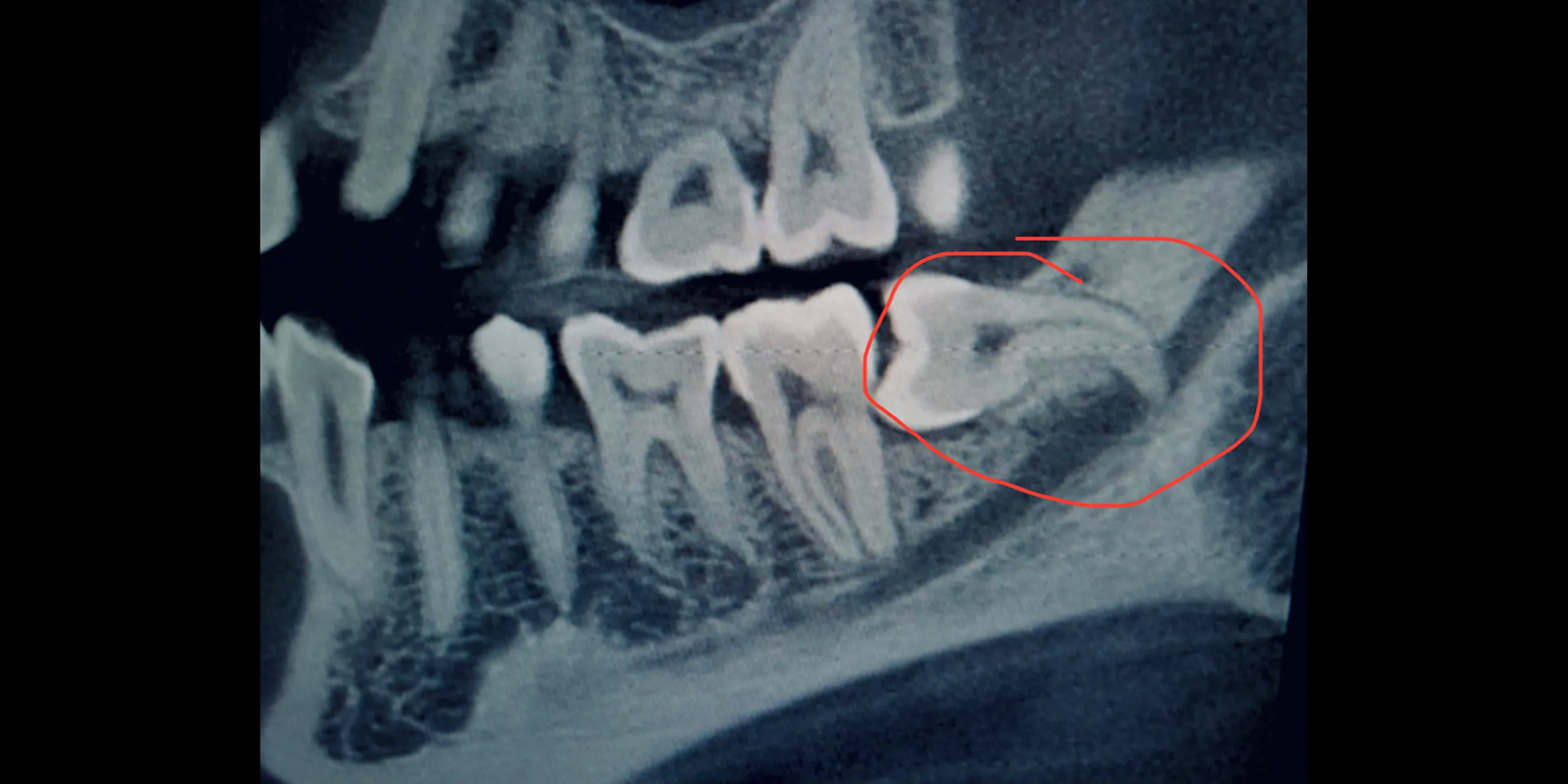
1. **Diagnosis and Preparation** – Your dentist will first take digital X-rays to determine the extent of the infection. Local anesthesia ensures you feel comfortable throughout the procedure.
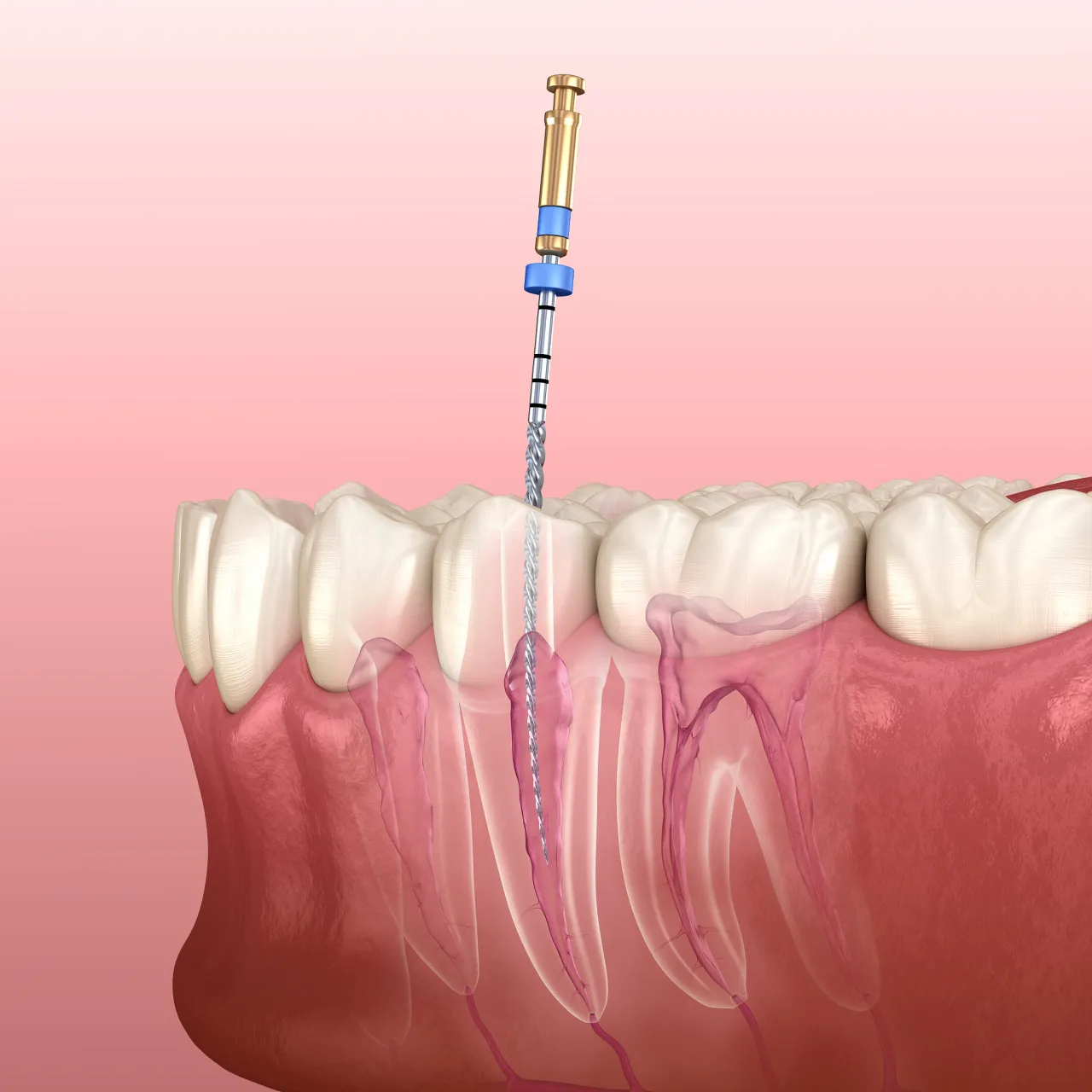
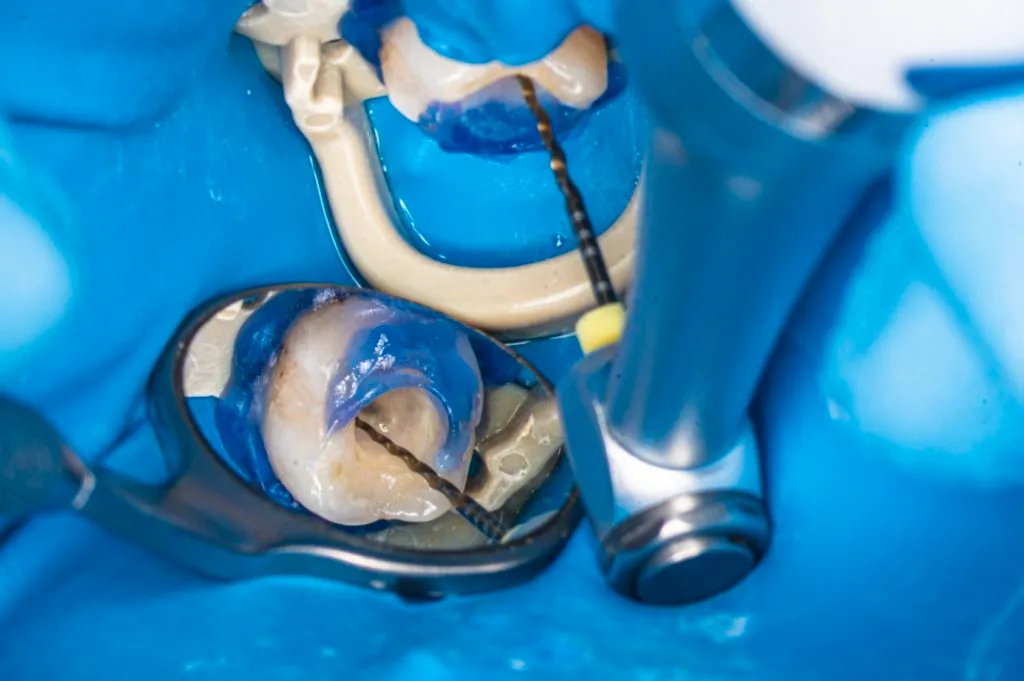
2. **Cleaning and Shaping the Canal** – The infected pulp is carefully removed, and the inner space of the tooth is cleaned and shaped using special dental instruments. This step eliminates harmful bacteria.
3. **Filling and Sealing** – After cleaning, the canal is filled with a biocompatible material called gutta-percha,
sealing the tooth and preventing further infection. In most cases, a crown is recommended to restore the tooth’s strength and natural appearance.
Depending on the condition, treatment can often be completed in one to two visits. Thai dentists are skilled at explaining every step, ensuring that patients feel at ease throughout the process.
### Benefits of Getting Root Canal Treatment in Thailand
**1. Affordable yet high-quality care:**
Compared to Western countries, root canal treatment in Thailand is significantly more affordable without compromising quality. Many clinics use the same materials and equipment as those used in Europe or the United States.
**2. Highly qualified dentists:**
Dentists in Thailand often receive international training and attend global seminars. You’ll find specialists who speak English and other languages fluently, especially in dental tourism destinations.
**3. Modern facilities:**
From digital imaging to microscope-assisted procedures, Thai dental clinics are equipped with the latest technology, ensuring efficient, precise, and painless root canal therapy.
**4. Comfort and hospitality:**
Thai people are known for their warmth and friendliness. Clinics offer a welcoming environment that helps reduce anxiety, making your dental visit as relaxed as possible.
**5. Combination with travel opportunities:**
Many international visitors combine dental treatment with a holiday in Thailand. After completing your root canal, you can explore beautiful beaches, cultural sites, or simply relax in a spa resort to recover comfortably.
### Post-Treatment Care and Recovery Tips
After the procedure, mild discomfort or sensitivity is normal for a few days. Your dentist may prescribe pain relief or antibiotics if needed. To ensure smooth recovery, follow these simple tips:
- Avoid chewing hard foods on the treated side until your permanent crown is placed.
- Maintain good oral hygiene by brushing and flossing regularly.
- Visit your dentist for follow-up appointments and cleaning.
- If you experience persistent pain or swelling, contact your clinic immediately.
With proper care, a tooth that has undergone root canal treatment can last a lifetime, functioning just like a natural tooth.
### Final Thoughts
Root canal treatment in Thailand is a practical and reliable solution for anyone suffering from tooth infection symptoms. Whether you are a local resident or an international traveler seeking affordable dental care, you’ll find professional expertise, modern facilities, and genuine Thai hospitality waiting for you. The key is not to ignore early symptoms—once you feel persistent pain or notice signs of infection, get an examination quickly. Early treatment not only saves your tooth but also prevents future complications.
By choosing a reputable dental clinic in Thailand, you can look forward to a healthy smile, restored comfort, and peace of mind knowing your oral health is in expert hands.