Thailand Root Canal Therapy for Painful Tooth Nerve Infection
Thailand Root Canal Therapy for Painful Tooth Nerve Infection
**Thailand Root Canal Therapy for Painful Tooth Nerve Infection**
Toothaches can be one of the most unbearable types of pain. When a tooth’s nerve becomes infected or inflamed, even simple things like eating or drinking can turn into a nightmare. For many people living in or visiting Thailand, root canal therapy offers an effective and safe solution to save a tooth that would otherwise need to be removed. Thailand’s modern dental clinics, combined with skilled dentists and affordable treatment costs, have made the country one of Asia’s top destinations for dental care, including root canal therapy.
### Understanding What a Root Canal Is
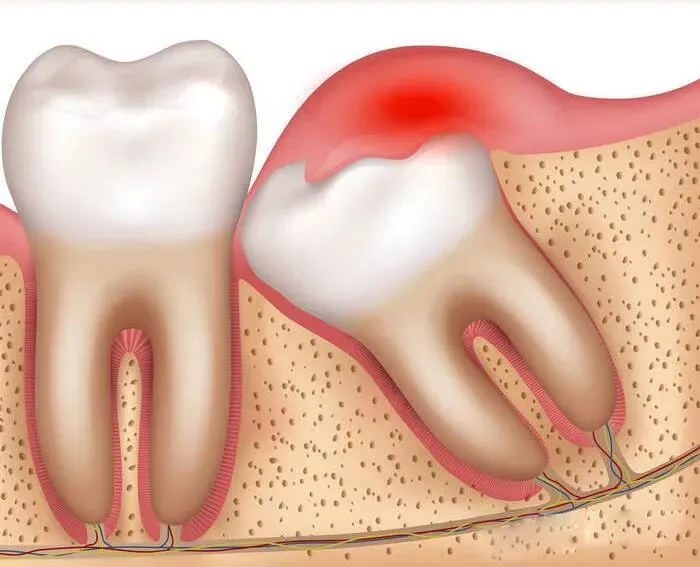
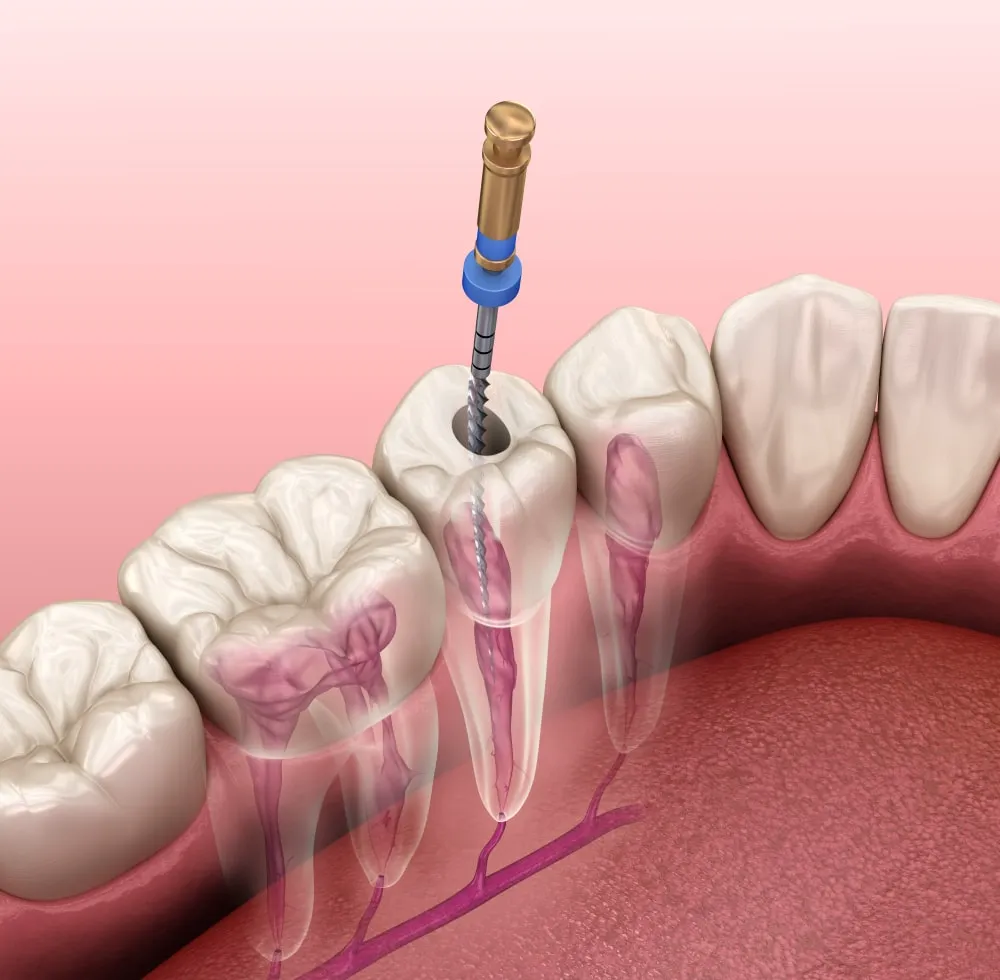
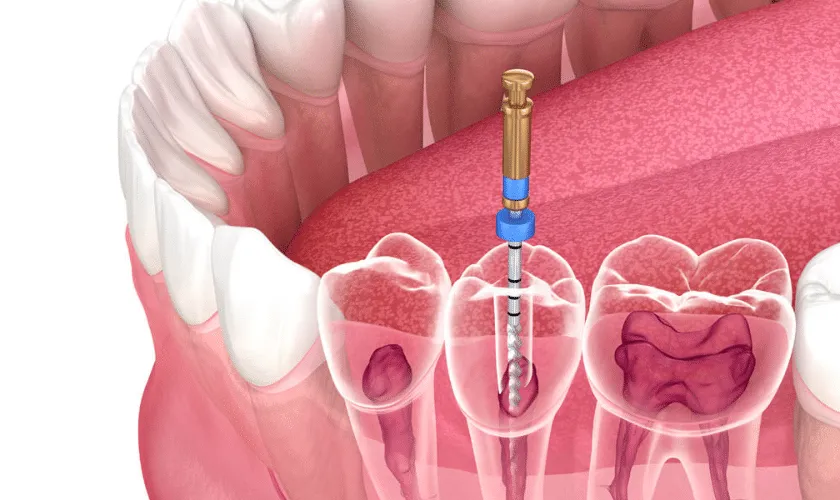
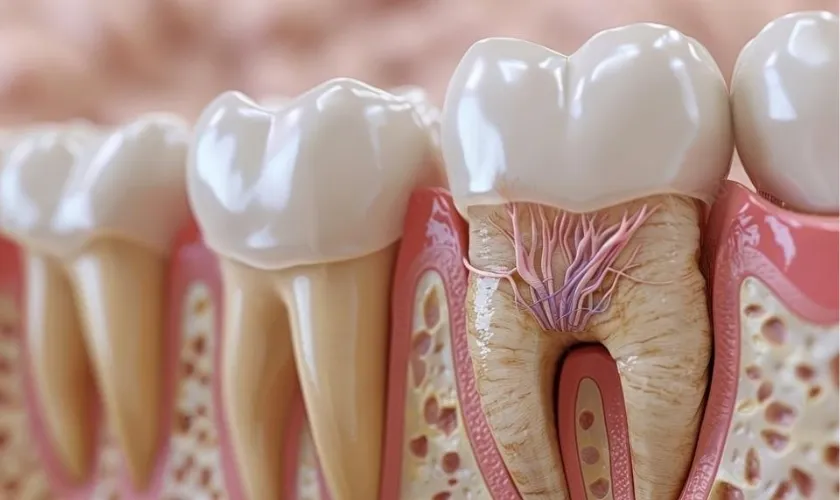
A root canal is a dental treatment designed to remove infection from inside a tooth. Inside each tooth, there’s a soft tissue called the pulp, which contains nerves and blood vessels. When bacteria reach the pulp—often due to deep decay, cracked teeth, or repeated dental procedures—it can cause severe pain and sensitivity. If left untreated, the infection can spread, leading to abscesses, swelling, and even bone loss.
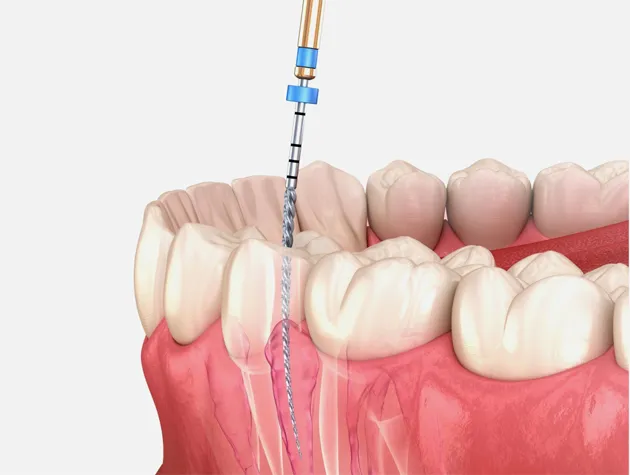
Root canal therapy in Thailand involves removing the infected pulp, carefully cleaning and disinfecting the inner chambers (called canals), and then sealing the space with a biocompatible filling material. The tooth is then restored, often with a dental crown, to ensure strength and natural appearance.
### Why Root Canal Therapy Is Needed
Many people mistakenly believe that extracting an infected tooth is the easier solution. However, keeping your natural tooth is almost always better for your long-term oral health. Root canal therapy not only relieves pain but also preserves the tooth’s structure, allowing you to chew normally and maintain an even bite.
Common signs that you may need a root canal include:
- Sharp or lingering pain when eating or drinking something hot or cold
- Swelling around the gums or jaw
- A small bump or pimple on the gums
- Darkening or discoloration of the tooth
- Pain when biting or touching the tooth
If you notice any of these symptoms, it’s best to visit a dental clinic in Thailand for a proper examination before the infection worsens.
### Root Canal Procedure in Thailand
The process of root canal therapy typically takes one to two visits, depending on how severe the infection is and the tooth’s condition. Here’s what you can expect during treatment in a Thai dental clinic:
1. **Consultation and X-ray** – Your dentist will examine your tooth and take an X-ray to determine the extent of the infection. Thai clinics are known for using modern digital imaging systems that make diagnosis quick and precise.
2. **Local Anesthesia** – The area around your affected tooth will be numbed, making the procedure painless. Most patients say that a root canal feels very similar to getting a regular filling.
3. **Pulp Removal and Cleaning** – Your dentist will make a small opening in the tooth to remove the infected tissue. The root canals will then be thoroughly cleaned and
shaped.
4. **Filling and Sealing** – Once the area is disinfected, it will be filled with a special material such as gutta-percha to prevent reinfection. A temporary or permanent filling will be placed on top.
5. **Restoration** – In many cases, a dental crown is recommended to strengthen the tooth and restore its natural look. Crowns made in Thailand are often crafted from high-quality porcelain or zirconia to match your smile beautifully.
### Why Many Patients Choose Thailand for Dental Care
Thailand’s dental reputation has grown rapidly due to its high standards of care and affordable prices. Bangkok, Chiang Mai, Phuket, and Pattaya are popular cities offering world-class dental clinics with English-speaking staff. Dentists in Thailand often receive international training and use advanced technology such as rotary endodontic systems, dental microscopes, and modern sterilization equipment.
For international patients, the cost of a root canal in Thailand is often a fraction of what it would be in Western countries, without compromising on quality. The combination of affordability, professionalism, and the opportunity to recover in a tropical paradise makes Thailand an ideal choice for dental tourism.
### Post-Treatment Care and Recovery
After a root canal, some mild soreness or sensitivity is normal for a few days. Over-the-counter pain relief and gentle brushing can help ease discomfort. It’s important to follow all care instructions from your dentist, avoid chewing hard foods for a few days, and return for your follow-up appointment if required.
Once your permanent crown is placed, your tooth should look and function just like a healthy one. Good oral hygiene—brushing twice a day, flossing regularly, and visiting your dentist for checkups—will help keep your smile healthy for years to come.
### Tips for Keeping Your Teeth Healthy in Thailand
Living in or visiting Thailand means enjoying spicy food, sweet drinks, and tropical fruits. However, these can sometimes increase the risk of tooth decay. To keep your smile bright:
- Drink plenty of water, especially after meals.
- Limit sugary beverages like Thai iced tea.
- Visit a Thai dentist for professional cleaning every six months.
- Use fluoride toothpaste to strengthen enamel and protect against cavities.
### Final Thoughts
Root canal therapy doesn’t have to be something to fear. In Thailand, experienced dentists combine gentle techniques with modern technology to ensure patients feel comfortable and confident throughout the process. Whether you are a local resident or a traveler seeking quality dental care, root canal treatment in Thailand provides a practical, pain-free way to save your natural tooth and bring relief from nerve infection.
Taking care of your teeth is an investment in your overall health and quality of life. With Thailand’s exceptional dental professionals and patient-friendly services, you can smile again without pain—and enjoy every meal and moment that follows.