Thailand Root Canal Treatment for Tooth Root Infection Treatment Guide
Thailand Root Canal Treatment for Tooth Root Infection Treatment Guide
**Thailand Root Canal Treatment for Tooth Root Infection Treatment Guide**
When it comes to keeping your smile healthy and pain-free, root canal treatment is one of the most effective solutions for saving a tooth that has been infected or damaged from the inside. In Thailand, root canal treatment is widely available and performed using advanced technology and international dental protocols. Whether you live here or are visiting for dental tourism, understanding how root canal treatment works—especially for tooth root infection—can help you make the right decision about your dental health.
### Understanding Tooth Root Infection
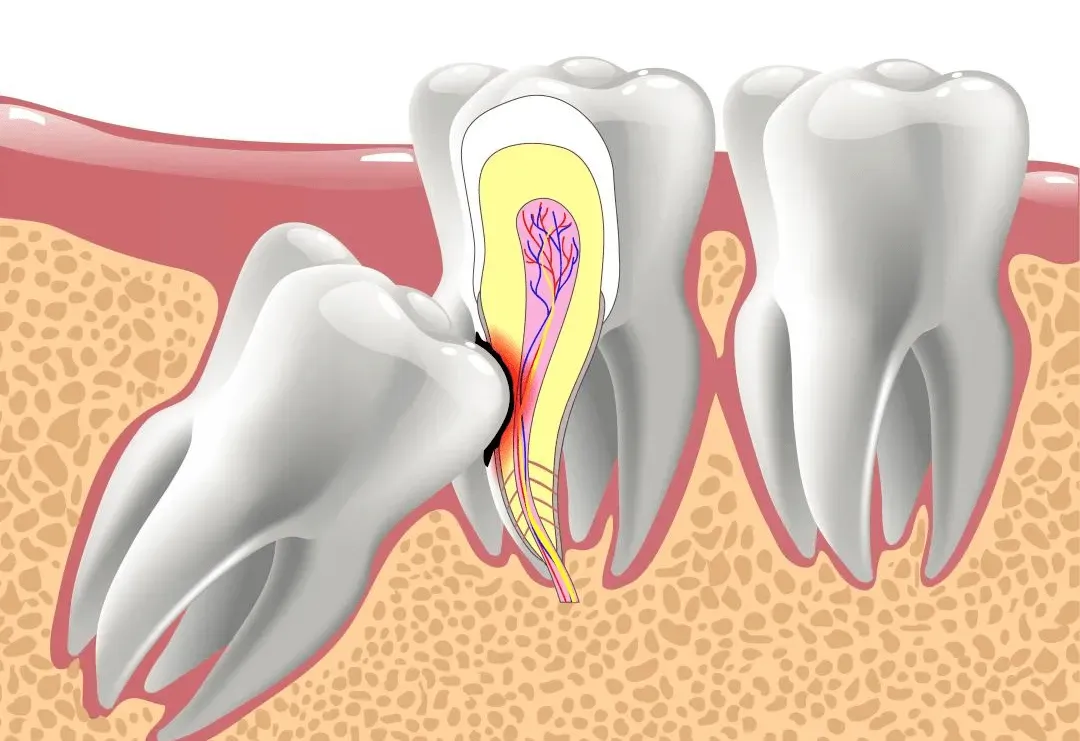
A tooth root infection occurs when bacteria penetrate deep into the pulp—the soft tissue inside the tooth containing nerves and blood vessels. This can happen due to severe tooth decay, cracked teeth, or repeated dental procedures. Once the infection reaches the root, you may experience symptoms like:
- Constant toothache or sharp pain when biting
- Sensitivity to hot and cold food or drinks
- Swelling on the gums near the affected tooth
- A small pimple or abscess on the gum
If left untreated, a root infection can spread to other areas of the jaw and lead to tooth loss. This is why early diagnosis and prompt treatment are very important.
### What Is Root Canal Treatment?
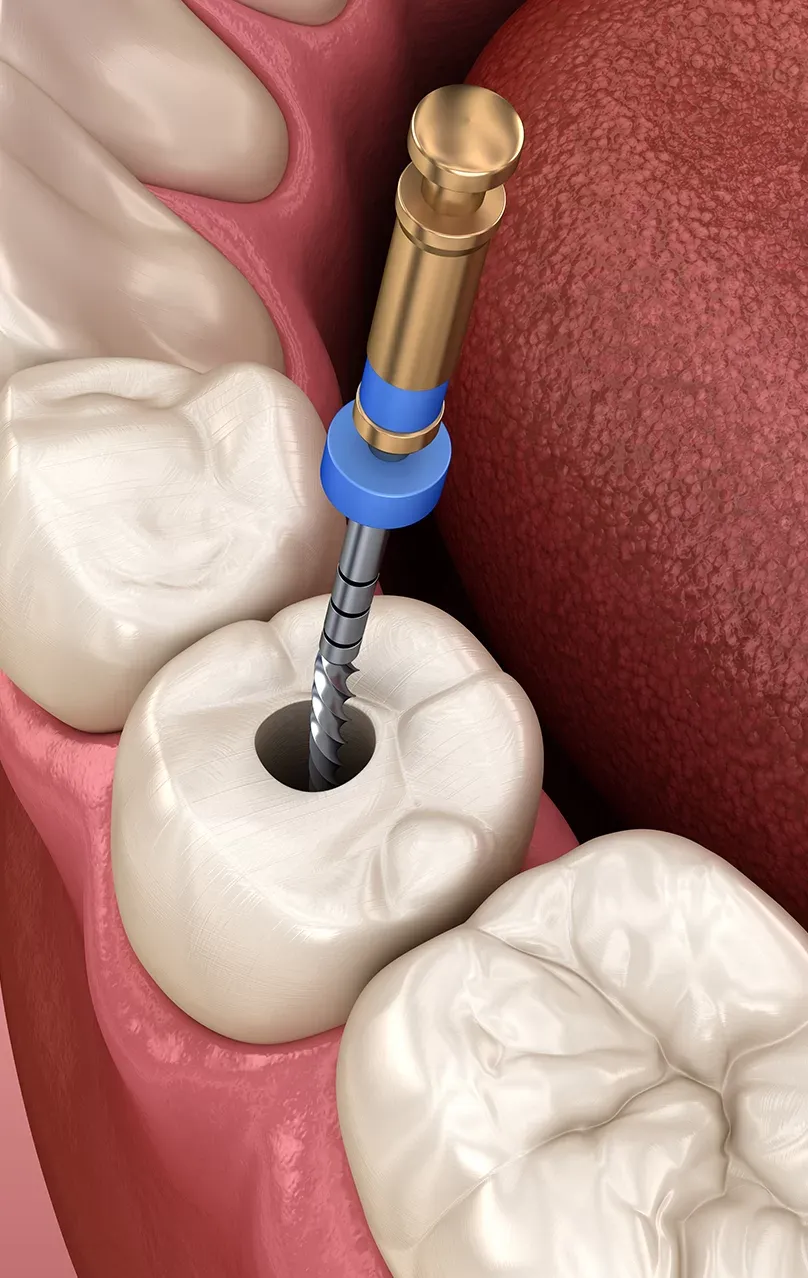
Root canal treatment (also known in Thai dental clinics as *endodontic treatment*) is a procedure that removes infected tissue from inside the tooth, cleans the root canals, and seals them to prevent future infection. This process helps preserve your natural tooth, avoiding the need for extraction or dental implants.
In Thailand, most dental centers use digital X-rays, rotary instruments, and advanced sterilization systems to ensure accuracy and comfort during the procedure. The treatment is usually performed under local anesthesia, meaning you won’t feel pain while the dentist works to save your tooth.
### Step-by-Step Process of Root Canal Treatment in Thailand
1. **Diagnosis and Consultation**
The dentist starts with a thorough check-up and X-ray to locate the infected area and assess the level of damage. At this stage, you’ll discuss treatment options, costs, and the estimated number of visits required.
2. **Anesthesia and Cleaning**
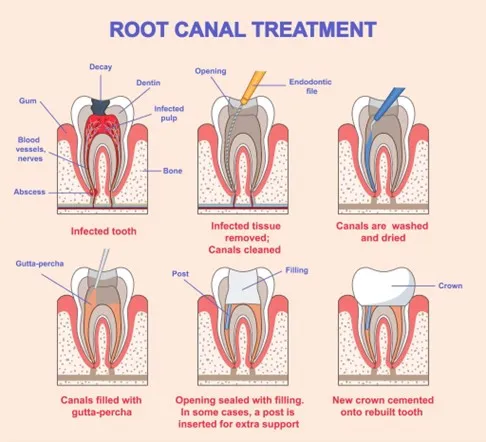
Once the procedure begins, the dentist will numb the tooth and surrounding area. They then make a small opening in the crown to access the infected pulp. Using sterile tools, the dentist cleans and shapes the root canals to remove all bacteria and debris.
3. **Filling and Sealing**
After cleaning, the canals are dried and filled with a biocompatible material called gutta-percha. This prevents bacteria from re-entering and re-infecting the area. The dentist then seals the tooth with a temporary filling or prepares it for a permanent crown.
4. **Final Restoration**
Most cases require a dental crown to restore the tooth’s strength and function. Thai dental clinics offer many crown materials—porcelain, zirconia, or ceramic—depe
nding on your preference and budget.
### Why Many People Choose Root Canal Treatment in Thailand
Thailand is famous for offering high-quality dental care at affordable prices. The combination of modern technology, internationally trained dentists, and welcoming hospitality makes it a popular destination for dental patients from across Asia and beyond.
Here are a few reasons why root canal treatment in Thailand stands out:
- **Affordable Cost:** Prices are often 50–70% lower compared to Western countries, while maintaining international standards.
- **Experienced Dentists:** Many Thai dentists hold degrees from overseas institutions and have years of clinical experience in endodontics.
- **State-of-the-Art Facilities:** Clinics in Bangkok, Chiang Mai, and Phuket use advanced imaging and sterilization systems for precise treatment.
- **Convenience for Tourists:** Dental centers often provide flexible scheduling and online consultation options, making it easy for visitors to book appointments.
- **Comfortable Environment:** Clinics focus on patient comfort—gentle care, multilingual staff, and calm atmospheres designed to reduce anxiety.
### How to Know If You Need This Treatment
Root canal treatment is recommended when the inner pulp is infected or severely damaged. If you experience lingering tooth pain, swelling, or sensitivity that doesn’t go away, visit a dentist as soon as possible. Thai dental clinics usually provide a free or low-cost consultation for initial evaluation.
Delaying treatment might worsen the infection, leading to gum problems or even bone loss around the tooth root. Early attention means less discomfort and higher chances of saving your natural tooth.
### Recovery and Aftercare
After a root canal, mild discomfort is normal for a few days. Thai dentists often prescribe pain relief medication and advise gentle brushing during recovery. Eating soft foods and avoiding hard bites helps protect the treated tooth while healing. Once the final crown is placed, your tooth can function like any other natural tooth.
Remember to maintain good oral hygiene—brush twice daily, floss regularly, and schedule dental check-ups every six months. This helps ensure your root canal remains successful for many years.
### Conclusion
Root canal treatment in Thailand offers a reliable, cost-effective, and comfortable way to treat tooth root infections without losing your natural tooth. With skilled dental professionals, advanced equipment, and patient-centered care, Thailand has become one of Asia’s leading destinations for dental health solutions.
Whether you live in Bangkok, Phuket, or Chiang Mai—or you’re just visiting—getting your root canal treatment done in Thailand means receiving world-class care with that unique Thai touch of friendliness and warmth. So, if a toothache is bothering you or your dentist recommends a root canal, there’s no need to worry. The procedure is safe, effective, and readily available from some of the most trusted dental clinics in the region.