Thailand Root Canal Treatment for Persistent Tooth Sensitivity
Thailand Root Canal Treatment for Persistent Tooth Sensitivity
**Thailand Root Canal Treatment for Persistent Tooth Sensitivity**
Persistent tooth sensitivity is one of those dental problems that can truly disrupt daily life. Enjoying a scoop of ice cream or sipping a hot cup of coffee should be simple pleasures, not moments filled with sharp pain. In Thailand, where flavorful foods and refreshing drinks are part of the vibrant lifestyle, having sensitive teeth can feel especially inconvenient. For many people, when regular treatments like desensitizing toothpaste or fillings no longer help, root canal treatment may be the best long-term solution.
### Understanding Persistent Tooth Sensitivity
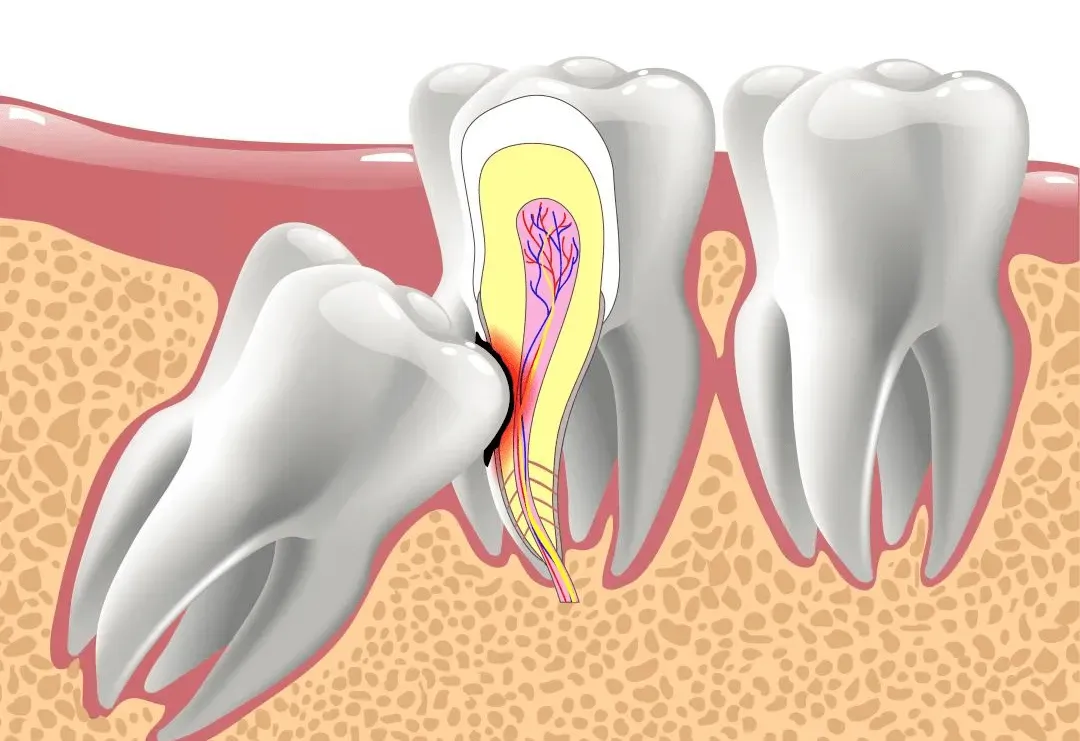
Tooth sensitivity usually occurs when the protective enamel layer becomes worn down or when the gums recede, exposing the dentin—a porous layer that directly connects to the nerve. Common causes include tooth decay, cracked teeth, worn fillings, gum disease, or excessive teeth grinding. When the tooth nerve becomes inflamed or infected, the pain can move beyond sensitivity into a deep, throbbing ache. If you experience discomfort that lingers even after removing hot, cold, or sweet triggers, it’s time to see a dentist.
### Why Root Canal Treatment Might Be Necessary
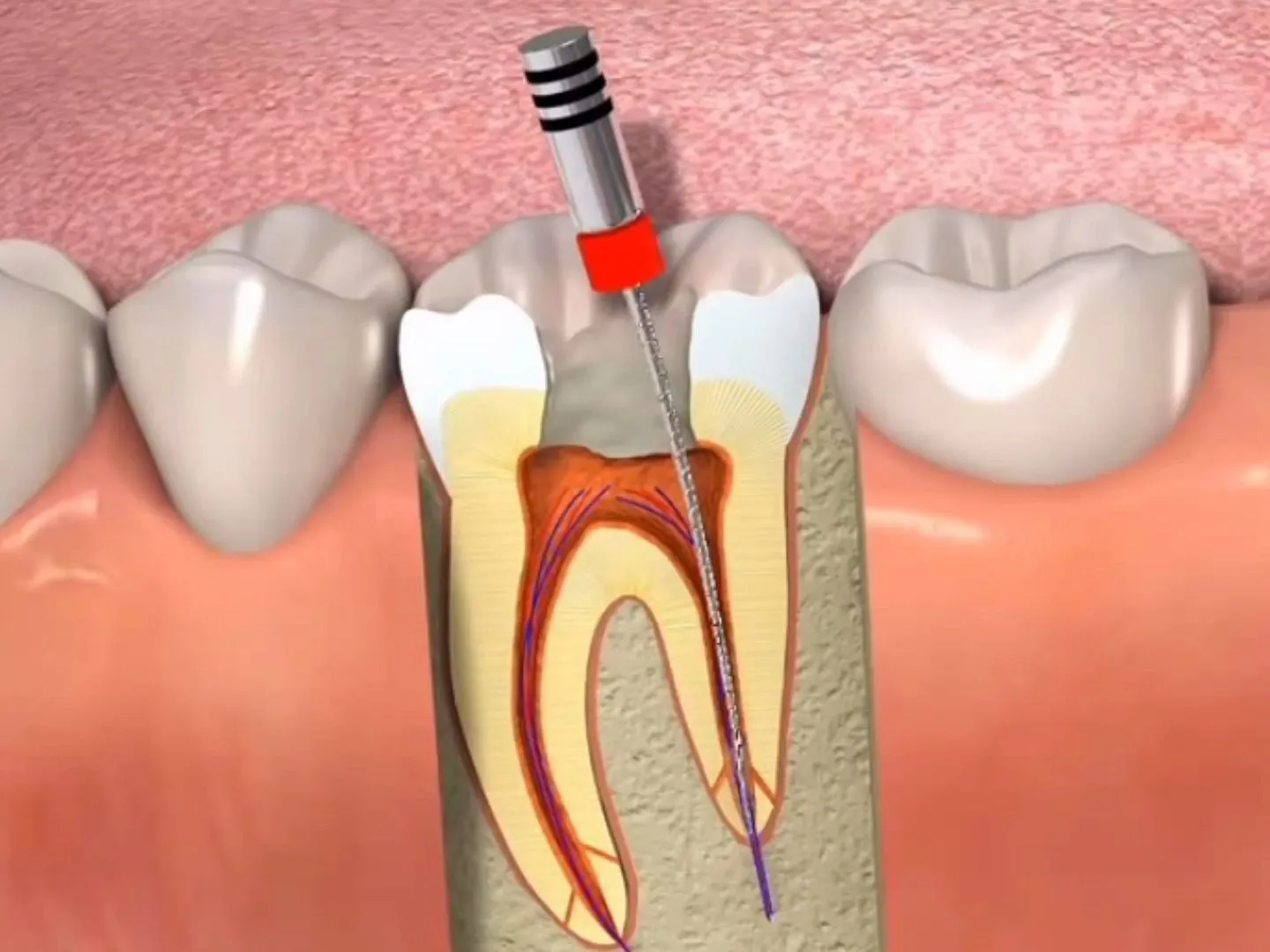
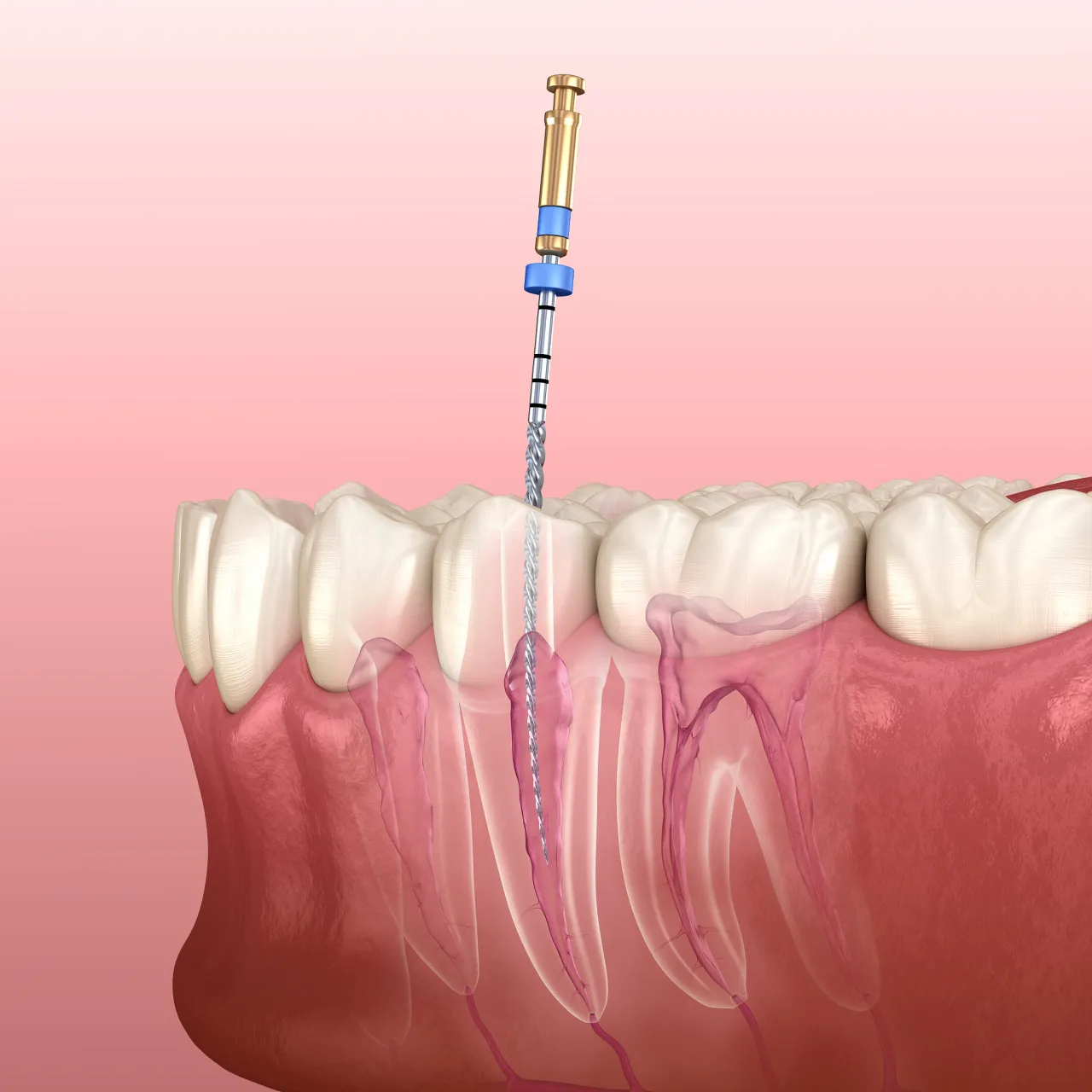
A root canal procedure is designed to remove infected or damaged pulp tissue from inside the tooth while preserving the root structure. Contrary to old beliefs, root canal therapy is not painful—it actually relieves pain. Modern dental technology and improved anesthesia techniques have made the process far more comfortable and efficient than in the past.
For patients in Thailand, getting a root canal done may not only save a natural tooth but also restore full function without the need for extraction and replacement. If left untreated, an infected pulp can lead to swelling, an abscess, or even spread the infection to surrounding areas.
### How Root Canal Treatment Works
The process of root canal treatment in Thailand generally follows a few key steps:
1. **Diagnosis and X-ray**: The dentist examines the tooth and takes an X-ray to identify the extent of the infection.
2. **Local Anesthesia**: The area around the tooth is numbed for a pain-free experience.
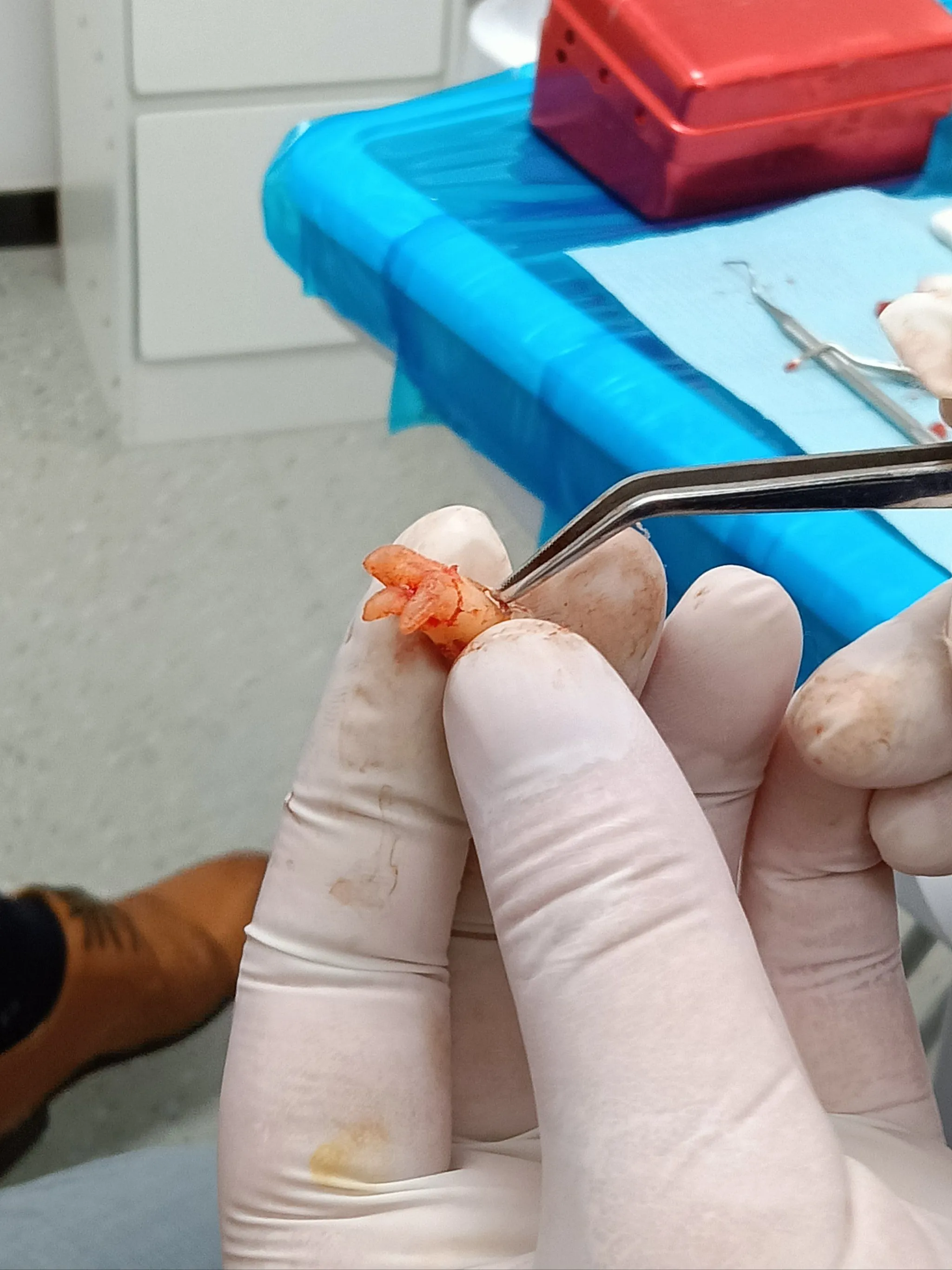
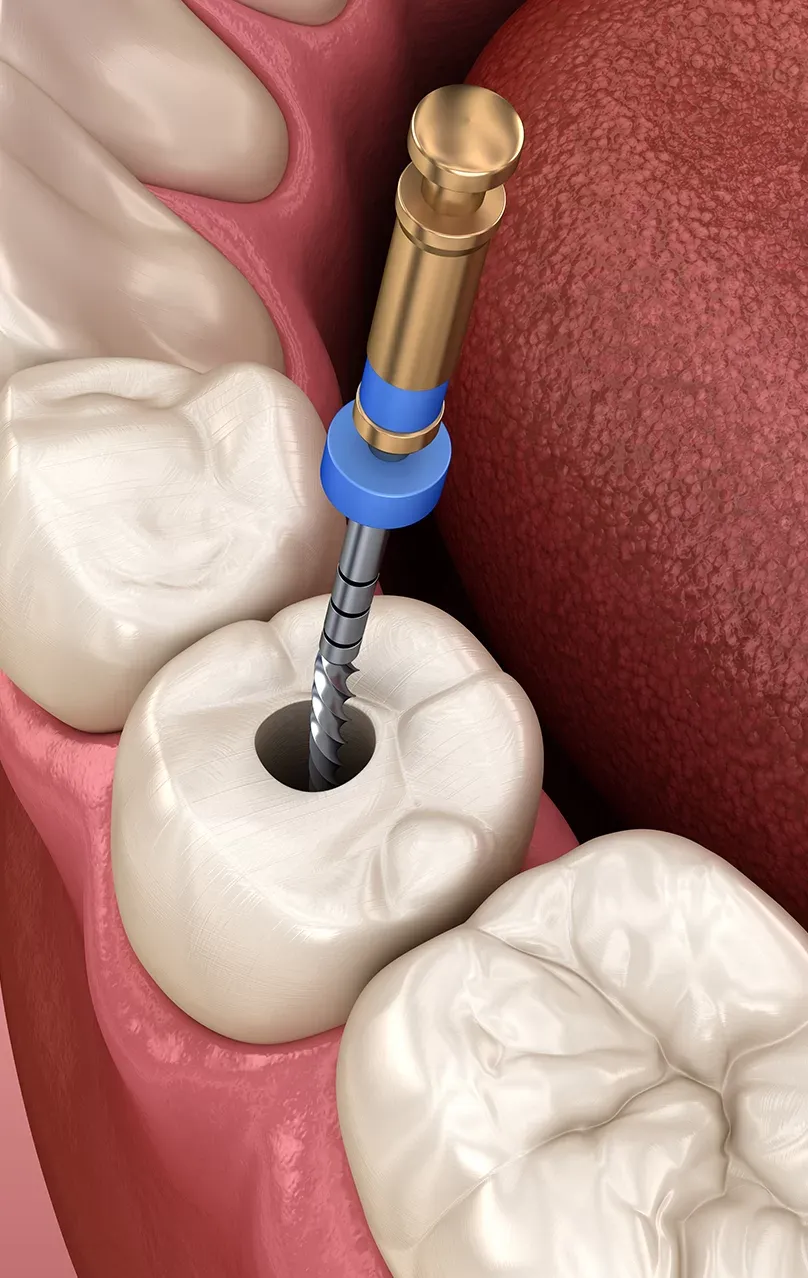
3. **Pulp Removal**: The dentist makes a small opening in the crown of the tooth and removes the infected nerve and pulp.
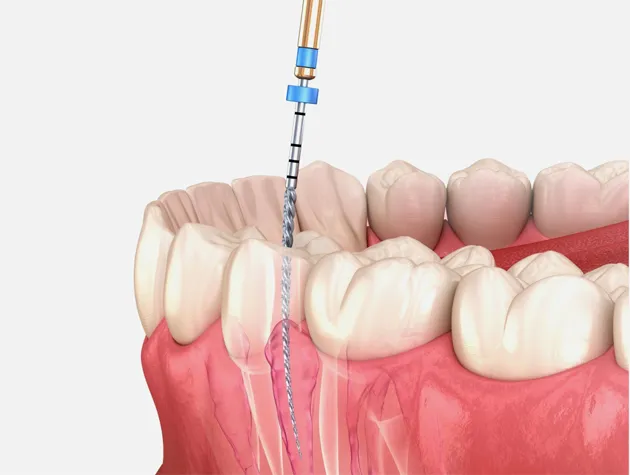
4. **Cleaning and Shaping**: The inner canal is cleaned, disinfected, and shaped carefully to prepare for filling.
5. **Filling and Sealing**: The canal is filled with a biocompatible material, then sealed to prevent bacteria from re-entering.
6. **Restoration**: A crown or filling is placed to strengthen and protect the treated tooth.
Most procedures take one to two visits, depending on the complexity of the case. After treatment, mild tenderness is common but usually subsides within a few days.
### Why Thailand Is a Great Place for Root Canal Treatment
Over the past decade, Thailand has earned a reputation as a leading destination for dental care in Asia. From Bangkok to Chiang Mai, Phuket to Pattaya, the country houses m
any international-standard dental clinics equipped with modern facilities and highly trained specialists. Here are a few key reasons why many patients—both local and international—choose Thailand for root canal therapy:
- **High Professional Standards**: Thai endodontists (root canal specialists) often receive training abroad and use global-standard techniques. Many clinics in Bangkok and major cities also follow strict sterilization and hygiene protocols.
- **Affordable Costs**: Compared to Western countries, dental treatment in Thailand can be significantly more affordable, even when performed with premium materials.
- **Efficient Scheduling**: Most clinics offer flexible appointment slots, making it easy for residents and visitors alike to receive prompt care.
- **Comprehensive Dental Services**: Patients can combine root canal treatment with other restorative or cosmetic dental care, such as crowns, whitening, or cleanings.
### Recovery and Aftercare
After your root canal procedure, proper care ensures lasting results. Dentists in Thailand typically recommend avoiding hard or sticky foods for the first few days. Brushing and flossing gently around the treated area is important to maintain oral hygiene. Over-the-counter pain relief may be suggested if there’s mild soreness. Once the permanent crown is placed, the tooth can function like any other healthy tooth.
Regular dental check-ups—usually every six months—help monitor the treated tooth and prevent further issues. Many people in Thailand also include professional cleanings as part of their dental routine to keep their teeth and gums in top condition.
### Preventing Sensitivity and Tooth Decay in the Future
Even after successful root canal treatment, maintaining a healthy mouth is key. Here are some simple preventive tips that dentists in Thailand commonly recommend:
- Use a **soft-bristled toothbrush** and fluoride toothpaste to avoid enamel damage.
- Limit **acidic or sugary foods and drinks**, which can wear down enamel.
- Visit your **dentist regularly** for cleaning and check-ups.
- Wear a **mouthguard** if you grind your teeth at night.
- Stay hydrated—Thailand’s warm climate makes drinking plenty of water essential, not just for your body but also for your oral health.
### Final Thoughts
Living with persistent tooth sensitivity can be frustrating, but solutions are well within reach. Root canal treatment, when performed by a skilled Thai dentist, can restore comfort, function, and confidence in your smile. Whether you’re a local resident or an international patient exploring dental care in Thailand, you can expect professional service, modern techniques, and caring follow-up.
In short, Thailand offers much more than beautiful beaches and great food—it also provides world-class dental care at reasonable costs. If persistent sensitivity is limiting your enjoyment of life, consider consulting a trusted Thai dental clinic to find out if root canal treatment could be the answer to reclaiming your pain-free smile.