Thailand Root Canal Treatment for Dental Abscess Treatment Options
Thailand Root Canal Treatment for Dental Abscess Treatment Options
**Thailand Root Canal Treatment for Dental Abscess Treatment Options**
When you’re dealing with a severe toothache that just won’t go away, chances are it could be more than just a small cavity. For many people in Thailand, a dental abscess—a painful infection at the root of a tooth—is one of the most common reasons to look for professional dental care. Root canal treatment has become the go-to solution for saving infected teeth and preventing the infection from spreading. Understanding how this treatment works, what you can expect in Thailand, and what options are available will help you make the right decision for your oral health.
**Understanding Dental Abscess and Its Causes**
A dental abscess occurs when bacteria invade the dental pulp inside a tooth, often due to untreated decay, cracked enamel, or a failed filling. The infection causes swelling, intense pain, and sometimes fever or swollen gums. In Thailand’s humid climate and with the popularity of sugary snacks and drinks, maintaining oral hygiene is essential. Unfortunately, if an abscess develops, home remedies and antibiotics can only provide temporary relief. The only permanent solution is to remove the infected tissue—this is where root canal treatment comes in.
**What Is Root Canal Treatment?**
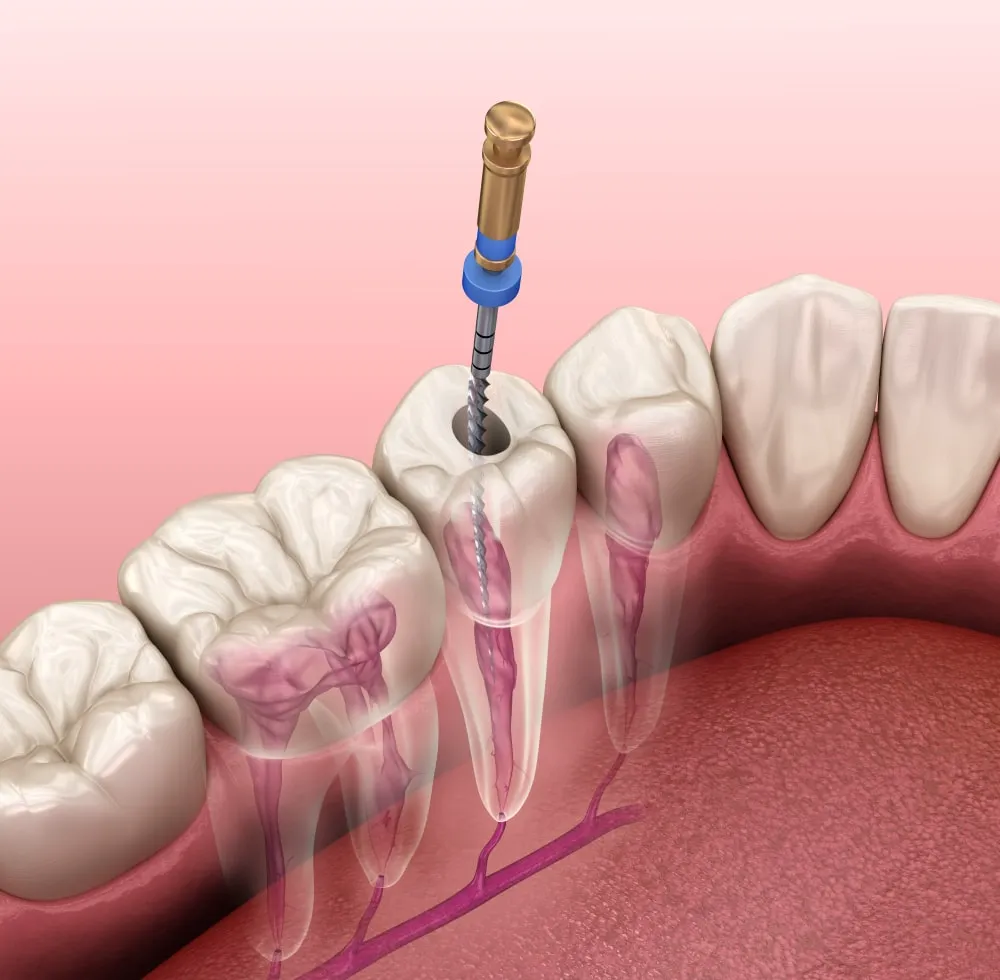
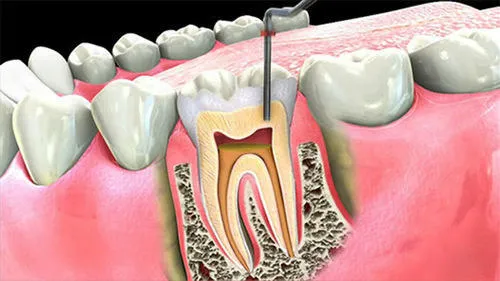
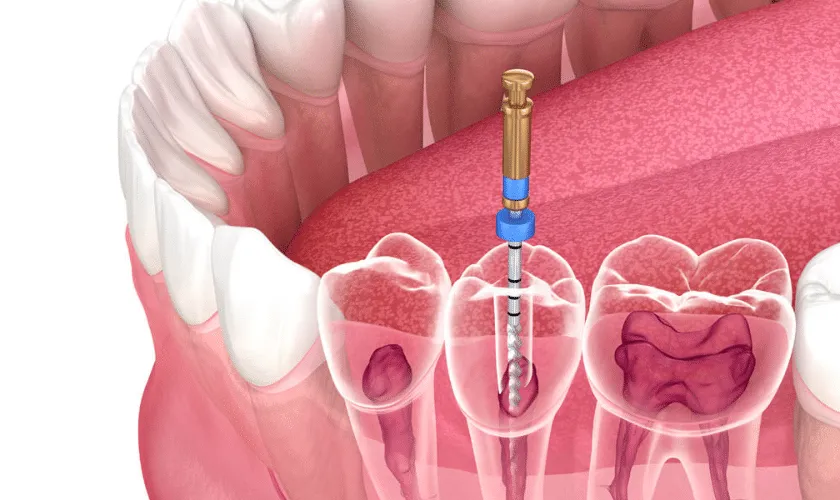
Root canal treatment, known locally as “รักษารากฟัน,” is a procedure designed to clean out the infected pulp and preserve your natural tooth. Instead of extracting the tooth, your dentist removes the bacteria, disinfects the area, then fills and seals the canals to prevent reinfection. This process can save your tooth and eliminate pain effectively. Many top dental clinics in Bangkok, Chiang Mai, and Phuket offer advanced endodontic services, often using modern equipment such as digital X-rays and rotary instruments for precise results.
**Why Choose Thailand for Root Canal Treatment**
Thailand is known internationally for its excellent dental care at affordable prices. Whether you’re a local resident or visiting on dental tourism, you’ll find that Thai dental clinics maintain high standards with English-speaking dentists who are trained internationally. The cost of root canal treatment in Thailand typically ranges from **2,000 THB to 8,000 THB** per tooth, depending on location, clinic reputation, and the complexity of the procedure. Compared to Western countries, that’s significantly more budget-friendly without compromising quality.
Moreover, Thai hospitality makes dental visits less intimidating. Clinics often provide comfortable settings, flexible appointments, and transparent explanations of each stage of treatment. For expats and travelers, clinics located in Sukhumvit, Silom, or Nimman often have convenient online booking and quick response through Line or WhatsApp.
**The Root Canal Procedure Step by Step**
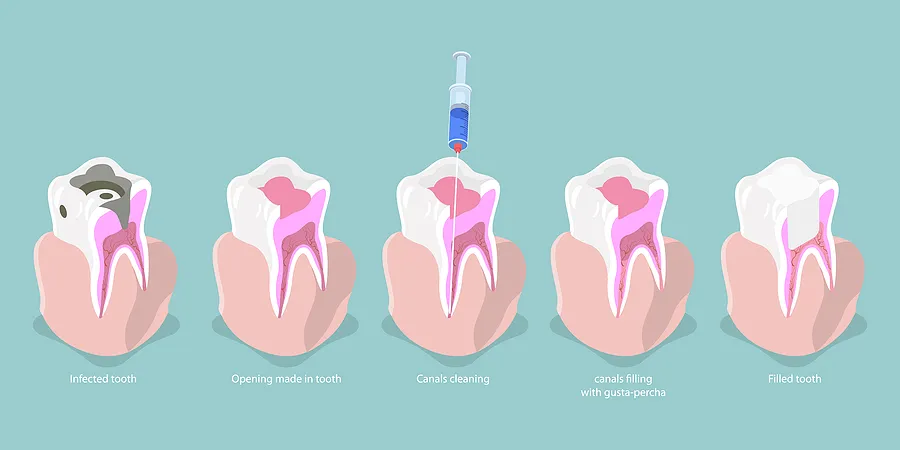
1. **Diagnosis and X-ray:**
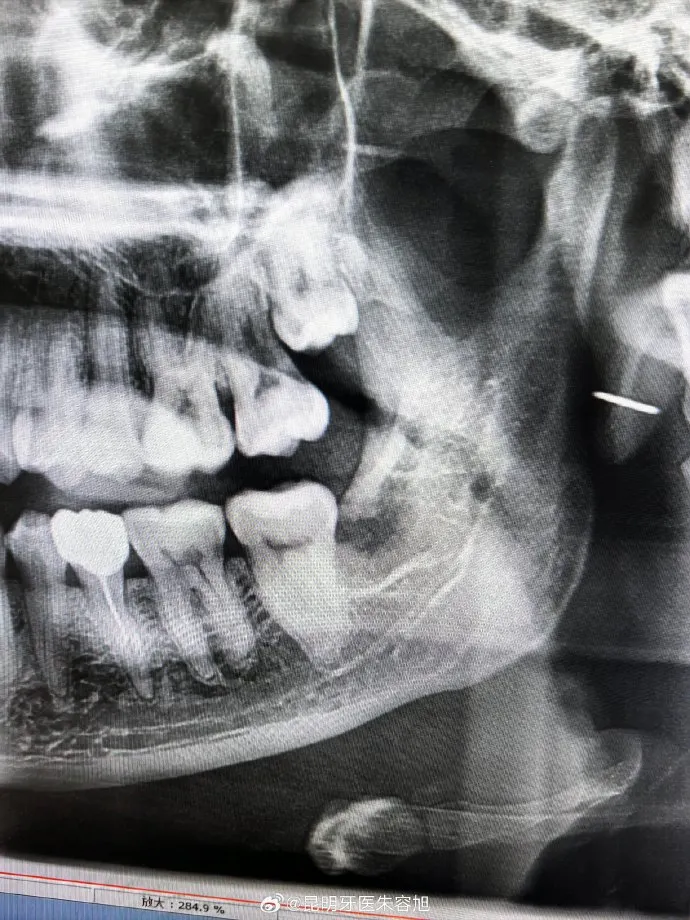
The dentist will first take an X-ray to locate the infection and determine the condition of the tooth root.
2. **Local Anesthesia:**
You’ll receive a small injection
to numb the area, ensuring you feel no pain during the procedure.
3. **Cleaning and Shaping:**
The dentist opens the tooth crown to access the infected pulp. Then, specialized tools are used to clean out bacteria and shape the canal for filling.
4. **Disinfection and Filling:**
After cleaning, the canal is filled with a biocompatible material (usually gutta-percha) and sealed tightly.
5. **Restoration:**
Sometimes, a crown or filling is placed on top to further protect the tooth and restore its natural function.
While the procedure may take one or two visits, many Thai dental clinics are efficient—patients often report minimal discomfort and quick recovery times.
**Alternative Options for Dental Abscess Treatment**
Although root canal therapy is the most recommended option for saving an abscessed tooth, there are other treatments depending on the severity of your case:
- **Tooth Extraction:**
If the tooth is severely damaged or cannot be restored, removal may be necessary. This is usually followed by an implant or dental bridge to fill the gap.
- **Incision and Drainage:**
For certain abscesses, draining the pus can temporarily relieve pressure and pain, though it does not solve the underlying infection.
- **Medication:**
Antibiotics may be prescribed to control infection before or after treatment, but they cannot cure the infected tooth permanently.
Choosing the right treatment depends on your dentist’s assessment, so it’s best not to wait too long before seeking help.
**Post-Treatment Care Tips in Thailand**
After a root canal, mild soreness is normal for a few days. You can take over-the-counter painkillers, avoid chewing hard foods, and follow your dentist’s advice closely. Most Thai dentists will schedule a follow-up appointment to ensure the tooth is healing properly. Practicing good oral hygiene—brushing twice daily, using mouthwash, and visiting your dentist regularly—can help prevent future dental abscesses.
If you’re living in Thailand, finding a reliable clinic is easy. Check online reviews, ask for referrals from friends, or visit consultation centers in major malls. Many clinics offer promotional packages for root canal treatment, which often include follow-up visits and crown restoration at competitive rates.
**Conclusion: Saving Your Smile in Thailand**
Dental abscesses are painful but treatable. With Thailand’s advanced dental care and expert endodontists, root canal treatment offers an effective, affordable, and reliable way to save your tooth and restore comfort. Whether you’re in Bangkok’s busy city center or enjoying a peaceful life in Chiang Mai, professional care is always accessible.
Taking care of your teeth is more than just about appearance—it’s about health and confidence. So, if you’re feeling persistent tooth pain or swelling, don’t wait too long. Consult a Thai dentist, explore your treatment options, and consider root canal therapy as the best solution to keep your smile bright and healthy for years to come.