Thailand Root Canal Treatment for Painful Tooth Nerves

Thailand Root Canal Treatment for Painful Tooth Nerves
**Thailand Root Canal Treatment for Painful Tooth Nerves**
When you feel a sharp pain in your tooth every time you bite or drink something cold, you may be dealing with an infected or damaged tooth nerve. In Thailand, this kind of dental problem is quite common, and luckily, Thai dental clinics are well-known for offering effective, affordable, and safe root canal treatment. Whether you’re a local patient or a foreign visitor, understanding how root canal treatment works in Thailand can help you make the best decision for your dental health.
**What Is a Root Canal Treatment?**
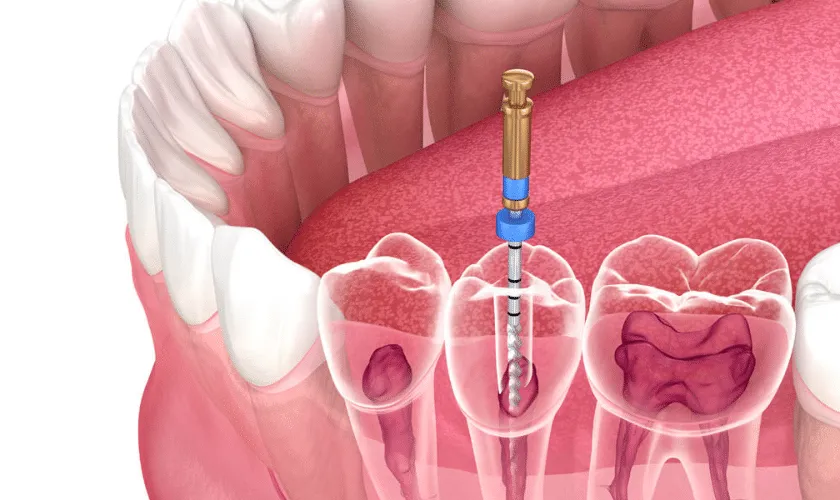
A root canal treatment, often called “endodontic therapy,” is a dental procedure that removes infected nerve tissue from inside your tooth. The tooth pulp—made up of nerves and blood vessels—can become inflamed or infected due to deep decay, large fillings, or trauma. When that happens, you might feel constant pain, sensitivity to hot and cold, or even notice swelling in your gums.
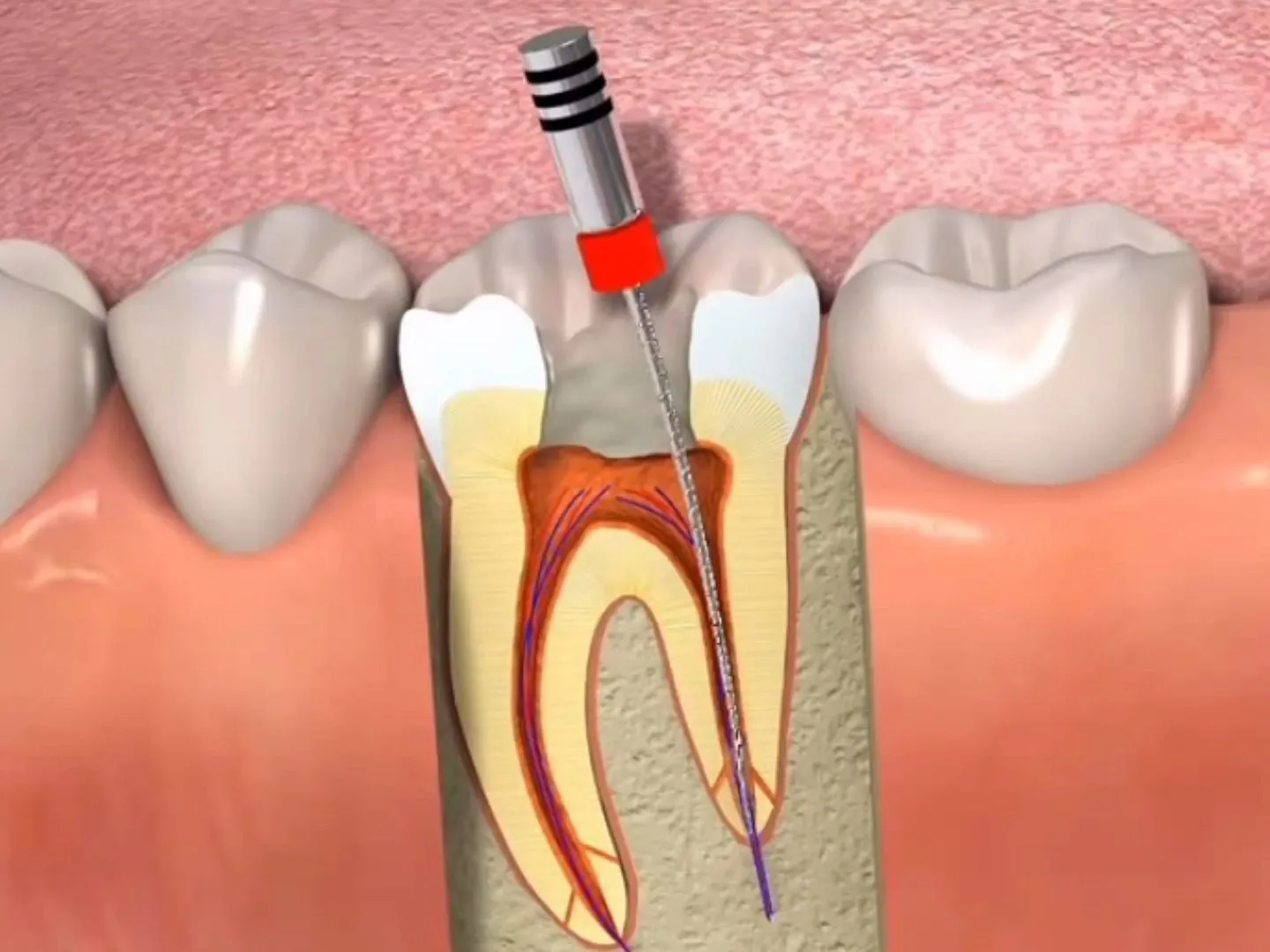
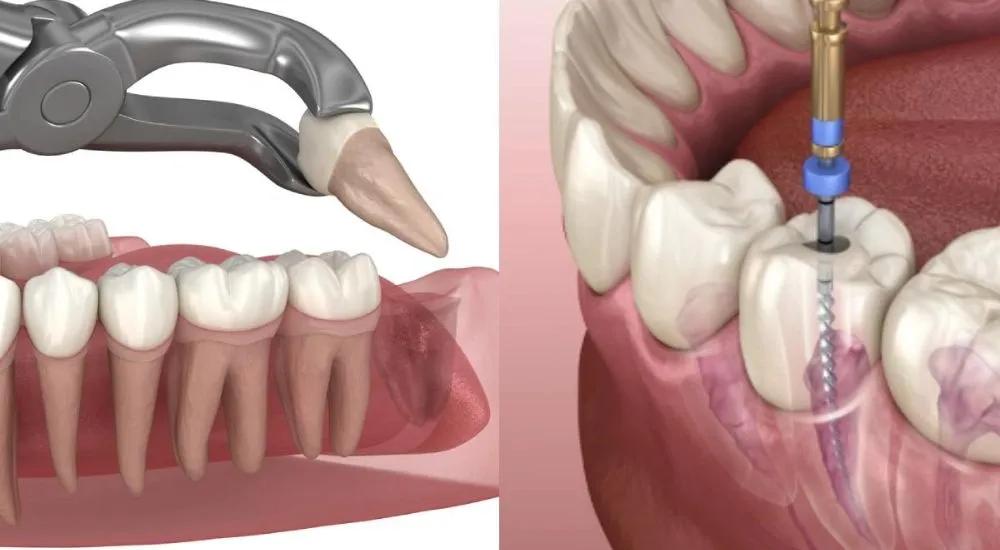
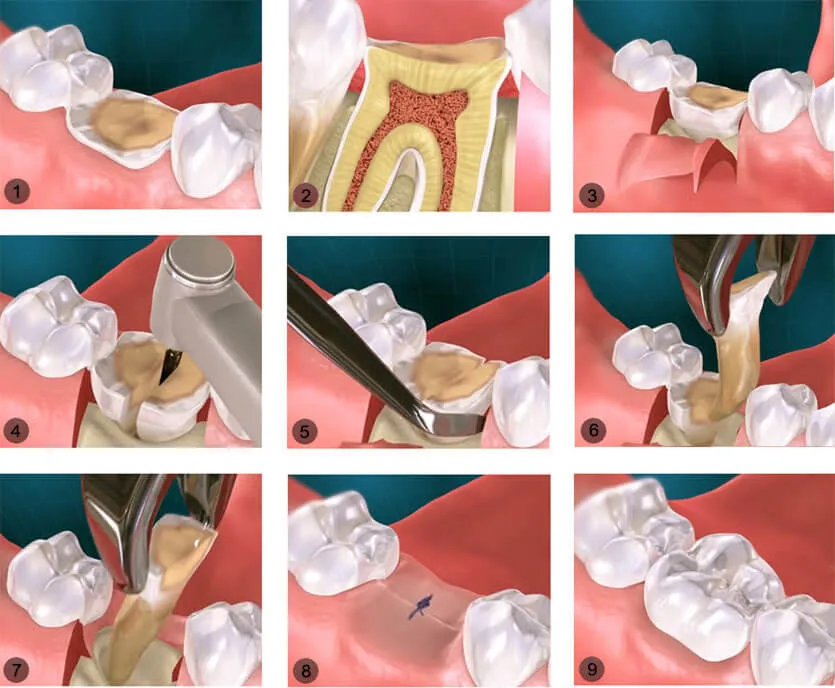
During a root canal procedure, the dentist cleans out the damaged pulp, disinfects the inner chamber of the tooth, and then seals it to prevent further infection. Finally, a dental crown is usually placed over the treated tooth to restore its strength and natural appearance. The goal is to save your original tooth instead of extracting it, allowing you to keep your full smile and bite functionality.
**Why Choose Thailand for Root Canal Treatment?**
Thailand is one of Asia’s leading destinations for dental care. From Bangkok and Chiang Mai to Phuket and Pattaya, the country has built a strong reputation for high-quality dental treatment at reasonable prices. Thai dentists are known for their professional skills, gentle approach, and excellent English communication, which makes the experience comfortable and reassuring, especially for foreigners.
Another reason Thailand stands out is the advanced equipment used in dental clinics. Most clinics are equipped with modern technologies such as digital X-rays, rotary endodontic instruments, and dental microscopes. These tools allow treatments to be more precise and less painful. Compared to prices in Western countries, the cost of root canal treatment in Thailand can be 50–70% lower, while quality standards remain high.
**Common Signs You Might Need a Root Canal**
Patients often visit the dentist only when the pain becomes unbearable. If you experience any of the following symptoms, it’s best not to delay your dental checkup:
- Persistent toothache that doesn’t go away even after taking painkillers
- Sensitivity to hot or cold food and drinks
- Swelling or tenderness around the gums
- Darkening or discoloration of a tooth
- Pimples or small bumps on the gums near the tooth
Ignoring these signs can lead to a serious infection that might spread to surrounding tissues, causing more severe pain and possibly requiring tooth extraction. Thai dentists often recommend timely root canal treatment to prevent f
urther complications.
**What to Expect During a Root Canal Procedure in Thailand**
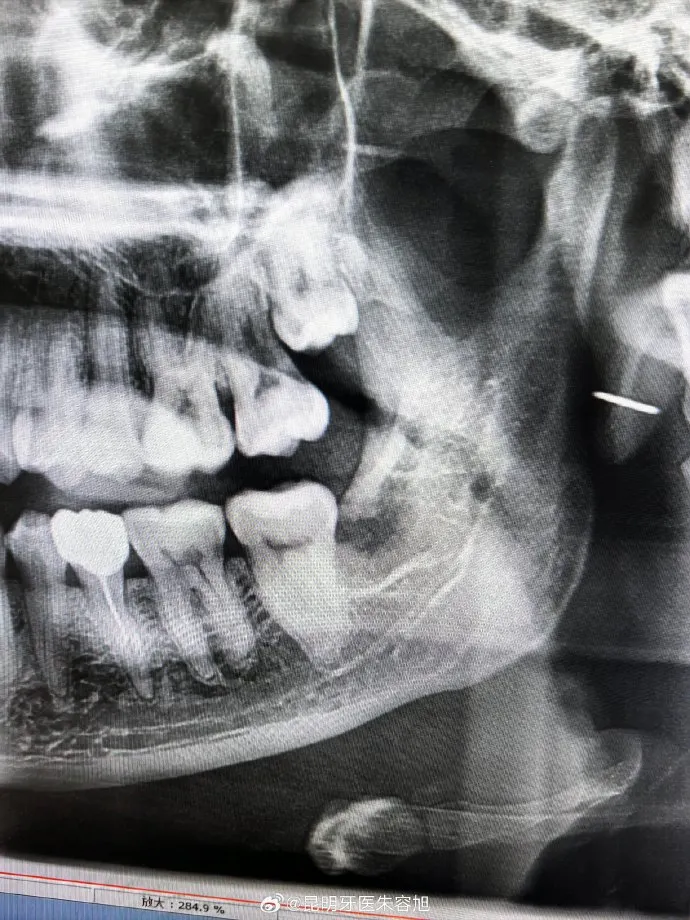
Root canal treatment in Thailand usually takes one to two visits, depending on the severity of the infection. On your first visit, the dentist will examine your tooth using X-rays to locate the affected area. After confirming the diagnosis, local anesthesia is applied to ensure a pain-free procedure. Many patients are surprised at how comfortable it actually is—modern techniques have made root canal treatments far less intimidating than they used to be.
The dentist will then remove the infected tissue, clean the canal, and shape it for filling. Once it’s disinfected, the canal is sealed with a biocompatible material to prevent bacteria from returning. In most cases, a crown is placed during the second visit to strengthen and protect the treated tooth.
Thai dental clinics often pay great attention to patient comfort. Many offer private treatment rooms, soothing music, and friendly staff who explain every step clearly. This patient-centered approach makes the whole experience much more pleasant.
**Aftercare and Healing Tips**
After a root canal treatment, your tooth might feel slightly tender for a few days, but any discomfort can be managed easily with over-the-counter pain medication. Dentists generally recommend avoiding hard or sticky foods until your tooth fully recovers. Good oral hygiene is also essential—brush twice daily, floss regularly, and attend your routine dental checkups.
Some Thai dental clinics include follow-up care as part of the package, ensuring your treated tooth remains strong and healthy. If you’re traveling in Thailand, scheduling a quick review appointment before leaving can be a smart idea for peace of mind.
**Price Range of Root Canal Treatment in Thailand**
The cost depends on factors such as the location of the clinic, the type of tooth being treated (front, premolar, or molar), and whether a crown is required. On average, a root canal in Thailand starts from around 3,000 to 8,000 THB per tooth. Adding a dental crown may increase the total to about 10,000 to 20,000 THB. Despite the affordable pricing, the quality of care remains on par with international standards, making Thailand a popular destination for dental tourism.
**Final Thoughts**
Root canal treatment doesn’t have to be something to fear. In Thailand, skilled dentists, modern technology, and warm hospitality combine to provide a smooth, effective experience for anyone dealing with painful tooth nerves. Whether you live in Thailand or plan to visit for dental care, you can rely on local clinics to help restore your smile, ease the pain, and protect your natural teeth for years to come.
If you’ve been suffering from a persistent toothache, don’t wait for it to get worse—schedule an appointment at a reputable dental clinic in Thailand. With professional care and gentle treatment, you’ll soon be smiling again, pain-free and confident.