Thailand Root Canal Treatment for Dental Pulp Infection Cases
Thailand Root Canal Treatment for Dental Pulp Infection Cases
**Thailand Root Canal Treatment for Dental Pulp Infection Cases**
When a toothache goes beyond a dull ache and turns into a constant, sharp pain, chances are the problem lies deep inside the tooth—within the dental pulp. In Thailand, one of the most common solutions for severe tooth pain caused by infection or nerve damage is root canal treatment, also known locally as “root canal therapy.” This dental procedure is well-known for saving natural teeth that would otherwise need to be extracted. With advanced dental technology, professional expertise, and affordable costs, Thailand has become a top destination for patients seeking safe and effective root canal treatment.
### Understanding Dental Pulp and Infection
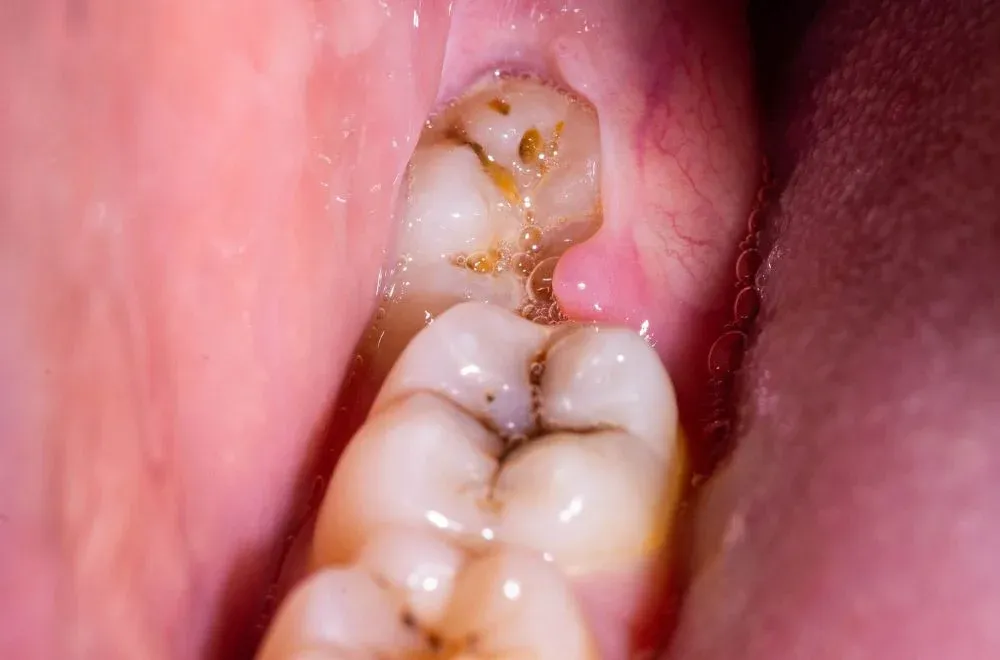
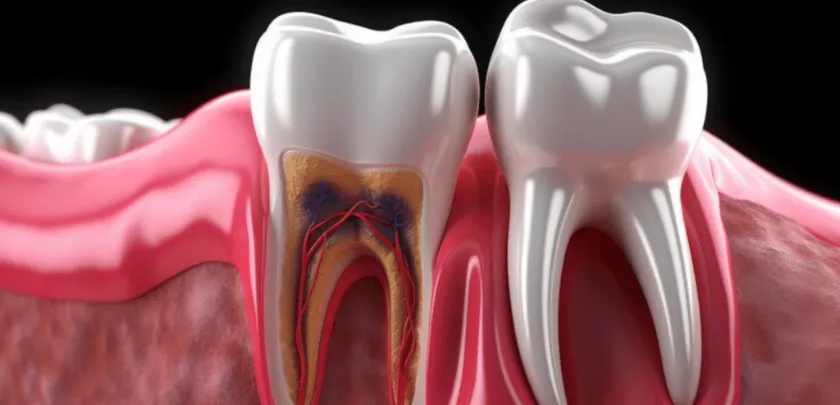
The dental pulp is the soft tissue inside the tooth that contains nerves and blood vessels. When bacteria enter the pulp due to deep decay, cracks, or trauma, it can cause inflammation and infection. This condition is commonly known as “pulpitis.” If left untreated, the infection may spread to the root tip and bone, leading to an abscess. Typical symptoms include severe toothache, pain when chewing, sensitivity to hot and cold, and gum swelling near the affected tooth.
Because the pulp is located deep inside, it cannot heal by itself once infected. This is where root canal treatment comes in—it removes the infected tissue, cleans the canals thoroughly, and seals the tooth to prevent reinfection. The result is a tooth that can function normally without pain.
### Why Thailand Is a Trusted Destination for Root Canal Treatment
Thailand has gained an international reputation for high-quality dental care at reasonable prices. From bustling Bangkok to the relaxing city of Chiang Mai and the coastal hubs of Phuket or Pattaya, dental clinics in Thailand provide world-class services that meet strict health and safety standards. Many dentists in the country are internationally trained and fluent in English, which makes communication smooth for both locals and international patients.
Root canal treatment in Thailand typically costs significantly less than in Western countries. For example, a single root canal on a molar in Thailand may range from about 5,000 to 12,000 Thai Baht (depending on the complexity), while the same procedure could be several times higher elsewhere. Despite the affordable cost, patients can expect modern equipment, sterilization following international protocols, digital imaging, and a comfortable clinical environment.
### The Root Canal Procedure: Step-by-Step in Thai Clinics
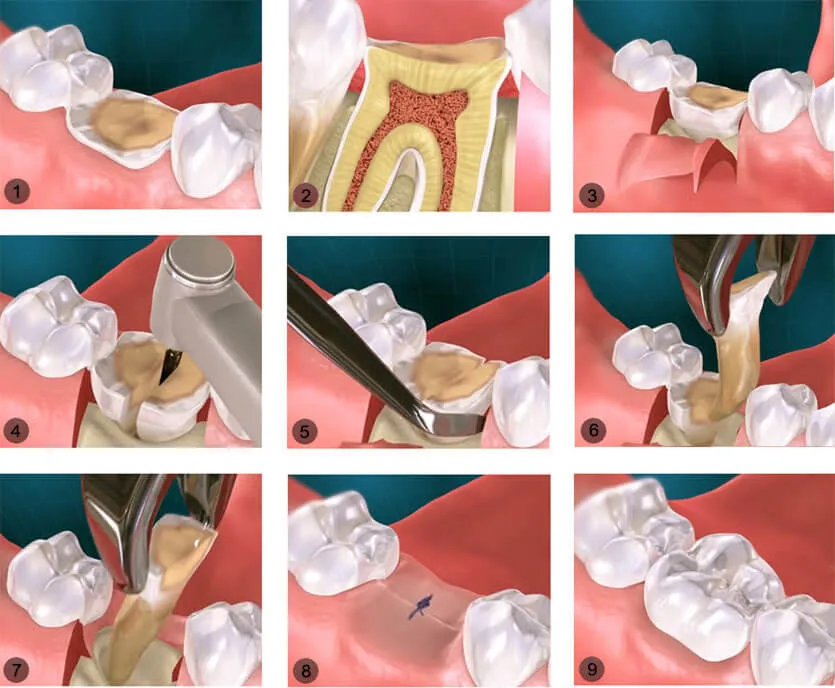
Thai dental clinics follow a systematic and gentle approach to root canal therapy. Here’s what you can generally expect during the process:
1. **Diagnosis and X-rays:**
The dentist first examines the tooth and takes dental X-rays to evaluate the extent of infection and plan the treatment accurately.
2. **Local Anesthesia:**
A local anesthetic is administered to ensure the procedure is pain-free. Most patients describe the sensation as no different from getting a regular dental filling.
3. **Pulp Removal:**
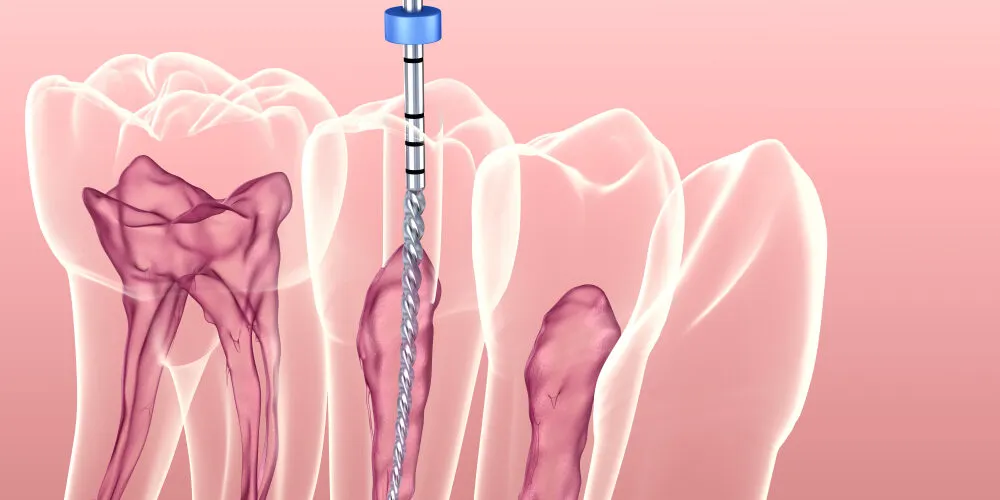
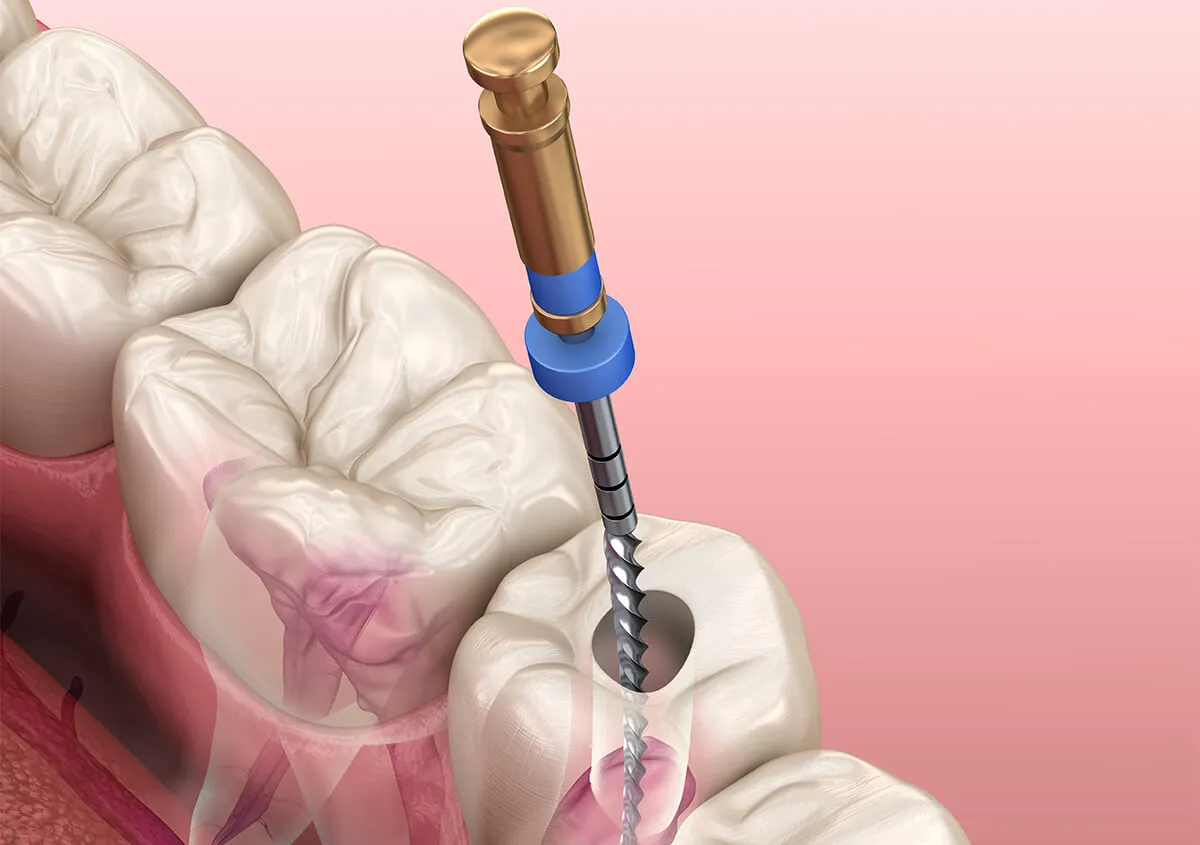
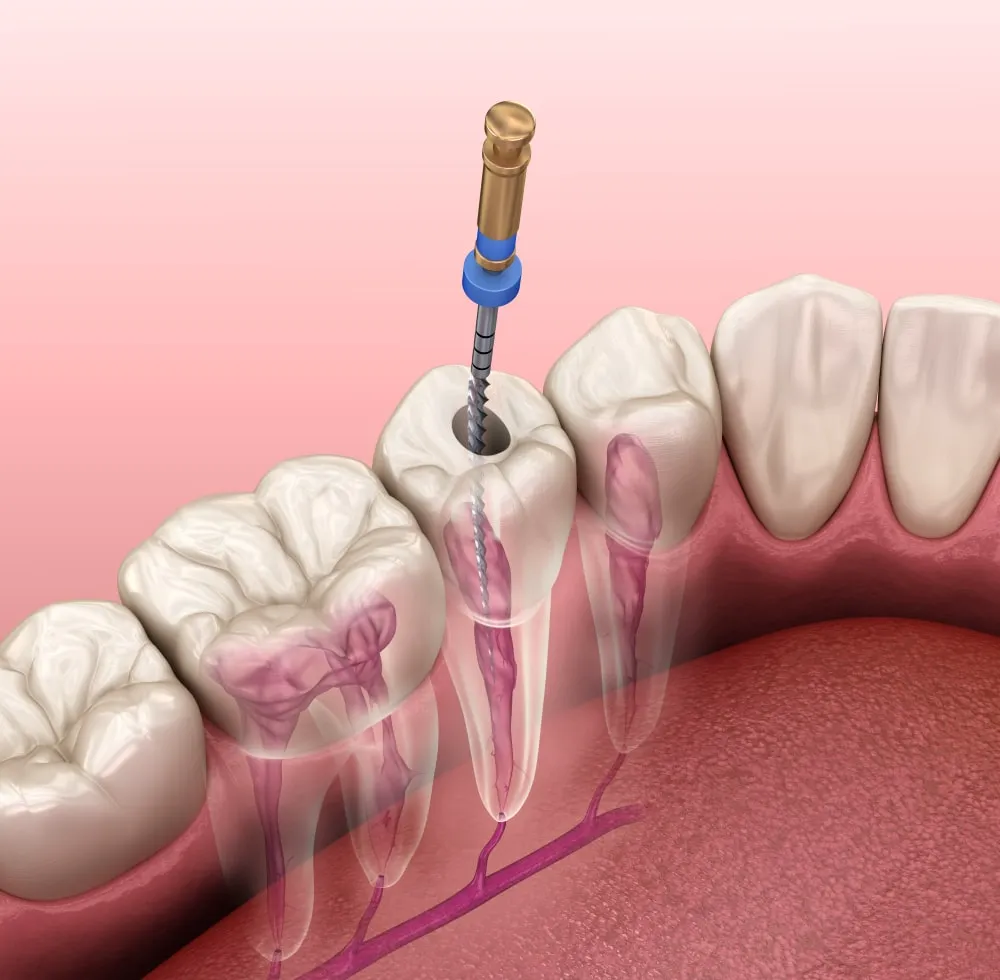
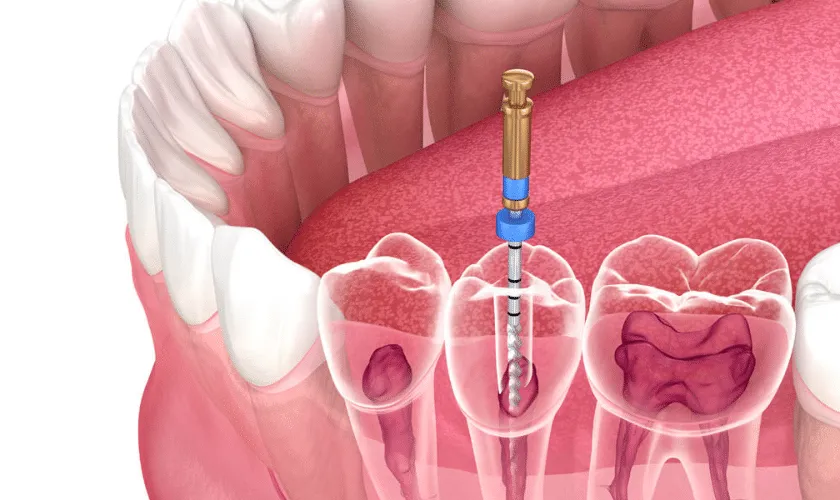
A small opening is made on the surface of the tooth. The dentist carefully removes the infected pulp and cleans the canal using specialized rotary instruments.
4. **Canal Shaping and Disinfection:**
The empty canals are shaped and flushed with disinfectant solutions to eliminate any remaining bacteria.
5. **Filling and Sealing:**
Once the canals are dry and clean, they are filled with a biocompatible material called gutta-percha and then sealed permanently.
6. **Tooth Restoration:**
After the root canal, the tooth usually requires a crown for strength and durability. Many Thai clinics can fabricate dental crowns within a few days or even on the same day, depending on technology availability.
### Aftercare and Recovery Tips
Following the treatment, mild discomfort or sensitivity may persist for a day or two, but this usually subsides with over-the-counter medication. Patients are advised to avoid chewing on the treated side until the permanent crown is placed. Good oral hygiene—brushing, flossing, and regular check-ups—helps ensure long-term success.
Thai dentists often recommend returning for a follow-up visit to confirm that healing is progressing well. When properly maintained, a tooth that has undergone root canal therapy can last for many years, even a lifetime.
### Benefits of Getting a Root Canal in Thailand
- **Affordability and Value:** Quality care at reasonable costs, with transparent pricing and no hidden charges.
- **Experienced Dentists:** Many specialists are trained in the U.S., Australia, or Europe.
- **State-of-the-Art Clinics:** Modern facilities equipped with digital imaging systems and sterile environments.
- **Convenience and Comfort:** Clinics are easily accessible, often located in central areas, shopping districts, or medical plazas.
- **Dental Tourism Options:** Patients can conveniently combine treatment with a relaxing holiday, enjoying Thailand’s cuisine, beaches, and culture.
### Preventing Dental Pulp Infection
While root canal treatment effectively resolves infections, prevention remains the best approach. Regular dental check-ups, professional cleanings, and prompt fillings help stop decay before it reaches the pulp. Good daily habits such as brushing twice a day with fluoride toothpaste, flossing, and reducing sugary foods and drinks are essential. Wearing a mouthguard during sports and avoiding biting hard objects can also prevent fractures that expose the tooth’s inner layers.
### Final Thoughts
Root canal treatment is not something anyone looks forward to, but in Thailand, it doesn’t have to be a stressful experience. With compassionate care, modern techniques, and competitive pricing, Thai dental clinics have made this once-feared procedure efficient and comfortable. If you are suffering from persistent tooth pain or swelling, it’s wise to see a dentist immediately and discuss the option of root canal therapy. Saving your natural tooth is almost always better than extraction—and in Thailand, it’s done with both expertise and a warm Thai smile.