Thailand Root Canal Therapy for Tooth Infection in Deep Cavities
Thailand Root Canal Therapy for Tooth Infection in Deep Cavities
**Thailand Root Canal Therapy for Tooth Infection in Deep Cavities**
When most people think of visiting Thailand, they imagine beautiful beaches, spicy food, and warm smiles. But there’s another side of Thailand that’s gaining growing international attention — high-quality dental care. Among various dental treatments offered, *root canal therapy* stands out as one of the most common and essential procedures for treating deep tooth infections and saving natural teeth. In Thailand, root canal therapy combines modern dental technology with professional care, often at a fraction of the cost compared to Western countries.
### Understanding Root Canal Therapy
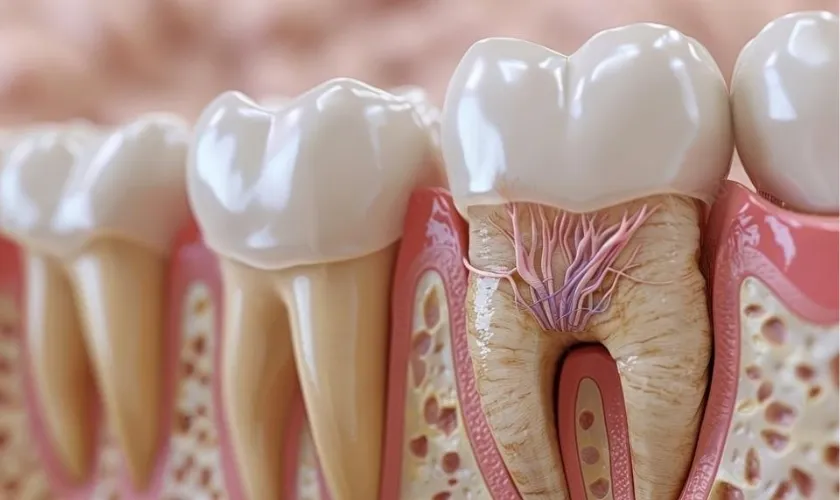
A root canal is a dental procedure designed to remove infected tissue from within a tooth. Deep cavities, cracks, or repeated dental work can allow bacteria to reach the pulp — the soft inner part of the tooth containing nerves and blood vessels. Once infection sets in, it can cause severe pain, sensitivity, swelling, or even abscess formation if left untreated.
Root canal therapy, also known as *endodontic treatment*, helps remove the infection, clean the inside of the tooth, and seal it to prevent future bacterial invasion. The main goal is to save your natural tooth rather than extract it.
### Why Tooth Infections Happen in Deep Cavities
Tooth decay normally starts small. However, when a cavity goes untreated, bacteria continue to dig deeper into the tooth structure. Eventually, the decay reaches the pulp chamber, leading to infection. Common signs that you may need a root canal include:
- Sharp or throbbing tooth pain
- Sensitivity to hot or cold drinks
- Swollen gums near a specific tooth
- Discoloration or darkening of the tooth
- Persistent bad taste in the mouth
In Thailand’s humid tropical climate, sugar intake and acidic foods are common parts of daily life, which can increase the risk of dental decay. Therefore, regular check-ups and early detection are important to prevent the need for more complex treatment later.
### The Root Canal Procedure in Thailand
Many Thai dental clinics, especially those in Bangkok, Chiang Mai, and Phuket, follow international standards for root canal therapy. The procedure usually involves the following steps:
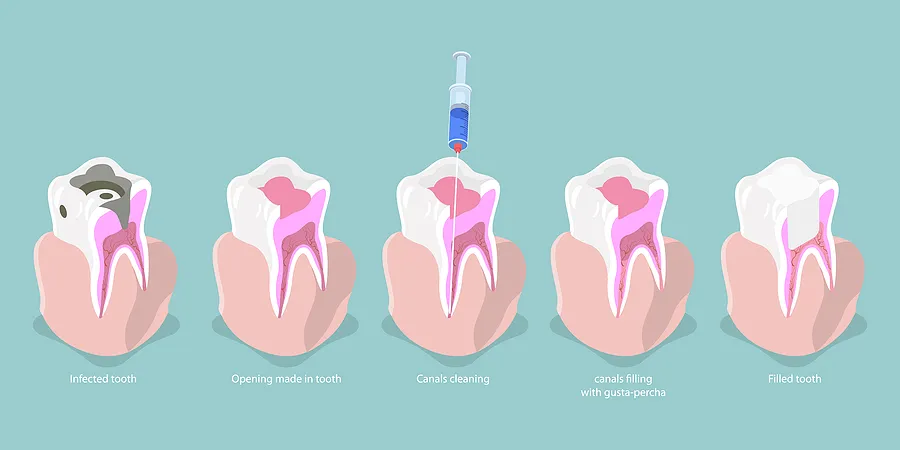
1. **Diagnosis and X-ray:** The dentist will first take a detailed X-ray to assess the extent of infection.
2. **Local Anesthesia:** To ensure comfort, the dentist numbs the affected area so the patient doesn’t feel pain during the process.
3. **Removing the Infected Pulp:** A small opening is made in the tooth to access and remove the infected tissue.
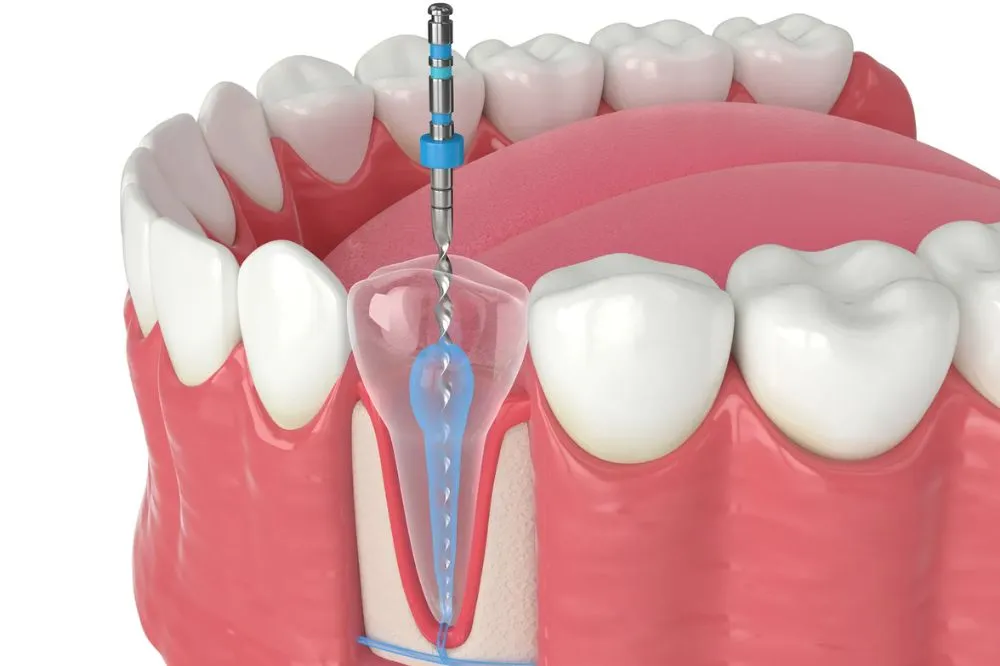
4. **Cleaning and Shaping the Canals:** Special instruments are used to clean and disinfect the root canals thoroughly.
5. **Filling and Sealing:** The canals are filled with a biocompatible material called gutta-percha, then sealed to prevent future infection.
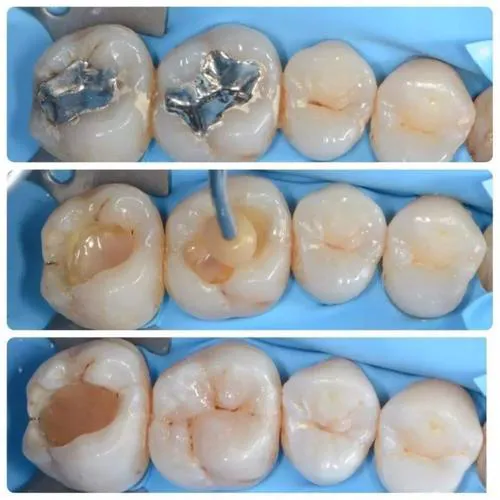
6. **Restoration:** Often, a crown is placed on the treated tooth to restore it
s strength and appearance.
The entire process may take one to two visits, depending on the severity of the infection. After the treatment, slight tenderness is normal, but pain typically fades within a few days.
### Why Many Patients Choose Thailand for Root Canal Therapy
Thailand has earned a strong global reputation for dental tourism. Here are some of the reasons patients from around the world come for root canal treatment:
1. **Affordable Cost:** Compared to the United States, Australia, or Europe, the cost of a root canal in Thailand can be 40–70% lower. Despite the lower price, the quality of materials and equipment meets international standards.
2. **Advanced Dental Technology:** Many clinics in Thailand use digital X-rays, operating microscopes, and rotary endodontic tools for precision and safety.
3. **Highly Skilled Dentists:** Most Thai dentists working in major dental centers are trained abroad or certified by global dental organizations. They are experienced in treating both local and international patients.
4. **Comfort and Hospitality:** Thai dental clinics are known for their friendly service, comfortable environment, and transparent communication. You’ll often find staff who can communicate fluently in English, making the experience stress-free.
5. **Convenient Dental Tourism:** Patients can combine dental treatment with a relaxing vacation. It’s easy to schedule appointments around sightseeing, massages, and Thai cuisine — a unique combination that few destinations can offer.
### Aftercare and Recovery Tips
After your root canal therapy, the treated tooth might feel slightly sensitive for a few days. Avoid chewing hard foods on that side until the final crown is placed. Good oral hygiene practices are essential for long-term success:
- Brush twice a day with fluoride toothpaste
- Floss daily to remove plaque buildup
- Schedule regular check-ups every six months
- Avoid excessive sugary snacks or drinks
In Thailand, many dental clinics offer follow-up appointments to ensure healing is progressing well. If you experience swelling, pain, or discomfort that lasts longer than expected, it’s best to contact your dentist immediately.
### Final Thoughts
Root canal therapy doesn’t have to be something to fear — especially when you’re in Thailand. The country’s dental professionals combine modern technology, gentle care, and warm hospitality to make the treatment process smooth from start to finish. Whether you’re a local resident or an international visitor, Thailand offers reliable dental solutions for tooth infections caused by deep cavities.
By choosing root canal therapy instead of extraction, you’re making a wise investment in your long-term oral health. With the right dental care, you can keep your natural smile for many years to come — and what better place to do it than in the Land of Smiles, where quality, affordability, and comfort come together perfectly.