Thailand Root Canal Treatment for Painful Tooth Canal Infection
Thailand Root Canal Treatment for Painful Tooth Canal Infection
**Thailand Root Canal Treatment for Painful Tooth Canal Infection**
If you’ve ever experienced a severe toothache that keeps you awake at night, you know how unbearable dental pain can be. Many people in Thailand face this problem due to untreated tooth decay or infection deep inside the tooth. When the nerve or pulp becomes infected, the best way to save the tooth is through root canal treatment. In Thailand, modern dental clinics offer advanced root canal treatments that are comfortable, affordable, and effective for patients dealing with painful tooth canal infections.
### Understanding Root Canal Treatment
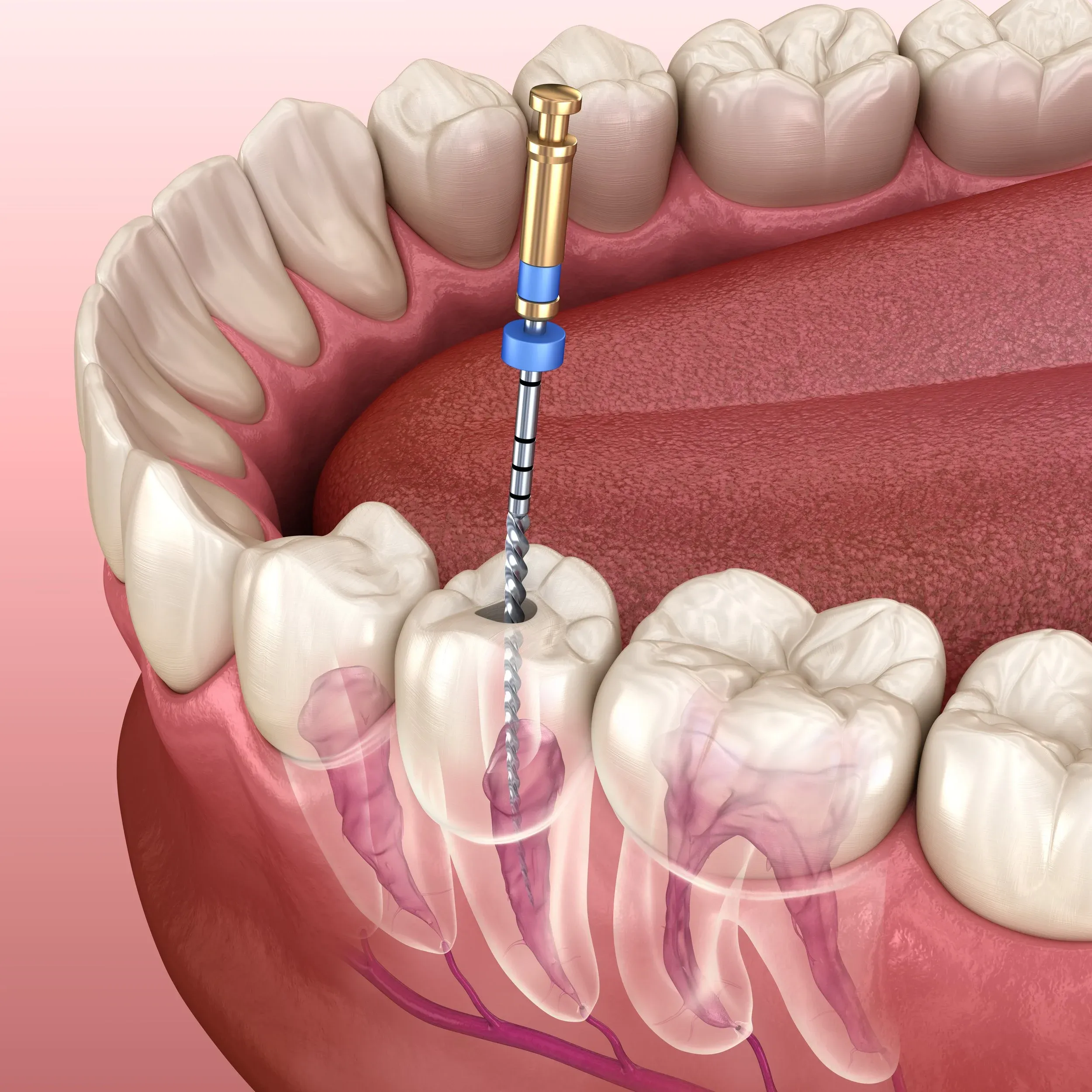
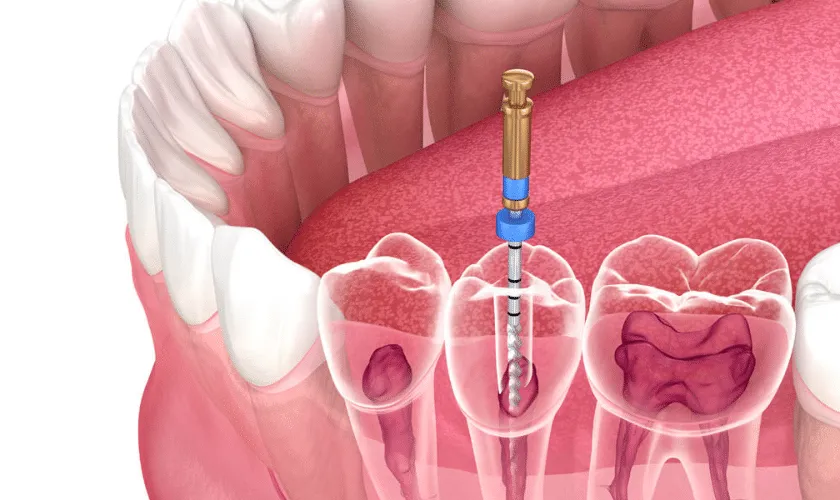
Root canal treatment, or **endodontic therapy**, is a dental procedure designed to remove bacteria and infected tissue from inside the tooth. The dentist carefully cleans out the infected pulp, disinfects the inner canal, and seals it to prevent further infection. This allows the natural tooth to be preserved rather than extracted. Thanks to improved dental technology and gentle techniques, root canal treatment in Thailand today is much less painful than most people imagine.
### Common Causes of Tooth Canal Infection
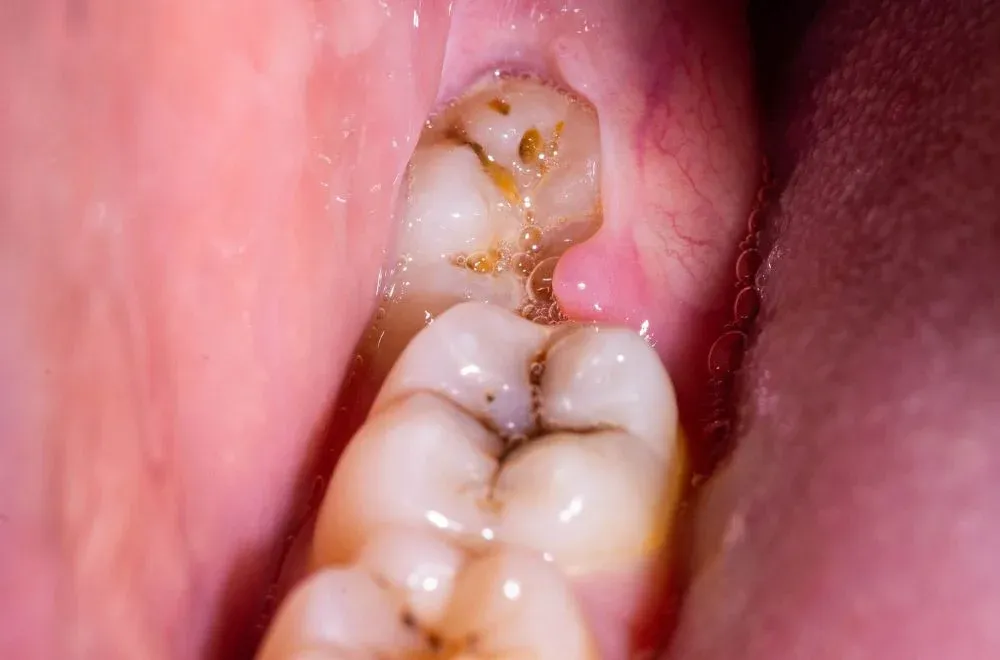
The pulp inside a tooth can become infected or inflamed due to several reasons:
- **Deep cavities** that reach the inner nerve
- **Cracked or chipped teeth** from accidents or biting hard foods
- **Repeated dental procedures** on the same tooth
- **Untreated gum disease** leading to bacterial spread
When infection sets in, it doesn’t heal on its own. Ignoring it can cause swelling, pus formation, and even severe bone loss around the affected tooth. If left too long, the infection can spread to other parts of the body, leading to serious health issues. That’s why timely treatment from a professional Thai dentist is so important.
### Signs You May Need a Root Canal
Many people in Thailand mistakenly believe that tooth pain will go away by itself. However, certain symptoms are signals that a root canal might be necessary:
- Persistent toothache, especially when chewing or touching the tooth
- Sensitivity to hot and cold that lingers
- Swelling or tenderness in nearby gums
- Tooth darkening or discoloration
- A small pimple-like bump on the gums that may release pus
If you notice any of these symptoms, it’s wise to visit a dental clinic as soon as possible. Early diagnosis can often prevent tooth loss and reduce treatment time.
### Why Choose Thailand for Root Canal Treatment
Thailand has become one of Asia’s leading dental tourism destinations, and for good reason. The quality of dental care here rivals that of Western countries, but the prices are considerably lower. Bangkok, Chiang Mai, Phuket, and Pattaya are home to internationally accredited dental clinics offering world-class root canal treatment services.
Here are several reasons why patients—both locals and international visitors—opt for **root canal treatment in Thailand**:
1. **Affordable Cost:**
Root canal treatment in Thailand is often 40–70% less expe
nsive than in Europe, Australia, or the United States. Many clinics offer clear pricing with no hidden fees.
2. **High-Quality Dental Care:**
Thai dentists are renowned for their gentle approach, excellent English communication skills, and professional training. Many have studied or gained certifications abroad.
3. **Advanced Technology:**
Clinics use digital X-rays, dental microscopes, and rotary instruments to ensure precise and pain-free treatment. Some clinics even offer laser-assisted root canal therapy for improved comfort.
4. **Convenient Appointments:**
Dental clinics in Thailand are known for their efficiency. You can often schedule your consultation and treatment quickly, even if you’re visiting the country for a short holiday.
5. **Comfortable Atmosphere:**
Many clinics provide spa-like environments to help patients feel relaxed. Friendly staff, calm music, and soothing interiors make dental visits less stressful.
### The Treatment Process
A typical root canal treatment in Thailand involves a few key steps:
1. **Diagnosis and X-ray:**
The dentist examines your tooth and takes an X-ray to see the extent of the infection.
2. **Local Anesthesia:**
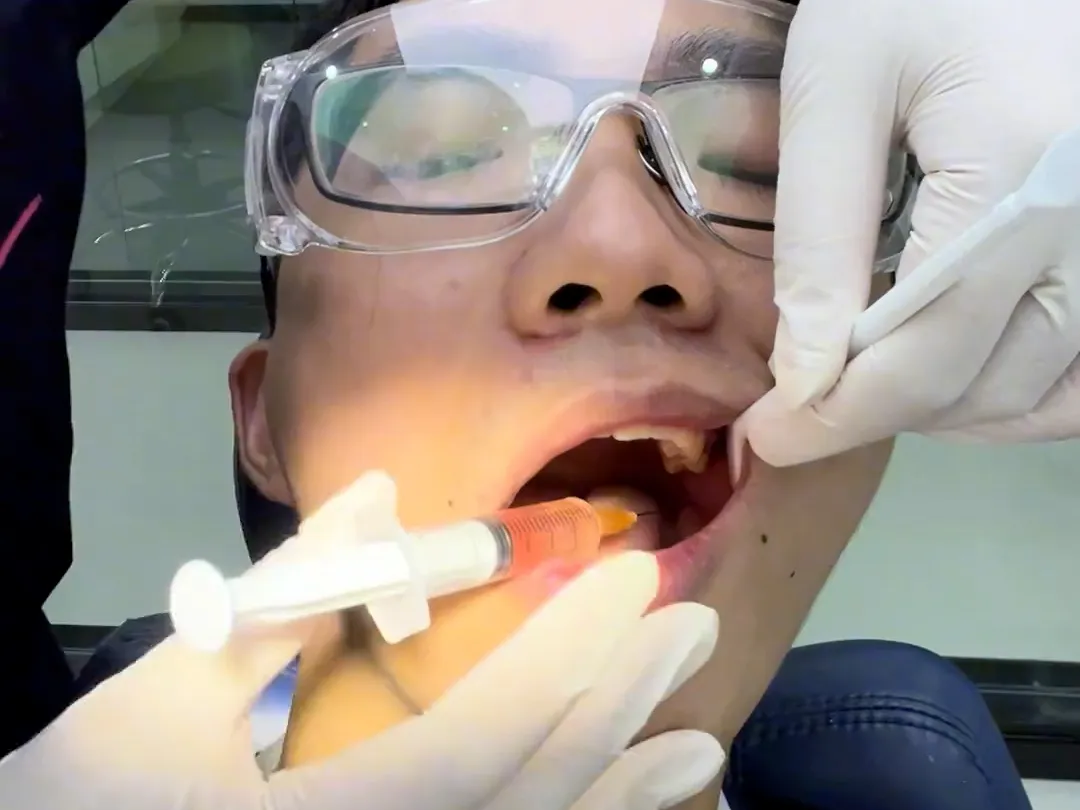
Most clinics use modern anesthetic techniques to ensure that the procedure is virtually painless.
3. **Cleaning and Shaping:**
The infected pulp is removed, and the inner canal is cleaned, disinfected, and shaped for filling.
4. **Filling and Sealing:**
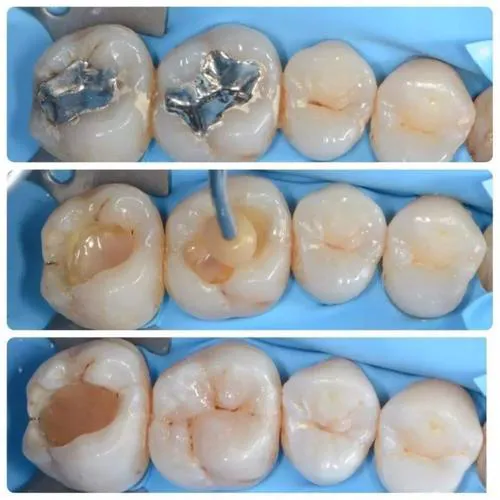
After cleaning, the canal is filled with a rubber-like material to seal it off from future infection.
5. **Crown Placement:**
To restore strength and appearance, a dental crown may be placed over the treated tooth.
The entire process might take one or two visits, depending on the complexity of the infection. Thai dentists usually provide clear aftercare instructions and thorough follow-ups to ensure smooth recovery.
### Aftercare Tips
After completing a root canal, you may experience mild soreness for a few days. This is normal and can be managed with over-the-counter pain relief. To maintain your newly treated tooth:
- Avoid chewing on hard foods until the crown is placed
- Maintain good oral hygiene with brushing and flossing
- Keep up with regular dental checkups
- Reduce sugary snacks and acidic drinks
Following these steps helps ensure that your treated tooth lasts a lifetime.
### Restoring Your Smile and Comfort
A painful tooth canal infection doesn’t have to ruin your day—or your smile. With advanced root canal treatment in Thailand, you can save your natural tooth, relieve pain, and restore full function at a reasonable cost. Whether you’re a resident or a dental tourist, Thailand’s dentists are committed to giving you a smooth, comfortable, and trusted dental experience.
If you’ve been struggling with lingering tooth pain or sensitivity, now is the perfect time to consult a dentist in Thailand. Early care not only ends the discomfort but also protects your oral health for years to come.