Thailand Root Canal Therapy for Tooth Infection Treatment Planning
Thailand Root Canal Therapy for Tooth Infection Treatment Planning
**Thailand Root Canal Therapy for Tooth Infection Treatment Planning**
When you start feeling a sharp pain in your tooth or notice swelling around your gums, it’s easy to dismiss it as a minor problem. However, in Thailand, dentists often remind patients that tooth pain could be a sign of infection deep inside the tooth structure. This is where **root canal therapy** comes in. It’s not as scary as it sounds—in fact, it’s one of the most effective ways to save a damaged or infected tooth. Understanding how the treatment works and how to plan for it can help you make an informed decision about your dental health.
### What Is Root Canal Therapy?
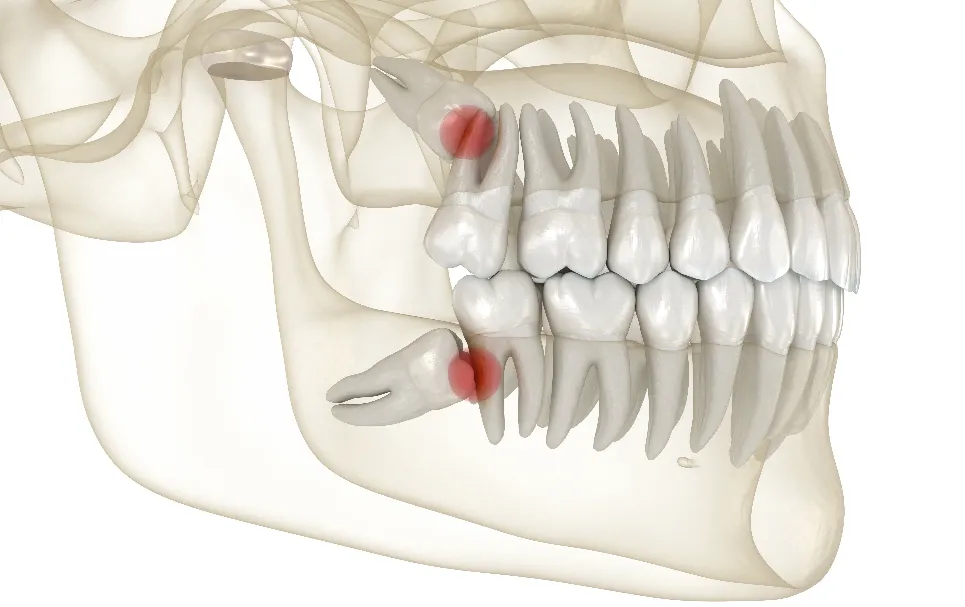
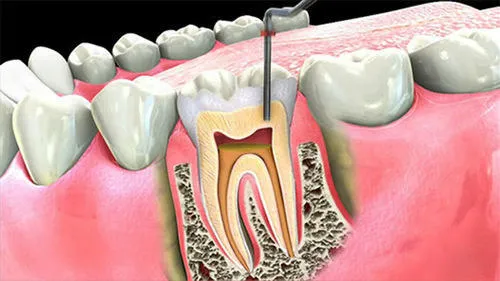
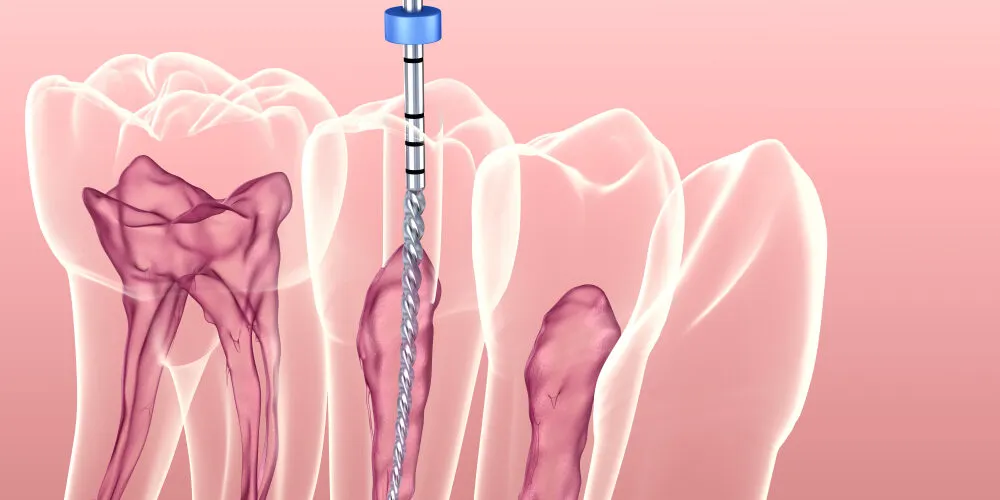
Root canal therapy is a dental procedure that treats infection at the center of a tooth. Inside every tooth, there’s a soft tissue called pulp, which contains nerves and blood vessels. When this pulp becomes infected due to decay, cracks, or injury, it can cause severe pain and lead to abscess formation if not treated. The purpose of a root canal is to remove the infected pulp, clean the root canals thoroughly, and seal the space to prevent future infection.
In Thailand, root canal therapy is a common and highly successful treatment offered by both general dentists and specialist **endodontists**. Thanks to modern technology and improved dental anesthetics, the procedure is now relatively painless and provides relief almost immediately.
### Why Root Canal Therapy Might Be Necessary
Tooth infection is not something to wait out or treat only with antibiotics. When bacteria reach the pulp area, the infection won’t heal on its own. Common symptoms that signal you might need root canal therapy include:
- Continuous toothache, especially when chewing or biting
- Sensitivity to hot or cold drinks that lingers
- Swelling and tenderness in nearby gums
- A darkened or discolored tooth
- A visible pimple-like bump on the gums (called a dental abscess)
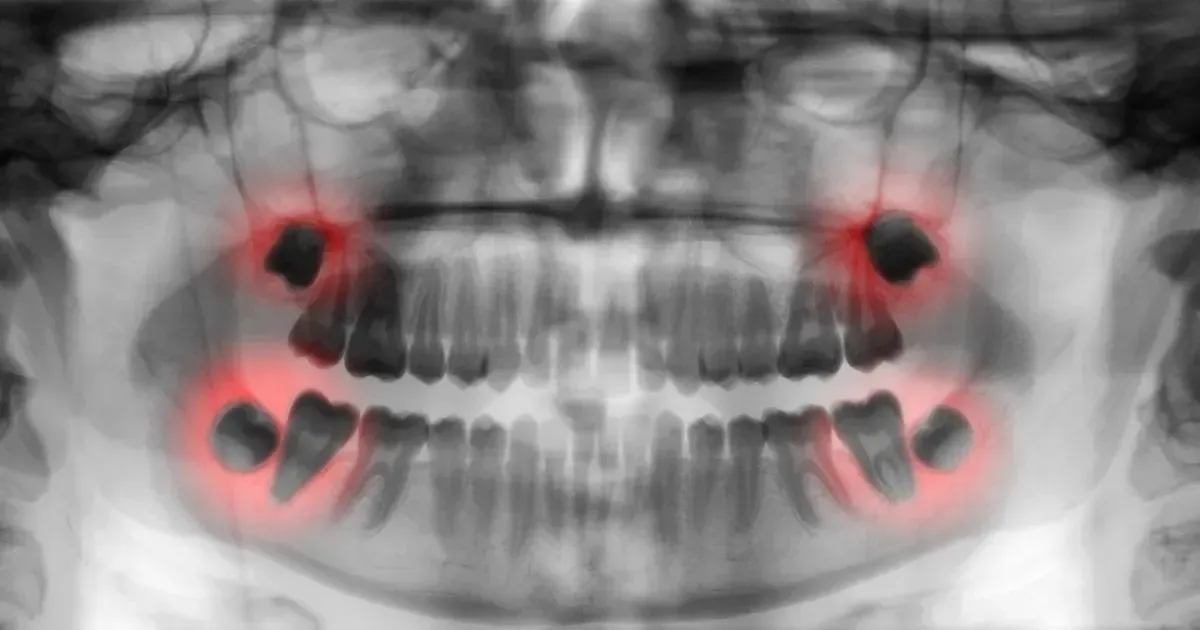
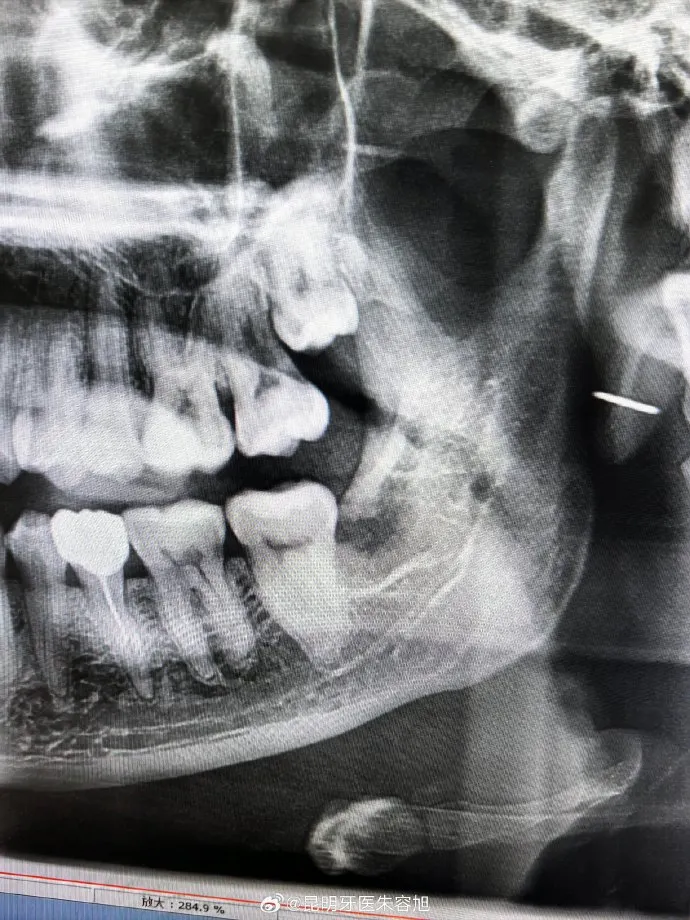
If you experience any of these signs, visiting a dental clinic in Thailand for an examination is the next logical step. Most reputable clinics provide advanced digital X-rays to pinpoint the infection and recommend the best treatment.
### Treatment Planning for a Root Canal in Thailand
One of the advantages of having dental care in Thailand is the professional and personalized approach to treatment planning. At your initial consultation, the dentist will conduct a detailed evaluation, including clinical examination and imaging. Based on the condition of your tooth and surrounding tissues, a treatment plan will be prepared.
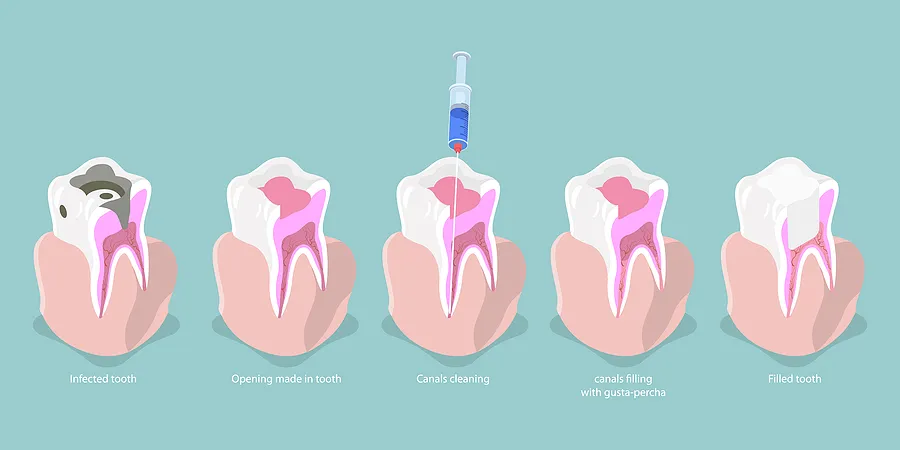
**Step 1: Diagnosis and Assessment**
The dentist identifies the infected tooth and evaluates the extent of the damage. If the pulp is irreversibly infected or dead, a root canal is recommended instead of extraction. Digital X-rays and sometimes 3D scans are used to obtain precise information.
**Step 2: Preparation and Anesthetic Application**
Before the procedure begins, a local anesthetic is administered to ensure maximum comfort. Thai dentists are known for their gentle technique and communication, often reassuring patients throughout the treatment.
**Step 3: Cleaning and Shaping the Canals**
After the infected pulp is removed, the dentist meticulously cleans and shapes the canals using fine instruments. This st
ep is crucial to remove bacteria and prepare the space for filling.
**Step 4: Filling and Sealing**
The cleaned canal system is filled with a biocompatible material, typically gutta-percha, and tightly sealed. This prevents bacteria from re-entering the tooth.
**Step 5: Restoration**
Most teeth treated with root canal therapy require a crown or permanent filling to restore strength and function. Your dentist will recommend durable materials like ceramic or zirconia which are popular choices in Thailand for aesthetic reasons.
### What to Expect During and After Treatment
Many international patients are pleasantly surprised to learn that root canal therapy in Thailand is comfortable and efficient. The procedure typically takes one or two visits depending on the complexity. Some mild soreness after treatment is normal, but it usually subsides within a few days. Dentists may prescribe pain relievers or antibiotics if necessary.
After the procedure, maintaining good oral hygiene is essential. Brushing twice daily, flossing, and attending regular check-ups will protect your restored tooth and prevent reinfection. If your dentist places a temporary filling, don’t delay your follow-up appointment for the permanent restoration.
### Why Choose Thailand for Root Canal Therapy
Thailand has become an attractive destination for both locals and foreigners seeking dental treatment. The reasons go beyond affordability. Thai dental clinics are renowned for:
- Highly trained dentists and endodontic specialists
- Modern equipment and sterilization standards
- Transparent pricing and detailed consultation before treatment
- Warm hospitality and comfortable clinic environments
Bangkok, Chiang Mai, Pattaya, and Phuket have numerous dental centers offering professional root canal therapy. Many clinics cater to international patients with English-speaking staff, flexible scheduling, and online consultation options.
### Cost Consideration and Value
Root canal therapy in Thailand is generally more cost-effective than in Western countries. Depending on the complexity and location, prices usually range from around THB 4,000 to THB 15,000 per tooth, excluding crown placement. Despite the lower cost, patients can expect high standards of care, comparable to international dental practices.
It’s important to remember that saving your natural tooth through root canal therapy is often more beneficial in the long term than having it extracted and replaced with a dental implant or bridge.
### Final Thoughts
Root canal therapy is not something to fear—it’s a reliable solution that can save your natural tooth and keep your smile healthy for years. In Thailand, with skilled dentists, modern facilities, and patient-centered care, you can undergo this treatment with confidence. The key is proper **treatment planning**, timely diagnosis, and following post-treatment recommendations.
If you’re experiencing persistent tooth pain or suspect an infection, don’t postpone a dental visit. Schedule a check-up at a trusted Thai dental clinic and discuss the possibility of root canal therapy. Early intervention leads to better results, and Thailand offers all the expertise and comfort you need to make that experience as easy and reassuring as possible.