Thailand Root Canal Therapy for Severe Dental Infection Pain
Thailand Root Canal Therapy for Severe Dental Infection Pain
**Thailand Root Canal Therapy for Severe Dental Infection Pain**
When a toothache becomes so intense that even painkillers can’t help, it may be a sign of a deeper problem inside the tooth. For many people in Thailand, root canal therapy has become a trusted solution for treating severe dental infection pain while preserving the natural tooth. With modern dental technology, skilled specialists, and reasonable costs, Thailand offers some of the best options in Southeast Asia for this essential dental treatment.
### Understanding Root Canal Therapy
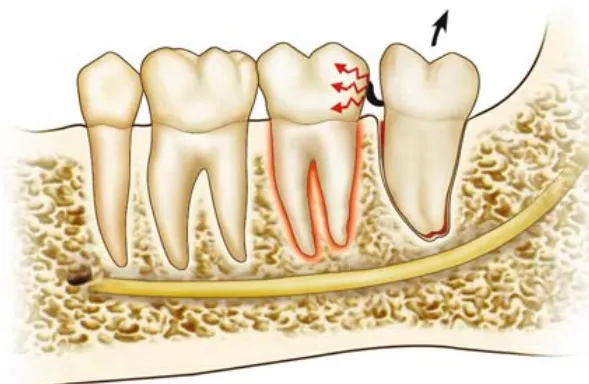
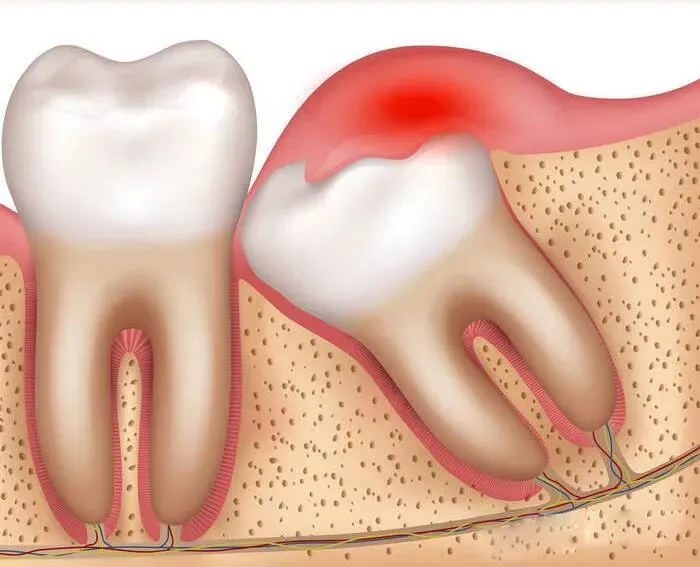
A root canal is a procedure designed to remove infection from inside a tooth. Deep within every tooth is a space called the pulp chamber, filled with nerves and blood vessels. When bacteria enter this chamber through a deep cavity or crack, the pulp can become infected. If left untreated, the infection can spread to the surrounding tissues, causing swelling, severe pain, and even abscess formation.
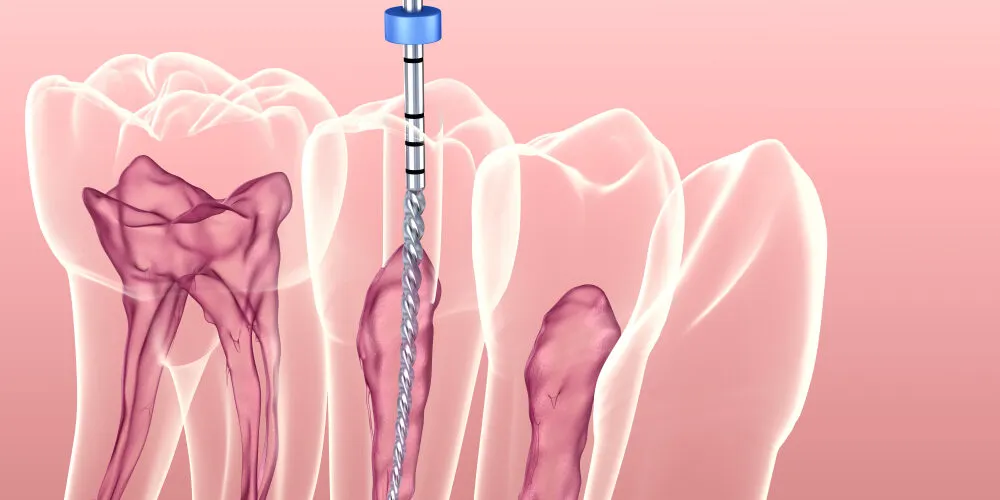
Root canal therapy removes the infected pulp, disinfects the area, and seals the tooth to prevent further infection. Contrary to what many fear, the treatment is not painful — in fact, it helps relieve the existing pain. In Thailand, most dental clinics use advanced anesthetic techniques and modern rotary instruments, making the procedure quick and comfortable.
### Why Root Canal Therapy Is Necessary
Some patients try to tolerate tooth pain, hoping it will go away. However, once the pulp is infected, it cannot heal by itself. Without treatment, the infection can spread to the jawbone or even cause systemic issues. Root canal therapy not only preserves the tooth but also restores normal chewing and prevents shifting of nearby teeth.
In Thailand, experienced endodontists (root canal specialists) carefully assess each case through digital X-rays and 3D imaging. This ensures precise diagnosis and helps determine whether a root canal or extraction is the best choice. The goal is always to save the tooth whenever possible.
### What to Expect During the Procedure
A typical root canal therapy in Thailand is done in one or two visits, depending on the severity of the infection. Here’s what usually happens:
1. **Diagnosis and Consultation:** The dentist examines the tooth and takes X-rays to identify the extent of infection.
2. **Local Anesthesia:** The dentist numbs the area to ensure complete comfort.
3. **Cleaning the Canal:** The infected pulp is removed, and the canal is cleaned with antibacterial solutions.
4. **Filling and Sealing:** The space is filled with a medical-grade material called gutta-percha, then sealed with a temporary or permanent filling.
5. **Crown Placement:** In most cases, a crown is placed over the treated tooth to restore strength and appearance.
Many dental clinics in Thailand, especially in Bangkok, Chiang Mai, Phuket, and Pattaya, offer same-day crowns using digital CAD/CAM technology, which adds convenience for both local and international patients.
### B
enefits of Root Canal Therapy in Thailand
**1. Pain Relief and Improved Oral Health**
The primary advantage is immediate pain relief. Once the infection is cleaned out, the inflammation subsides, and the tooth can function normally.
**2. Tooth Preservation**
Keeping your natural tooth helps maintain chewing efficiency and jawbone structure, which is always better than extraction followed by an implant or bridge.
**3. Affordable Treatment Costs**
Thailand is well-known for offering high-quality dental care at a fraction of Western prices. A root canal therapy that may cost several hundred dollars abroad can often be completed in Thailand for much less, without compromising standards.
**4. Skilled Dentists and Modern Clinics**
Many Thai dentists are internationally trained and fluent in English. Clinics in popular areas are equipped with world-class facilities, using sterilization and technology that meet global standards.
**5. Dental Tourism Combination**
For visitors traveling for dental care, Thailand’s rich culture, relaxing atmosphere, and affordable accommodation make it easy to combine treatment with a holiday. The phrase “dental tourism” truly applies here — patients recover while enjoying Thai hospitality and scenic attractions.
### How to Take Care After a Root Canal
After the procedure, mild discomfort is normal for a day or two, but it should fade quickly. Dentists usually recommend avoiding hard foods until the permanent crown is placed. Proper oral hygiene — brushing twice daily, flossing, and using mouthwash — keeps the treated tooth healthy in the long term.
It’s also essential to visit your dentist for checkups every six months. Preventive care helps you avoid future issues like chipped fillings or reinfection. In Thailand, follow-up care is usually easy and affordable, with clinics offering convenient appointment systems and reminders via Line or WhatsApp.
### When to See a Dentist
If you notice persistent tooth pain, sensitivity to hot or cold, swelling around the gums, or a darkened tooth color, don’t delay seeking advice. The earlier the treatment begins, the better the chance to save the tooth and prevent further pain.
In Thailand, walk-in dental consultations are available at most clinics, and many even offer same-day appointments. Whether you live locally or are visiting as a tourist, you can easily find English-speaking staff who make the experience smooth and reassuring.
### Final Thoughts
Root canal therapy may sound intimidating, but in Thailand, it’s an effective and comfortable solution for severe dental infection pain. With modern technology, compassionate dentists, and affordable pricing, Thailand continues to earn its reputation as a leading destination for dental care in Asia.
Whether you’re struggling with a painful tooth or simply need expert advice, trust that Thailand’s dental professionals can help restore your smile — gently, safely, and with genuine Thai care.