Thailand Root Canal Treatment for Dental Pulp Infection Removal
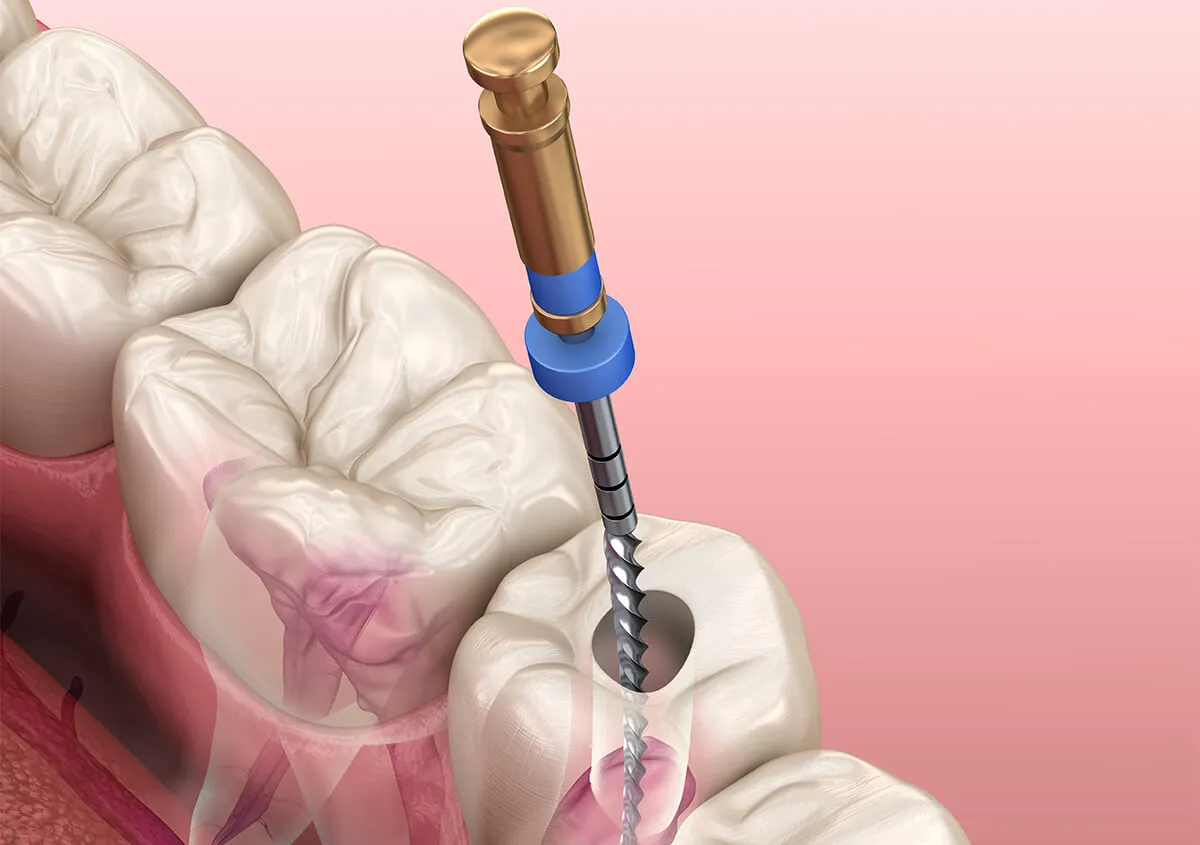
Thailand Root Canal Treatment for Dental Pulp Infection Removal
**Thailand Root Canal Treatment for Dental Pulp Infection Removal**
When a toothache starts to throb and doesn’t go away, it might not just be a minor dental issue. Many people in Thailand experience dental pulp infections, which can lead to serious pain and sensitivity if not treated promptly. One of the most effective solutions for saving a natural tooth with damaged or infected pulp is a **root canal treatment**. In Thailand, dental clinics are well-known for offering high-quality root canal therapy at affordable prices, making the country one of Asia’s top destinations for dental care.
### Understanding Dental Pulp Infection
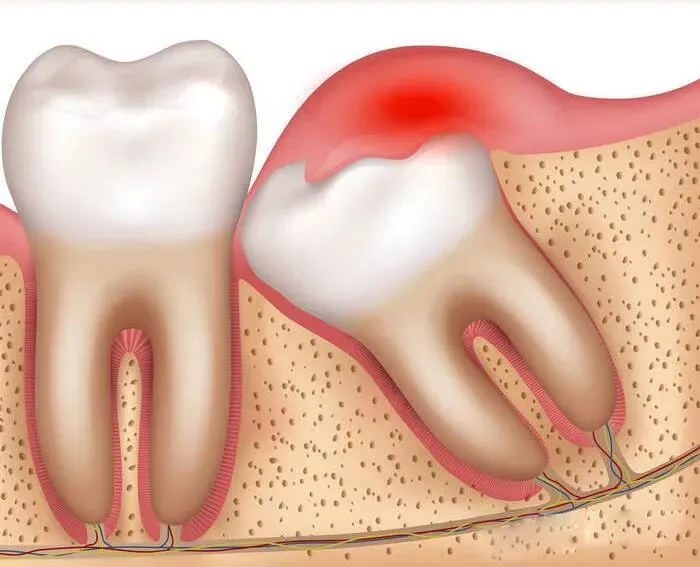
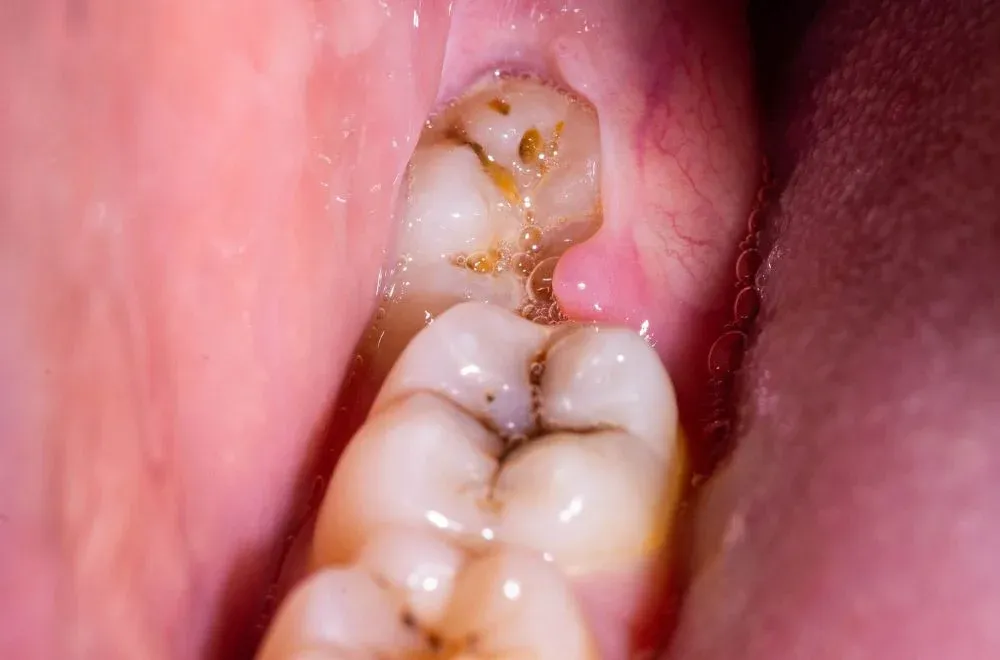
Inside every tooth lies a soft tissue called the **dental pulp**. It contains nerves, blood vessels, and connective tissue that keep the tooth alive and healthy. When bacteria reach the pulp due to deep decay, cracks, or repeated dental procedures, infection or inflammation can occur. This infection may result in severe pain, swelling, or even the formation of an abscess at the root tip. If left untreated, the infection may spread to surrounding tissues and cause further complications.
### When You Might Need a Root Canal
Some common symptoms that may indicate the need for root canal treatment include:
- Persistent toothache or throbbing pain
- Sensitivity to hot or cold that lingers
- Swelling of the gums near the affected tooth
- Discoloration or darkening of the tooth
- Tenderness when chewing or biting
If you notice these signs, visiting a **dentist in Thailand** for an evaluation is essential. Early intervention can often prevent tooth extraction and restore dental comfort effectively.
### What Happens During Root Canal Treatment in Thailand
Thai dental clinics usually follow international standards in root canal therapy. The procedure is typically carried out under local anesthesia, ensuring the treatment is comfortable and painless. Here’s what you can expect during the process:
1. **Diagnosis and X-rays:**
The dentist first examines the tooth and takes digital X-rays to assess the extent of infection and determine the shape of the root canals.
2. **Anesthesia and Isolation:**
After numbing the area, the dentist places a rubber dam over the tooth to keep it dry and free from saliva during the procedure.
3. **Pulp Removal and Cleaning:**
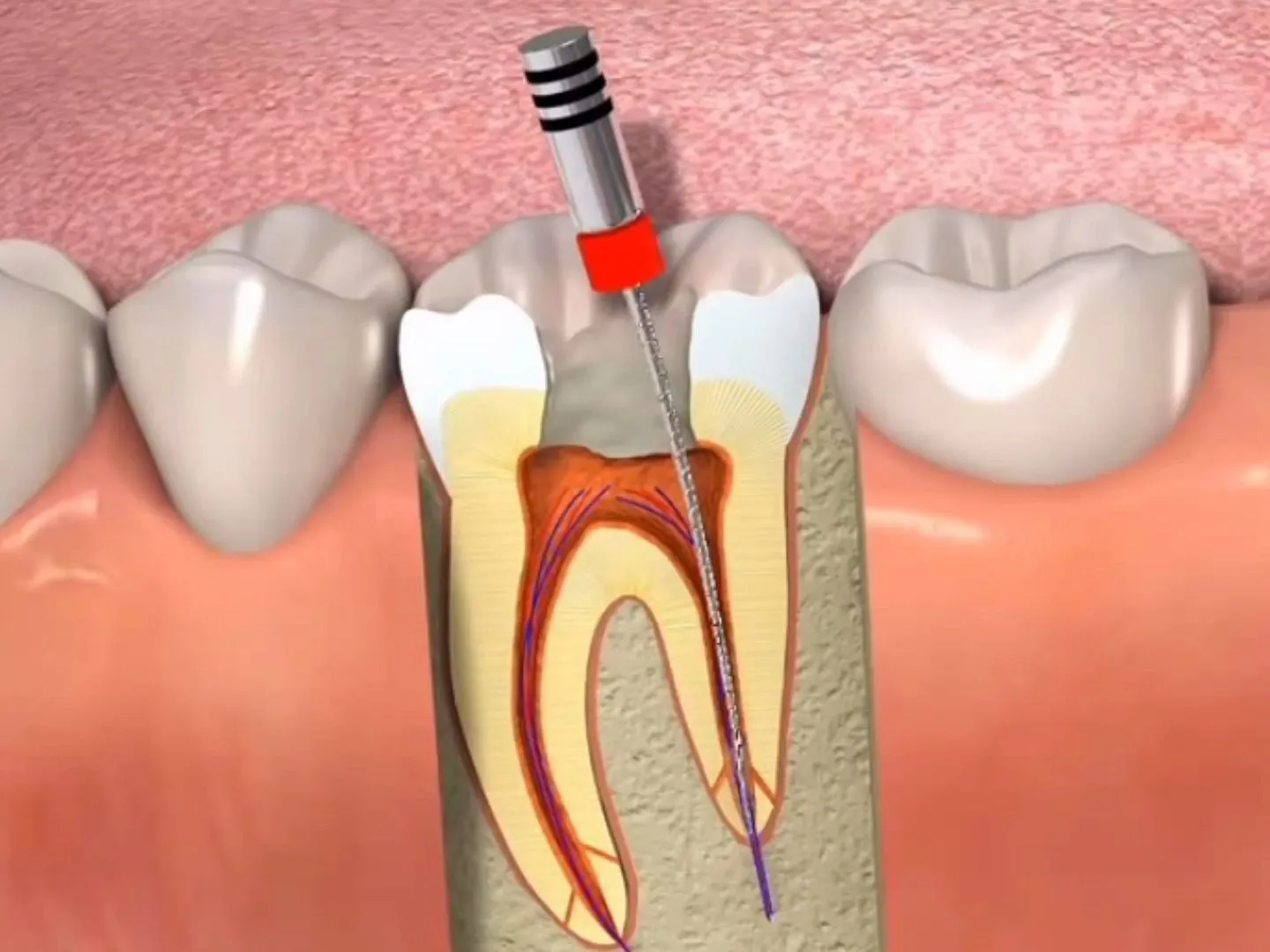
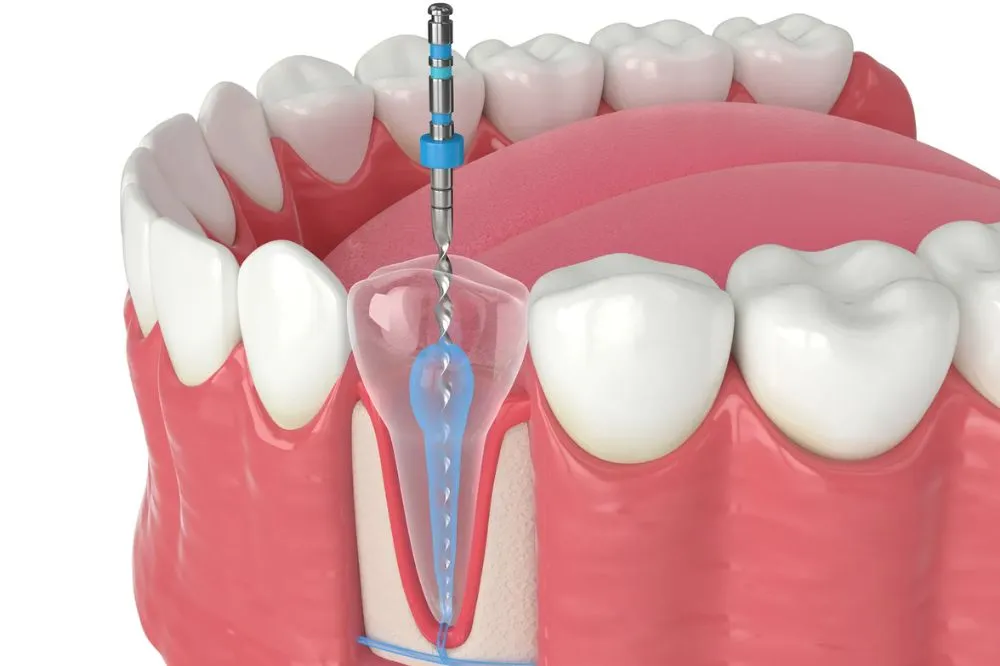
The infected pulp is carefully removed from the canal using fine dental instruments. The canals are then cleaned and disinfected to eliminate any remaining bacteria.
4. **Filling and Sealing:**
Once the canal is properly cleaned, it is filled with a biocompatible material called **gutta-percha**, and the opening is sealed to prevent further infection.
5. **Restoration:**
Finally, the tooth is restored with a filling or a dental crown to strengthen and protect it from future damage.
Depending on the complexity, a root canal may require one or two visits to complete. Many **Bangkok dental clinics
** and provincial dental centers in Chiang Mai, Phuket, or Pattaya can perform these treatments efficiently with modern equipment and highly trained specialists.
### Why Choose Thailand for Root Canal Treatment
**1. High Standard of Care:**
Thailand’s dental industry is internationally recognized for its advanced technology and skilled practitioners. Most dentists, especially in major cities, are fluent in English and have training from overseas dental schools.
**2. Affordable Cost:**
Root canal treatment in Thailand is considerably more affordable than in Western countries, often at a fraction of the price. Despite the lower cost, quality remains world-class. This attracts not only local residents but also many international dental tourists.
**3. Modern Dental Facilities:**
Thai dental clinics feature digital imaging, rotary endodontic tools, and advanced sterilization systems. Patients can enjoy a relaxing, spa-like environment while receiving professional care.
**4. Combination of Treatment and Tourism:**
Many people choose Thailand for dental care because they can combine it with a vacation. After treatment, recovering in a tropical paradise like Phuket or Chiang Mai can make the dental experience much more pleasant.
### Aftercare and Recovery
Following a root canal procedure, mild soreness or sensitivity may appear for a few days, which can easily be managed with over-the-counter pain medication. Dentists usually advise avoiding hard foods until the final crown is fitted. Maintaining good oral hygiene, including brushing, flossing, and regular dental visits, helps prevent future issues and ensures long-term success of the treatment.
### Preventing Future Dental Pulp Infections
Prevention is always better than cure. To avoid dental pulp infections, it’s important to:
- Brush twice daily using fluoride toothpaste
- Visit your dentist in Thailand for check-ups every six months
- Limit sugary foods and drinks that cause tooth decay
- Wear a mouthguard if you play contact sports
- Treat cavities or cracked teeth early before they worsen
By adopting these habits, you can maintain a healthy smile and reduce the risk of needing root canal treatment in the future.
### Final Thoughts
Root canal treatment might sound intimidating, but in reality, it’s a simple and effective way to save a damaged tooth. In Thailand, dental professionals are experienced in making this procedure comfortable, affordable, and highly successful. Whether you’re a local resident or visiting for dental tourism, **Thailand’s root canal treatment** services provide a reliable path to relieving pain and restoring your oral health.
If you’re dealing with persistent tooth pain or suspect an infection, don’t wait. Schedule an appointment with a trusted Thai dentist today to receive proper diagnosis and treatment. A healthy smile begins with timely care—and Thailand offers some of the best dental solutions in Asia.