Thailand Root Canal Therapy for Dental Infection in Tooth Structure
Thailand Root Canal Therapy for Dental Infection in Tooth Structure
**Thailand Root Canal Therapy for Dental Infection in Tooth Structure**
When it comes to dental care, Thailand has become one of Asia’s leading destinations, not only for its affordability but also for the high quality of treatment offered by experienced dentists. Among the most common procedures that both locals and international patients look for is *root canal therapy*. This treatment is essential for saving a severely infected or decayed tooth while preserving your natural smile. In many parts of Thailand, from Bangkok to Chiang Mai, you can easily find modern dental clinics that perform root canal therapy using advanced equipment and international hygiene standards.
### Understanding Tooth Structure and Dental Infection
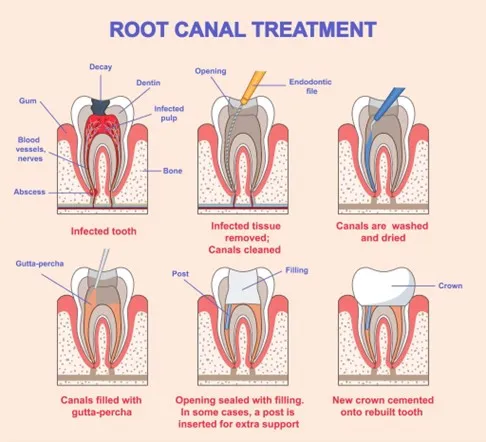
Before diving deeper into root canal treatment, it’s important to understand a bit about tooth anatomy. Each tooth has three main layers: the enamel, dentin, and pulp. The pulp is the innermost part, containing nerves and blood vessels. When bacteria reach this pulp through deep cavities, cracked enamel, or injury, it can lead to inflammation or infection. This infection may cause severe pain, sensitivity, or even swelling along the gumline. If left untreated, the infection might spread to surrounding tissues and eventually lead to tooth loss.
At this stage, a simple dental filling won’t solve the problem—the tooth needs a more specialized procedure: root canal therapy.
### What Exactly Is Root Canal Therapy?
Root canal therapy, often called “endodontic treatment,” focuses on removing the infected pulp inside the tooth. Once the diseased tissue is removed, the dentist cleans and disinfects the inner canal before sealing it with a biocompatible material. Finally, the tooth is often restored with a dental crown to strengthen and protect it.
Many patients in Thailand describe the treatment as comfortable and straightforward, thanks to modern anesthesia and dental technology. While old stereotypes portray root canal therapy as painful, the reality today is quite the opposite—most patients feel immediate relief from pain after the procedure.
### Why Choose Root Canal Therapy in Thailand?
Thailand’s dental industry is known for its outstanding standard of care, well-trained endodontists, and internationally recognized clinics. Here are a few reasons why so many people, including medical tourists, trust Thai dentists for root canal treatment:
1. **High-Quality Care at Affordable Prices**
Compared to Western countries, the cost of root canal therapy in Thailand is significantly lower—sometimes only a third of the price—without compromising quality. Many clinics provide transparent pricing and detailed consultation before the procedure.
2. **Specialized Dentists and Modern Technology**
Thai dental clinics often use digital X-rays, rotary endodontic instruments, and dental microscopes for precision treatment. Dentists in Thailand also regularly attend international conferences and training courses to stay up-to-date.
3. **Convenient and
Comfortable Environment**
From the warm Thai hospitality to beautifully designed clinics, you’ll find that dental care in Thailand often feels far more relaxing than in other countries. Many clinics are located in convenient areas near hotels, shopping centers, and public transport, making your trip easy and enjoyable.
4. **English-Speaking Professionals**
Language barriers are rarely a problem. Most well-established dental centers have English-speaking dentists and staff trained to assist international patients with travel and scheduling arrangements.
### Step-by-Step Overview of a Root Canal Procedure in Thailand
1. **Consultation and X-Ray Examination**
The dentist starts by examining the tooth and taking an X-ray to assess the extent of infection and shape of the root canal.
2. **Local Anaesthesia and Pulp Removal**
Once the area is numb, the dentist makes a small opening in the tooth to access the pulp chamber and remove the infected tissue.
3. **Cleaning and Shaping the Canals**
The canals are carefully cleaned, shaped, and disinfected using specialized instruments and solutions.
4. **Filling and Sealing**
The cleaned space is then filled with a biocompatible material, usually gutta-percha, to prevent future infection.
5. **Restoration**
The dentist may place a temporary or permanent filling, and later fit a dental crown to restore strength and appearance.
### Recovery and Aftercare Tips
After the procedure, some mild soreness or sensitivity is normal, but it usually subsides within a few days. Thai dentists often recommend taking prescribed antibiotics or pain relievers as needed, avoiding hard foods until the tooth is fully restored, and maintaining excellent oral hygiene at home. Regular check-ups are also encouraged to ensure long-lasting results.
### Long-Term Benefits of Root Canal Therapy
Choosing root canal therapy helps preserve your natural tooth structure, allowing you to chew comfortably and maintain proper alignment with adjacent teeth. It also prevents the spread of infection, reduces the need for more invasive procedures like dental implants, and helps maintain your facial aesthetics. With proper care, a tooth that has undergone root canal treatment can last as long as other natural teeth.
### Final Thoughts
Thailand’s reputation for professional, affordable, and efficient dental services makes it an ideal destination for root canal therapy. Whether you are living in the Kingdom or visiting for dental tourism, you can expect world-class treatment supported by friendly and knowledgeable dental teams. By seeking timely care at a reputable Thai dental clinic, you not only relieve pain and infection but also safeguard your overall oral health for many years to come.
In short, *Thailand root canal therapy for dental infection in tooth structure* is more than just a dental procedure—it’s a smart investment in your long-term wellbeing, delivered with the trusted care and hospitality Thailand is famous for.