Thailand Root Canal Therapy for Tooth Infection Pain Control
Thailand Root Canal Therapy for Tooth Infection Pain Control
**Thailand Root Canal Therapy for Tooth Infection Pain Control**
If you’ve ever had a toothache that kept you up all night, you know how unbearable dental pain can be. In Thailand, more and more people are turning to root canal therapy as a reliable way to treat serious tooth infections, save their natural teeth, and get lasting pain relief. With modern dental clinics, experienced dentists, and affordable prices, Thailand has become one of the top destinations in Asia for quality endodontic treatment. Let’s take a closer look at how root canal therapy works, what you can expect, and why it’s such a valuable solution for tooth infection pain control.
### Understanding Tooth Infections and When You Need a Root Canal
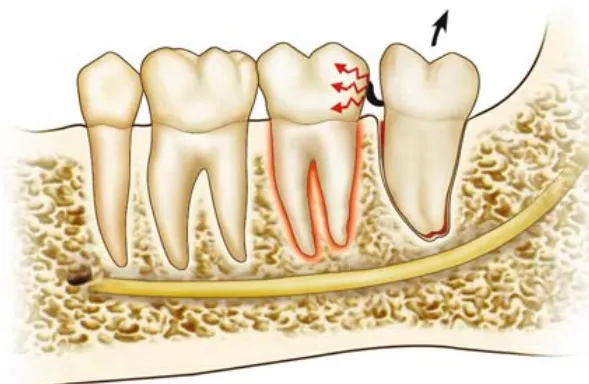
A tooth infection usually starts when bacteria enter the pulp — the soft tissue inside the tooth. This can happen because of deep cavities, cracks, or repeated dental procedures. Once the pulp is infected or inflamed, it can cause severe pain, sensitivity, and even facial swelling. You might notice discomfort when chewing, or a throbbing pain that doesn’t go away.
In Thailand, dentists often recommend root canal therapy, known locally as “รักษารากฟัน” (rak sa rak fan), to treat this problem without extracting the tooth. The goal is simple — remove the infected tissue, clean the inside of the tooth, and seal it to prevent further infection. This way, you get to keep your natural tooth structure, and the pain caused by the infection can finally disappear.
### What Happens During Root Canal Treatment in Thailand
Root canal therapy might sound intimidating, but with today’s technology and modern anesthetics, it’s a comfortable and efficient procedure. Most dental clinics in Thailand, especially in Bangkok, Chiang Mai, Phuket, and Pattaya, are equipped with advanced imaging systems and rotary endodontic tools to ensure precision.
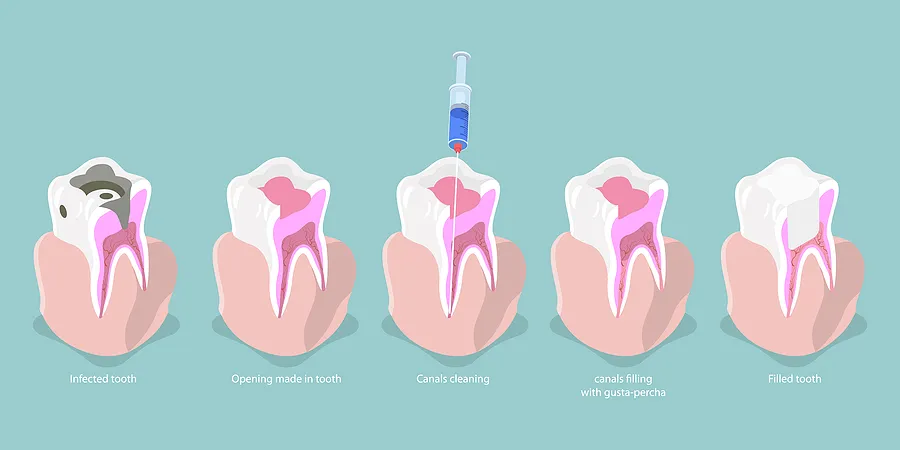
Here’s a general overview of the treatment process:
1. **Examination and X-rays:** The dentist will examine your tooth and take X-rays to see how far the infection has spread.
2. **Local Anesthesia:** You’ll be given local anesthesia so you won’t feel pain during the procedure.
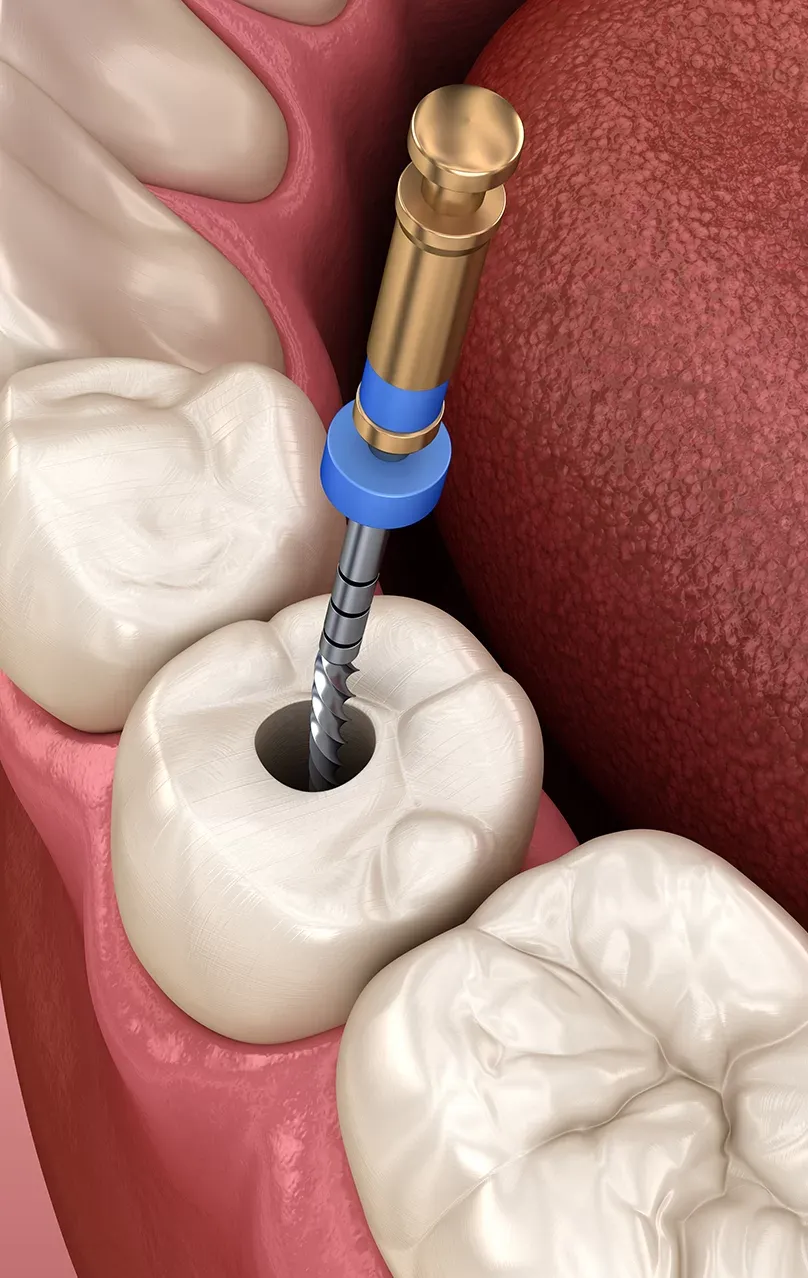
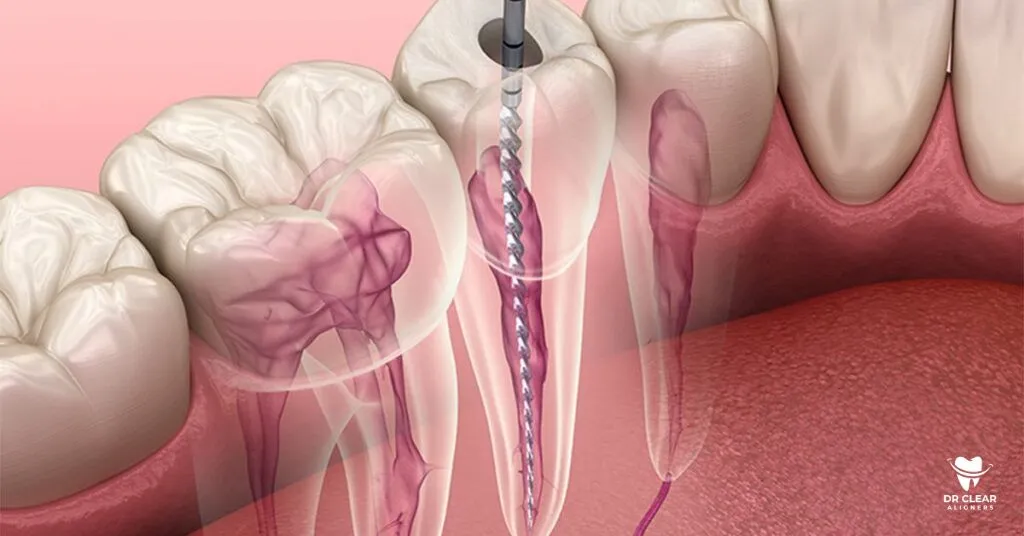
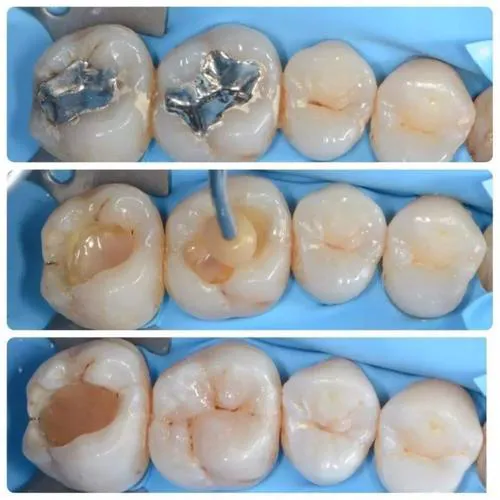
3. **Cleaning the Canal:** The dentist makes a small opening in the tooth to access the infected pulp. The damaged tissue is then carefully removed, and the canals are cleaned and disinfected.
4. **Filling and Sealing:** The cleaned canals are filled with a special biocompatible material and sealed to prevent bacteria from re-entering.
5. **Crown Restoration:** After healing, a dental crown is usually placed to protect the tooth and bring back its natural function and appearance.
The entire process often takes one to two visits, depending on the complexity of the infection. Many Thai dental clinics offer clear explanations and gentle care, ensuring that both locals and visiting patients feel comfortable throughout each step.
### Why Choose Root Canal Therapy in Thailand
**1. Pain-Free Experience:**
Thai dentists are known for thei
r gentle approach. Clinics use the latest anesthetic methods, ensuring patients experience minimal discomfort. For many people, getting a root canal in Thailand feels no different from a routine filling.
**2. Affordable Cost:**
Dental care in Thailand is significantly more affordable than in many Western countries. A root canal procedure here can cost a fraction of what you’d pay in the US, Australia, or Europe, without compromising on quality. Many medical tourists combine their dental treatment with a short holiday — making the whole experience both cost-effective and enjoyable.
**3. High Standards of Professional Care:**
Thailand’s dental professionals are highly trained, often with international education and certifications. Clinics in major cities provide world-standard hygiene, advanced technology, and excellent communication in English. You’ll find that many clinics follow the same sterilization and safety protocols used in top dental centers worldwide.
**4. Natural Tooth Preservation:**
One of the biggest advantages of root canal therapy is that it saves your natural tooth. Keeping your real tooth helps maintain proper chewing function, jaw alignment, and a more natural smile. It’s a sustainable solution that avoids the need for extraction and dental implants.
### Aftercare and Recovery Tips
After a root canal, it’s normal to feel slight tenderness for a few days, but this can be easily managed with mild painkillers and good oral hygiene. Thai dentists usually recommend avoiding hard or sticky food for a short period and brushing gently around the treated tooth. With proper care, a tooth that has undergone root canal therapy can last a lifetime.
To support recovery, remember to:
- Keep regular dental checkups every six months.
- Maintain good oral hygiene — brush twice a day and floss daily.
- Avoid biting hard objects like ice or nutshells.
- Inform your dentist immediately if you notice any recurring pain or swelling.
### Combining Dental Treatment with Travel in Thailand
One unique advantage of getting dental care in Thailand is that you can enjoy a relaxing holiday during your recovery. Whether it’s the beaches of Krabi, the temples of Chiang Mai, or the city life in Bangkok, Thailand offers plenty of peaceful and rejuvenating environments to help you unwind after treatment. Many dental tourists plan their itineraries so that they can rest and explore while receiving top-quality care.
### Final Thoughts
Tooth infection pain can make daily life unbearable, but with the help of modern root canal therapy in Thailand, you can restore both comfort and confidence. Affordable treatment costs, caring dentists, advanced technology, and warm hospitality make Thailand one of the best countries in Asia for dental care. If you’ve been putting off treatment because you’re worried about pain or expense, consider exploring root canal therapy at a reputable Thai dental clinic — it could be the key to a healthy smile and a pain-free life.