Thailand Root Canal Treatment for Dental Infection Caused by Cavities
Thailand Root Canal Treatment for Dental Infection Caused by Cavities
**Thailand Root Canal Treatment for Dental Infection Caused by Cavities**
When a cavity is ignored for too long, it can gradually deepen and reach the inner part of the tooth where the nerve and blood vessels are located. This often leads to severe pain, swelling, and infection—something no one wants to deal with. In Thailand, root canal treatment has become a trusted solution for saving infected teeth without the need for extraction. The procedure, known locally as “endodontic treatment,” is widely available across dental clinics in Bangkok, Chiang Mai, Phuket, and other major cities.
### Understanding Dental Infections and Tooth Decay
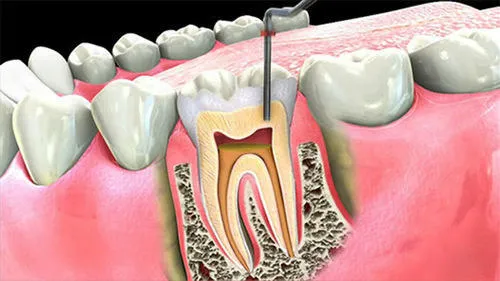
Cavities begin when bacteria in the mouth produce acids that erode the tooth enamel. Over time, this decay spreads deeper into the dentin and eventually reaches the pulp—the soft tissue containing nerves and blood vessels. Once bacteria invade the pulp chamber, an infection can quickly develop. This infection may cause pain while chewing, tooth sensitivity to hot and cold, swelling of the gums, and sometimes, even fever.
Ignoring such symptoms can lead to abscess formation or bone loss around the root of the tooth. That’s why dentists in Thailand always emphasize the importance of early treatment. Modern root canal therapy allows patients to keep their natural teeth while eliminating the infection and discomfort.
### What Exactly Is a Root Canal Treatment?
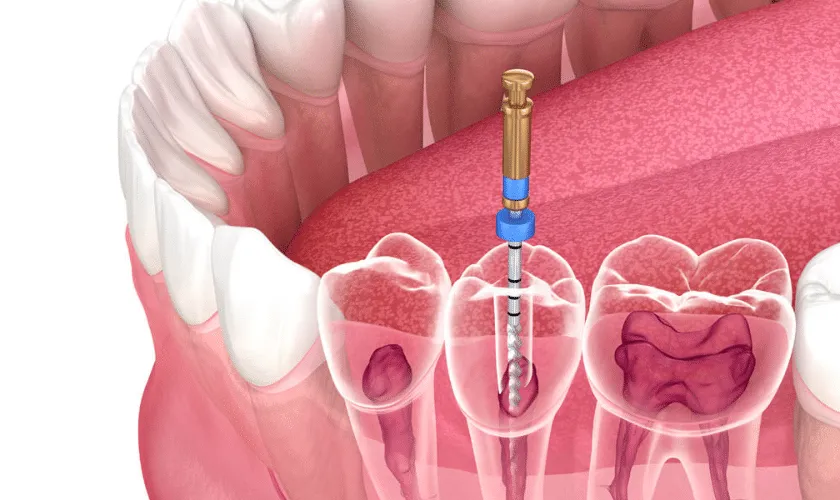
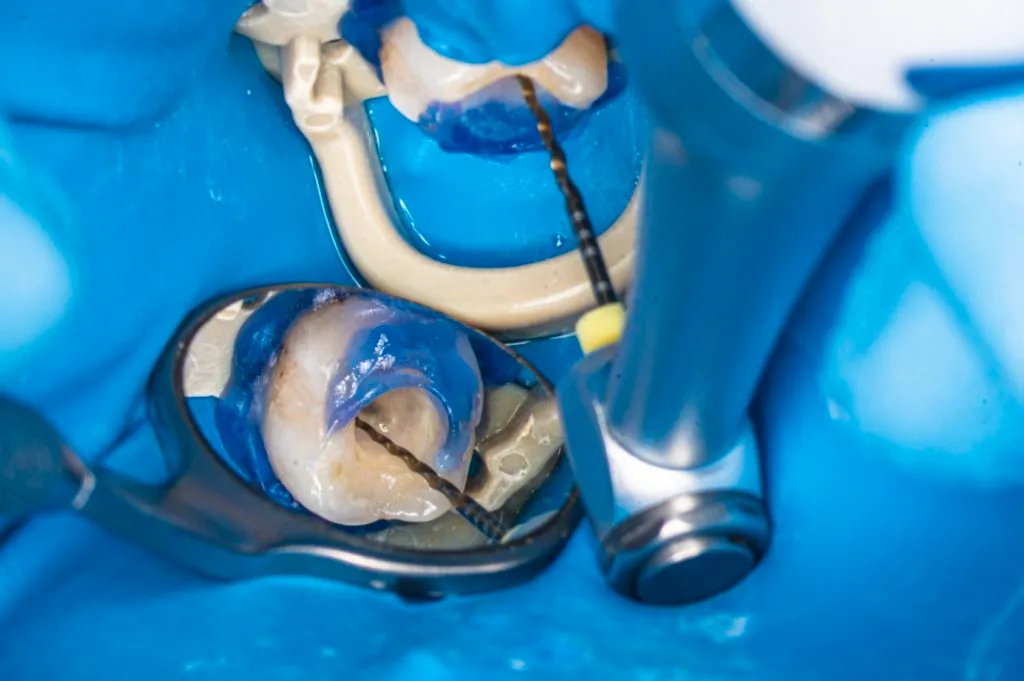
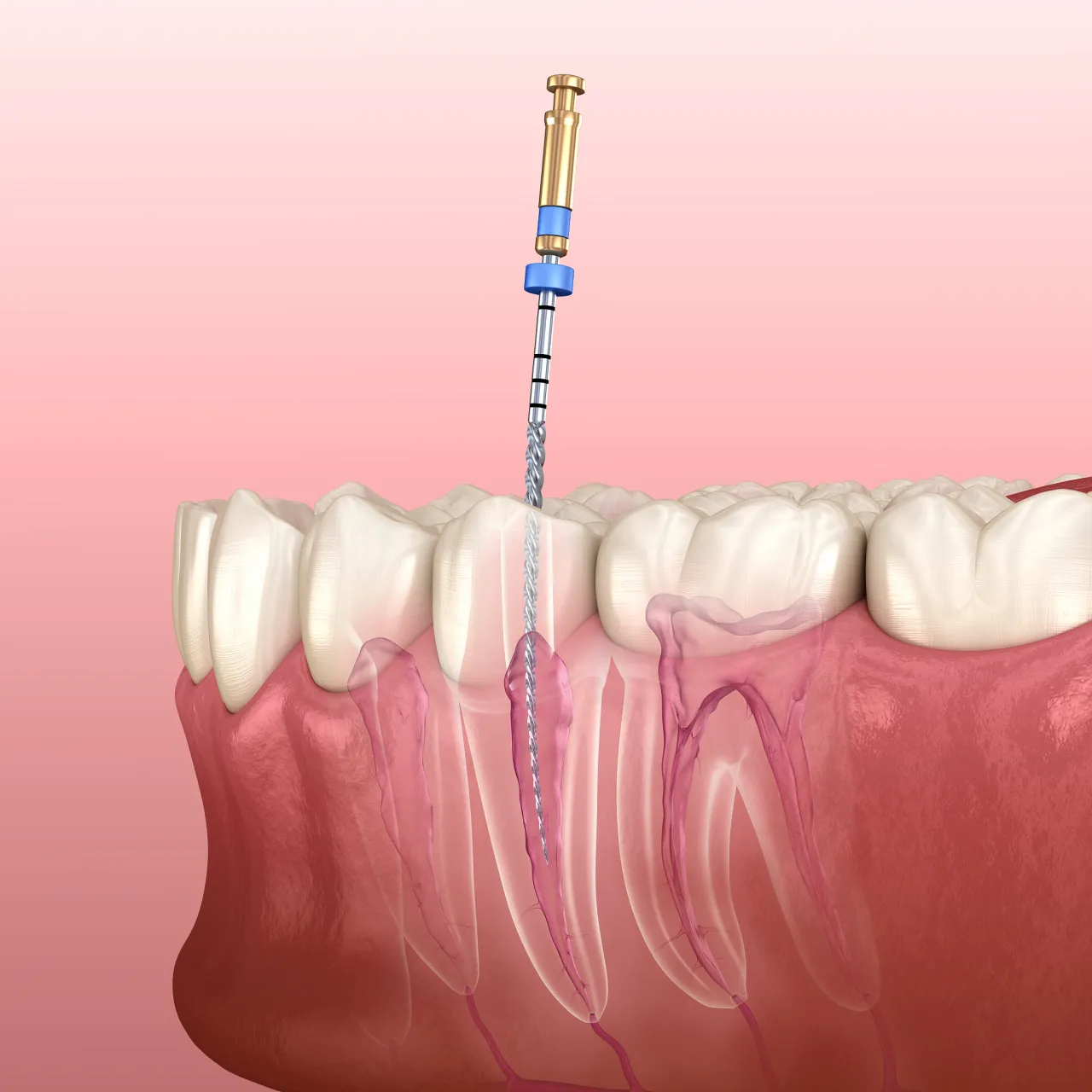
A root canal is a dental procedure designed to remove the infected or dead pulp inside a tooth, clean the root canals thoroughly, and then seal the space to prevent reinfection. It’s performed under local anesthesia, meaning you won’t feel pain during the process. Thai dentists are well-trained in endodontics and use advanced technology like digital X-rays, rotary instruments, and dental microscopes to ensure precision and comfort.
The procedure usually involves three main steps:
1. **Cleaning the infected pulp:** The dentist makes a small opening at the top of the tooth to access the infected area.
2. **Disinfecting and shaping the canals:** The canals are carefully cleaned, shaped, and disinfected.
3. **Filling and sealing:** The cleaned canals are filled with a biocompatible material called gutta-percha and sealed permanently.
After the root canal, most patients will need a dental crown to restore the tooth’s strength and function. This is especially common for molars and premolars since they handle heavier chewing pressure.
### Why Thailand Is a Great Place for Root Canal Treatment
Thailand has built a global reputation as a leading destination for dental tourism. The combination of affordable prices, high professional standards, and warm patient care attracts both locals and international visitors.
Here are a few reasons why many people choose Thailand for root canal treatment:
- **Affordable cost:** Compared to many Western countries, root canal therapy in Thailand can cost 50–70% less, without compromising on quality.
- **Experienced dentists:** Many Thai dentists have
international training and certifications, providing treatment that meets international standards.
- **Modern dental clinics:** Clinics in major cities like Bangkok, Pattaya, and Chiang Mai are equipped with state-of-the-art technology, ensuring both safety and comfort.
- **Convenient scheduling:** Appointment systems are typically flexible, and many clinics offer same-day consultations.
- **Friendly atmosphere:** Thais are known for their hospitality, and this cultural warmth extends to dental care. Patients often describe their experiences as pleasant and reassuring.
### The Root Canal Experience in Thailand
Patients often find the process smoother than they expected. At your first visit, the dentist will take an X-ray to examine the extent of the infection. Local anesthesia is administered, so you’ll remain comfortable throughout. The procedure may take one to three visits depending on the complexity of your case. After treatment, a temporary or permanent filling is placed, and you’ll be given instructions for care at home.
Minor discomfort or sensitivity may occur for a few days after the treatment, but over-the-counter pain relief is usually sufficient. Once the infection is fully managed, your dentist will recommend placing a crown to reinforce the tooth’s integrity.
### Recovery and Aftercare Tips
To ensure a smooth recovery after your root canal treatment in Thailand, consider the following care tips:
- Avoid chewing hard foods on the treated tooth until it’s fully restored.
- Maintain good oral hygiene with gentle brushing and regular flossing.
- Follow any antibiotics or pain medication prescribed by your dentist.
- Schedule follow-up appointments as advised to monitor healing.
- Visit your dentist every six months for routine check-ups and cleanings.
Most patients can return to their normal activities the next day. With proper care, a well-treated tooth can last for many years—sometimes even a lifetime.
### The Long-Term Benefits of Saving Your Natural Tooth
Choosing root canal therapy over extraction offers significant advantages. Retaining your natural tooth helps maintain your bite alignment and prevents neighboring teeth from shifting. It also allows for more efficient chewing and natural appearance compared to artificial replacements. With today’s modern techniques, root canal treatment is no longer something to fear—it’s a dependable and comfortable procedure that restores both oral health and confidence.
### Final Thoughts
Thailand’s dental care system has evolved impressively, making high-quality root canal treatment accessible to everyone at a reasonable cost. Whether you’re a local resident dealing with tooth pain or an international visitor considering dental care abroad, Thai dental clinics offer professional expertise, advanced technology, and kind-hearted service.
If a cavity has caused a dental infection, don’t delay treatment. A timely root canal in Thailand can save your tooth, relieve your pain, and bring back your beautiful smile.